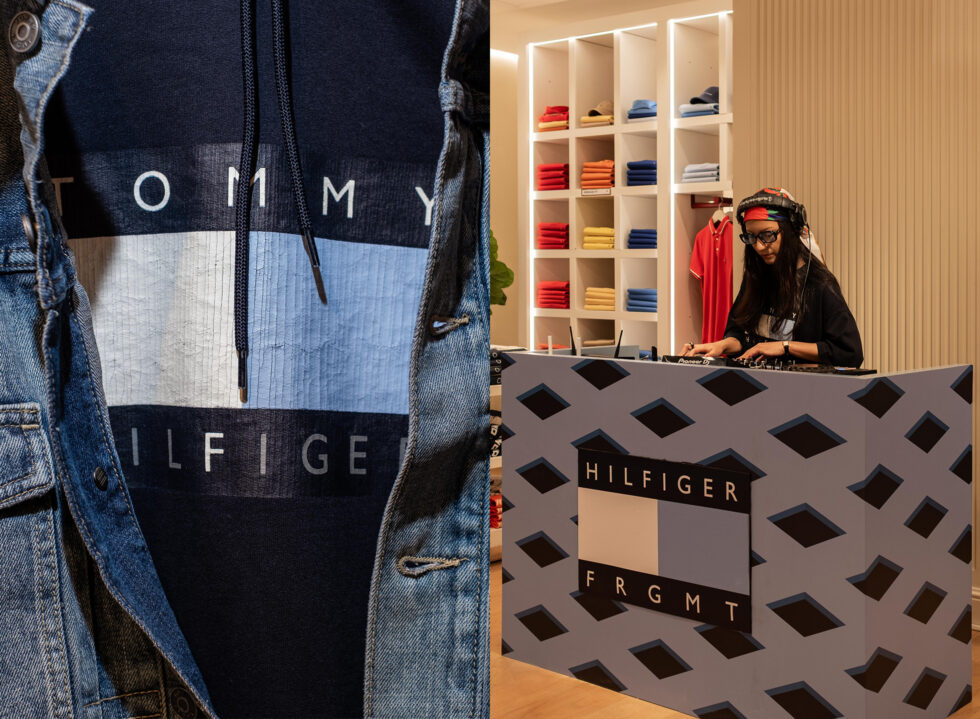
Tommy Hilfiger and Hiroshi Fujiwara of Japanese streetwear label FRGMT (Fragment Design) have long drawn on the culture around them to shape their approach to clothing.
The New York-born Hilfiger looked to music, sport and youth culture to make American prep more colourful and accessible, while Tokyo-based Fujiwara found inspiration in London’s punk scene and New York’s hip hop culture. This shared curiosity and synergy meet in their first capsule collaboration, which reinterprets Tommy Hilfiger’s ‘90s prep styles through Fujiwara’s contemporary lens.
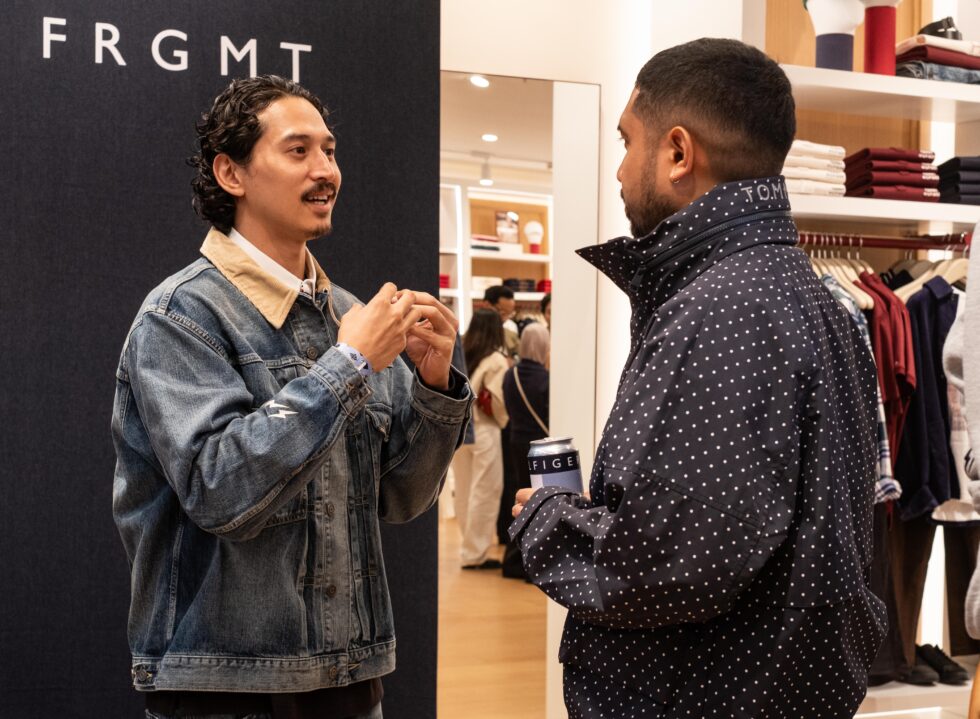
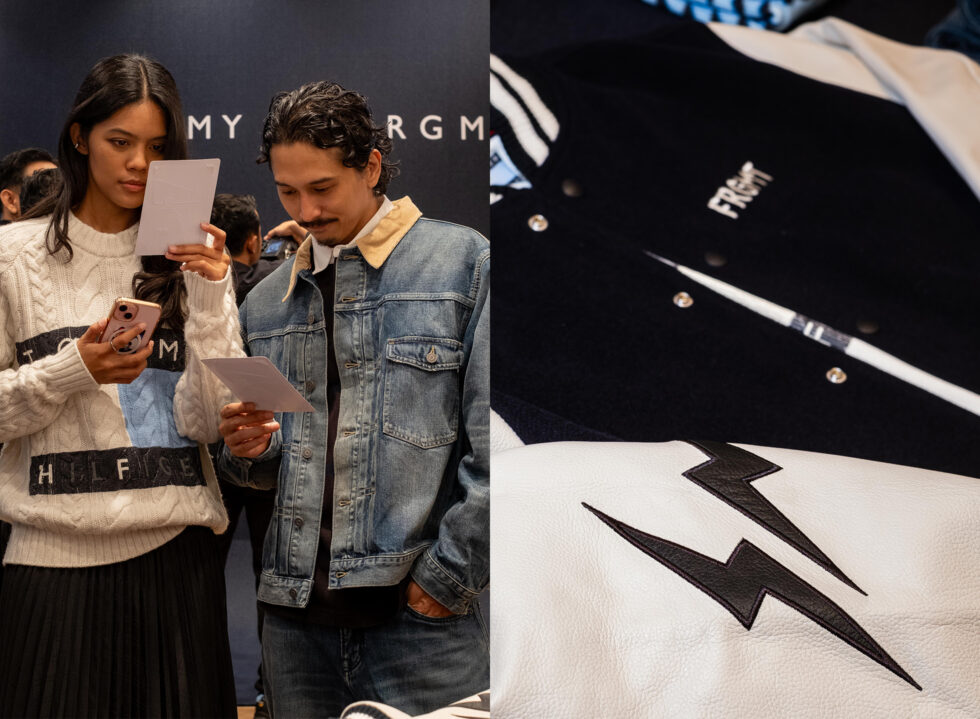
Last Thursday, the collection arrived in Jakarta at a launch event hosted by MANUAL. The limited-edition lineup is available exclusively at Tommy Hilfiger’s Grand Indonesia store, where actor Roy Sungkono and musician couple Bam Mastro and Kallula gathered wearing looks from the collaboration.
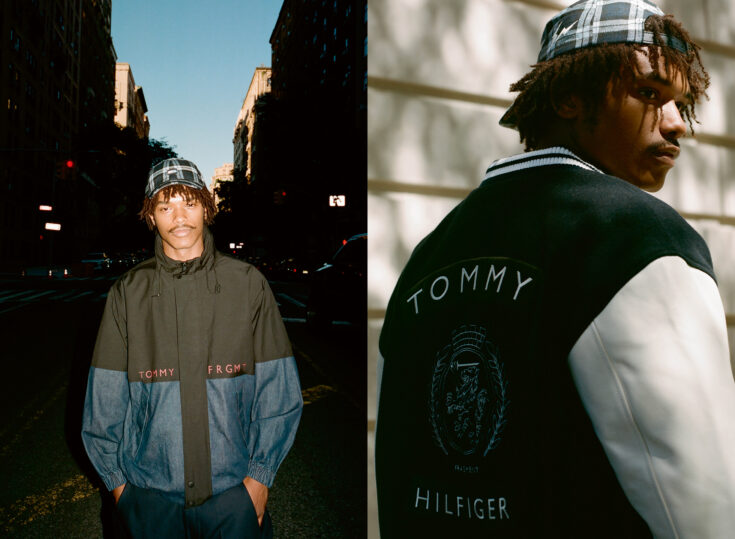
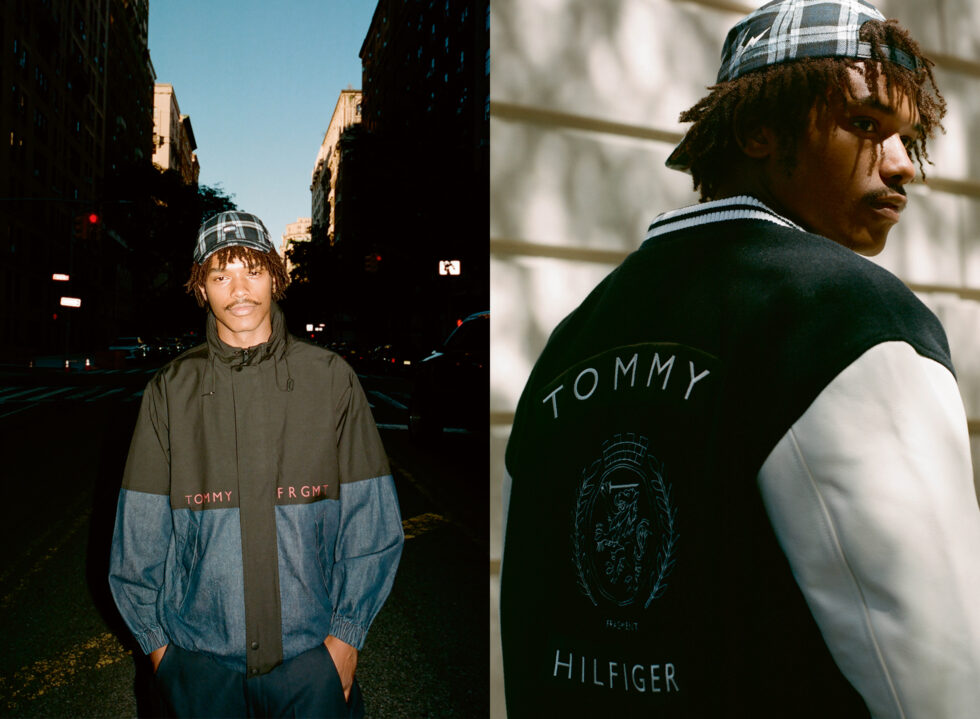
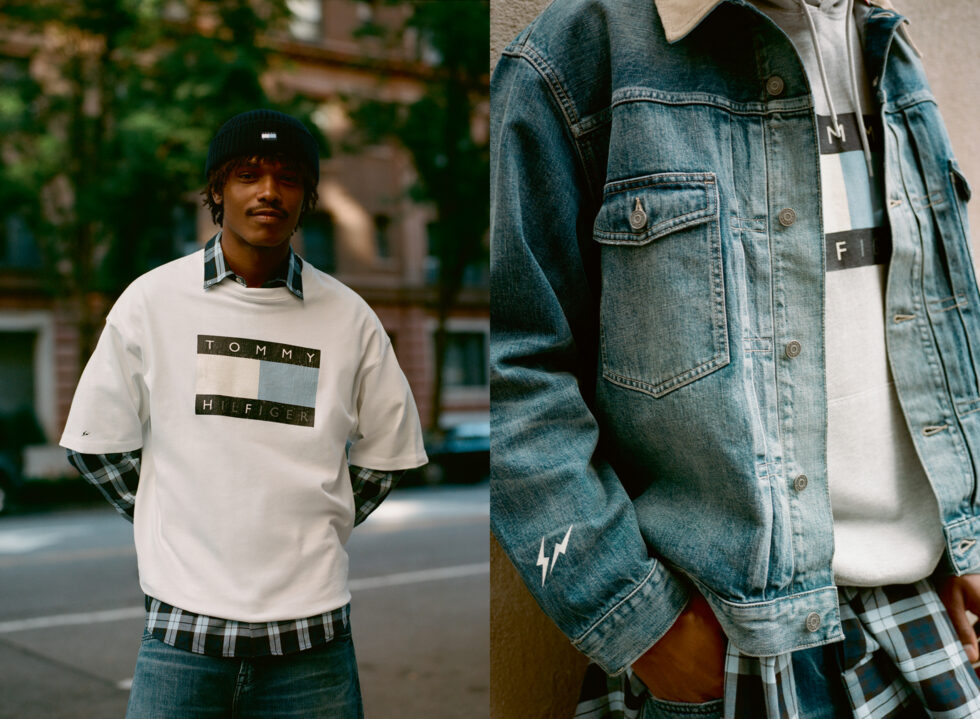
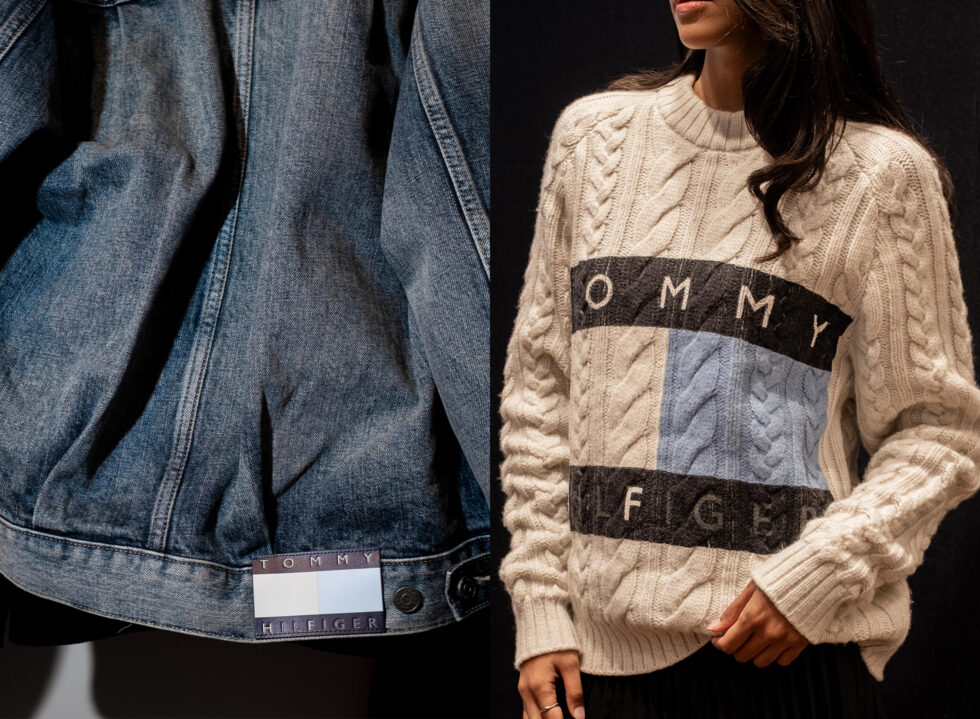
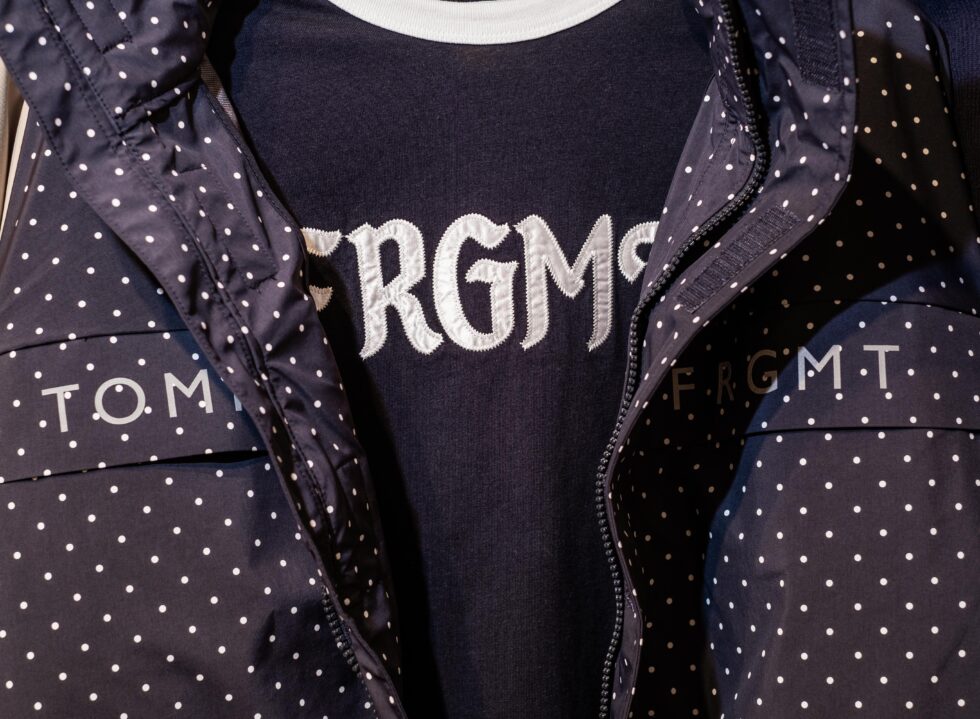
Reworking heritage pieces from Hilfiger’s archive, including rugby shirts, varsity jackets, chinos and sailing pieces, Fragment’s mark is easy to spot: the Tommy Flag appears in shades of blue rather than its familiar red. The nylon triple-layered Field jacket gets the polka-dot treatment, while Fragment’s double thunderbolt motif appears in select pieces such as the denim colour-block Mixed Media jacket. The blue abstract check sweater also recalls the cover art of The Who’s 1969 album, Tommy, adding a pop culture reference to the collection.
“I wanted to see how much I could change while still respecting what the brand has built over the years. It was about finding the right balance. My role was to create something that feels different but still has Tommy’s DNA,” says Fujiwara.
Of the collection, Fujiwara’s favourite piece to work on is the Regatta Jacket, a Tommy Hilfiger classic archival design that he reinterprets with a polka-dot pattern. Meanwhile, Hilfiger favours the fresh colour update on the Varsity jacket, a signature piece from his archive that embodies the American style he loves.
“[Fujiwara’s] precision and restraint against our bold American prep create an interesting tension, from the light blue Flag to the thunderbolt graphics and elevated fabrications,” says Hilfiger. “The result feels unmistakably connected to both of us, but fresh because of what we brought out in each other.”
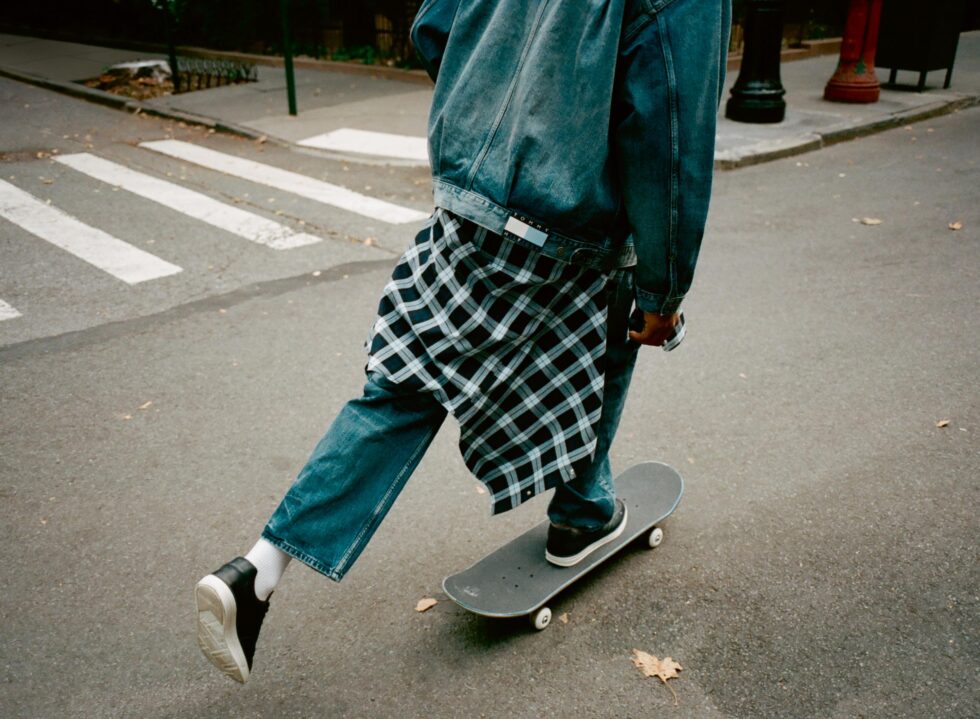
The collection may stir a sense of nostalgia for a generation that grew up with Tommy Hilfiger in the ’90s, recalling an era when his vision of the American style resonated with the wider youth culture and subcultures. Yet both designers are equally curious about what the collection might mean to a younger generation. As Fujiwara puts it, “I’m interested to see how younger people wear these pieces in their own way.”