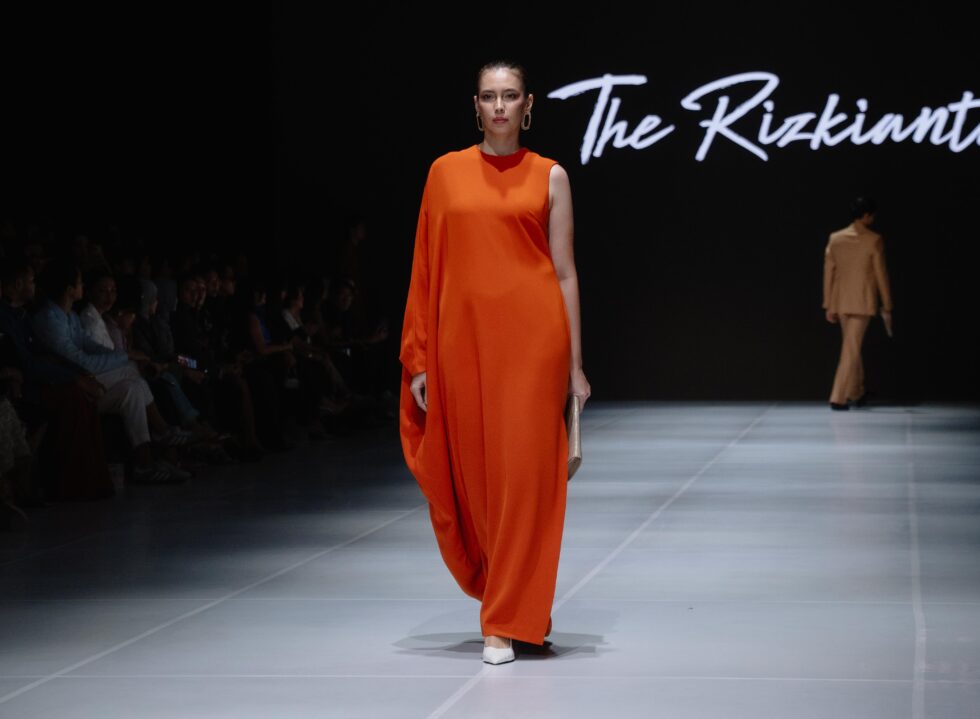
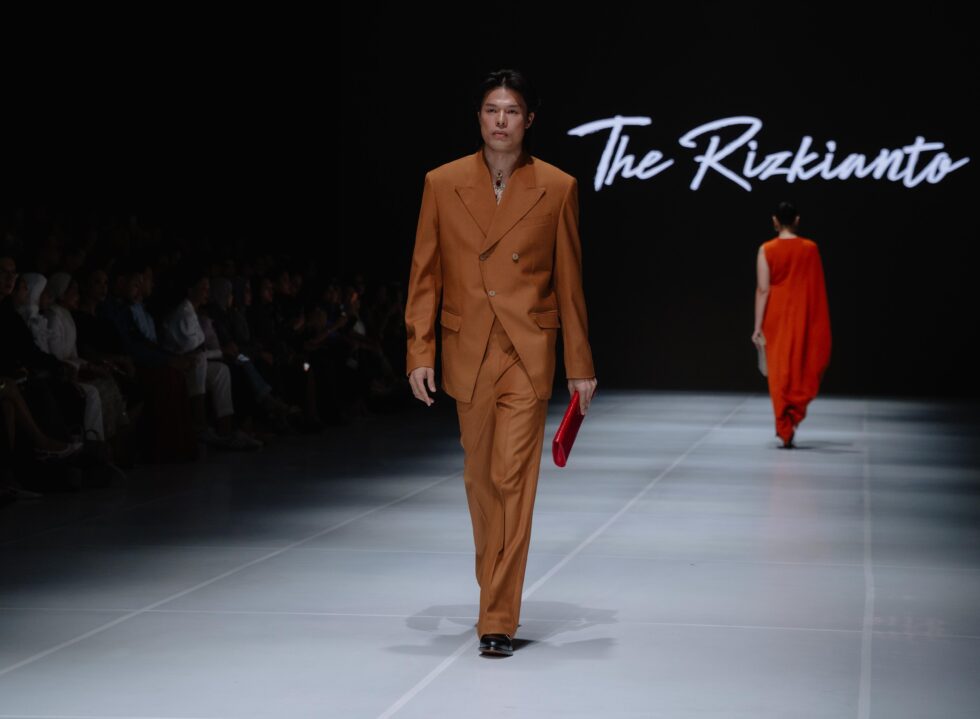
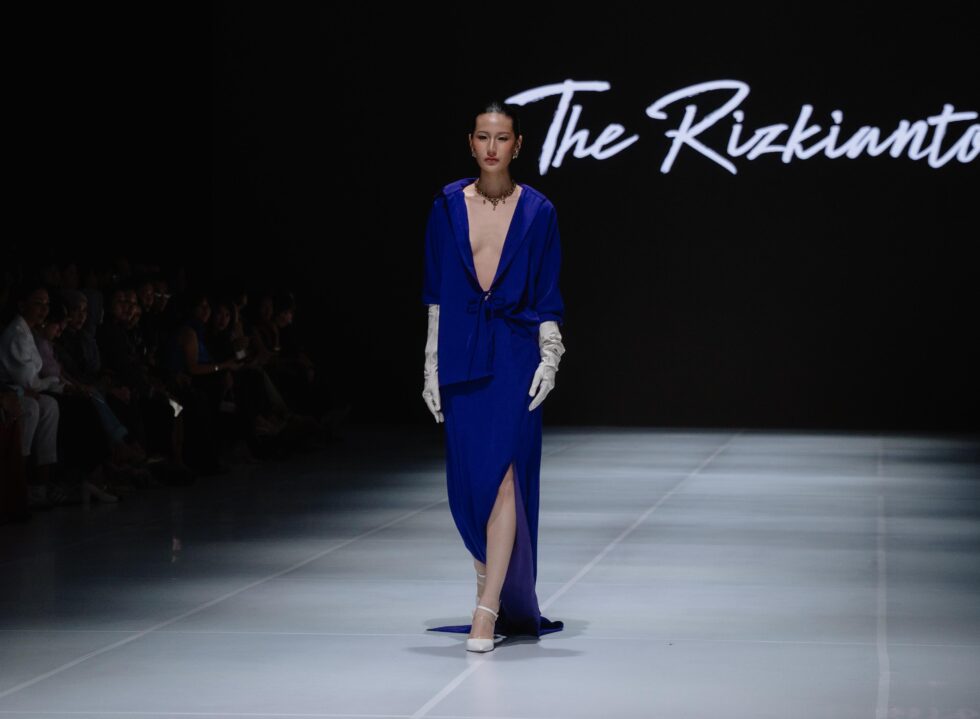
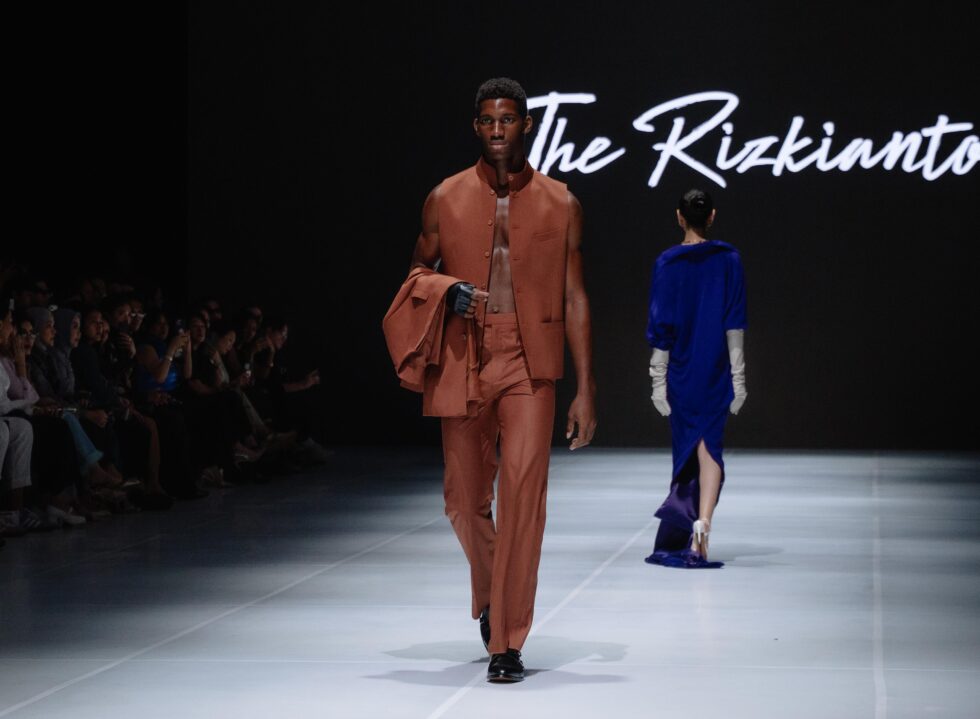
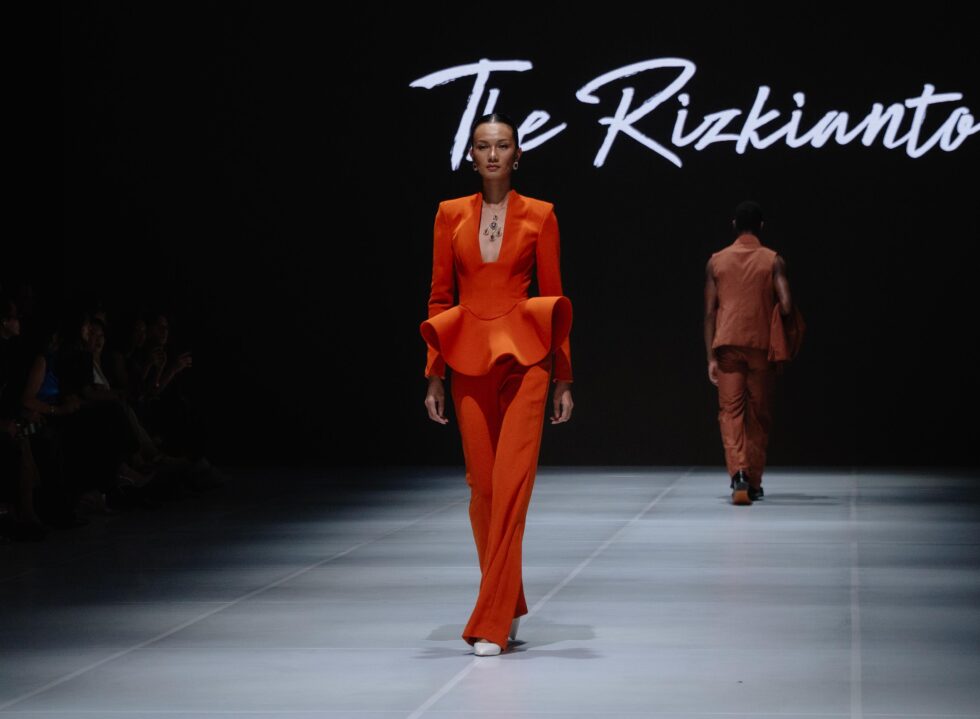
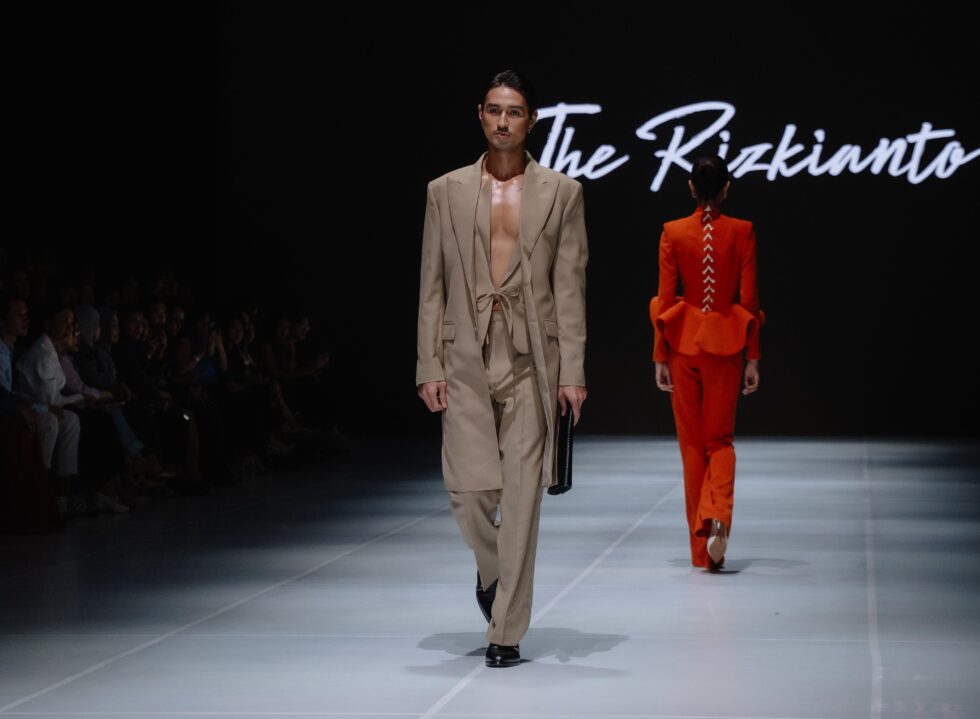
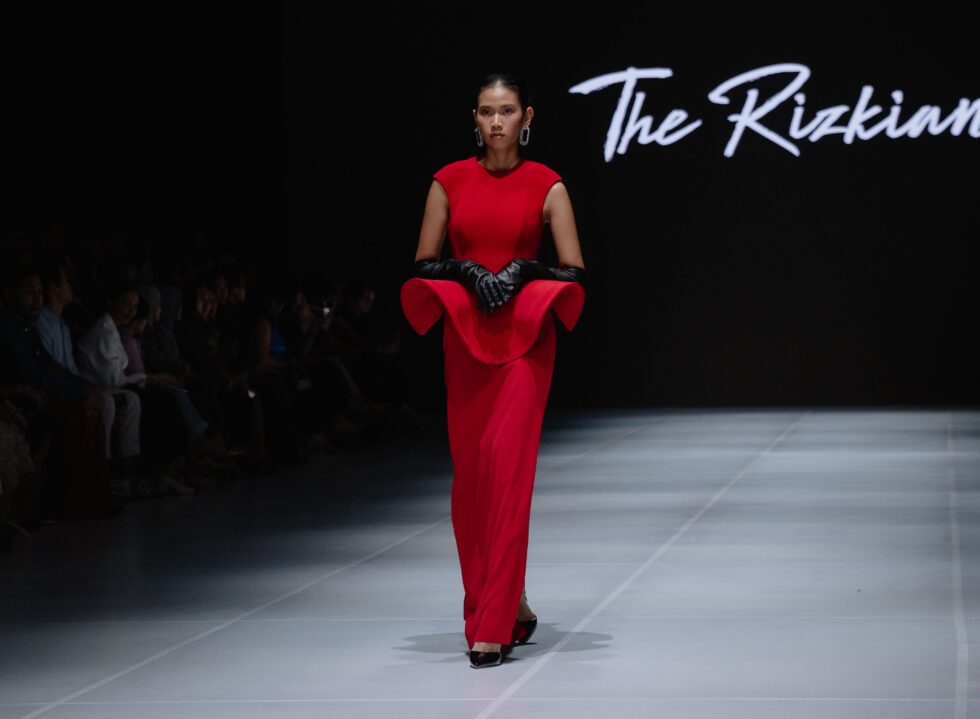
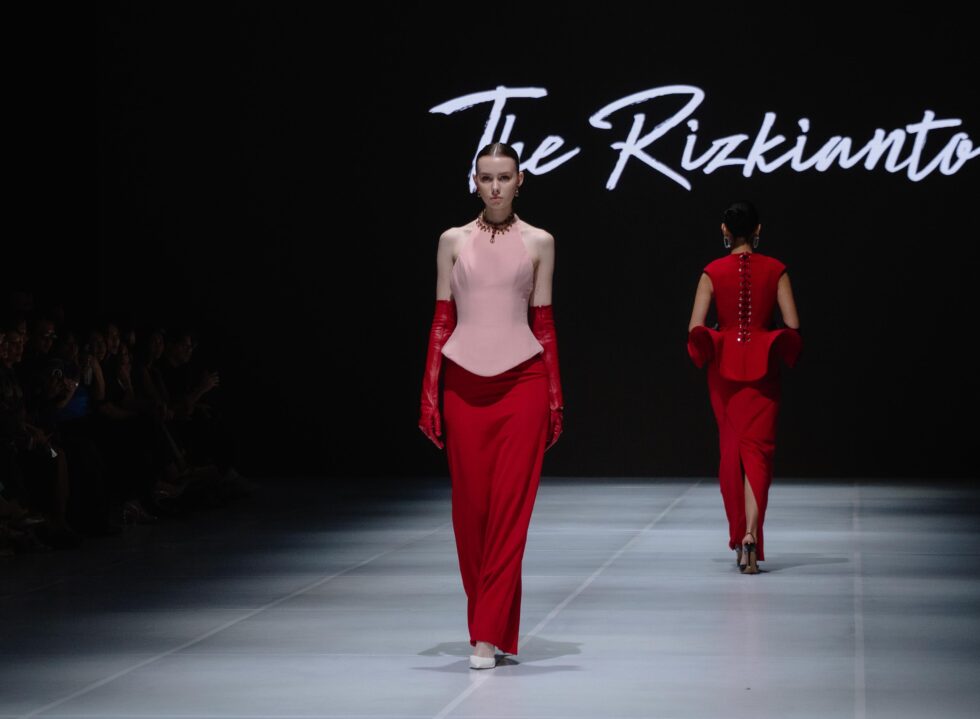
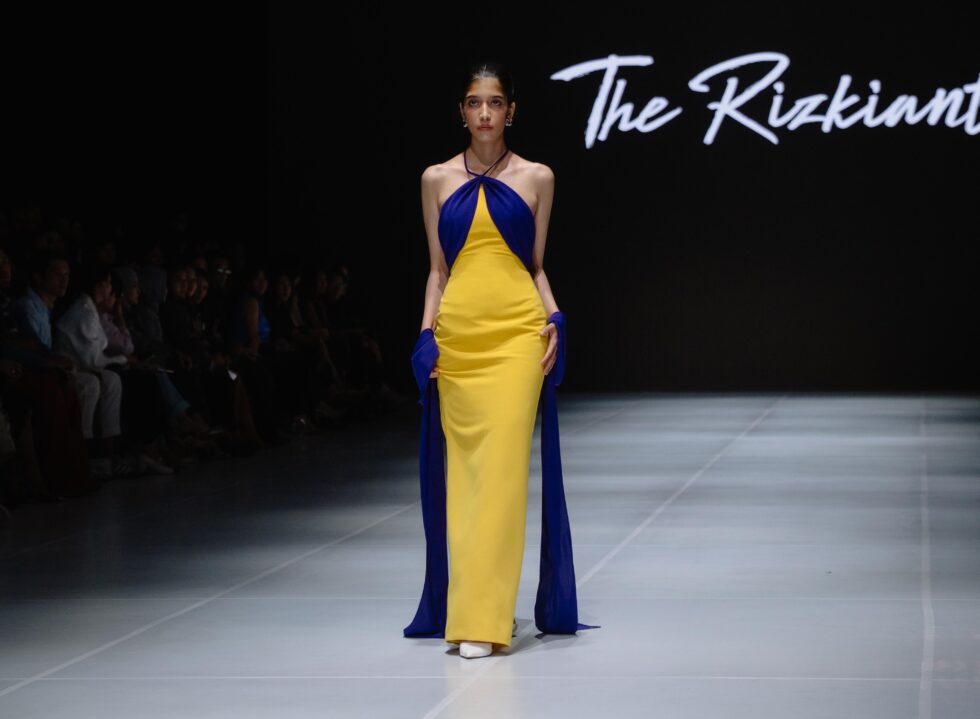
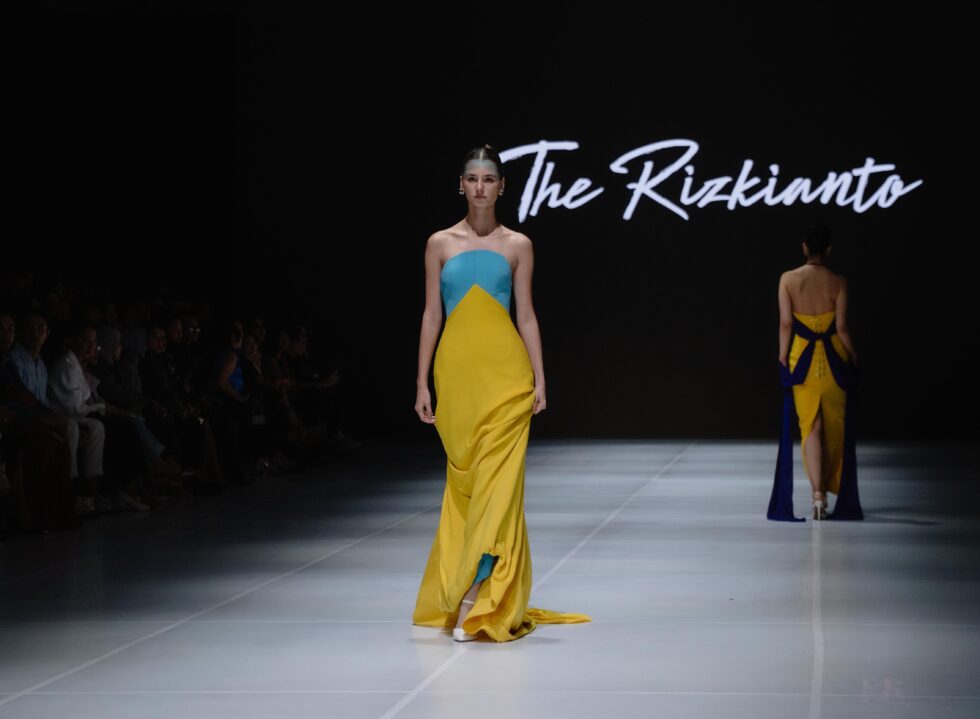
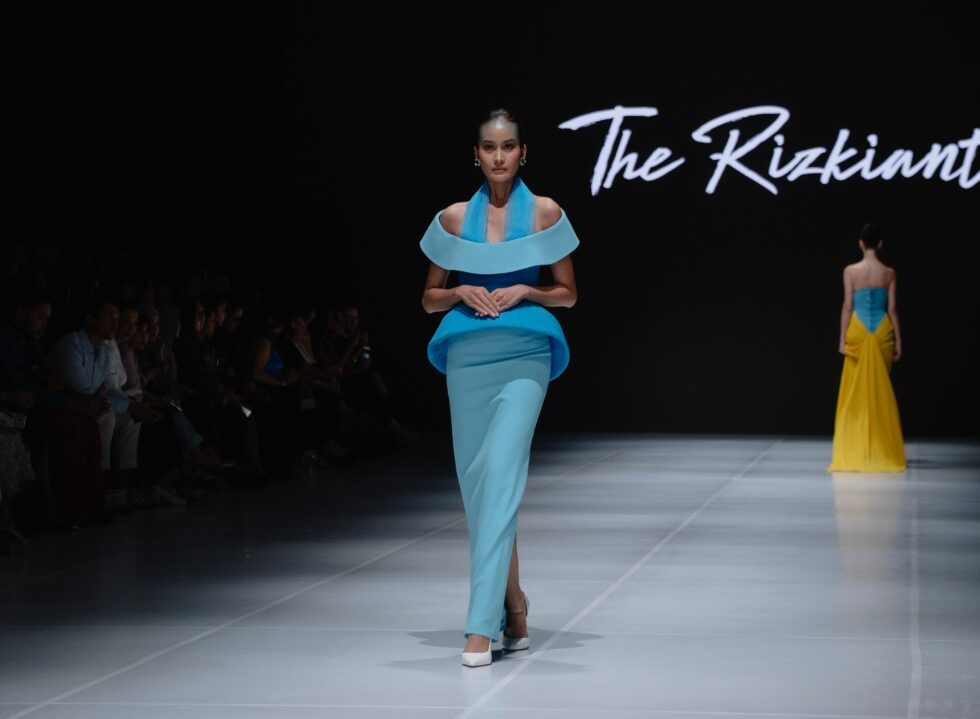
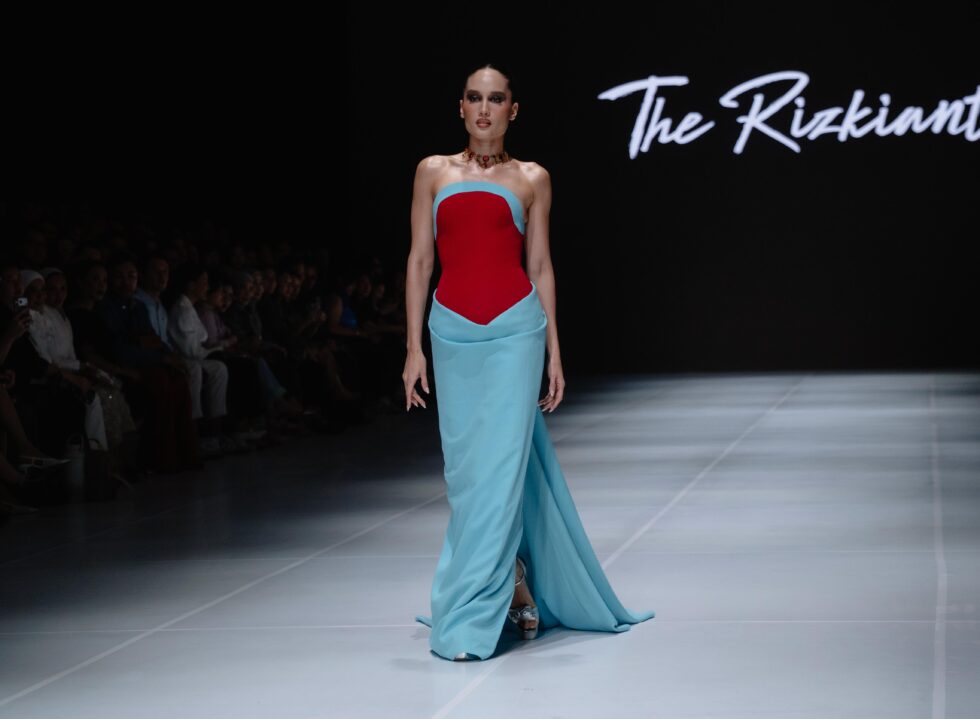
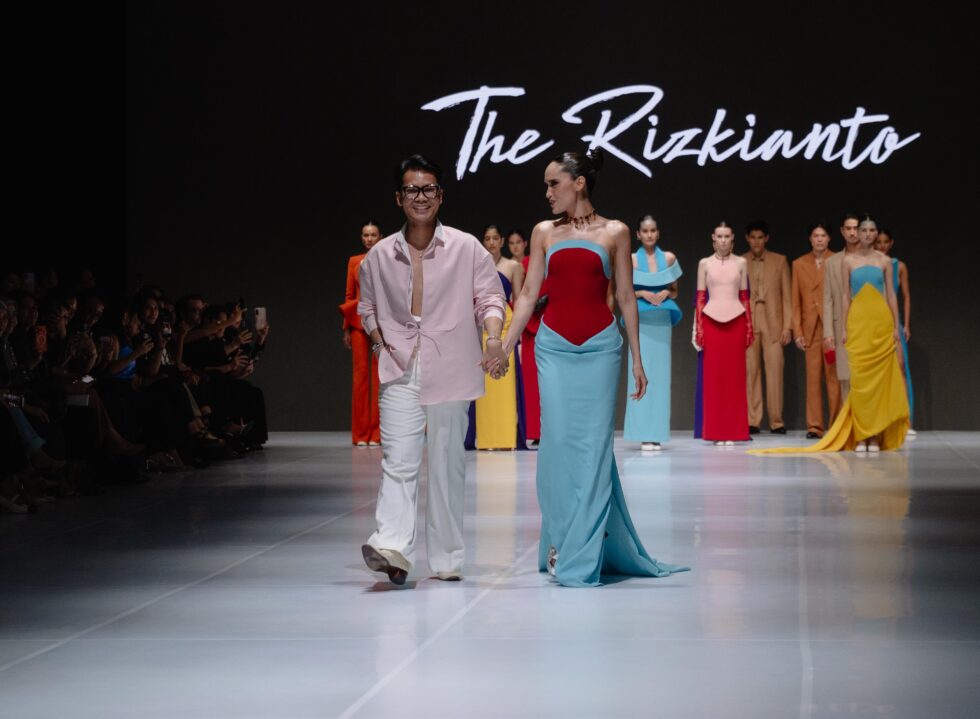
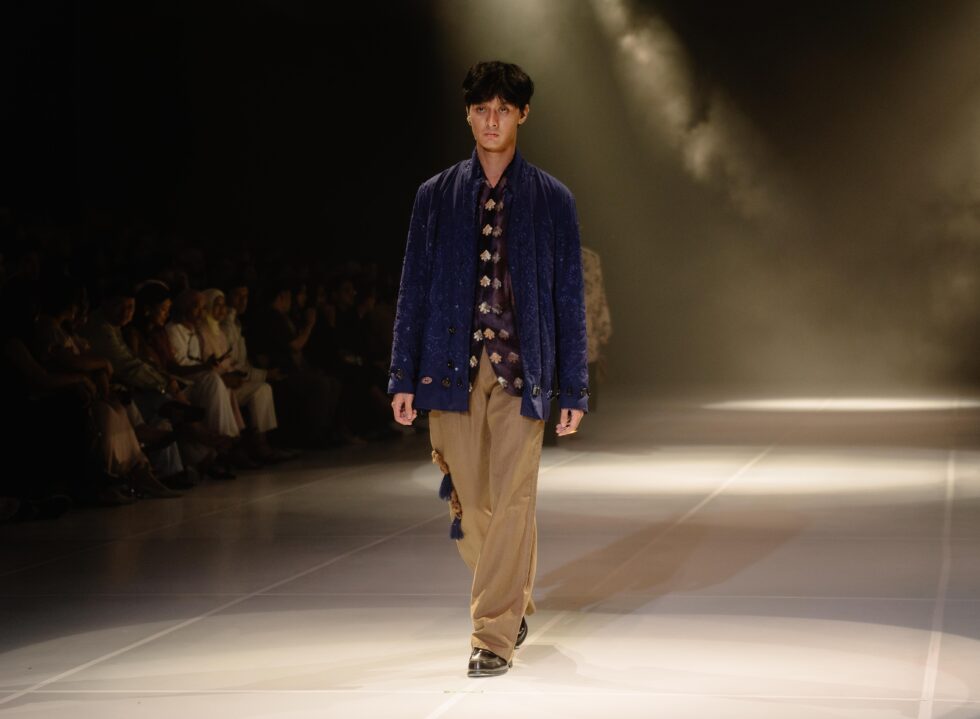
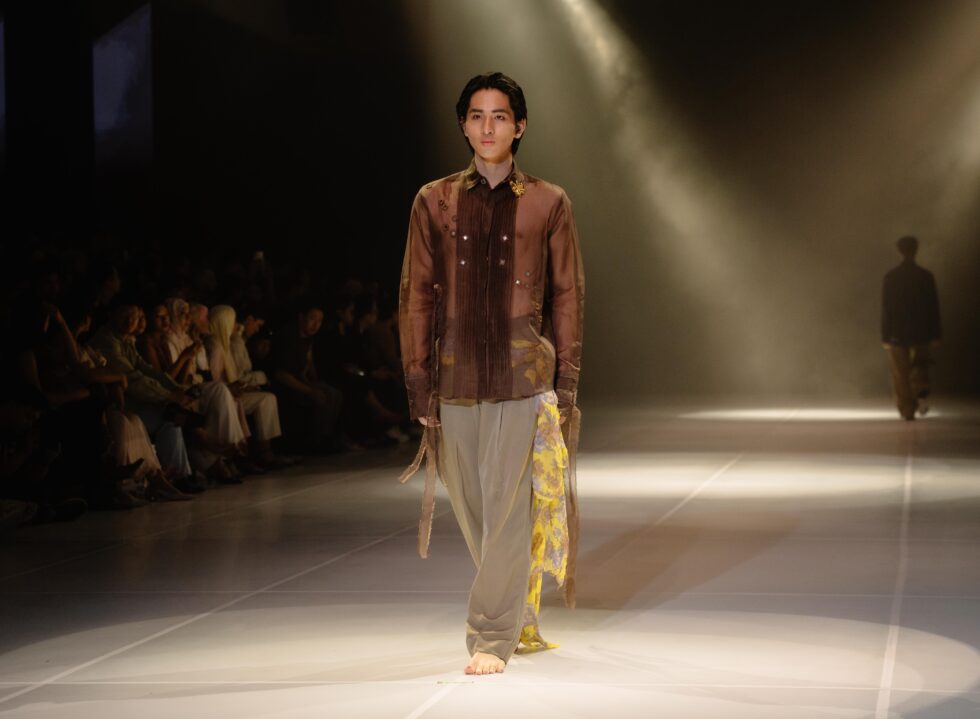
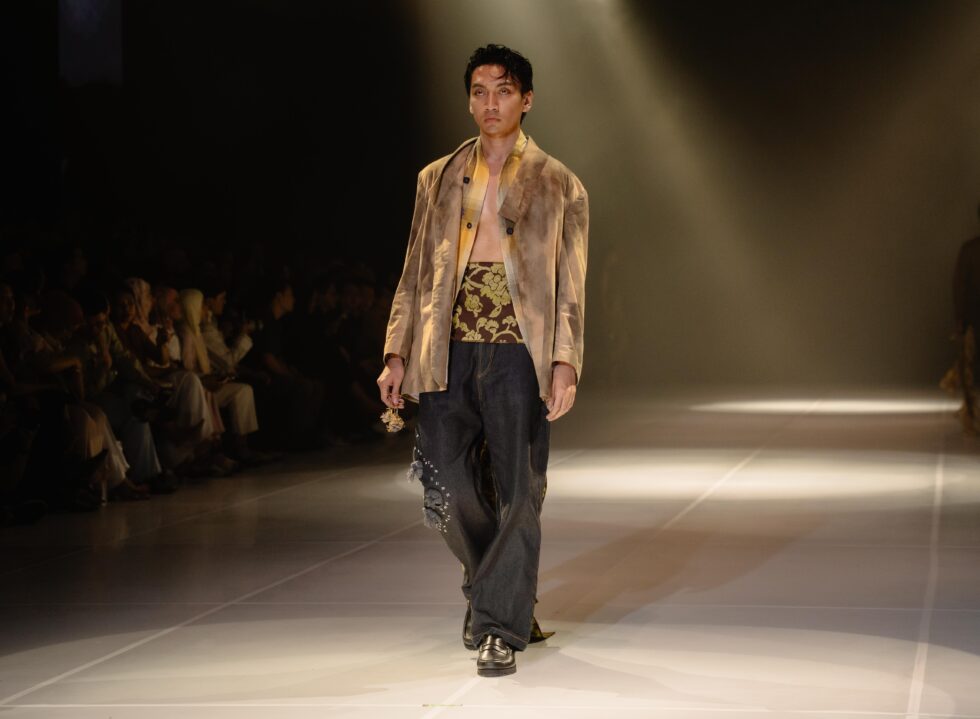
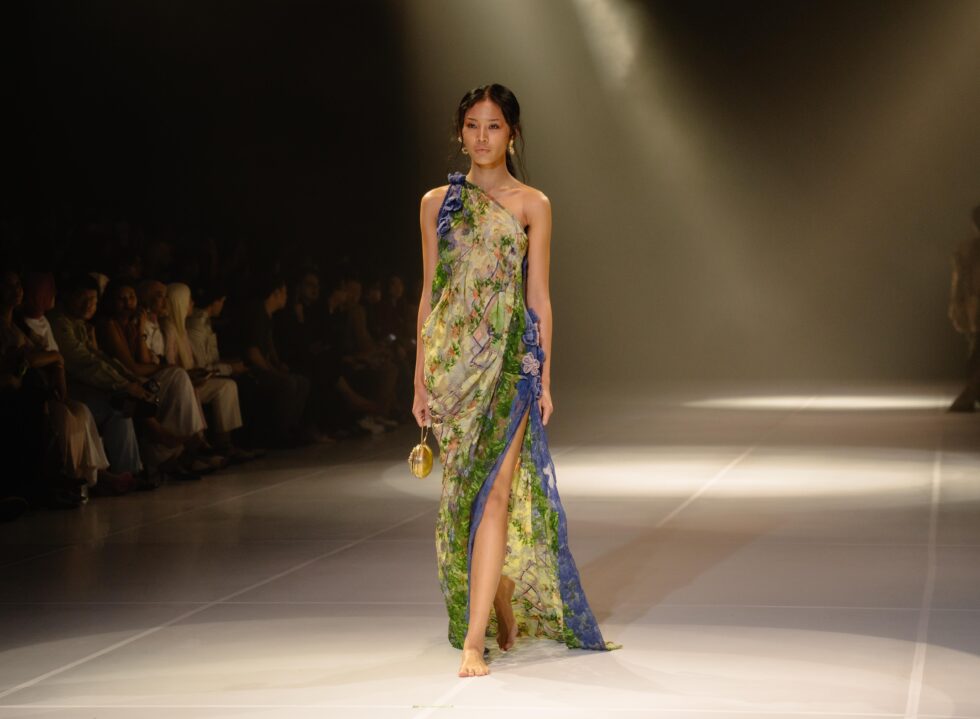
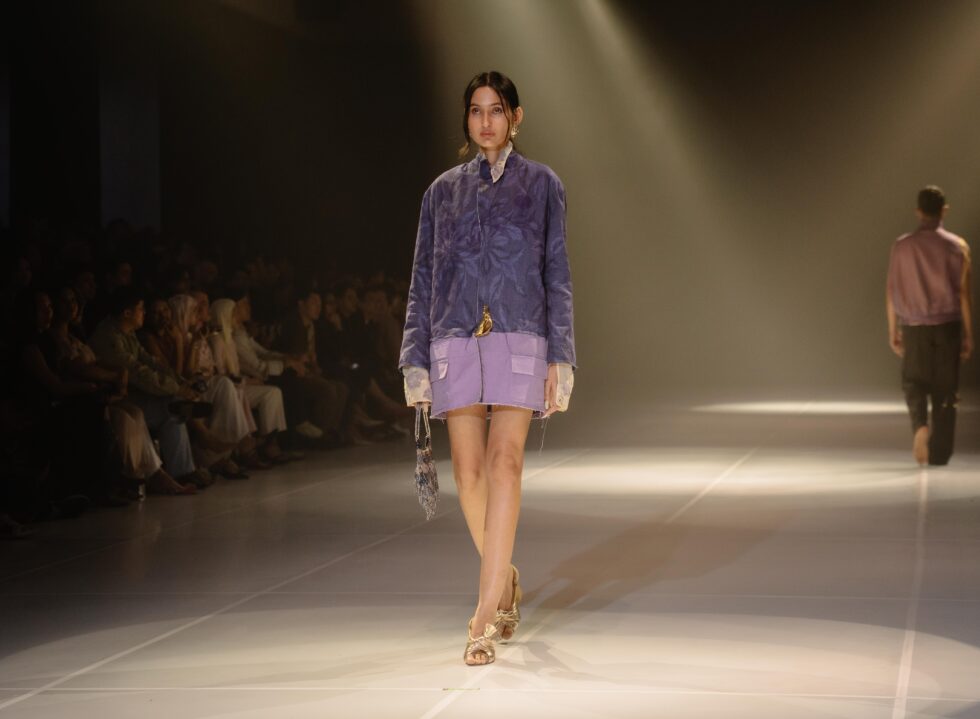
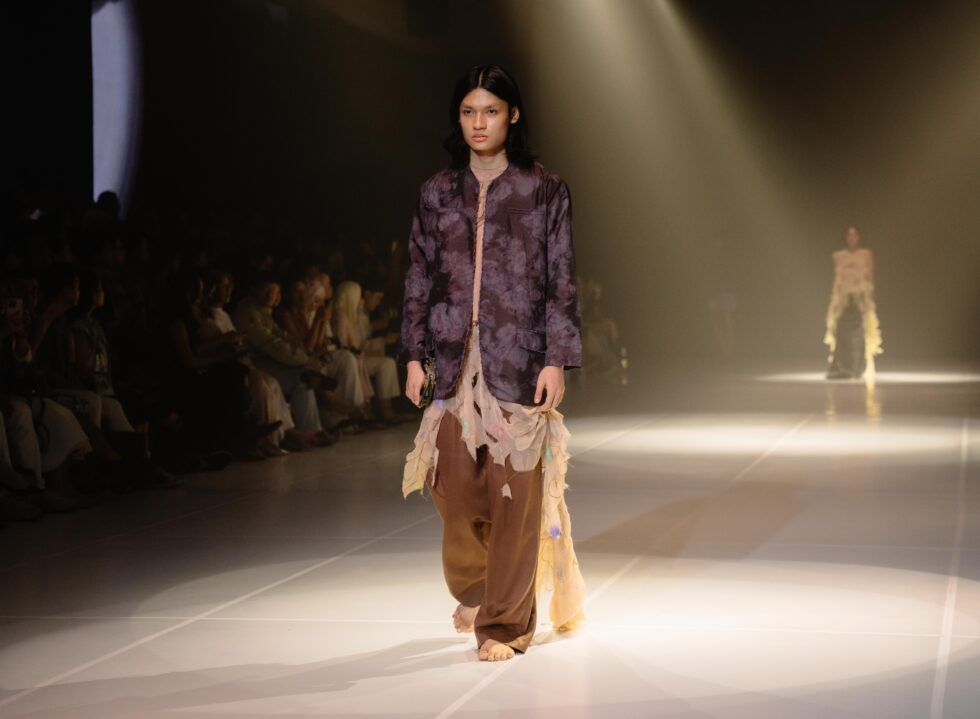
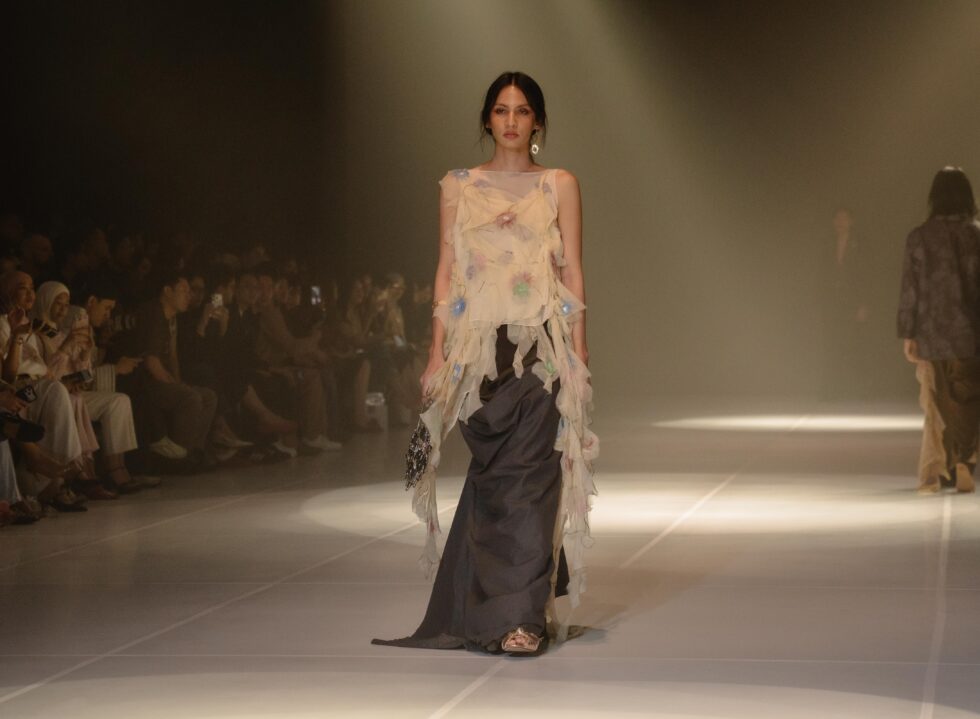
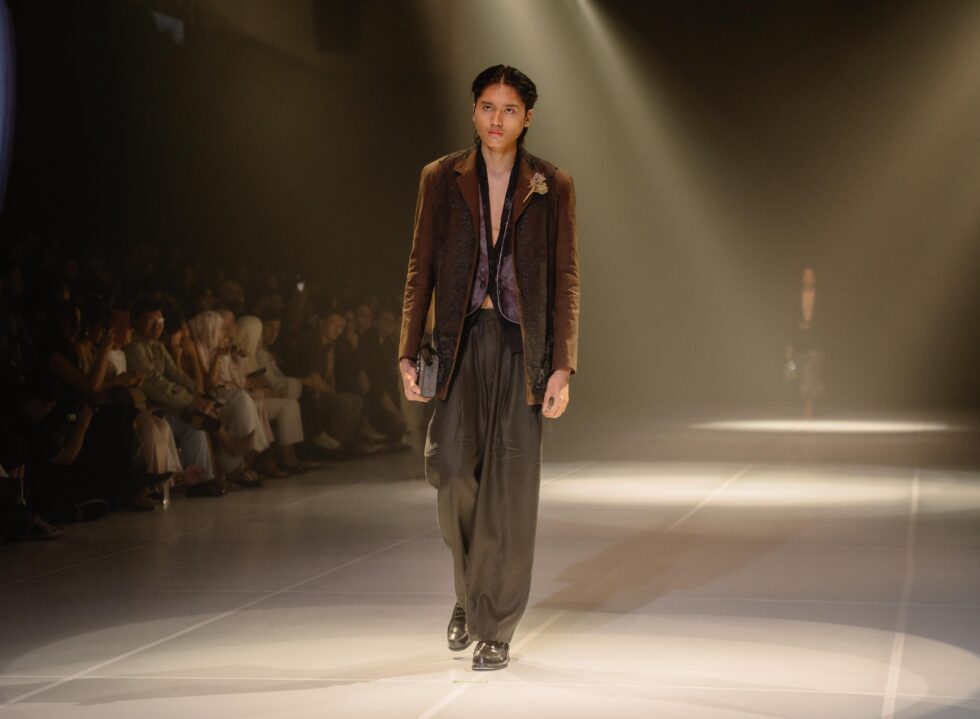
Dery Rizkianto is still a relatively new name on the Indonesian fashion scene, but he has been steadily establishing his presence with work that offers a convincing proposition for breathing new life into traditional textiles through sharp, precise tailoring. His previous collection, in which he painstakingly constructed suits using traditional textiles, panel by panel, was particularly invigorating. It displayed a keen sense of balance, using heritage fabrics and precise tailoring to convey a sense of sexiness.
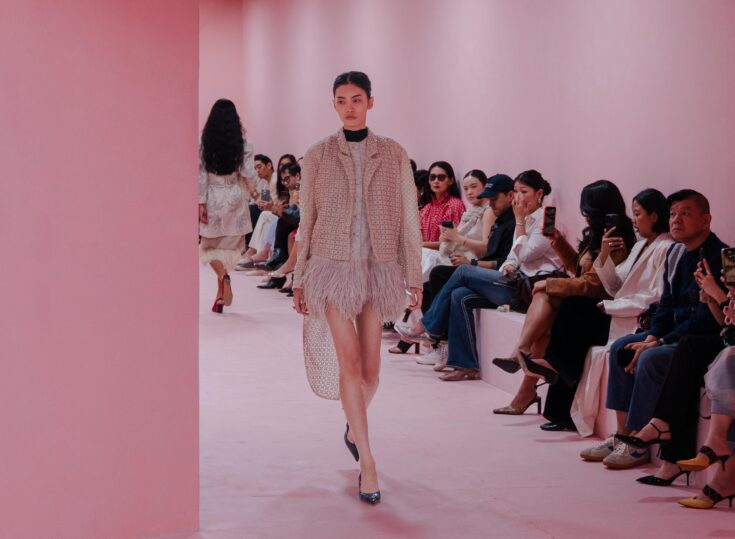
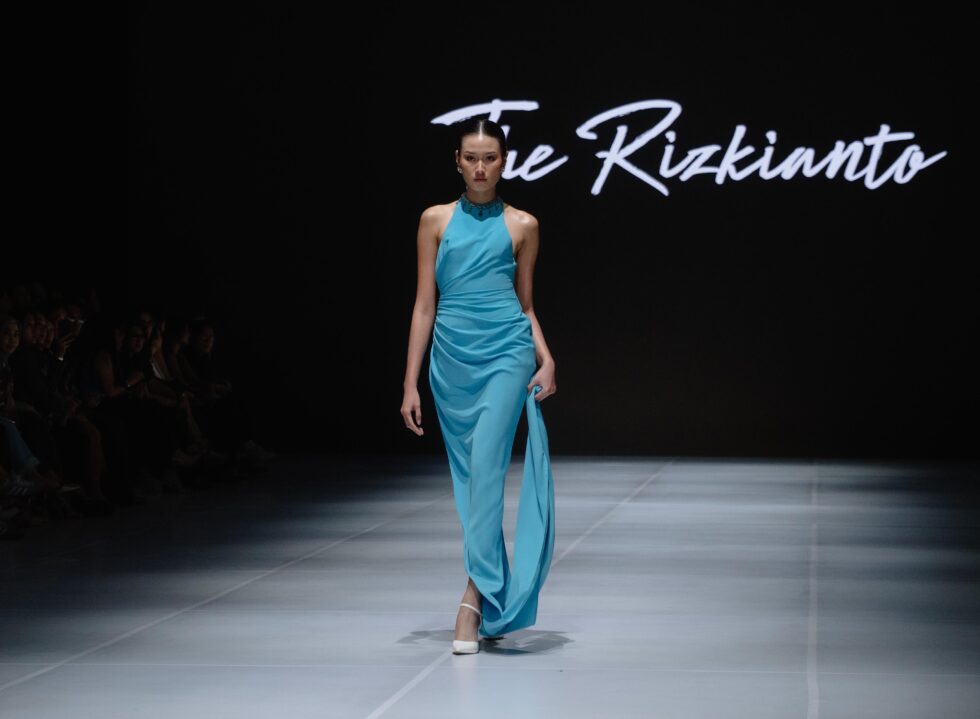
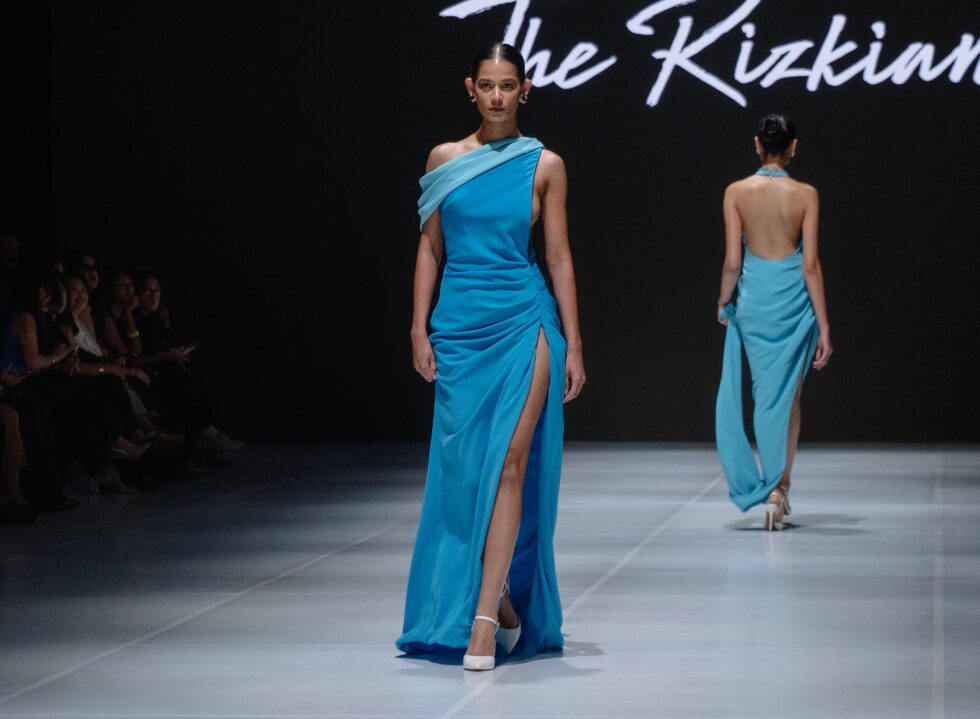
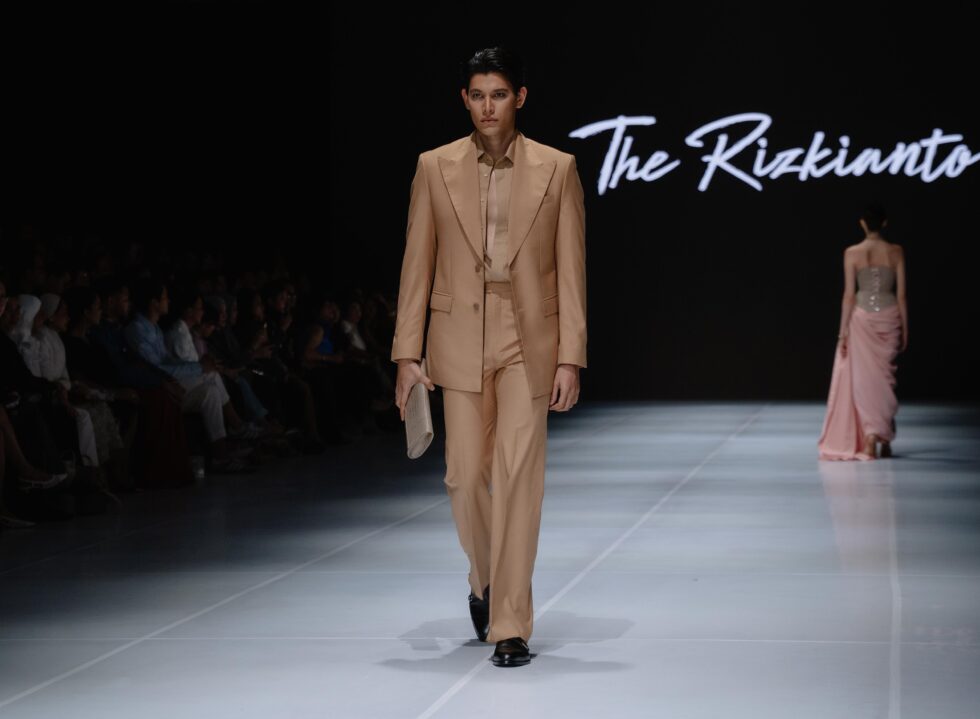
It worked wonderfully because there was tension: old and new, serious and sexy, fresh and considered. Much of that was missing from his show at Jakarta Fashion Week. Dery sent out beautiful gowns that did what they were supposed to do. He has quickly built a following among celebrities and socialites with a penchant for dramatic silhouettes and daring, skin-baring cuts. A vivid turquoise gown embraced the body with an asymmetrical construction, a one-shoulder neckline and a high slit. In another look, a sharply constructed jacket with a plunging neckline featured an exaggerated, petal-like peplum and was worn with streamlined, straight-cut trousers. But the clothes remained stubbornly on the surface. Beautiful to look at, but not much to say.
Celebrities and socialites rarely make for an interesting subject in themselves. What made Dery’s previous collections compelling was the glimpse they offered into the lives of his women, told simply through tailoring and Indonesian heritage textiles. Granted, Dery need not box himself into being a designer who specialises in heritage textiles. But he is certainly capable of more than just “gowns, beautiful gowns”.
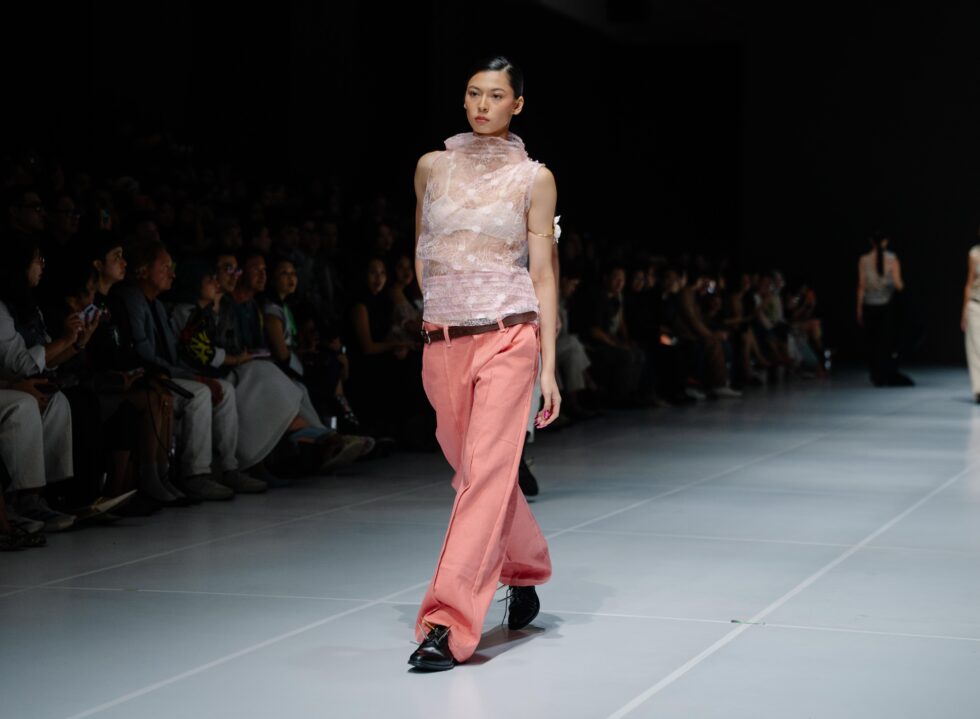
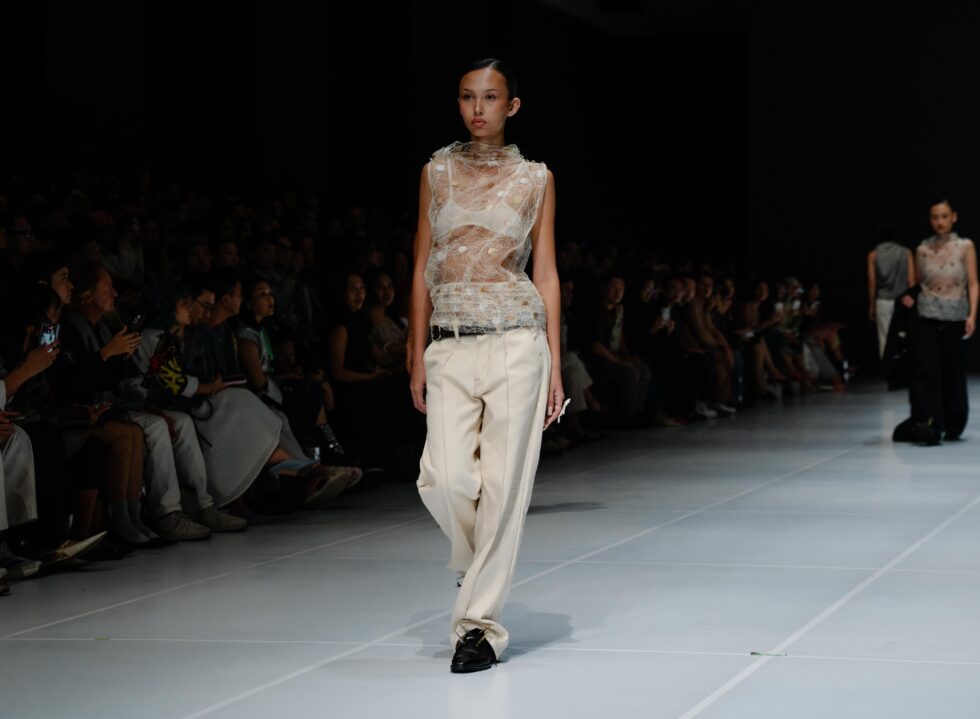
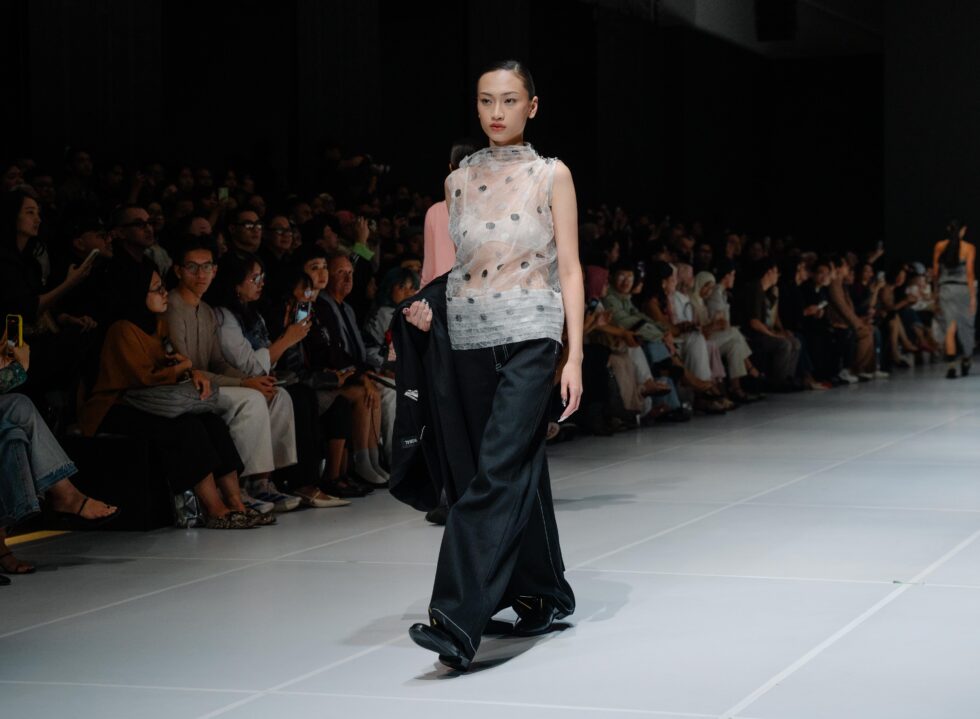
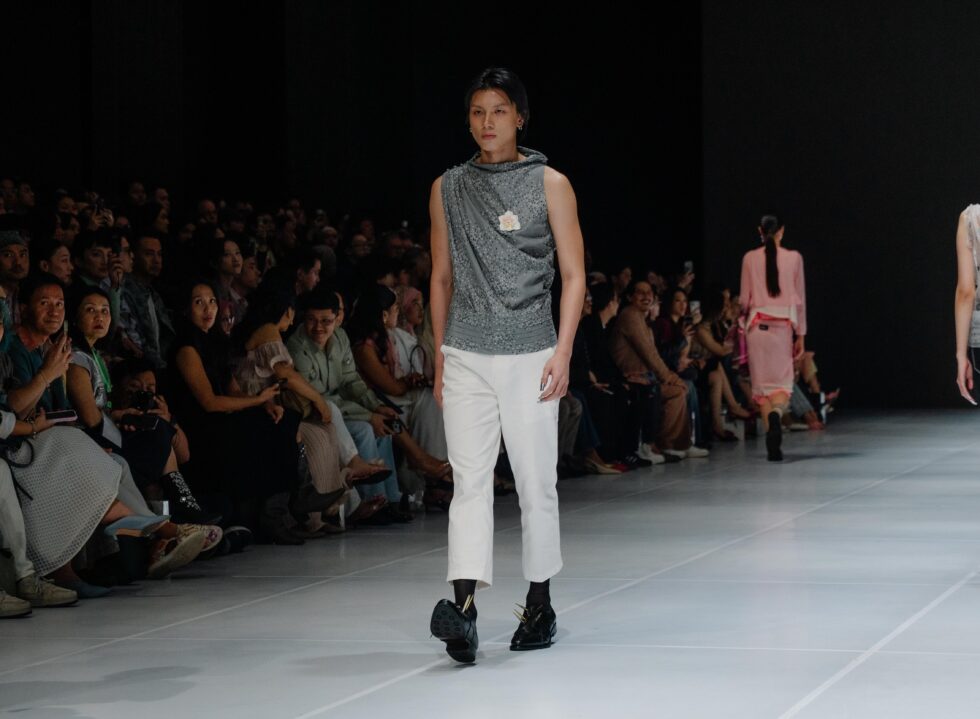
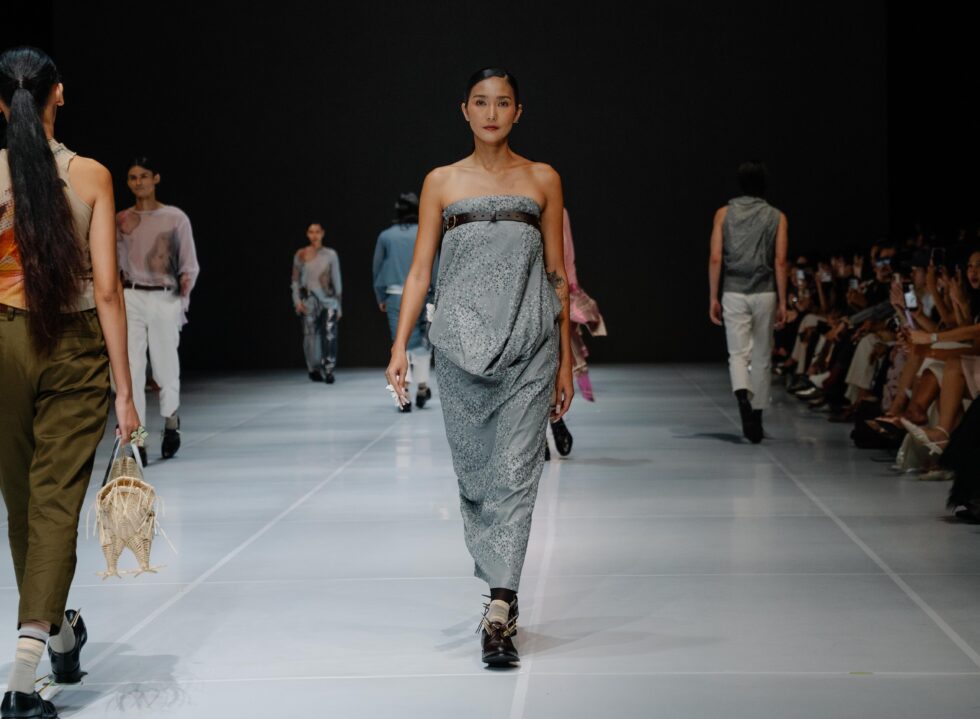
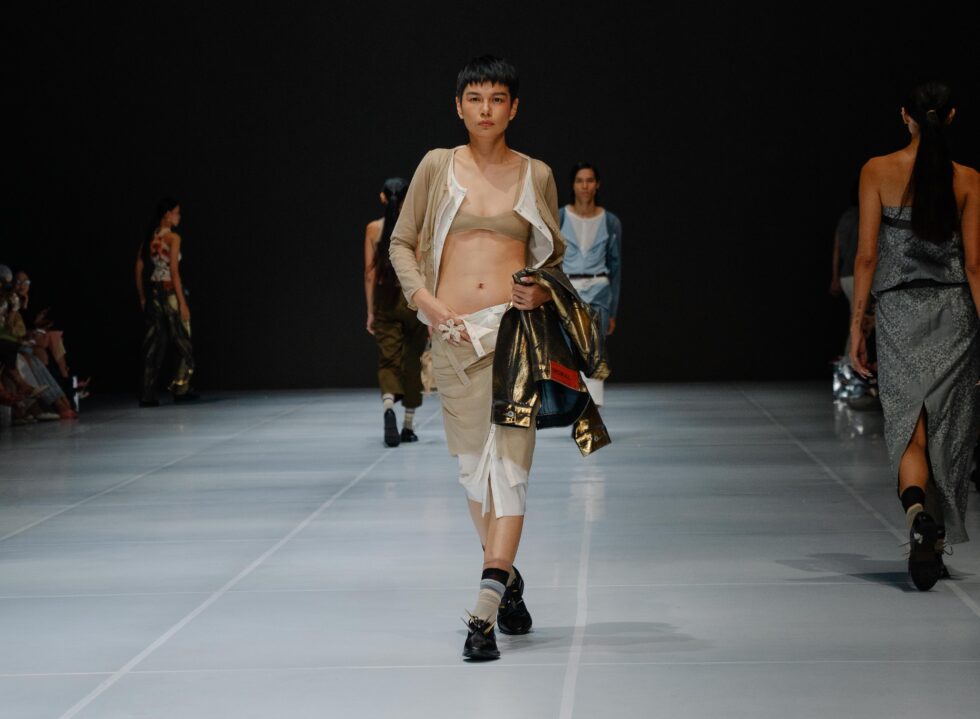
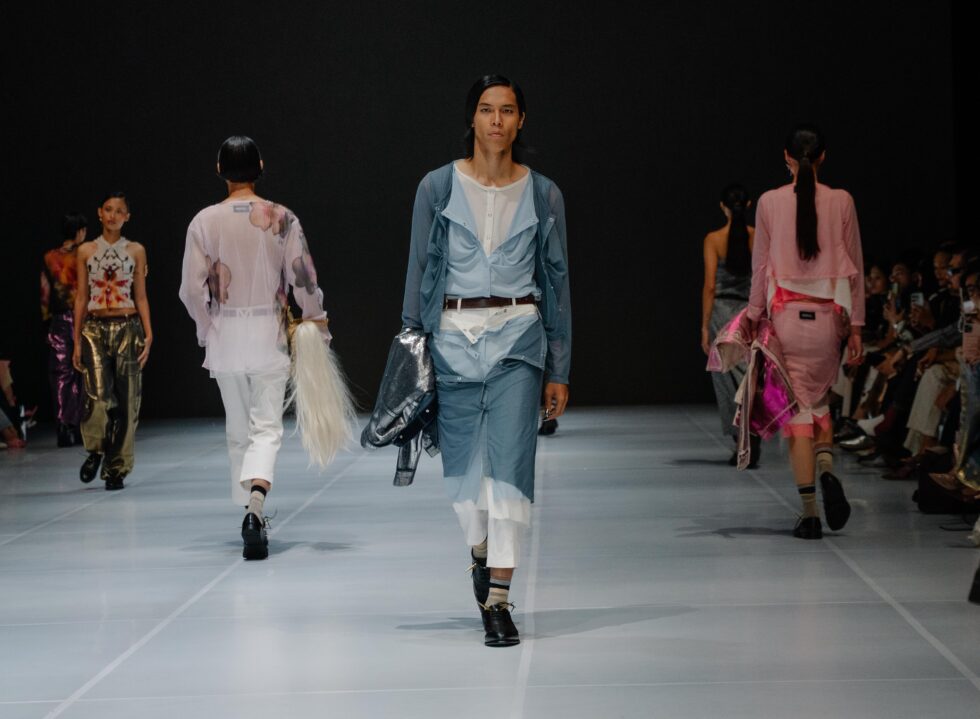
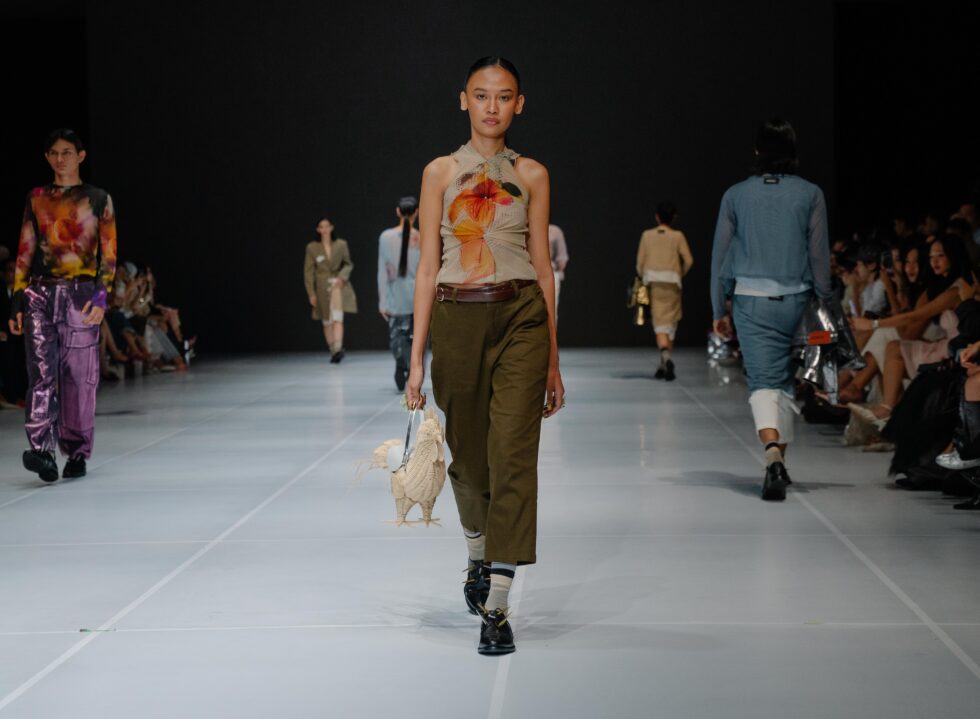
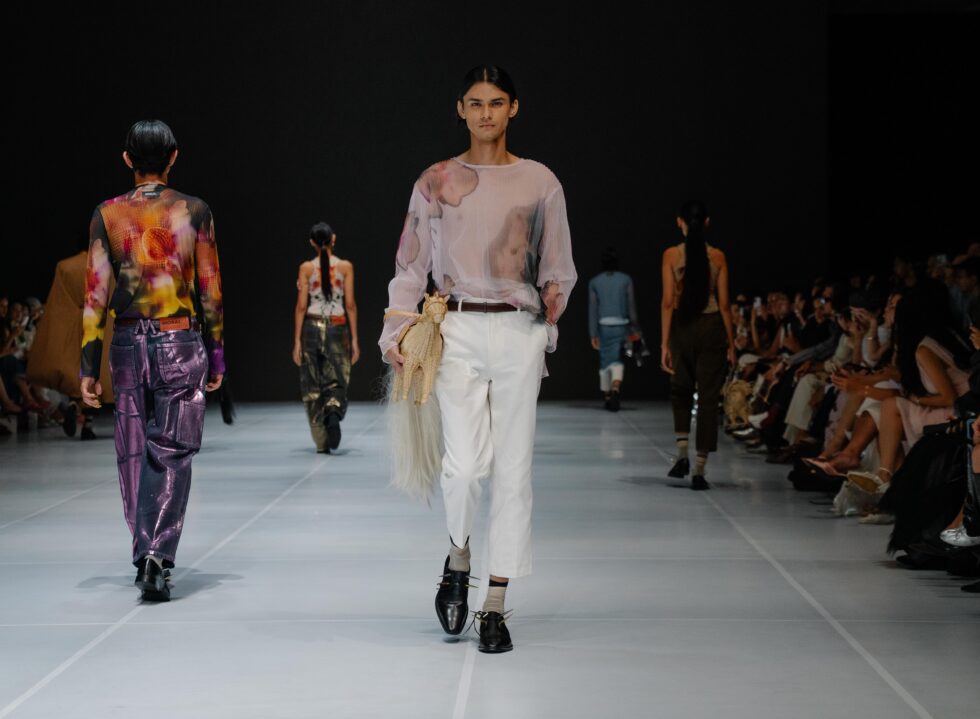
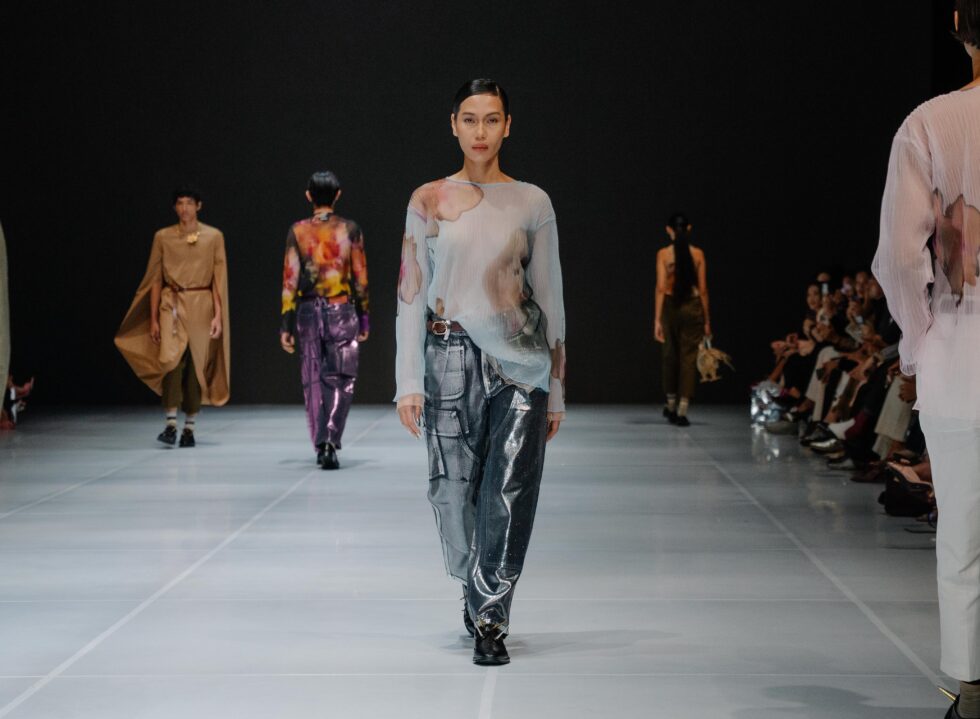
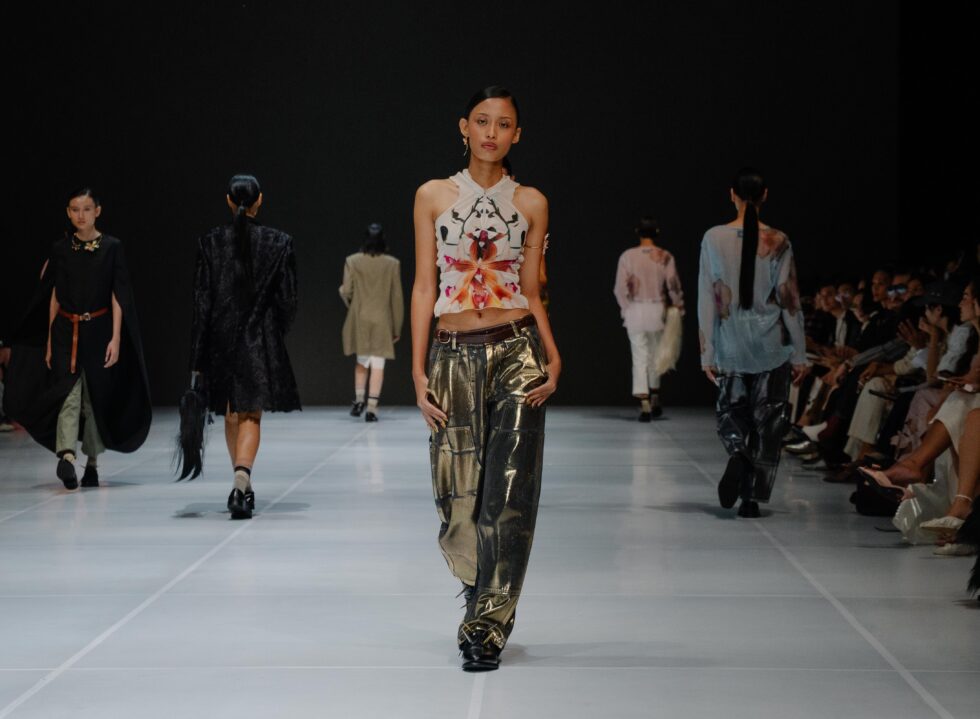
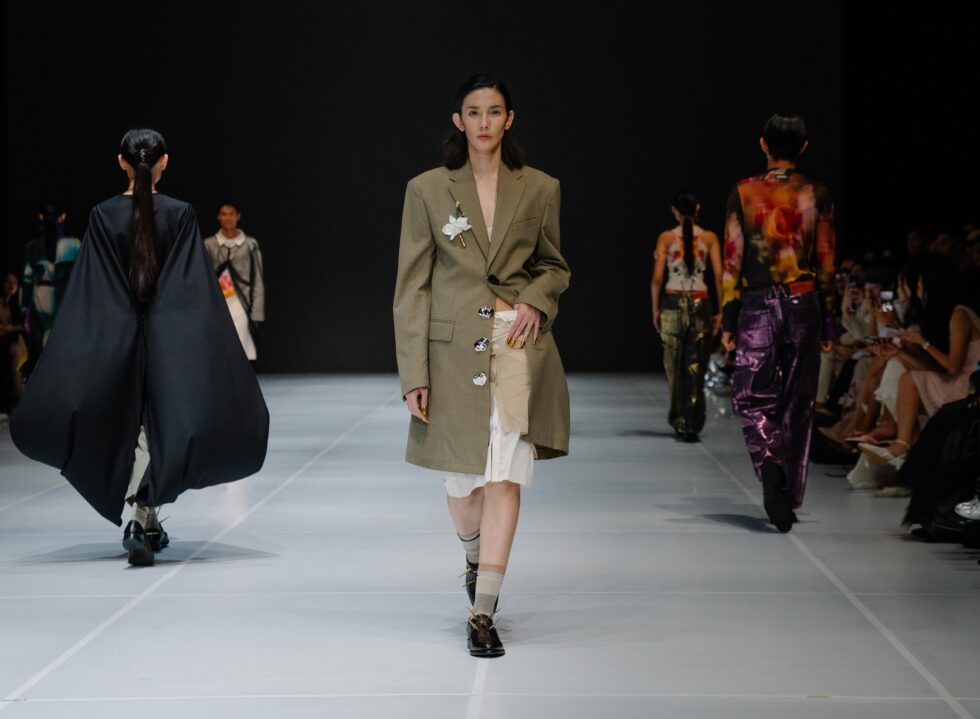
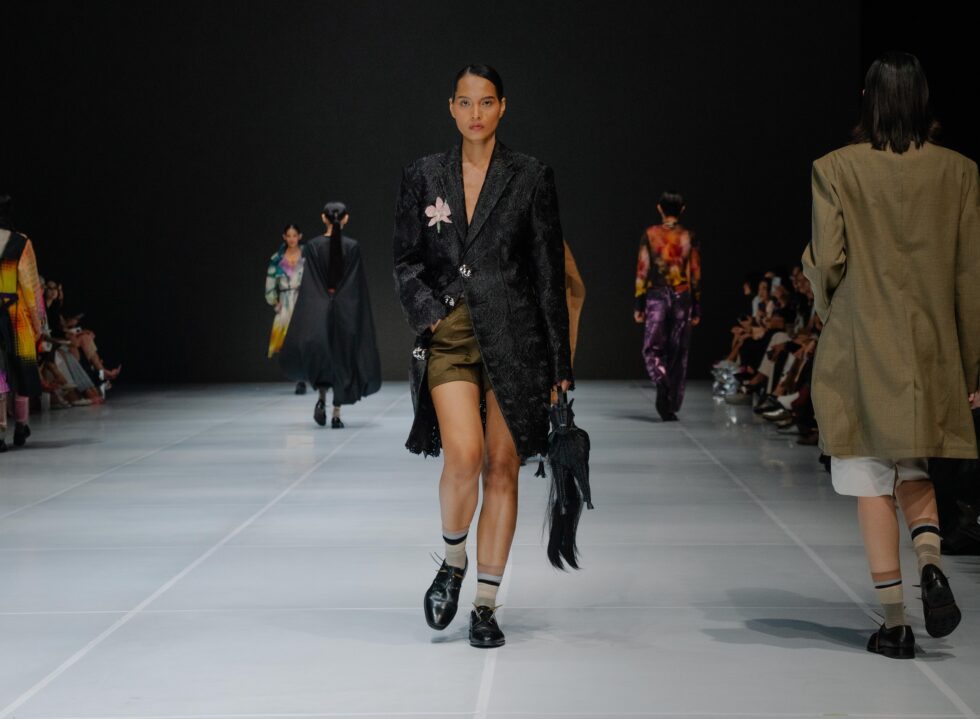
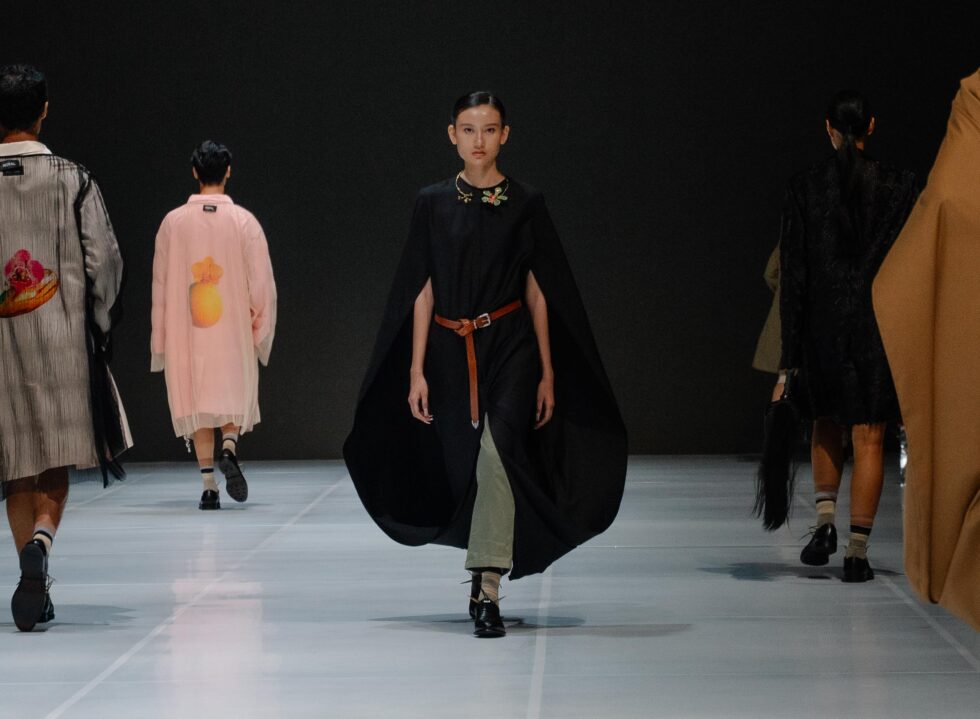
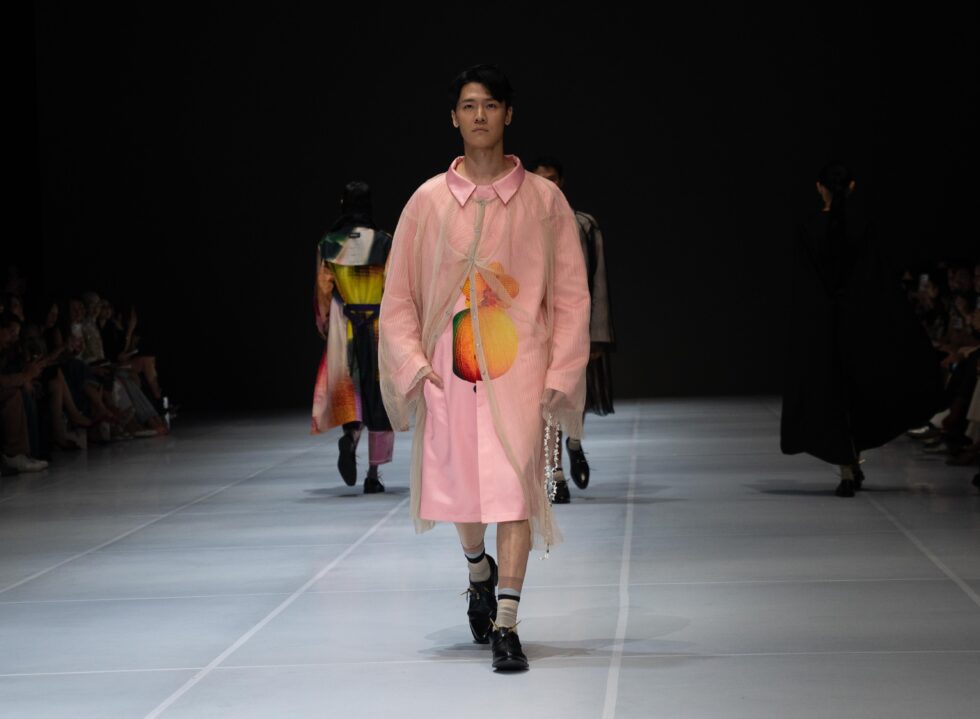
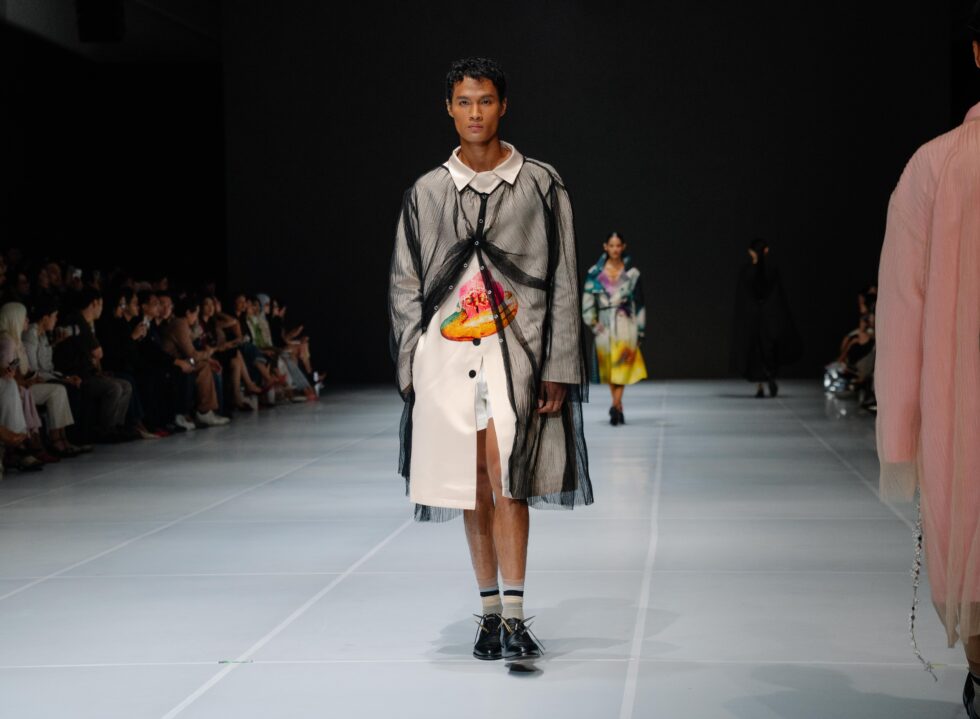
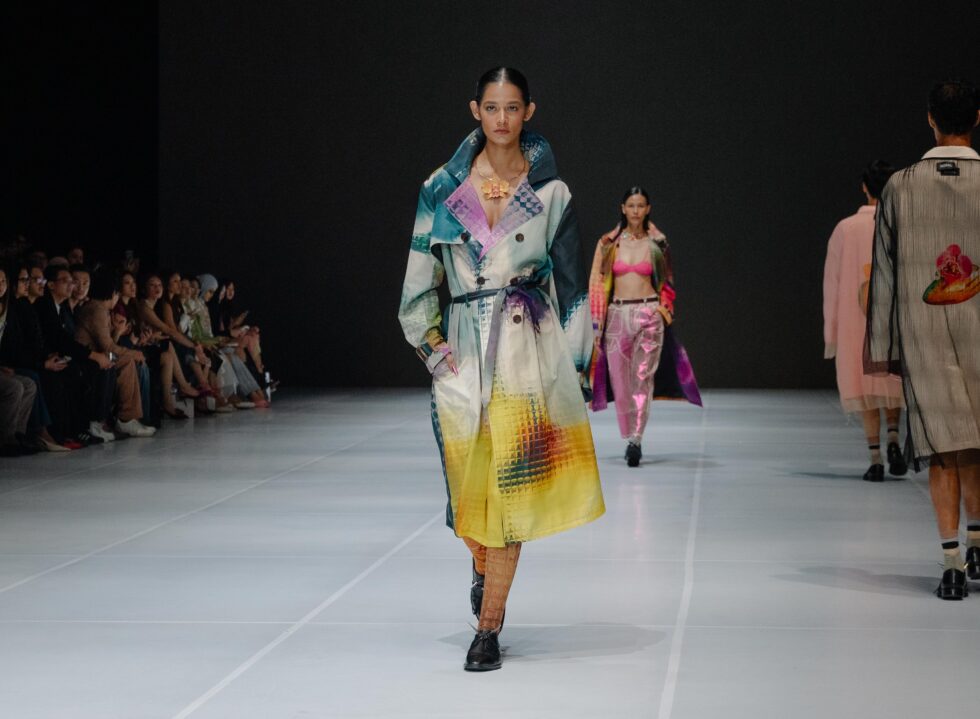
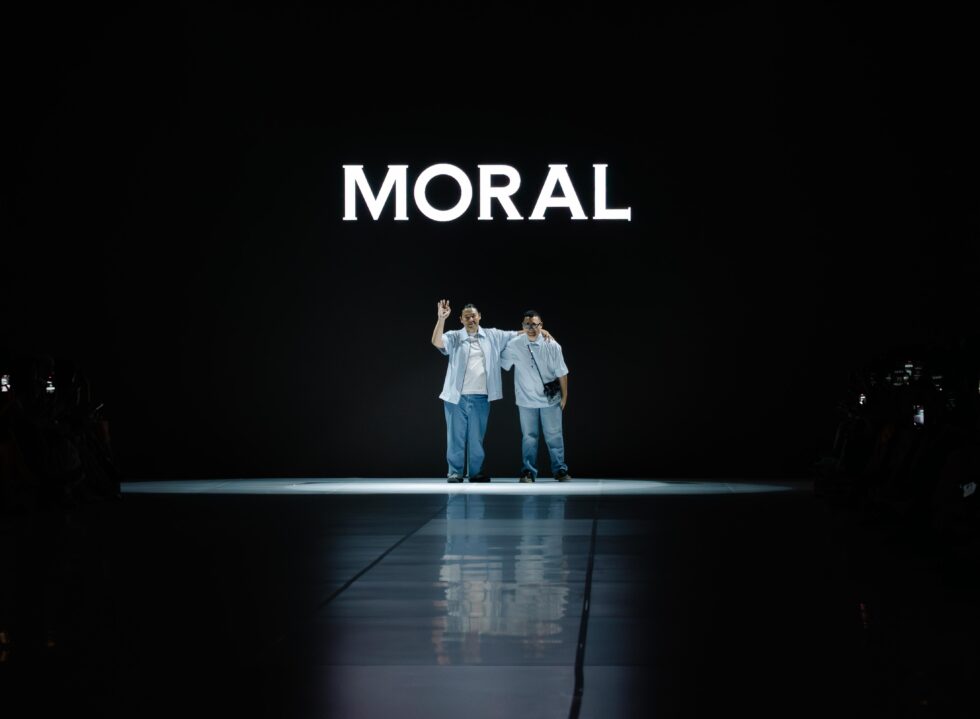
It can be surprising what a brand can achieve when it isn’t too occupied with being cool or trying too hard to be edgy. Andandika Surasetja and Radhitio Anindhito of MORAL turned their attention to the cityscape, drawing from a particular feeling of being in the city. It is a subject that many can relate to, with all the joy, exhaustion and small absurdities that come with everyday urban life.
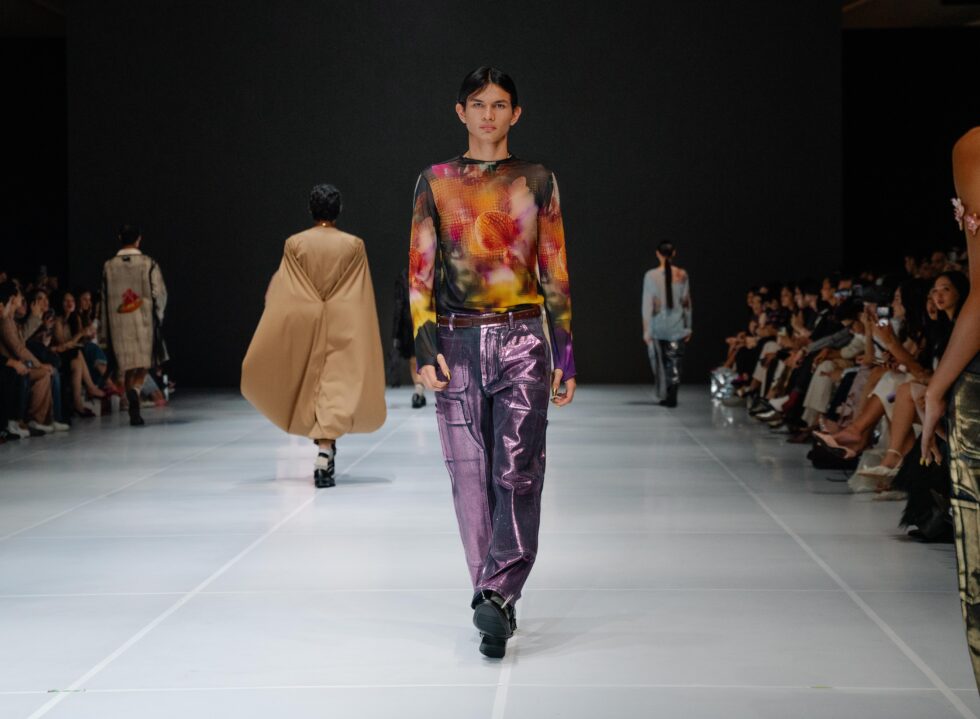
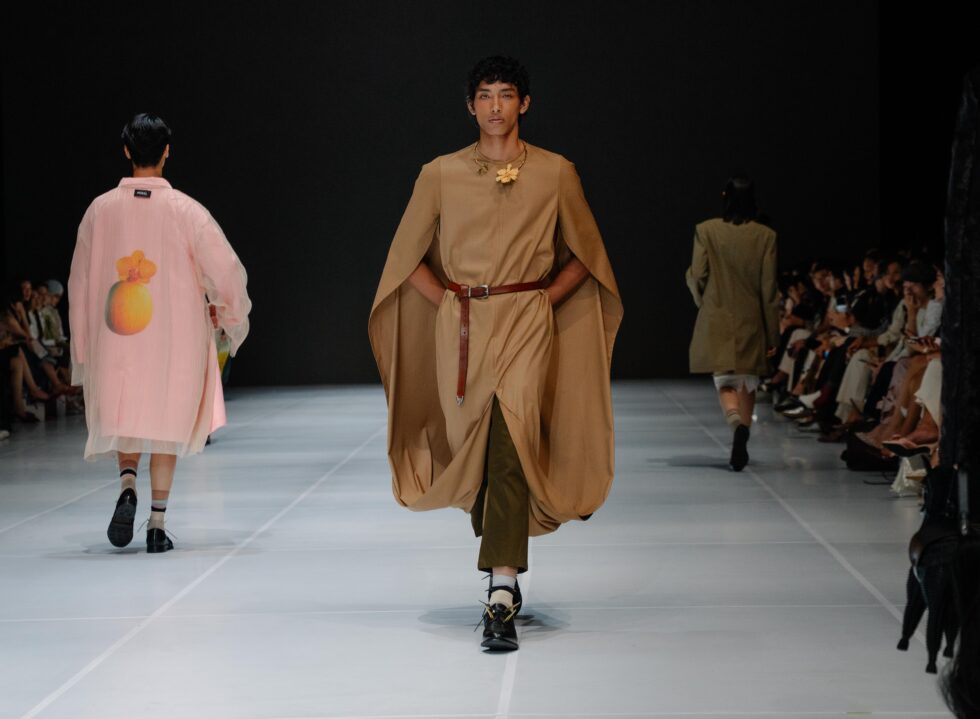
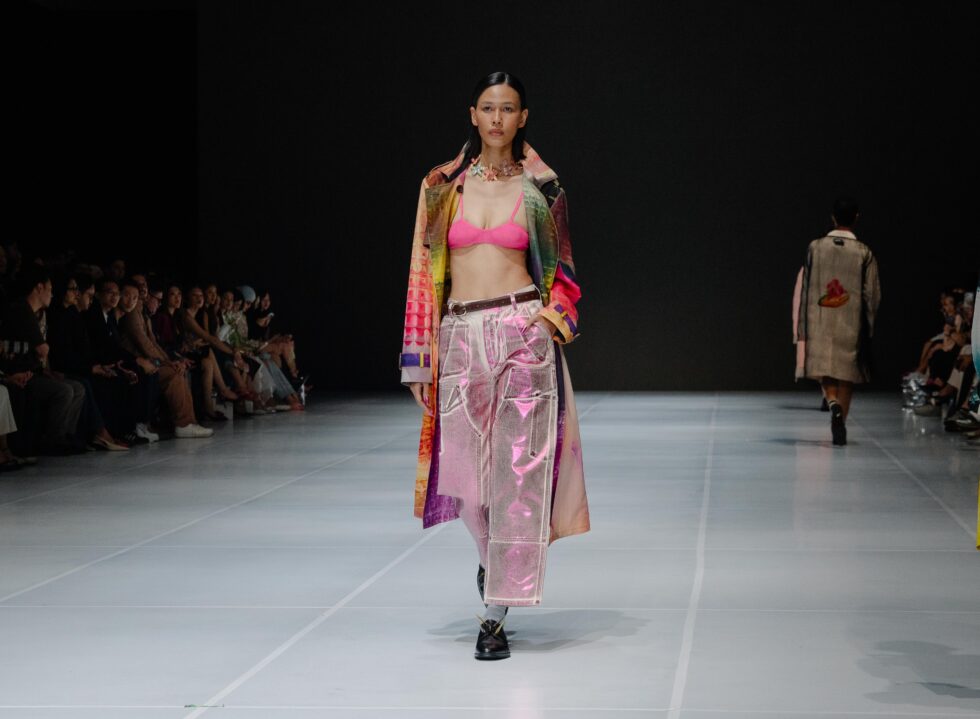
The strongest looks were those that carried this idea of the cityscape. Sheer mesh tops with abstract, painterly effects were worn with high-shine, metallic-coated carpenter trousers. The latter brought to mind wet asphalt, soiled by oil discharged onto the road on a rainy day. In another look, an idiosyncratic print of an orchid pinned onto a doughnut on a pink coat read like an absurd Dada collage, but also recalled the peculiar advertisements on billboards that one has grown desensitised to.
This may be MORAL’s mellowest collection to date. But it is all the more inviting when Andandika and Radhitio aren’t too concerned with what their audience might expect of them, and simply choose to follow their gut feelings.
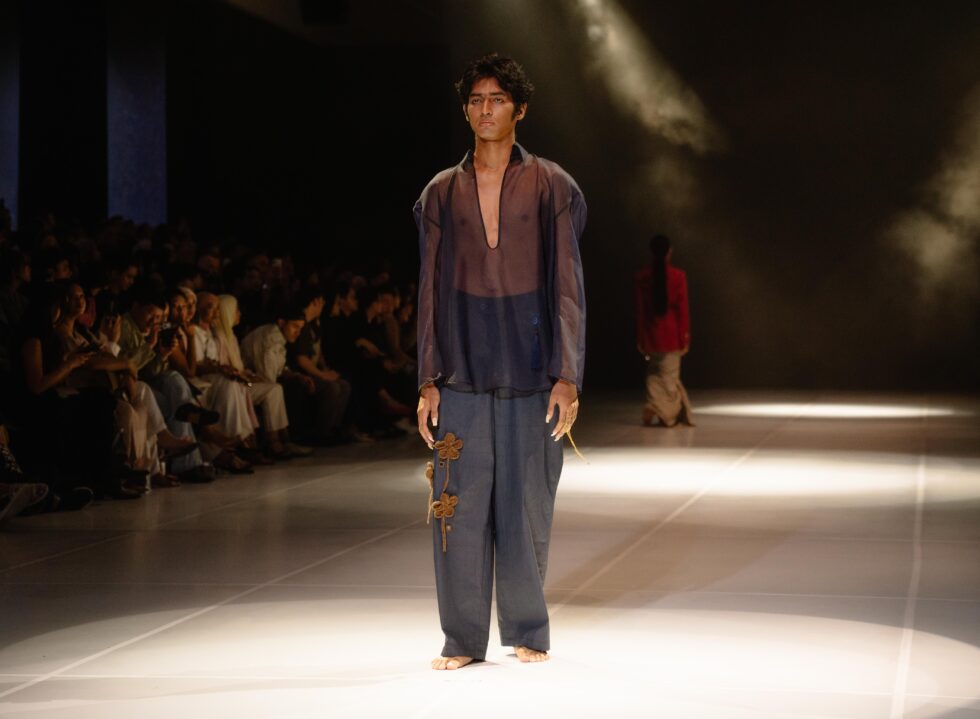
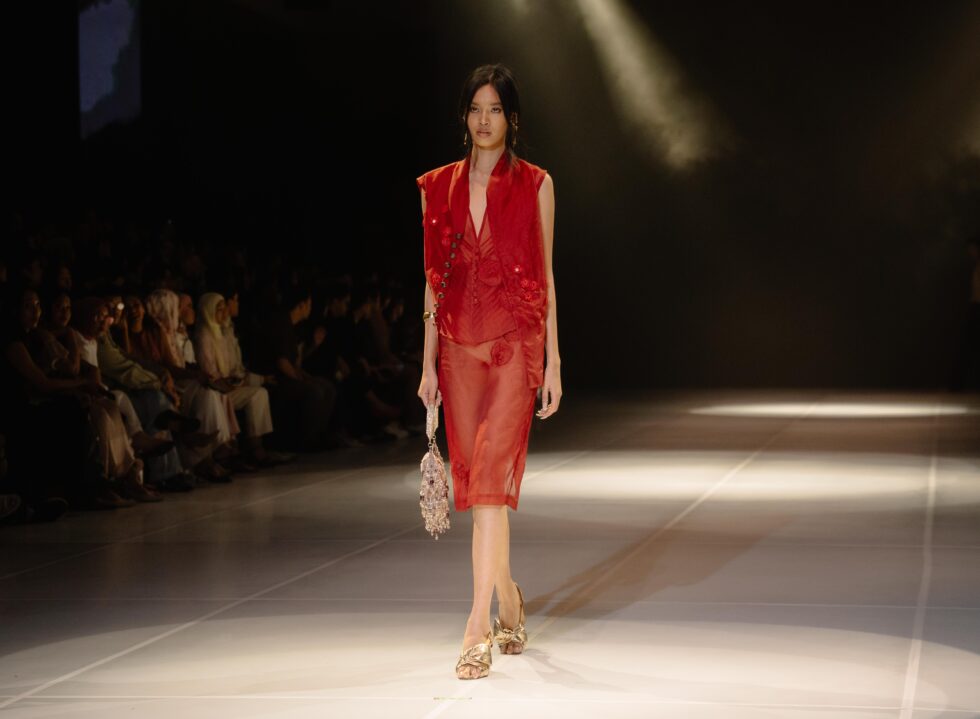
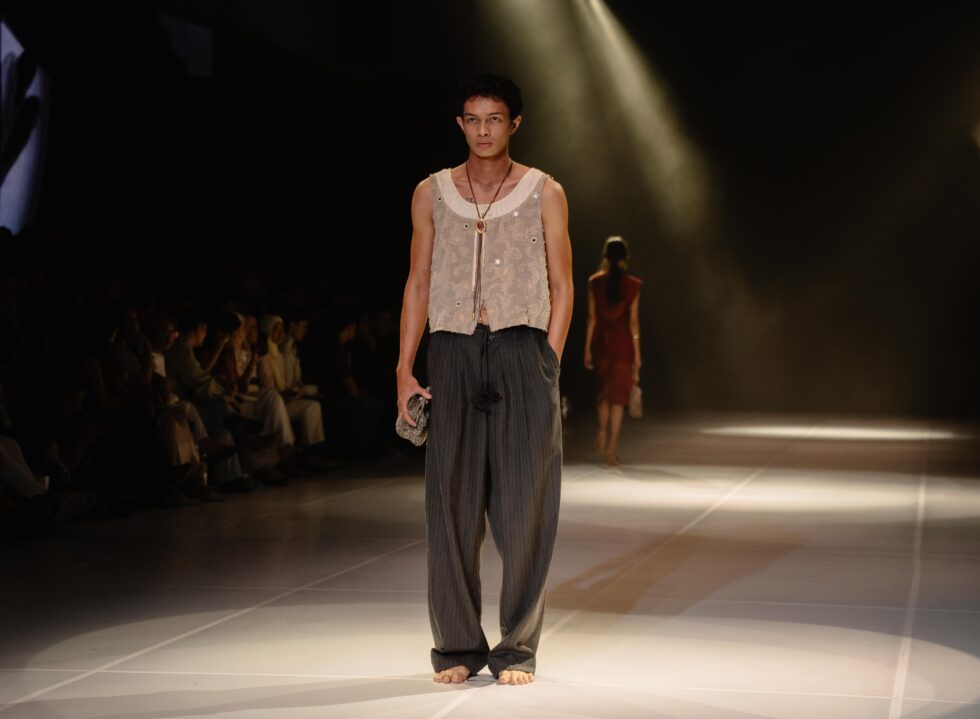
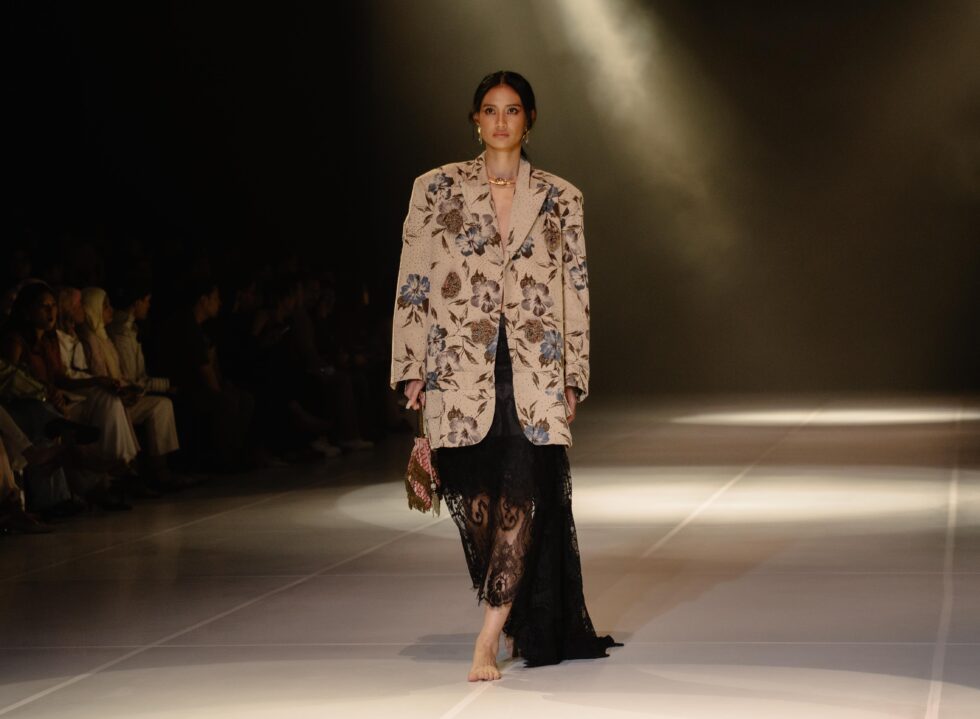
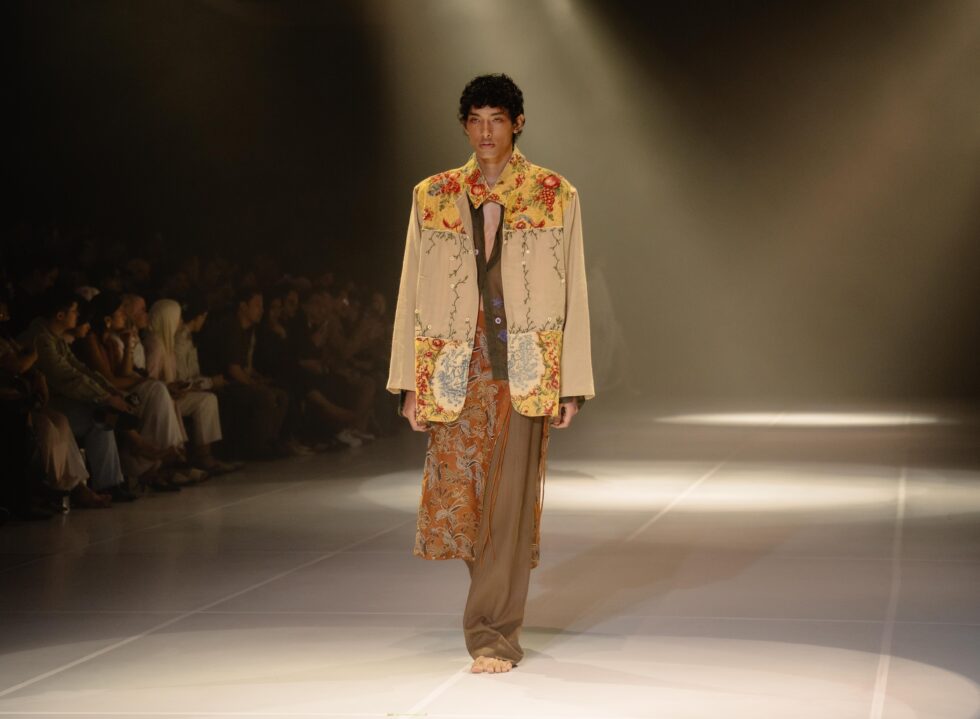
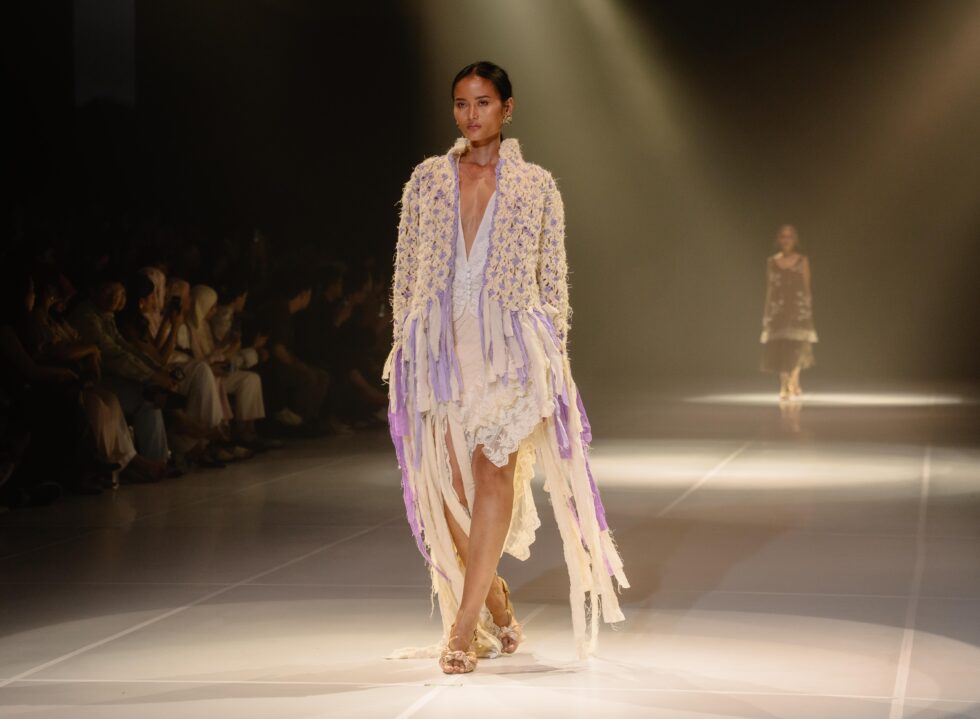
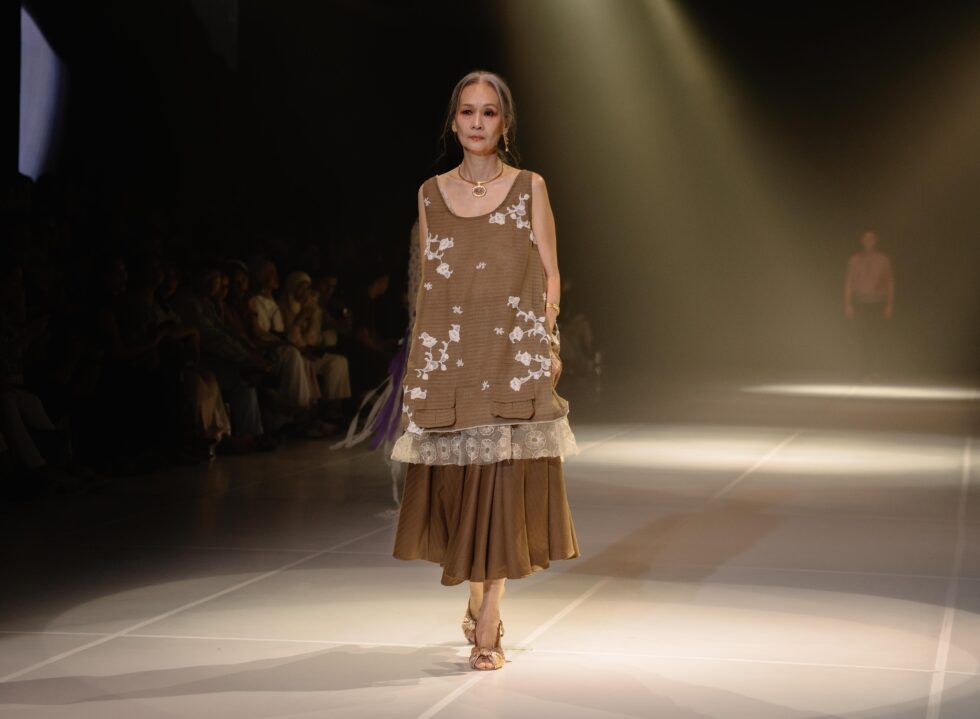
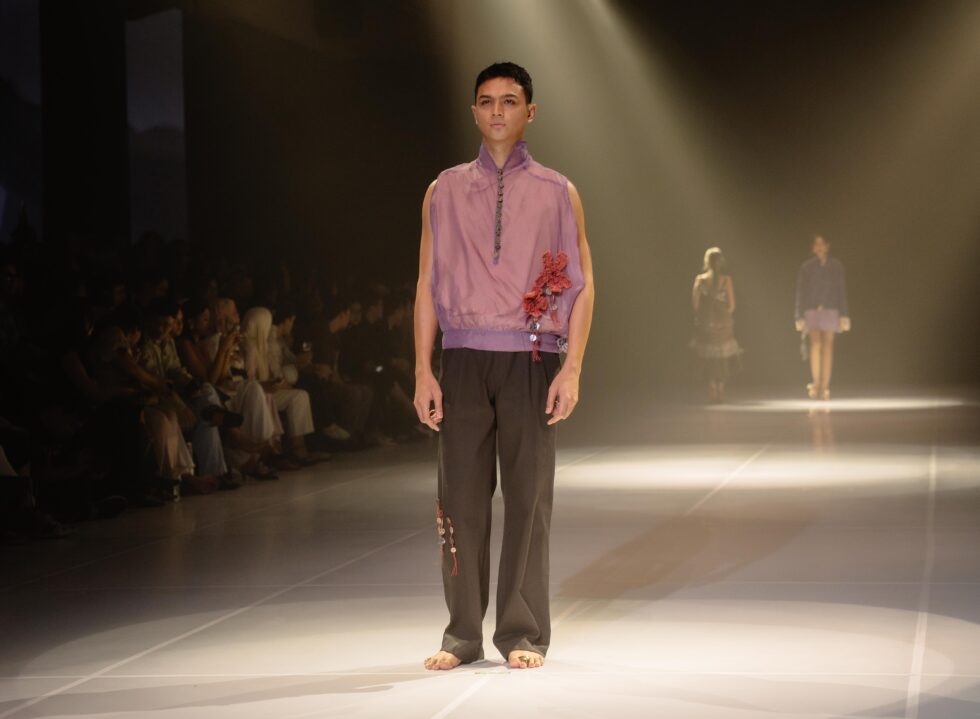
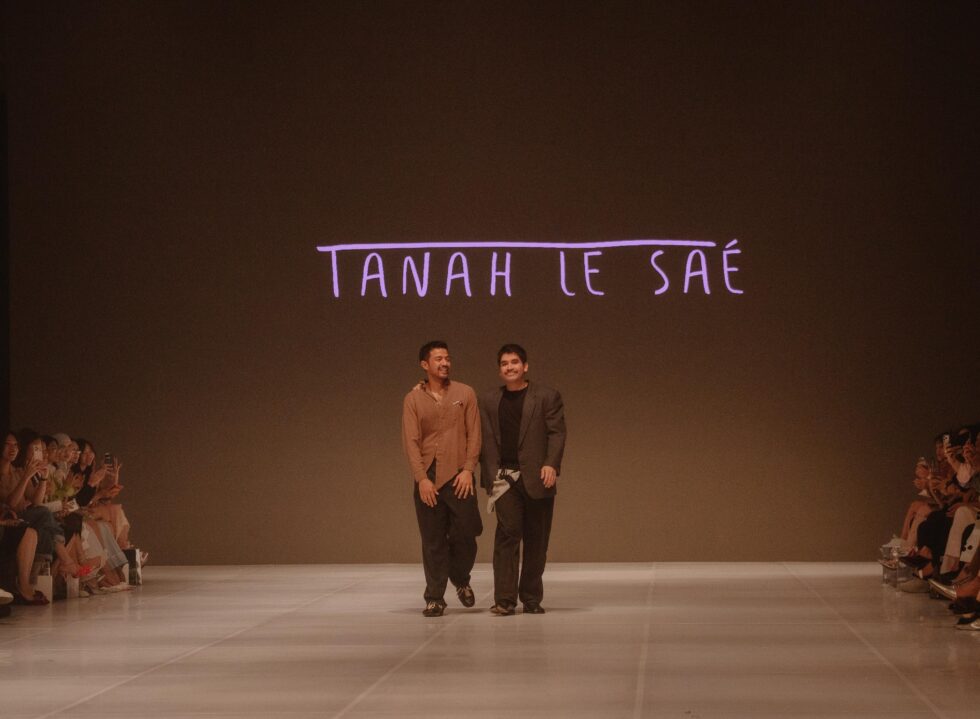
Tanah Le Saé offered another compelling proposition centred on the feeling of longing and the simple comfort of being held. Denniel Richard and Andika Wiradiputra approached the idea through an emphasis on hand-finished details, surface embellishments and layering.
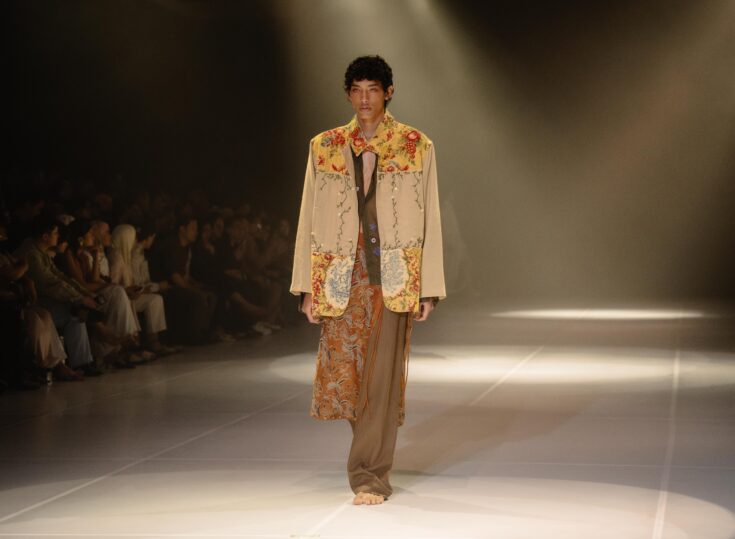
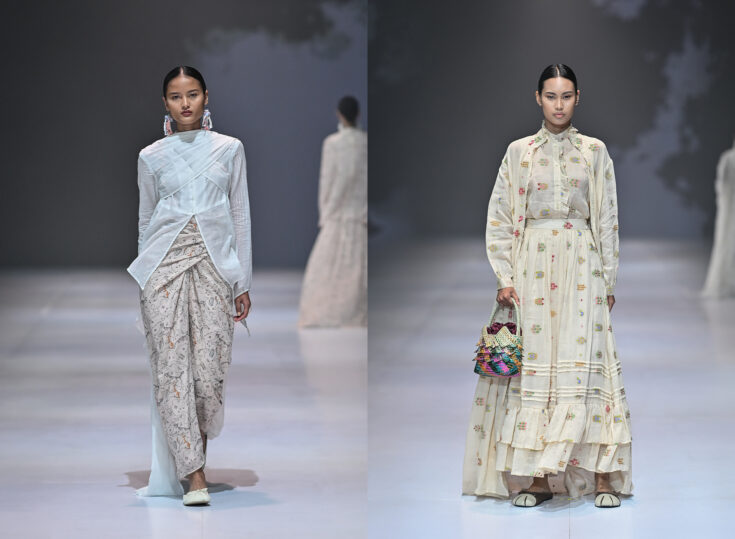
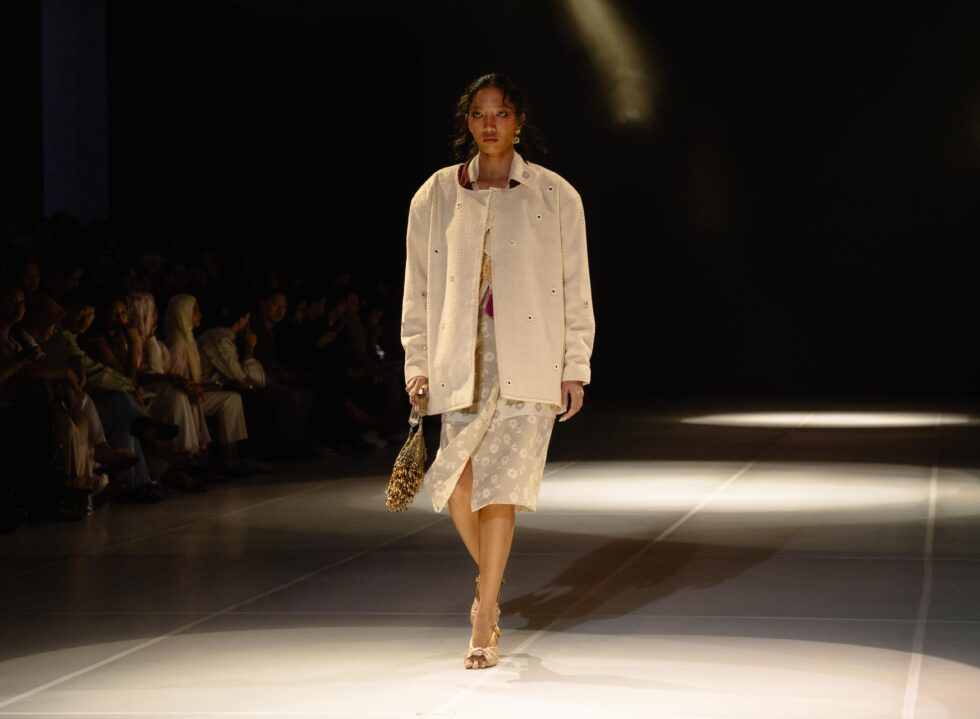
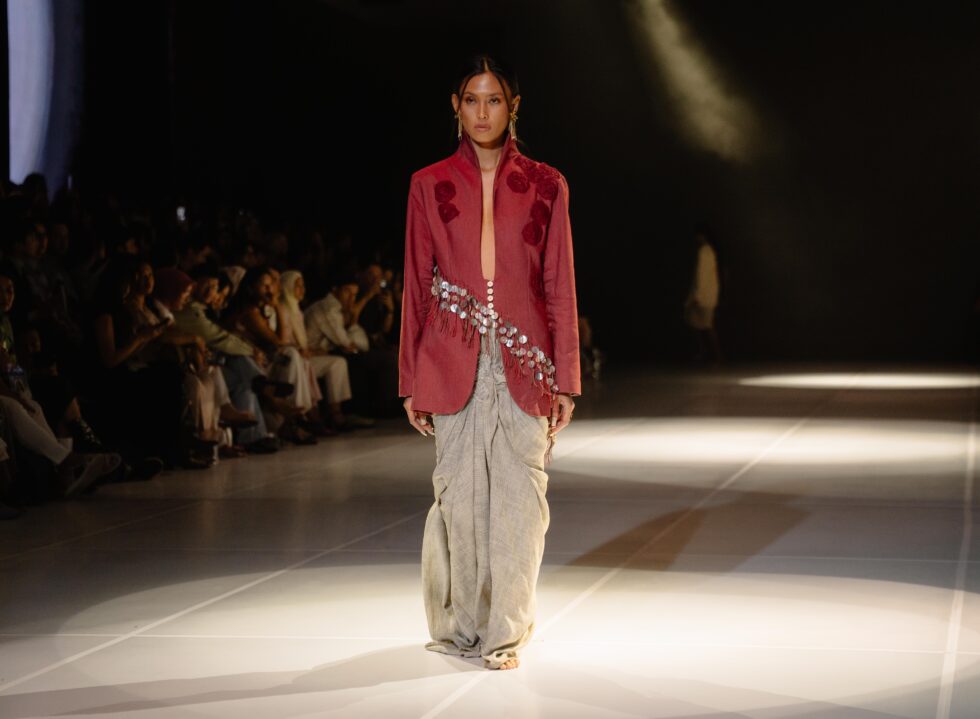
A boxy cream jacket with floral motifs on the shoulder panels, for instance, was accentuated with vine-like embroidery that offered an organic contrast. It was worn with a gauzy black shirt and fluid trousers with a printed wrap panel. A crimson jacket with a standing collar and deep burgundy motifs in raised construction featured rows of mother-of-pearl embellishments running diagonally across the waist.
The collection felt particularly current in the way it tapped into the growing anxiety surrounding fashion consumption. It invites us to take stock of what we already have in our wardrobes as much as it proposes new clothes. There was something persuasive about the idea of making something old feel new again. Something mended, something borrowed and something already owned. Of course, one could simply wear what Tanah Le Saé put out. Often, newness is simply a matter of seeing things in a different light.