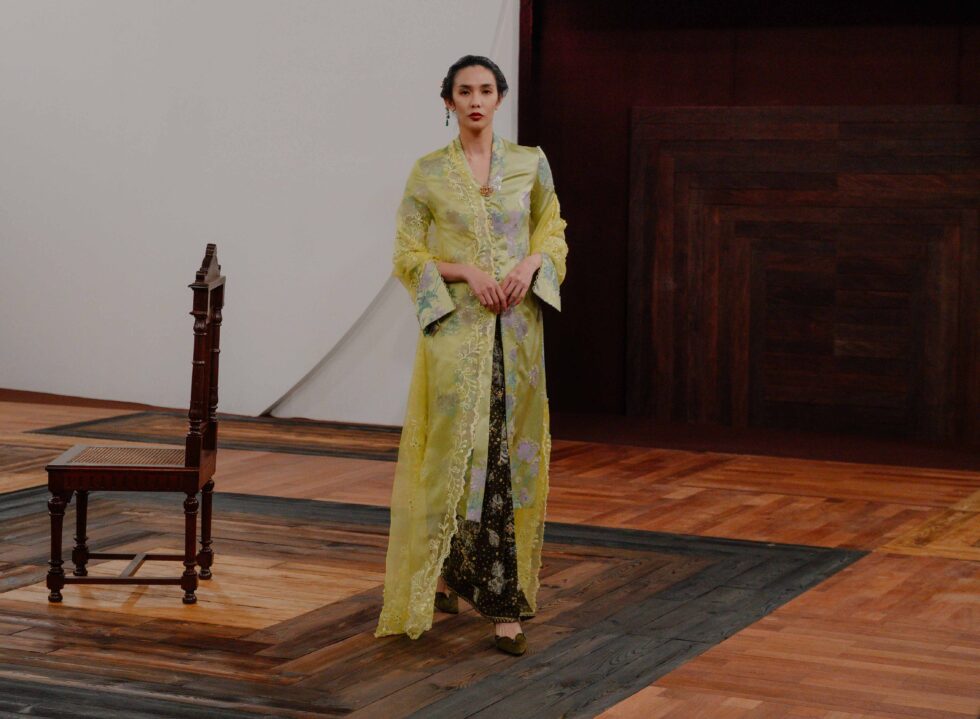
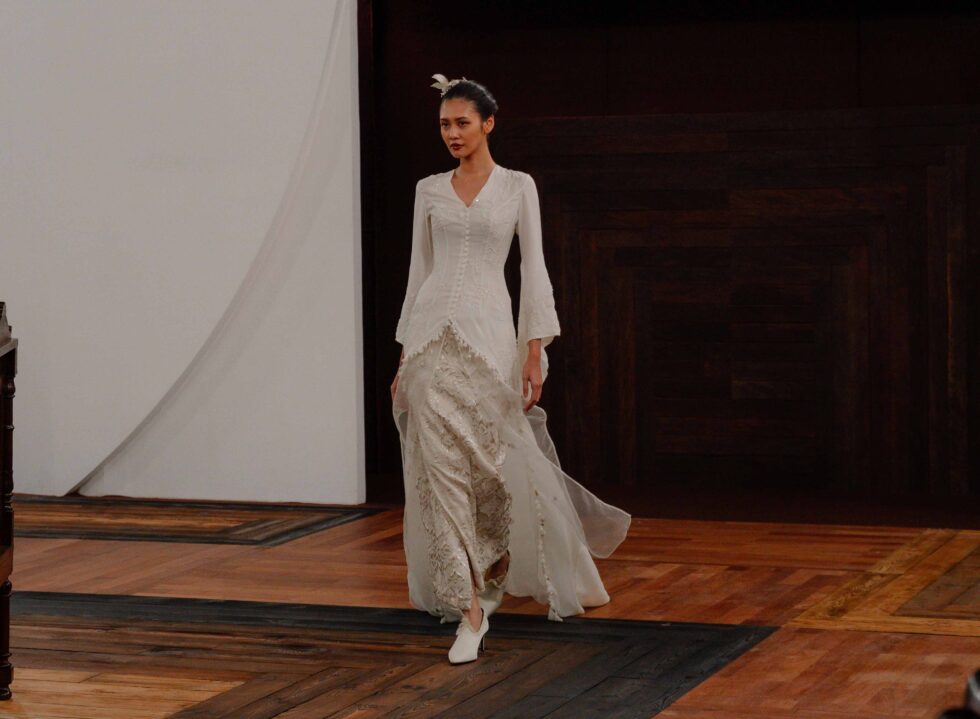
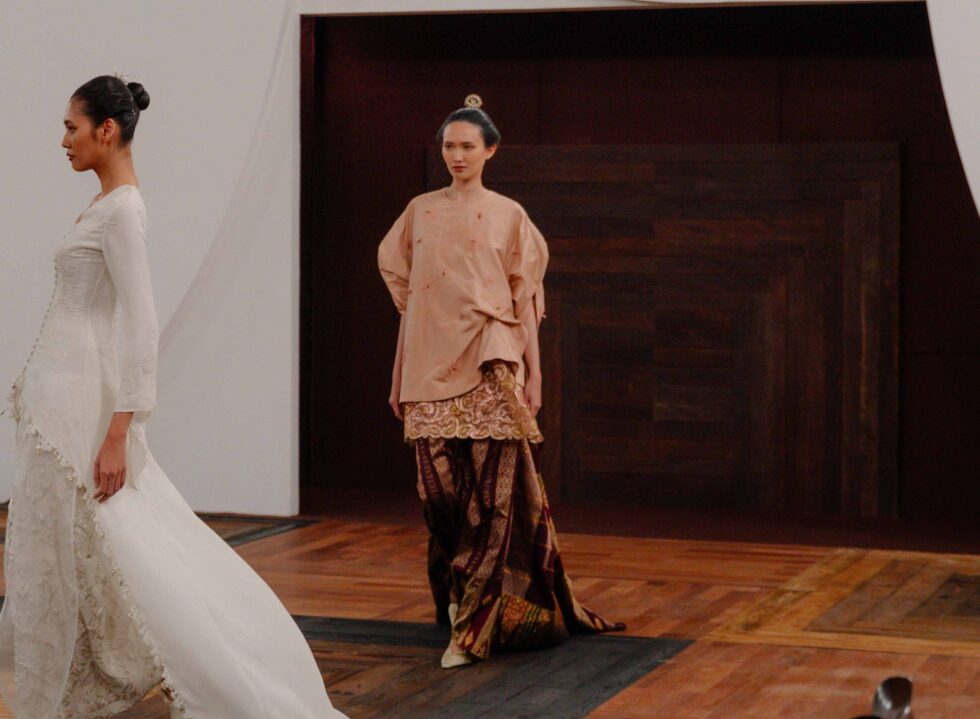
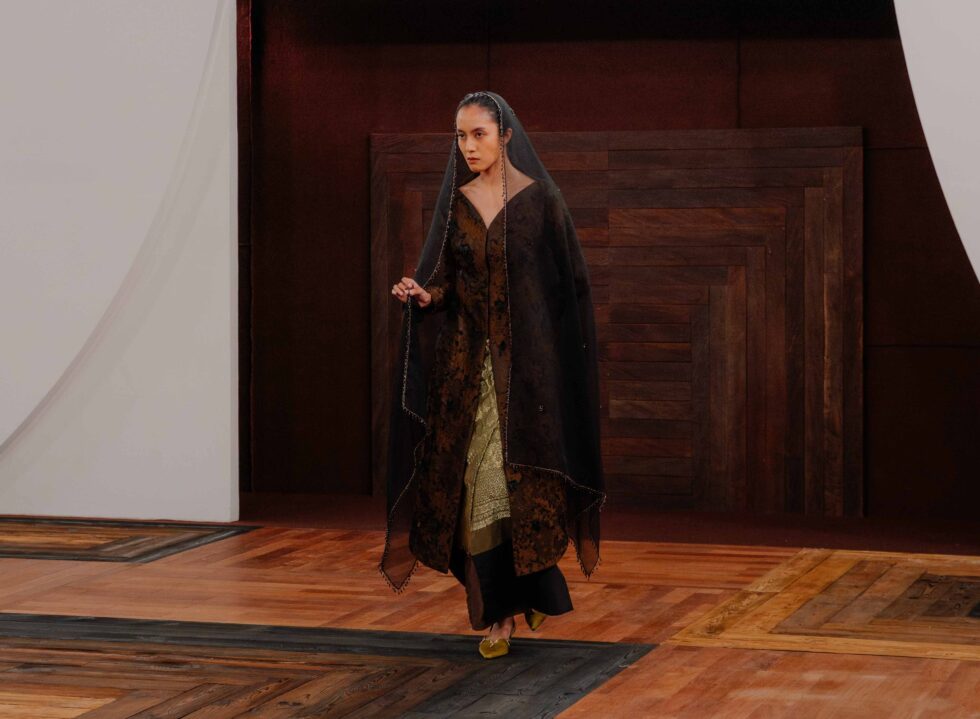
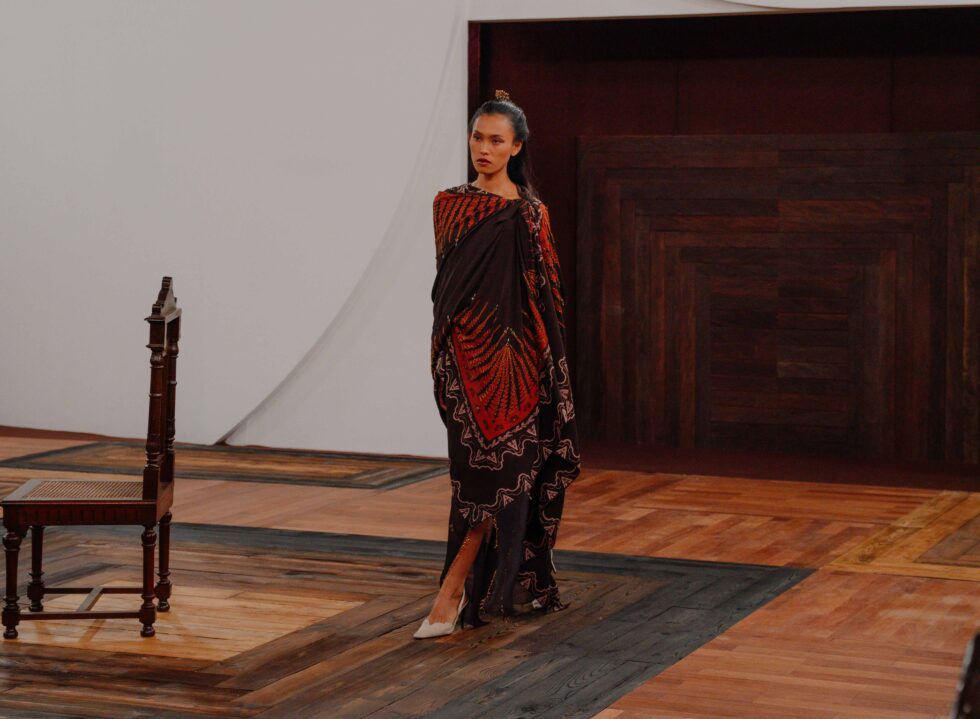
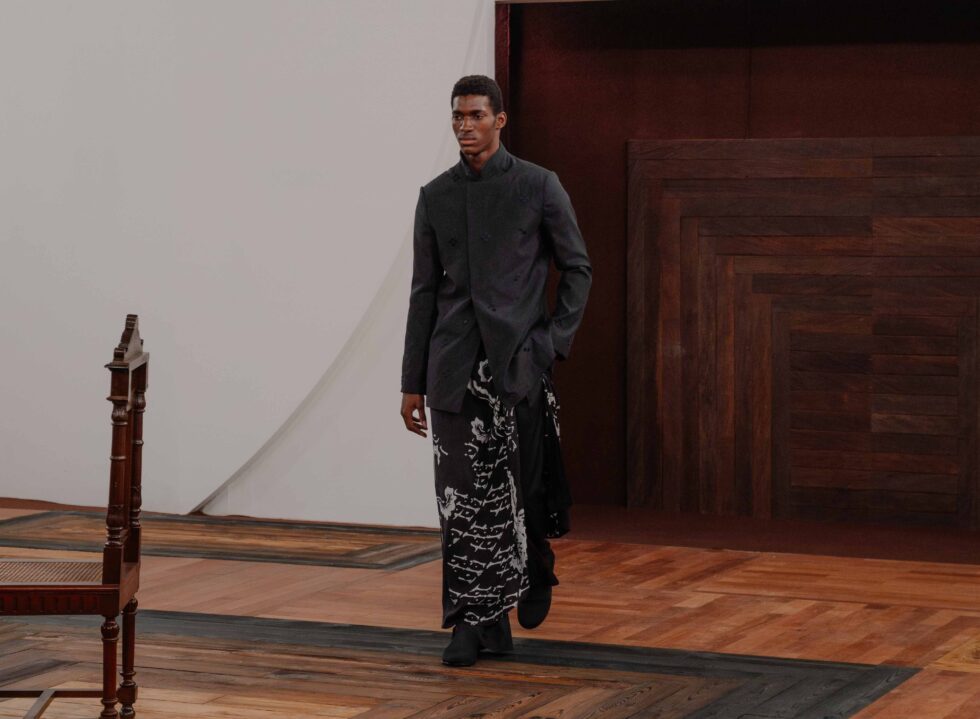
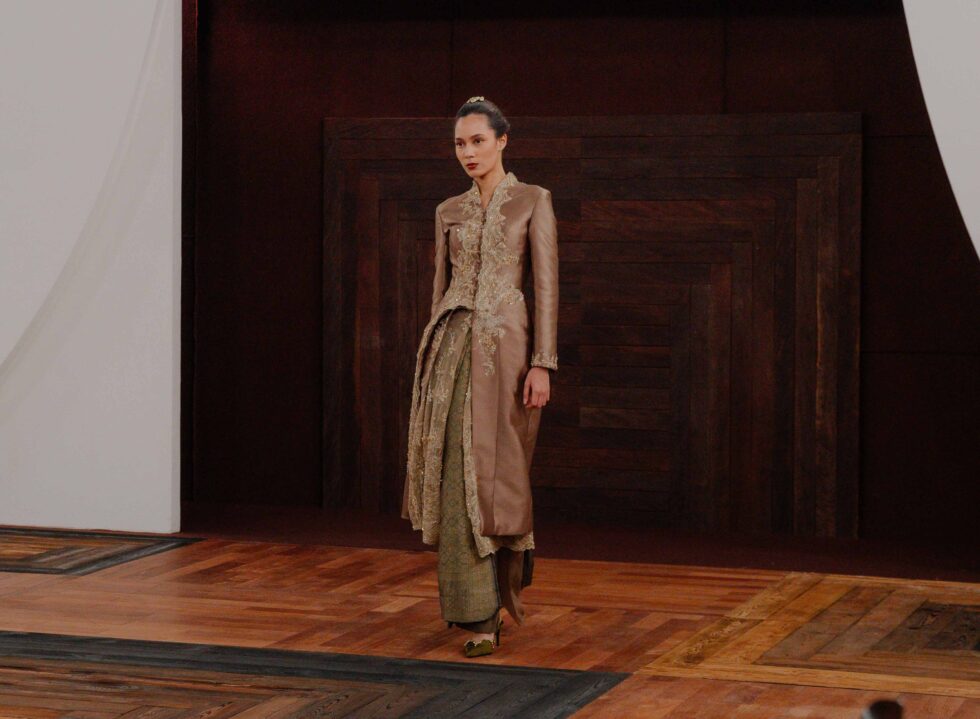
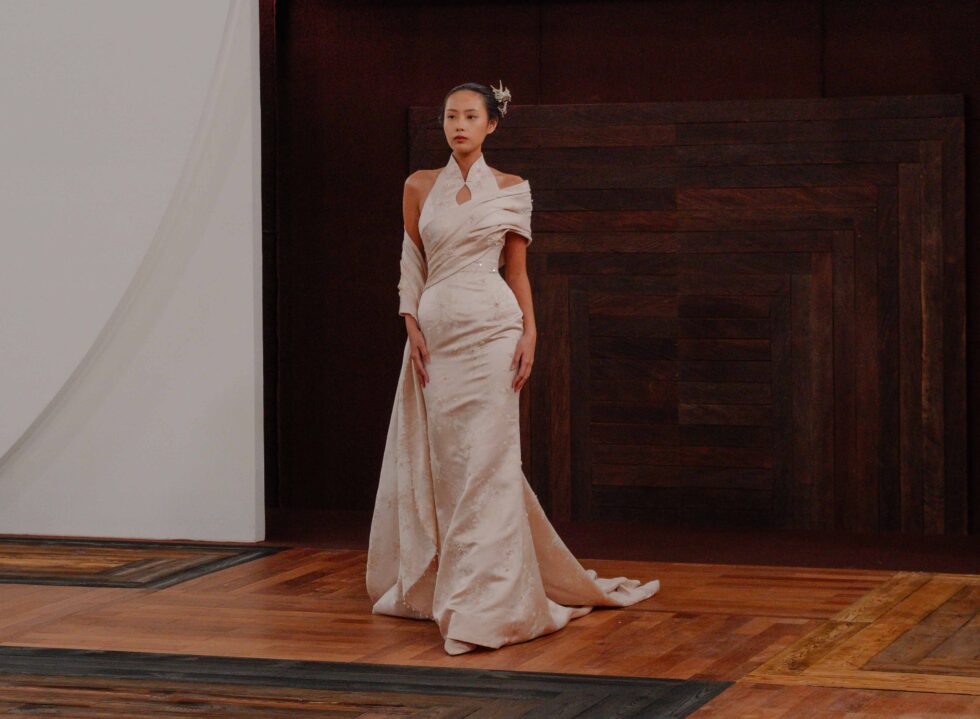
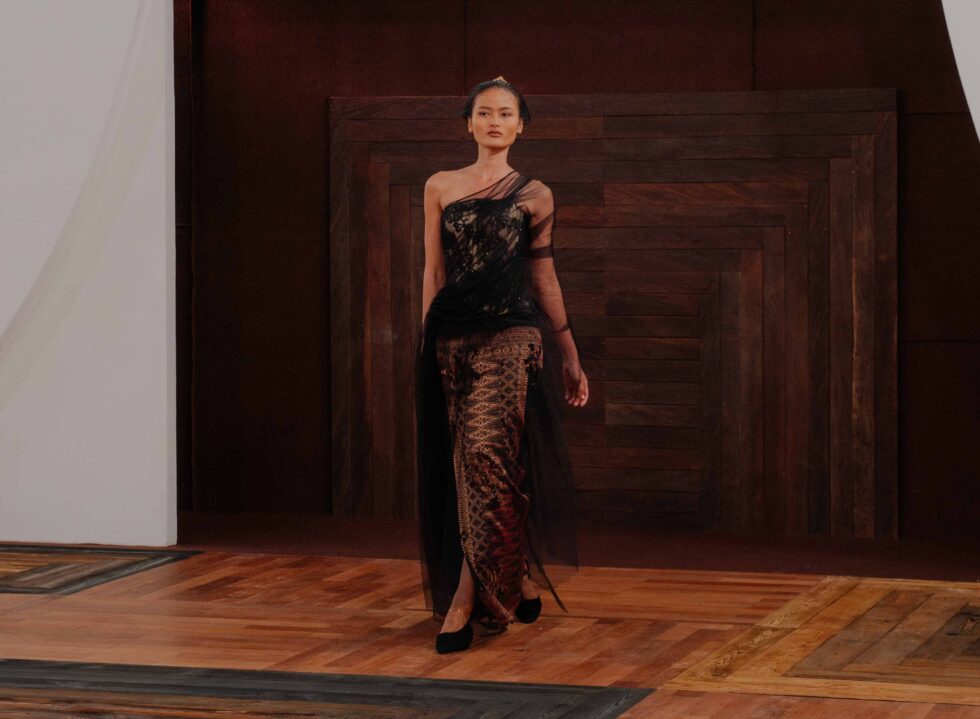
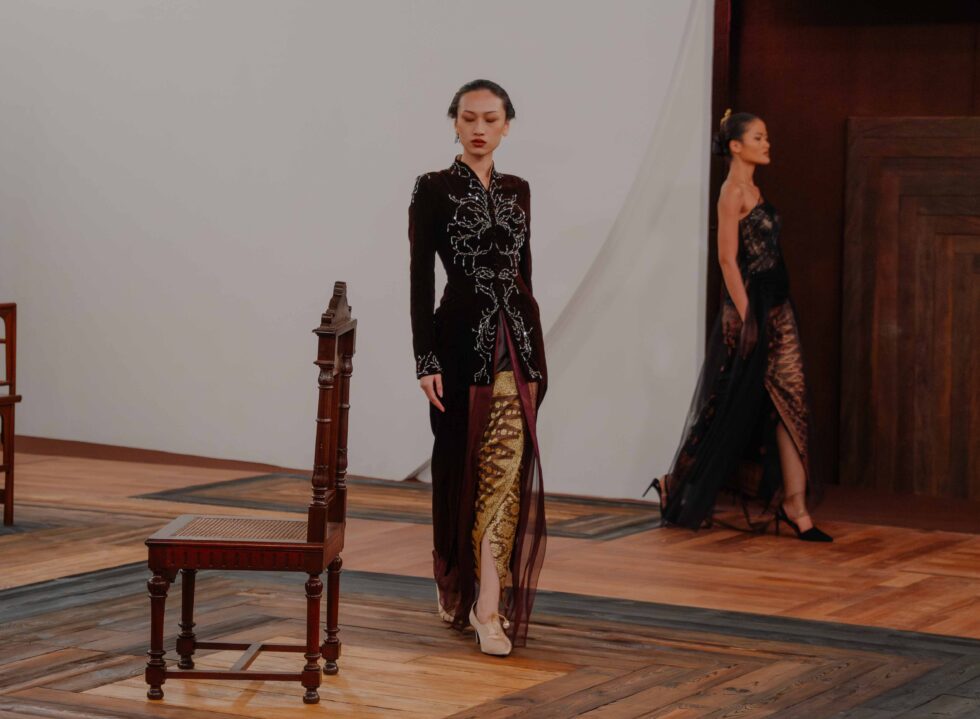
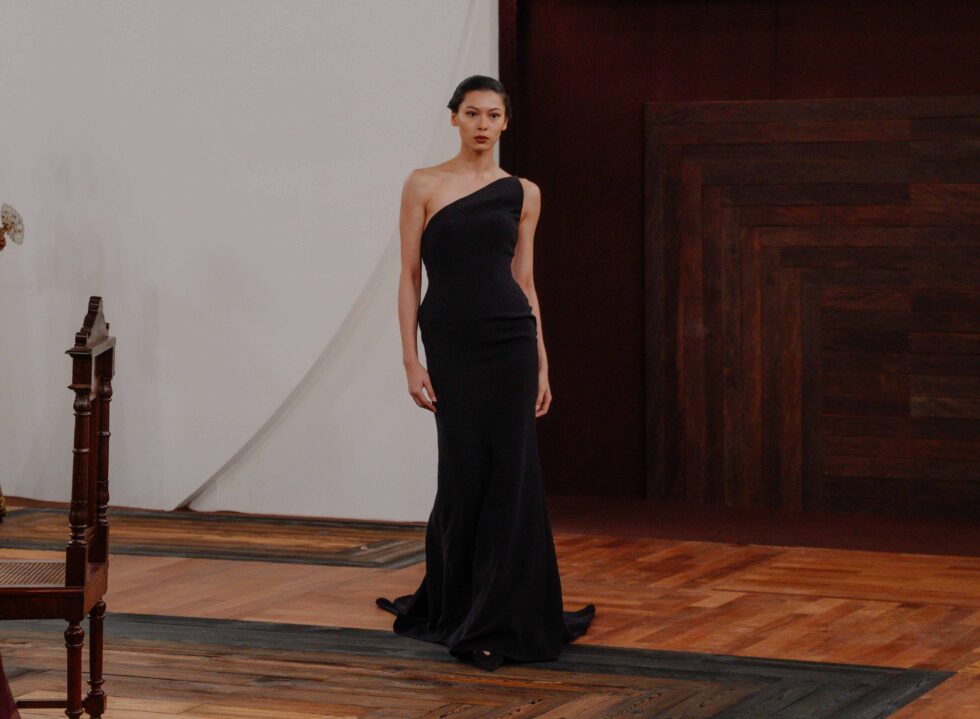
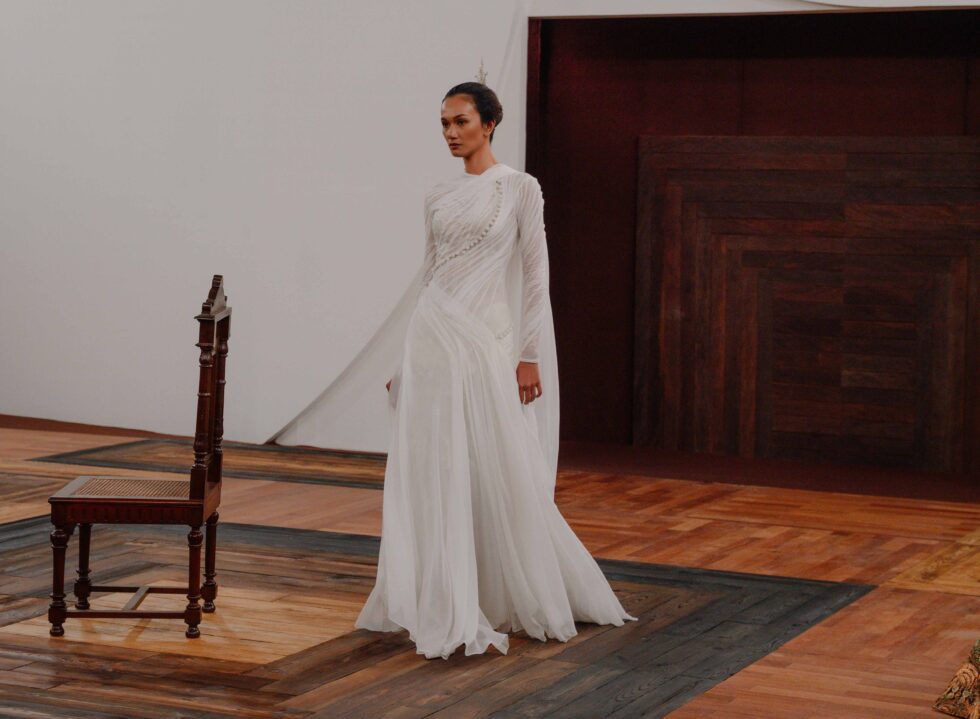
The first thing that one noticed about the TANGAN Privé show last week was that the ballroom at The Dharmawangsa was transformed into a pavilion of sorts, scattered with chairs, recalling the open space of a traditional home. Guests were seated along two adjoining sides of a square, forming an L-shaped arrangement that faced the entrance. It felt a little like being invited to a family gathering, with everyone waiting for someone important to arrive.
For Zico Halim and Margaretha Novi of TANGAN Privé, this was a departure from the intimate presentations they had previously favoured. Their earlier shows brought together clients and a close circle of editors, stylists and friends, allowing guests to get up close with the clothes and appreciate the intricacy of their batik motifs, embellishments and hand-finished details. The runway, by comparison, offered a different kind of encounter.
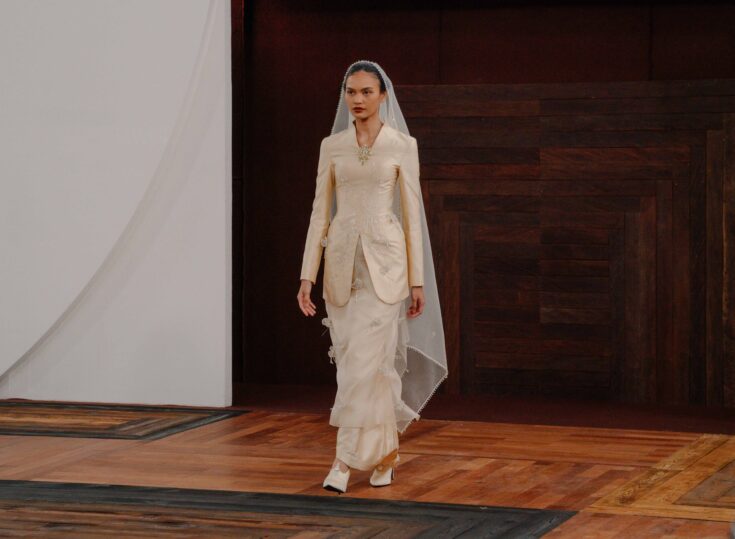
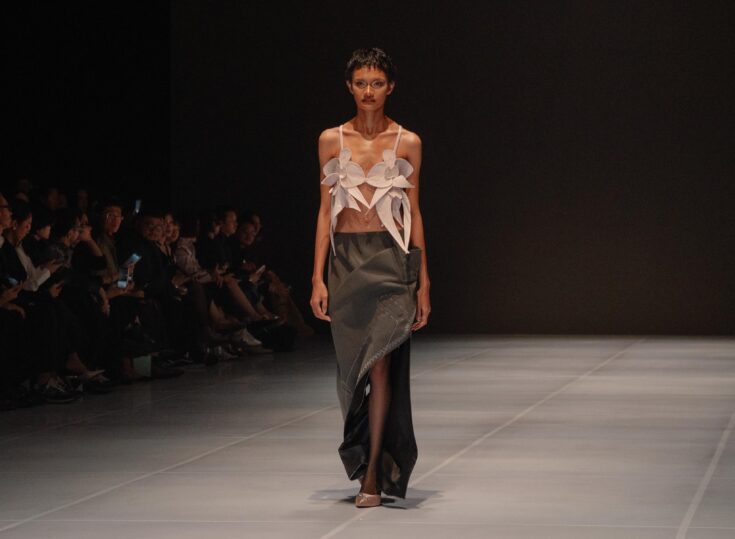
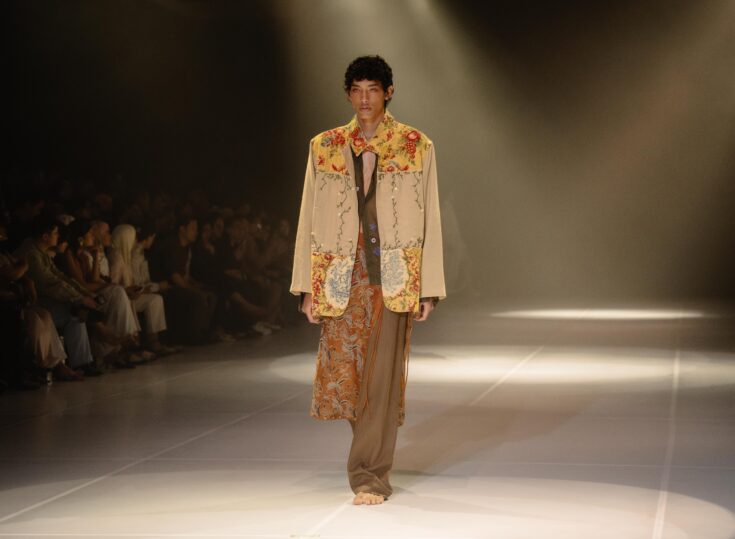
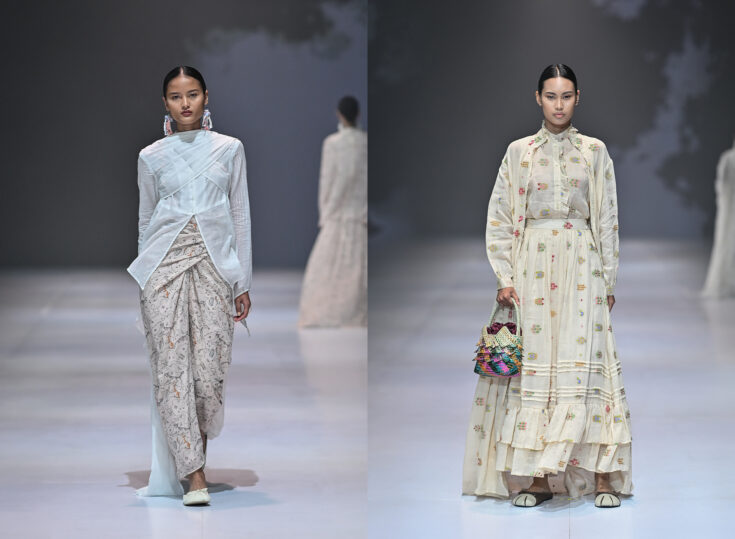
The duo continue to explore the possibilities of traditional Indonesian references. For this collection, they drew on Batik Kudus and Batik Kampuh, the Makassar baju bodo and ornaments inspired by Sumbanese mamuli. These find new expressions in elongated outerwear, fluid draping and sculptural constructions.
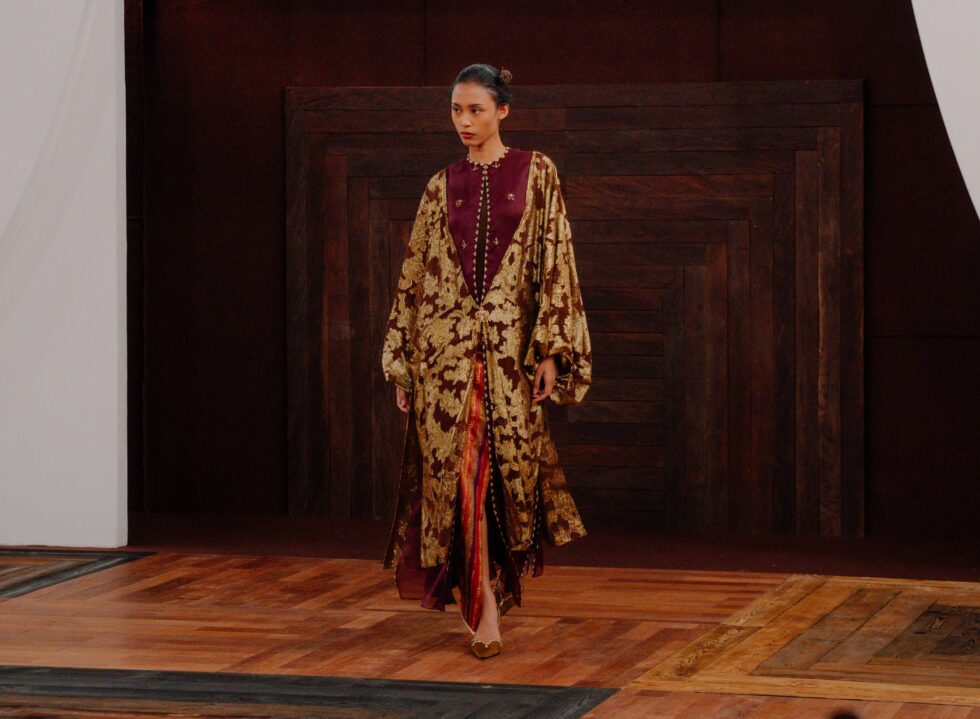
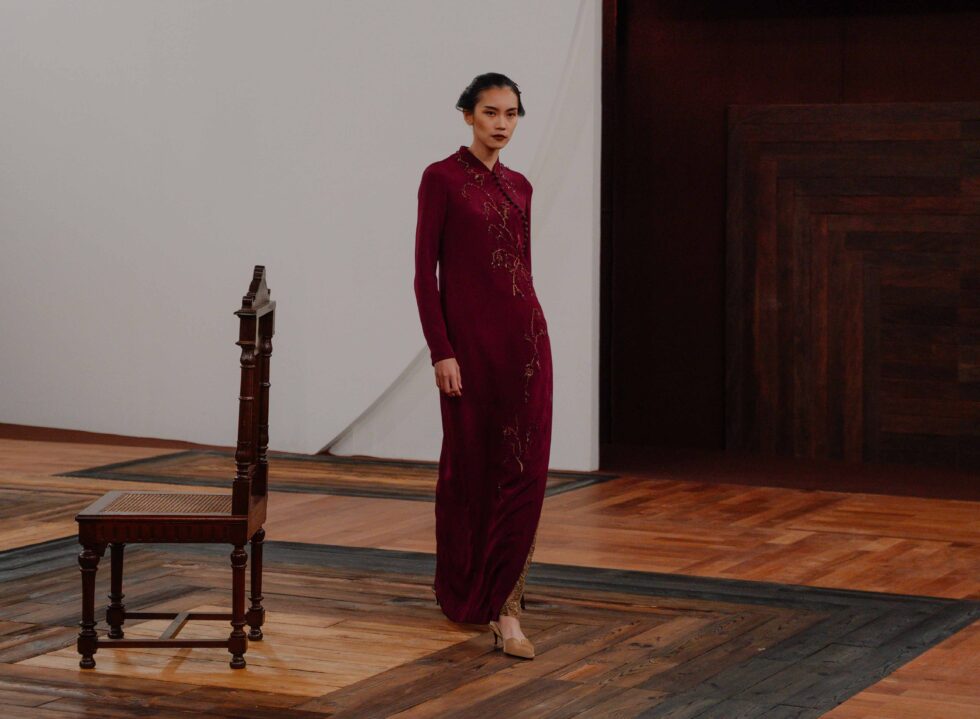
One of the opening looks, a long burgundy coat with an asymmetrical cut, raised neckline and extended sleeves, worn with a richly patterned Batik Kudus beneath, its intricate botanical motifs set against an arresting combination of colours. There was a certain pleasure in seeing these traditional references brought together in ways that departed from their customary forms of dress, without entirely losing sight of their origins.
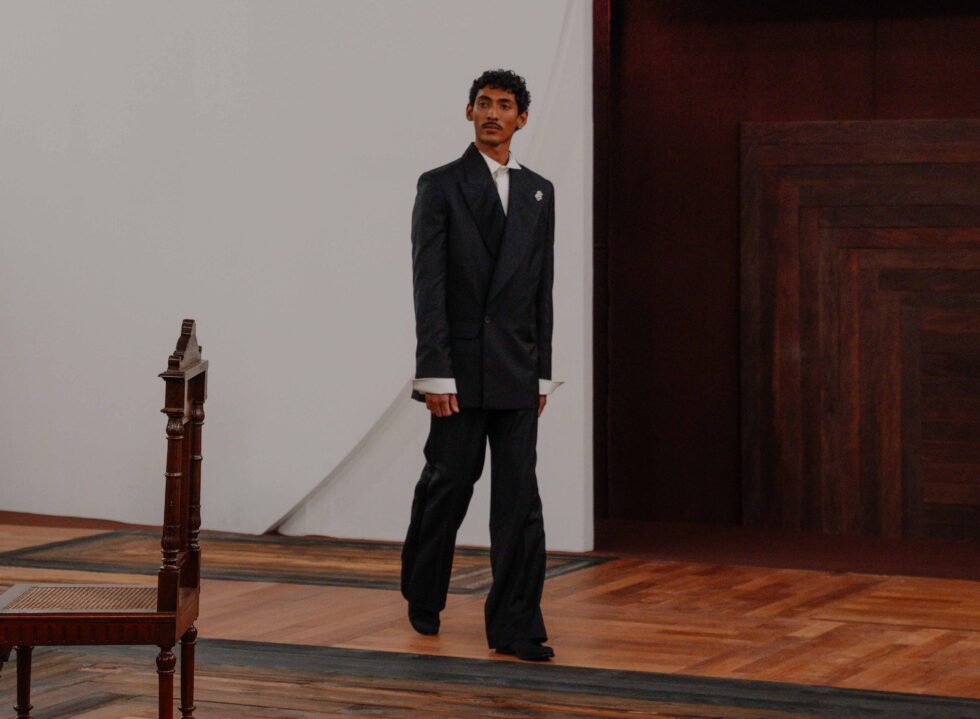
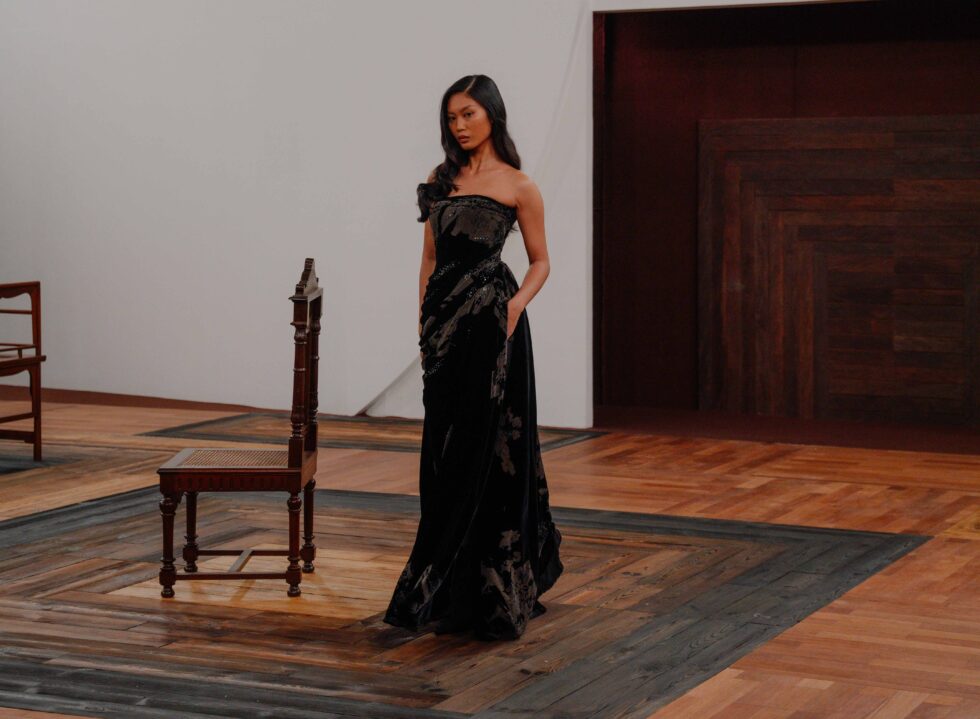
The models also gave the show its peculiar sense of drama. They did not simply walk down the runway and disappear backstage. Instead, they made several rounds, looking directly at guests with expressions that shifted from haughty to grumpy, shy to downright disapproving. It was as though each had arrived with a backstory of their own, along with a few grievances to settle.
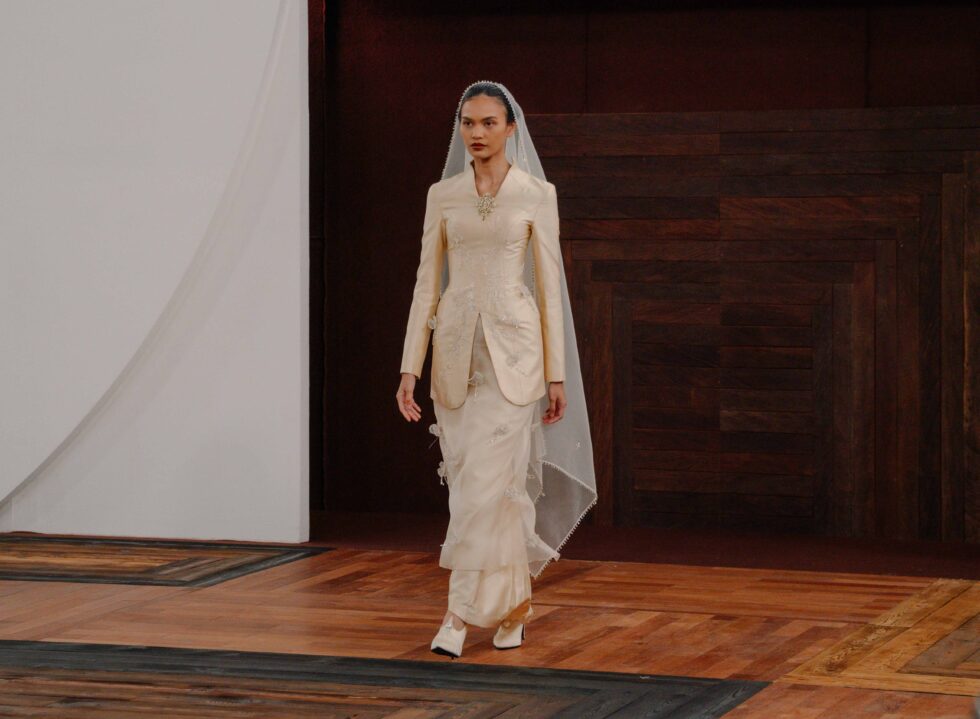
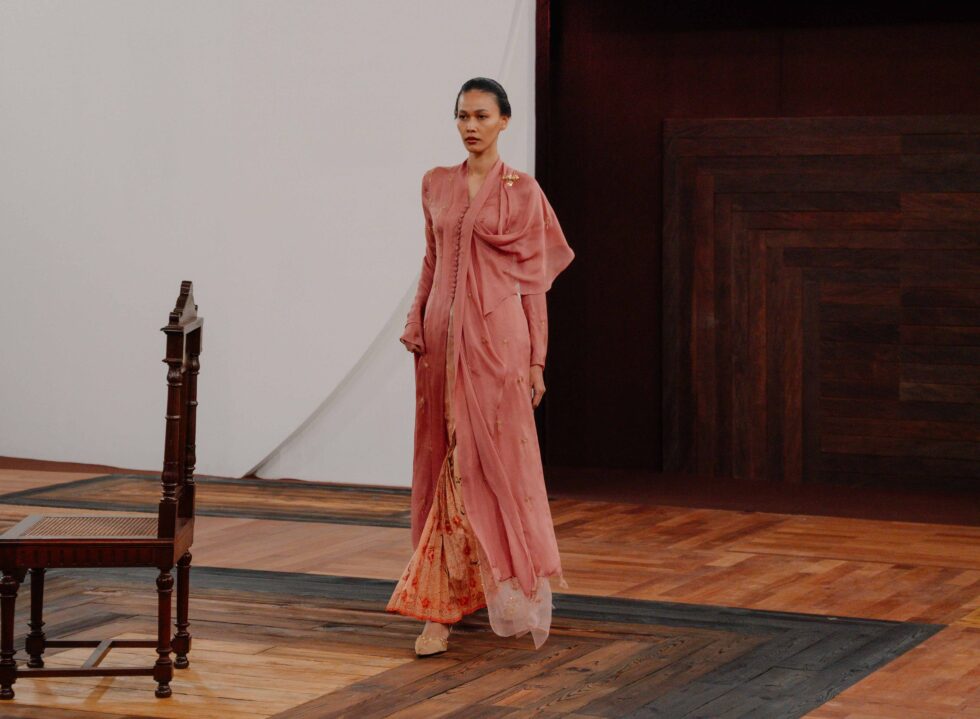
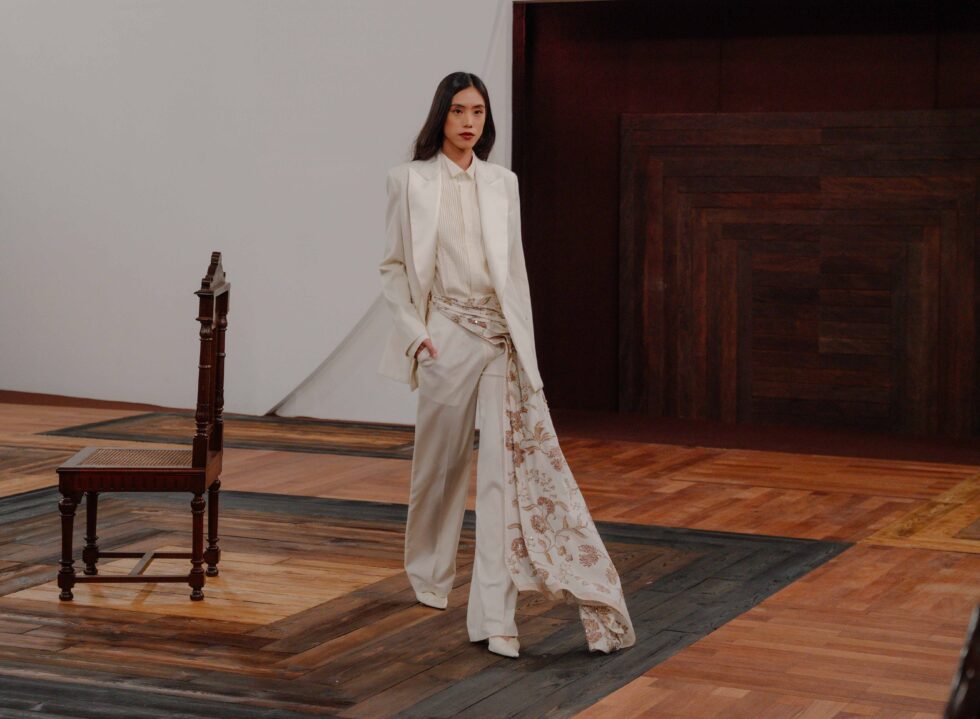
A family drama seemed to be bubbling beneath the surface. I found myself thinking of One Hundred Years of Solitude, Gadis Kretek and The Little Nyonya. The kind of stories in which family histories, social expectations and long-held resentments are passed down through generations. A crisp ivory suit, punctuated by an asymmetrical batik draped from the waist, could belong to a young woman returning from overseas studies, armed with Western ideals and ready to challenge the family’s patriarchal order. A kimono-inspired dress with generous sleeves and an elongated open-front might be worn by a distant cousin waiting for a potential suitor. And then there was the woman in a layered ensemble and black veil, who looked every bit like the bitter spinster who finds pleasure in tearing down her female cousins. Naturally, every family has one.
Beneath the theatricality, however, was an interesting suggestion about the relationship between clothes and the people who wear them. They seemed to hint at clothes meant to be worn and lived in through the many contradictions of a person’s life. I was reminded of Waves of Weave, the recent exhibition at Museum Nasional that included pieces from the personal wardrobe of Gusti Nurul, the Mangkunegaran princess. Seen alongside the story of a woman remembered for her forward-thinking outlook, those garments became more than historical objects. They offered a glimpse of the person who had worn them, and of the life she had lived.
TANGAN Privé has established an appealing sensibility for bringing traditional textiles into contemporary silhouettes. Still, there is an opportunity to push the conversation further. Using tradition as a design reference is one thing. Making it a vehicle for a more distinctive point of view is another.
After all, these textiles were once expressions of their own time, shaped by the social and cultural values of the communities that made them. Their motifs, techniques and materials carried ideas about status, identity and craftsmanship. What might they have to say about ours? What do these different regional textile traditions have to say to one another? How might their meanings shift as they find a place in the way we dress today?
The clothes already have a language of their own. What remains is for Zico and Novi to find the larger idea that connects these explorations together. It could be one hell of a story to behold.