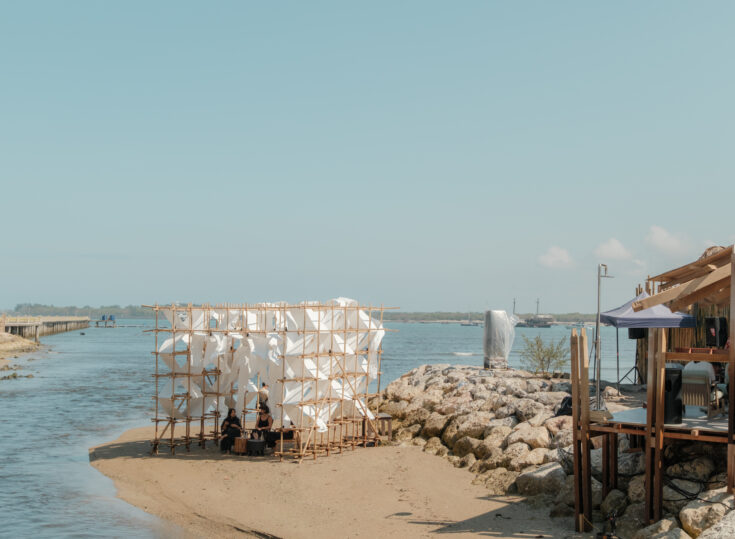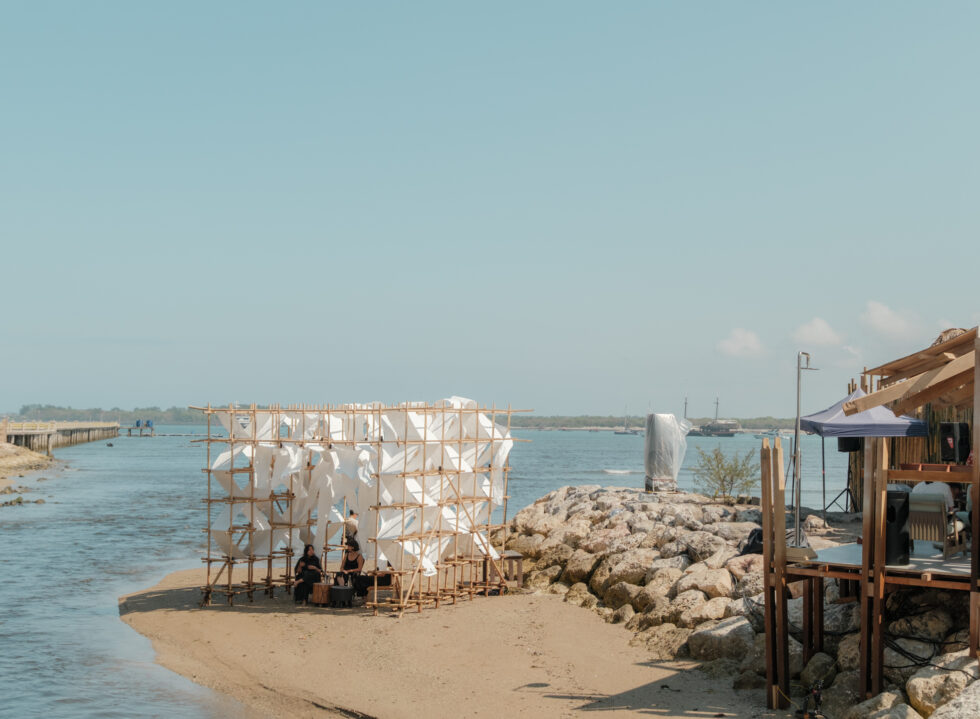
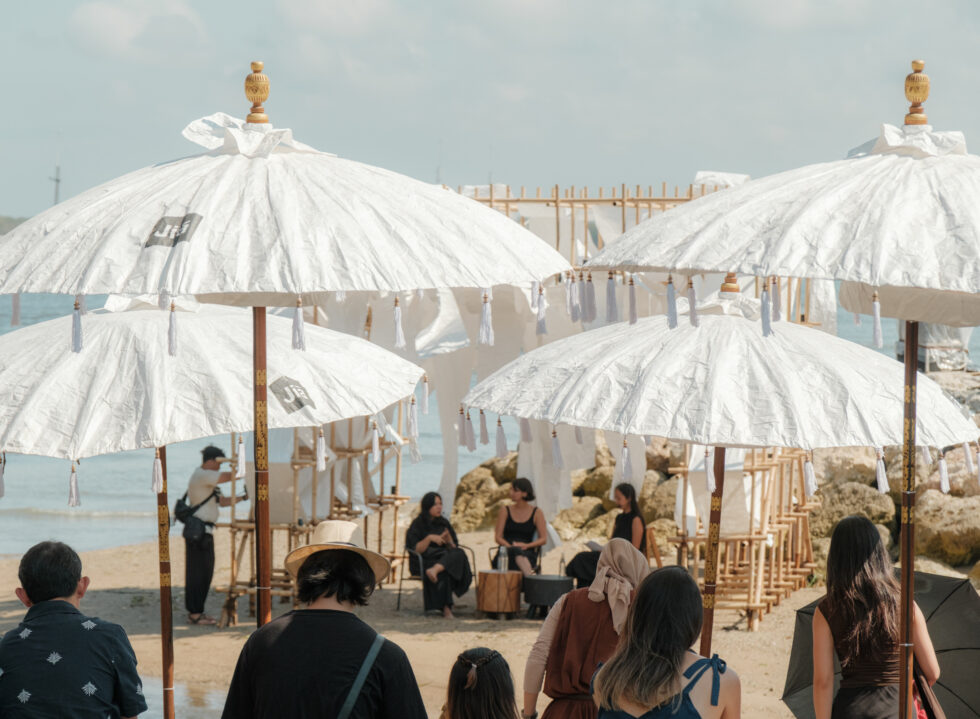
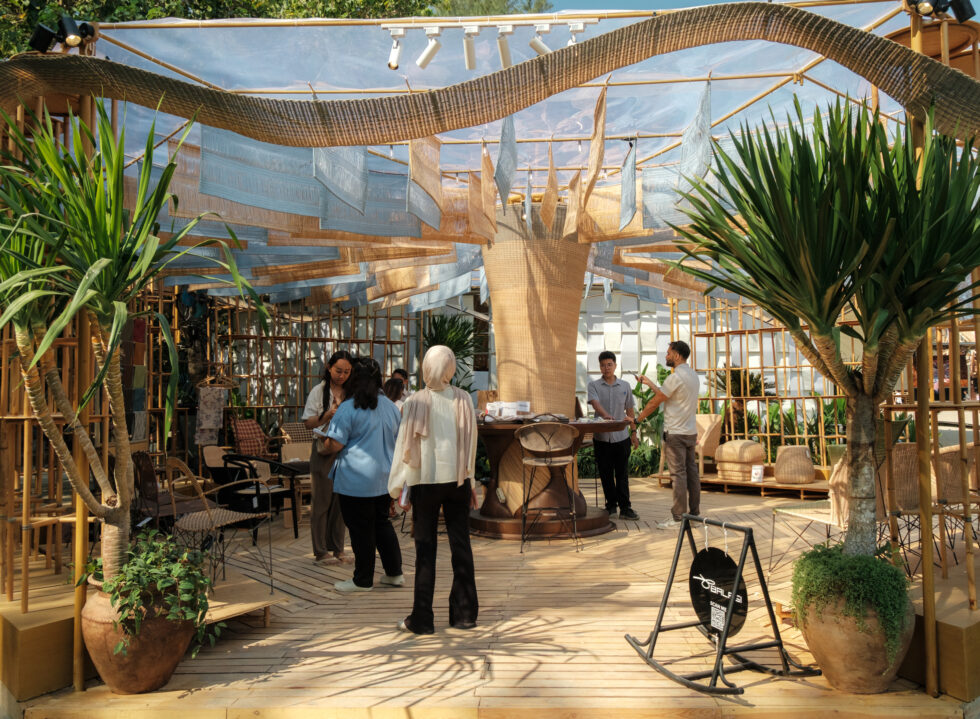
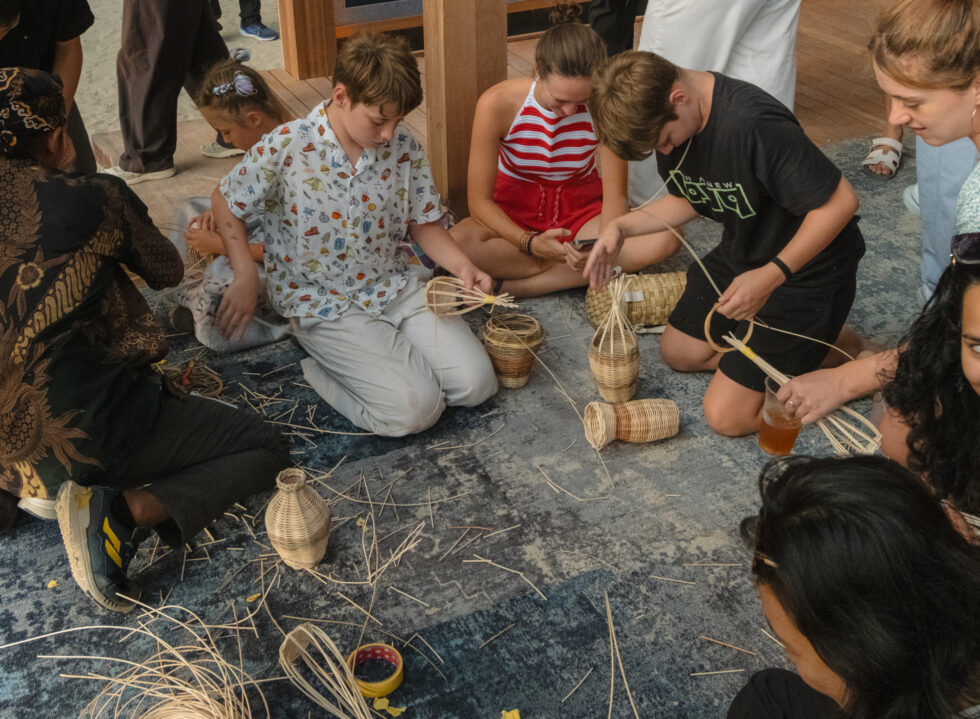
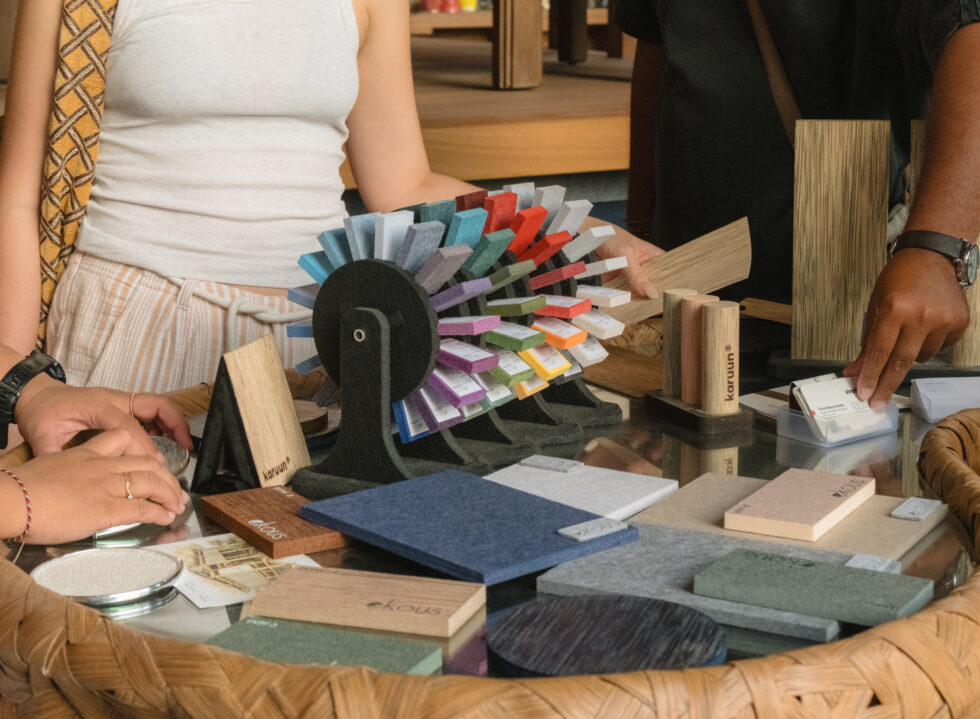
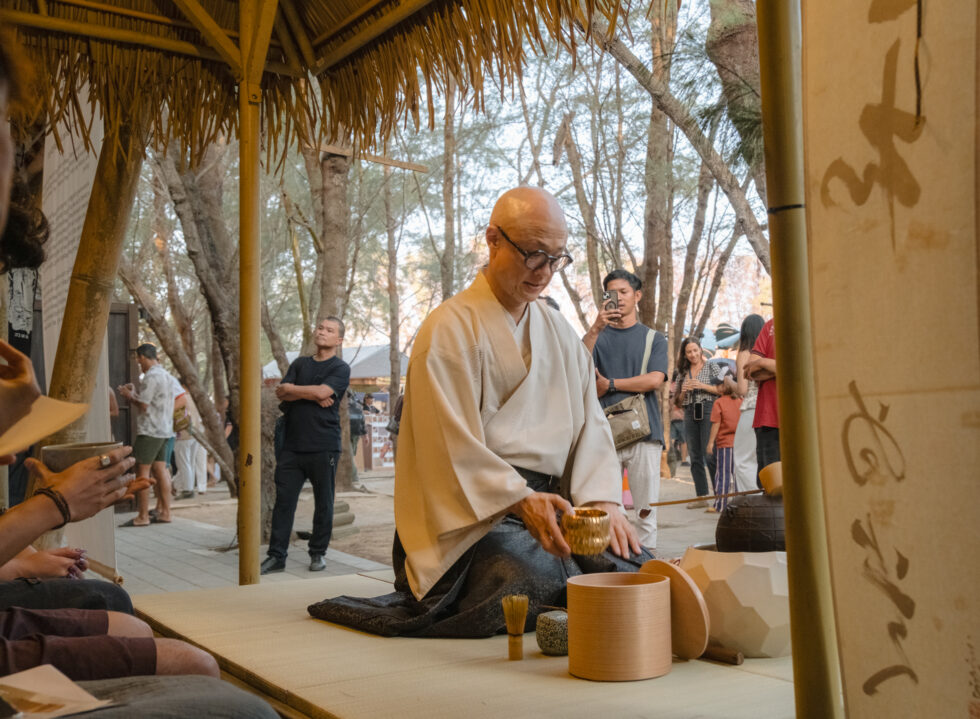
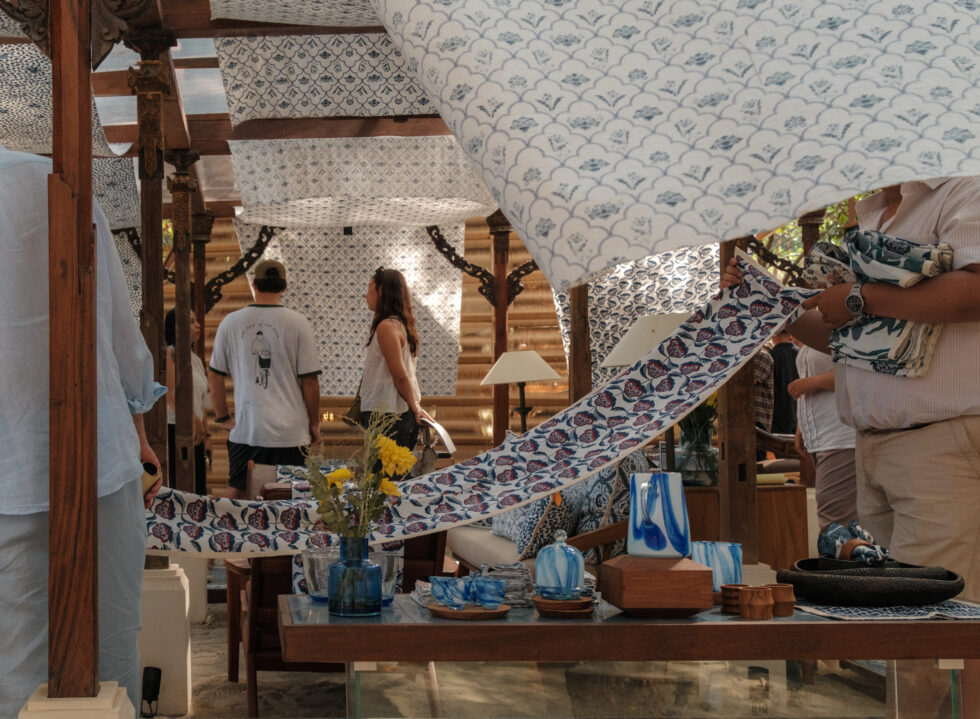
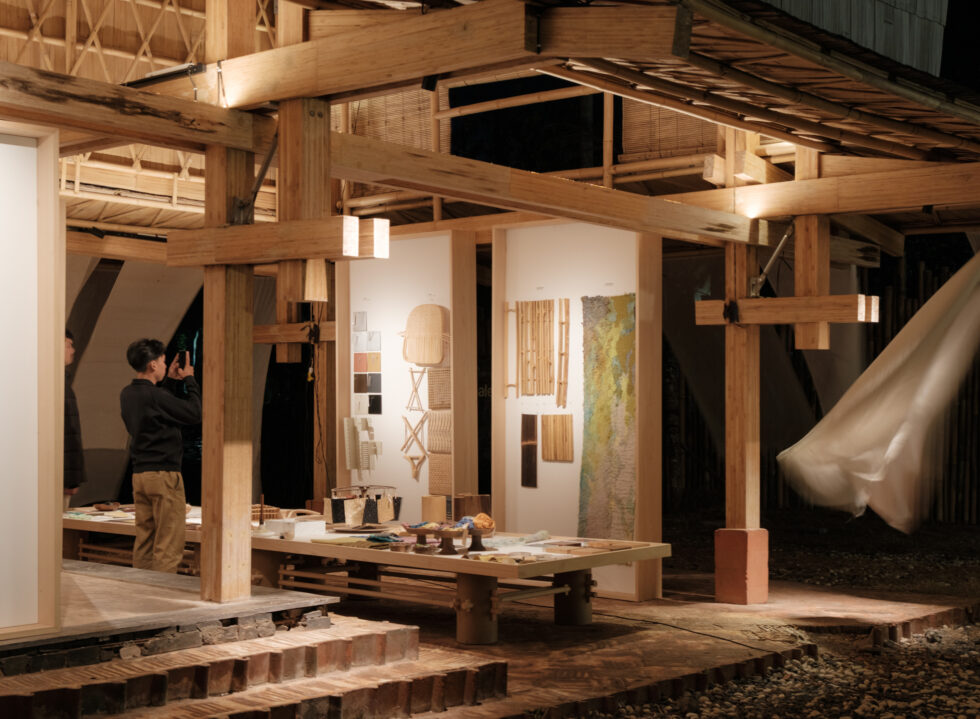
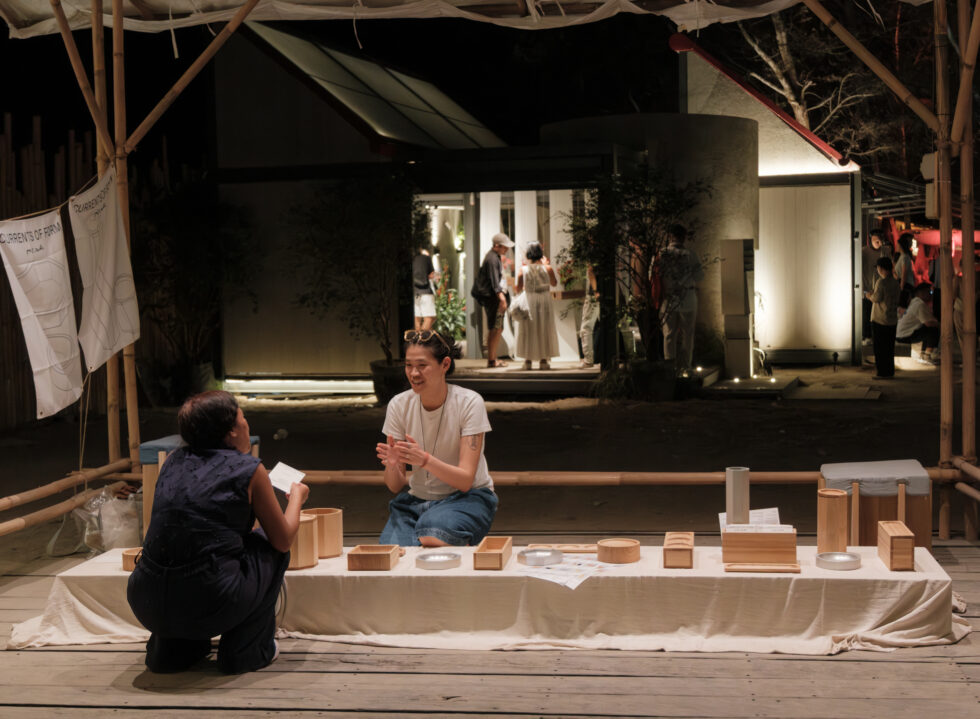
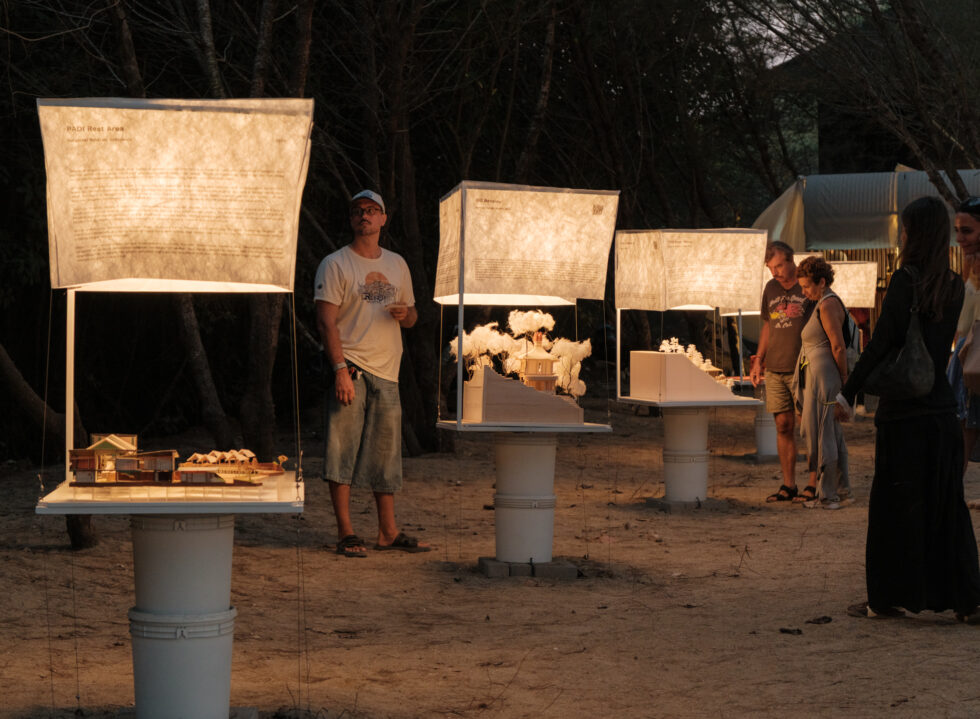
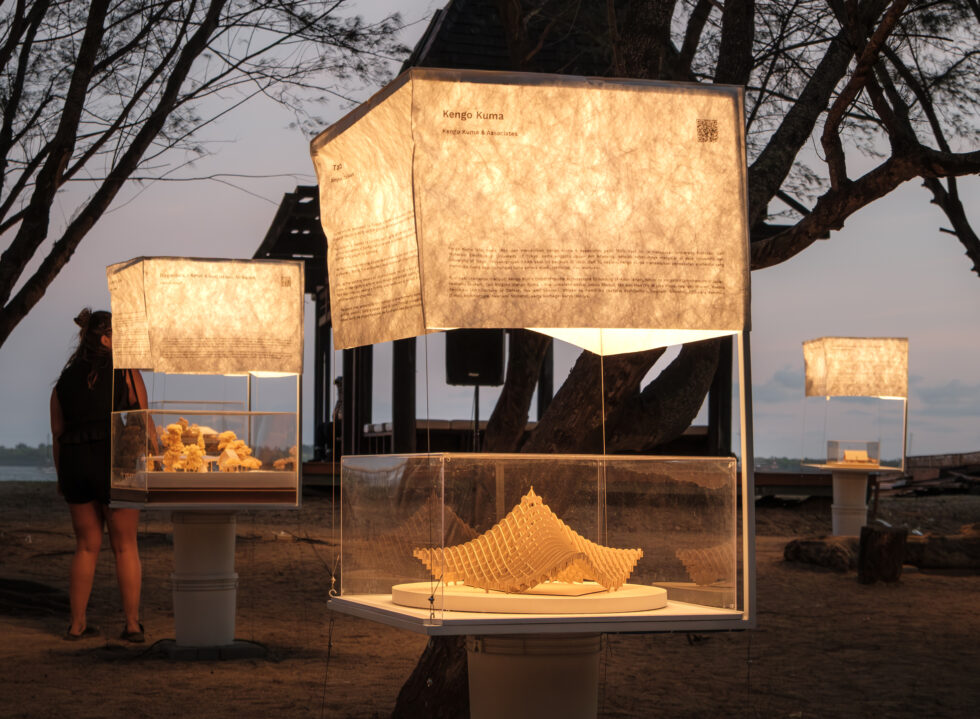
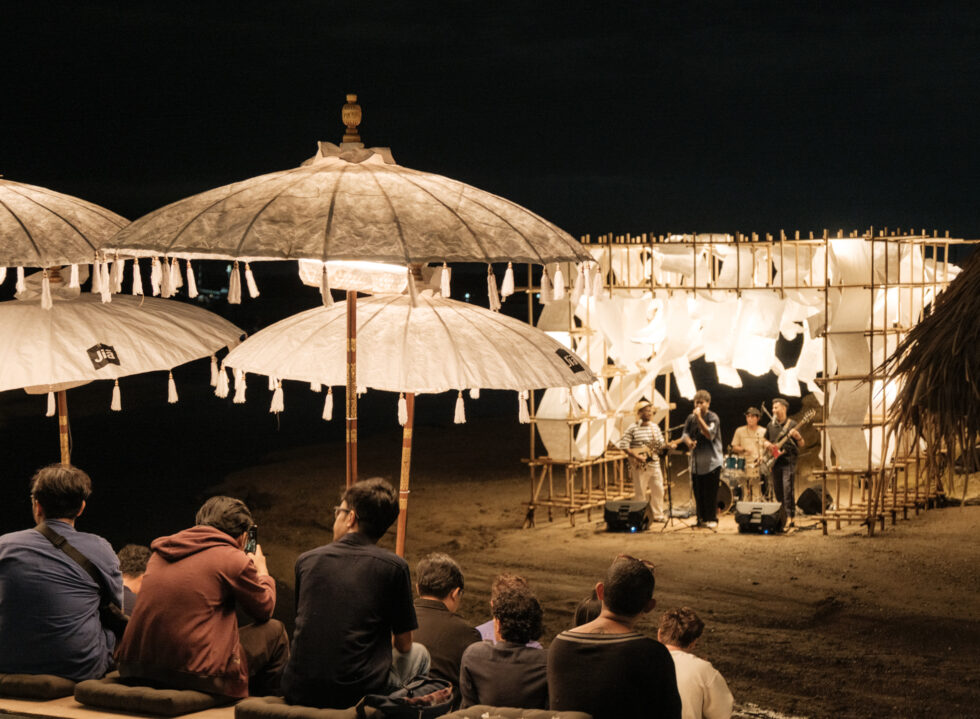
Last week, Sanur’s Pengembak Beach hosted the fifth edition of Jia CURATED under the theme “Nature Weave”. Bringing together more than 250 Indonesian and international brands and designers, the festival explored the many ways nature can enter the design process, from the materials used to build each installation to the landscape that surrounds them.
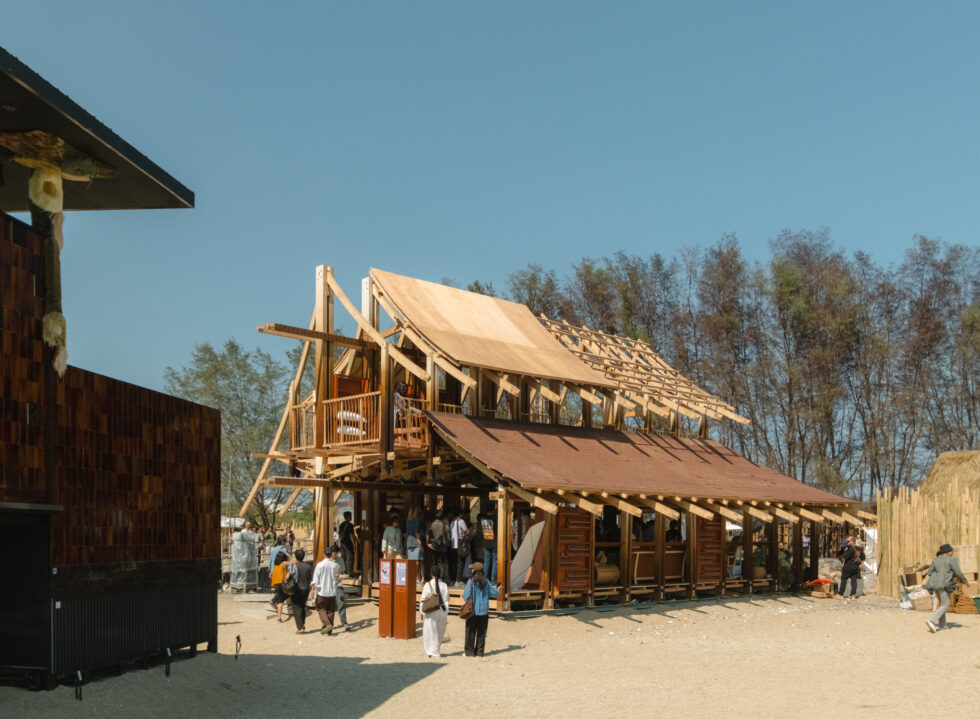
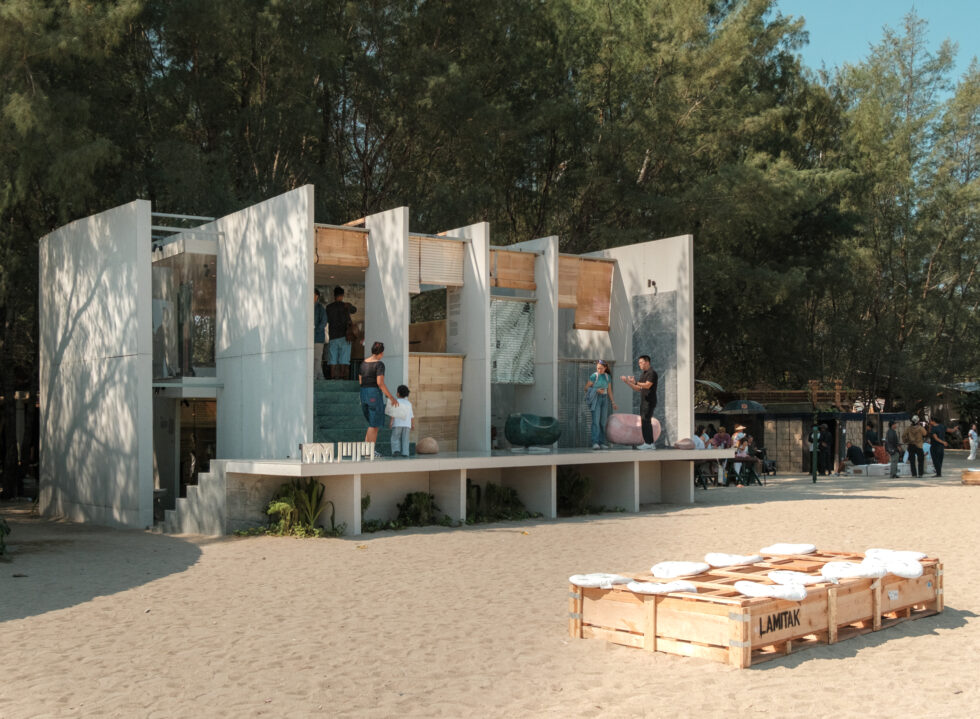
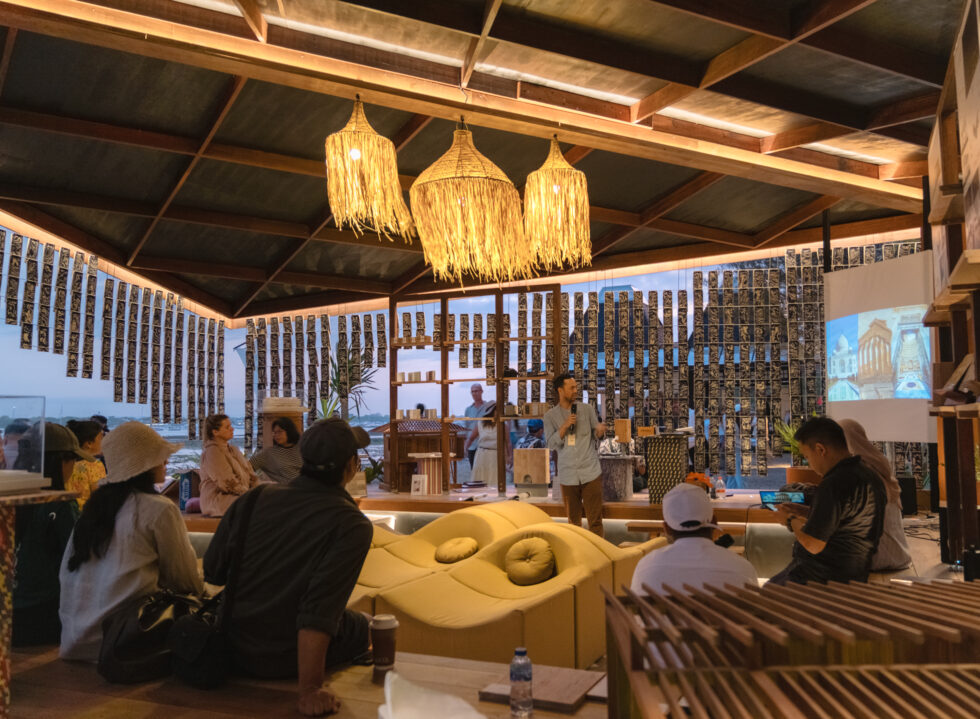
Among the largest structures was the Lintang Pavilion, designed by Studio Hendro Hadinata in collaboration with Studio Aliri. Drawing from Southeast Asian houses and Indonesia’s maritime heritage, the pavilion takes the form of a house reimagined as a large ship. Its name refers to the traditional practice of fishermen navigating by reading the stars, while an intentionally unfinished roof leaves the structure open to the sky.
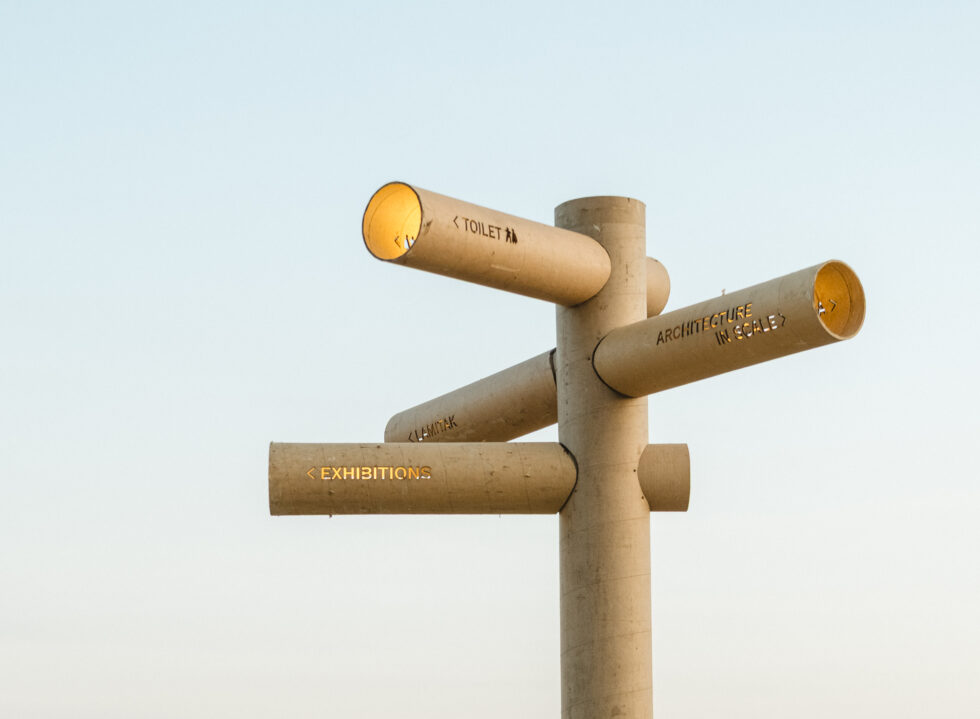
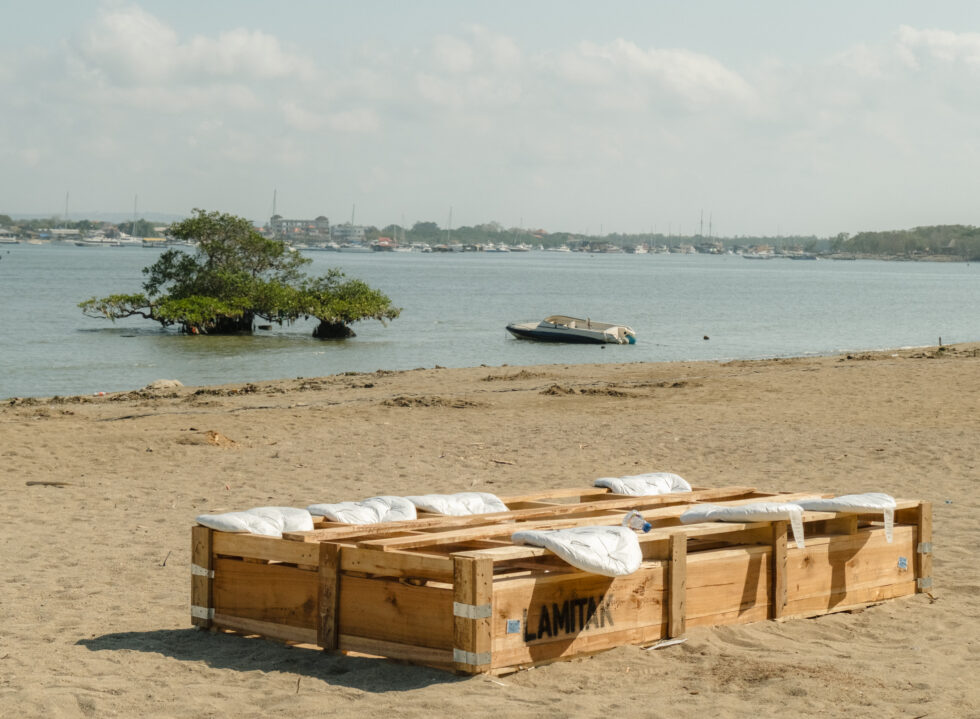
The theme also extended to what was already available. Returning initiative Waste to Wonder 2.0 gave discarded materials from previous editions new uses across the grounds. Cardboard tubes became signage, while packaging crates were turned into communal seating and salvaged Tyvek from last year’s exhibition roof became cushion covers.
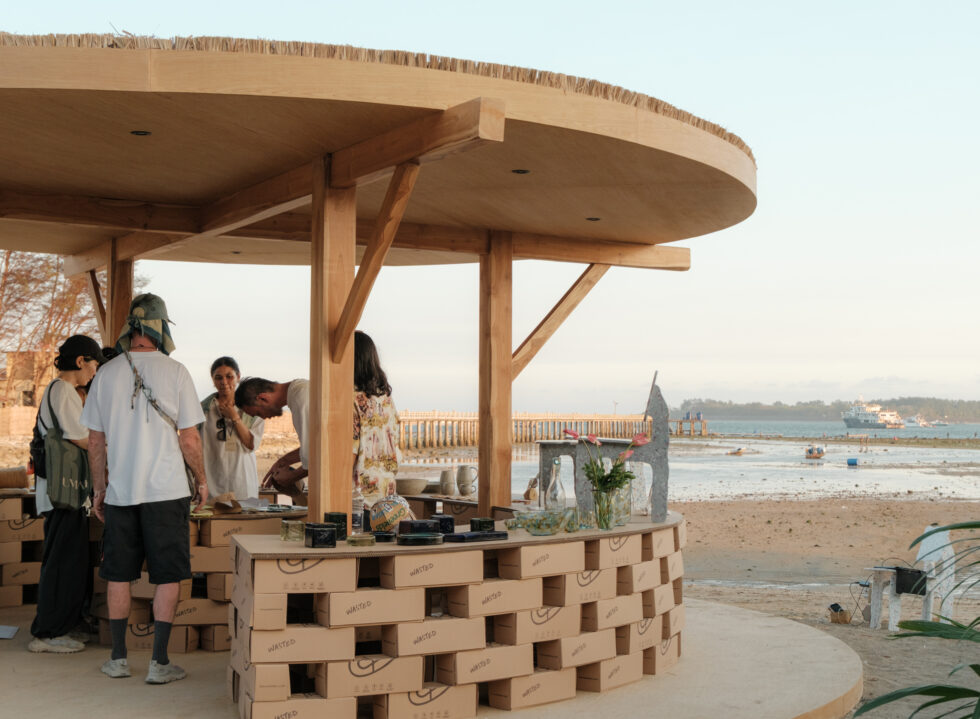
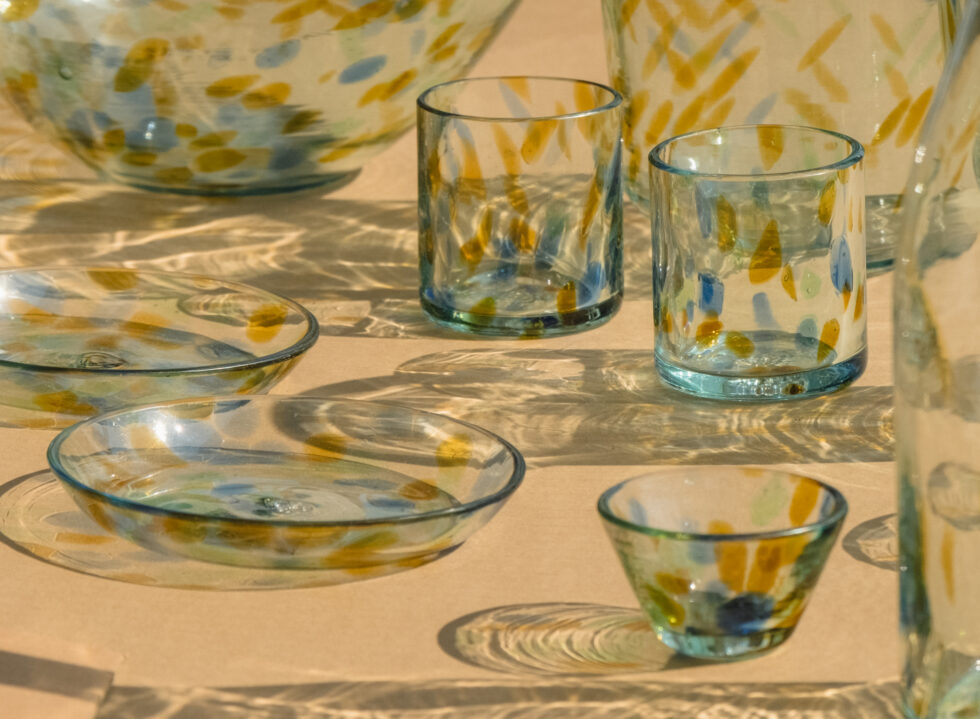
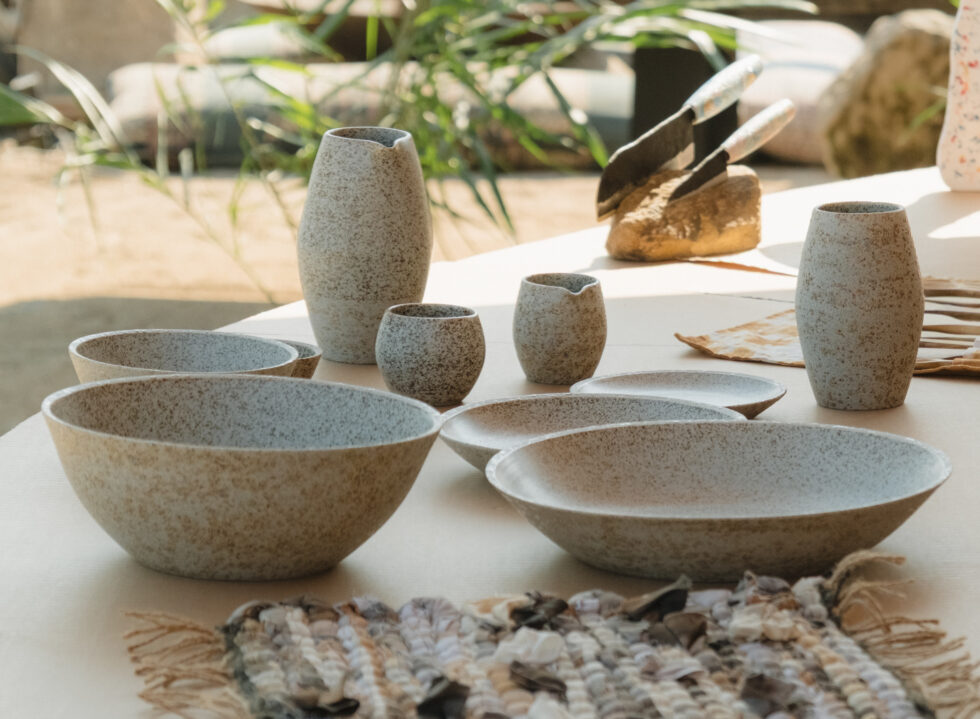
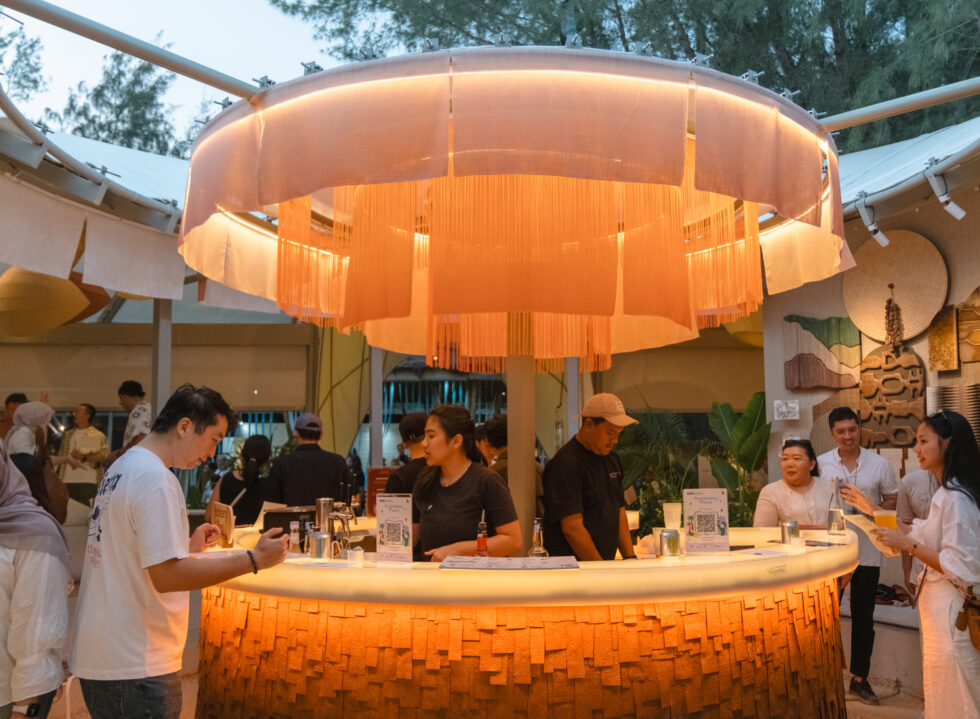
At Wasted by Potato Head, cardboard boxes formed a low circular wall displaying pieces from the Collection 002 homeware collection, developed with designer Max Lamb from recycled plastic, ceramic, textile, organic materials, glass and metal. Visitors could also turn some of the leftover cardboard into caps through an activity led by the team.
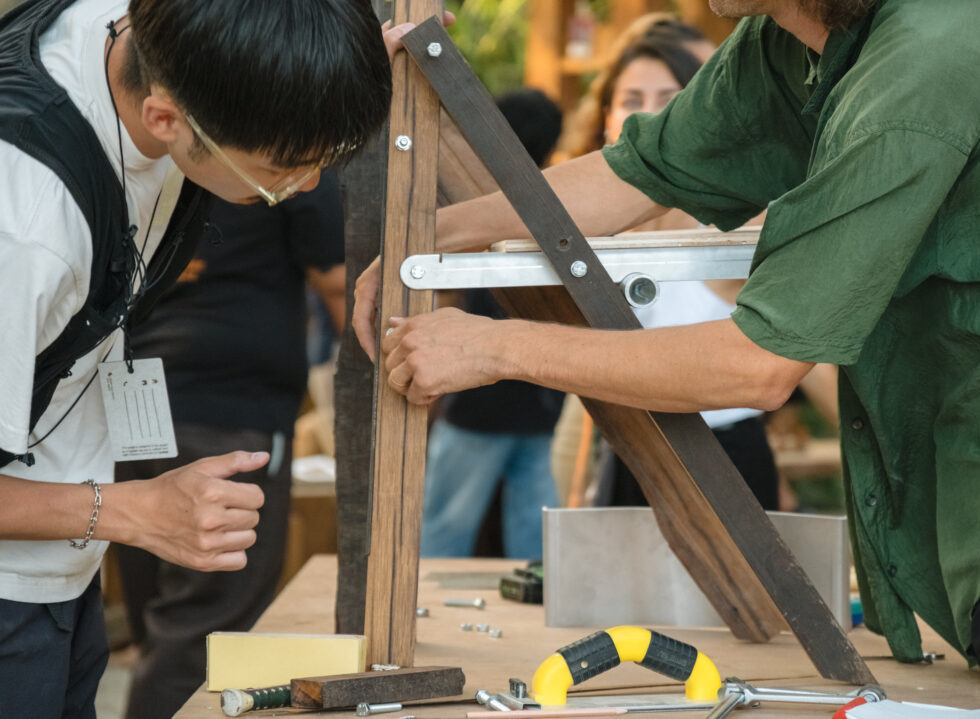
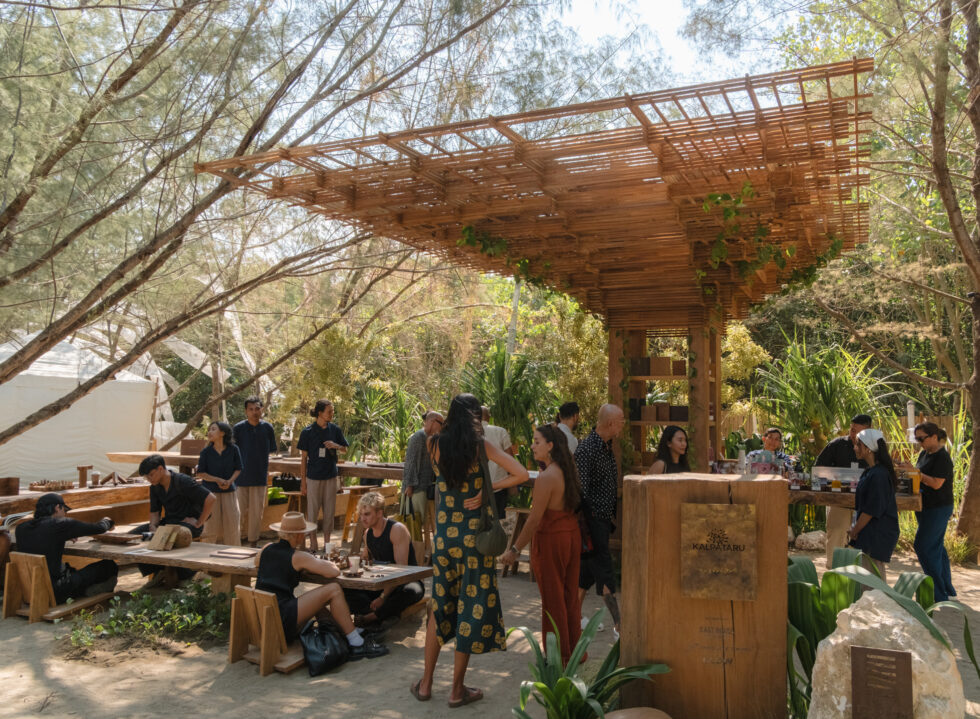
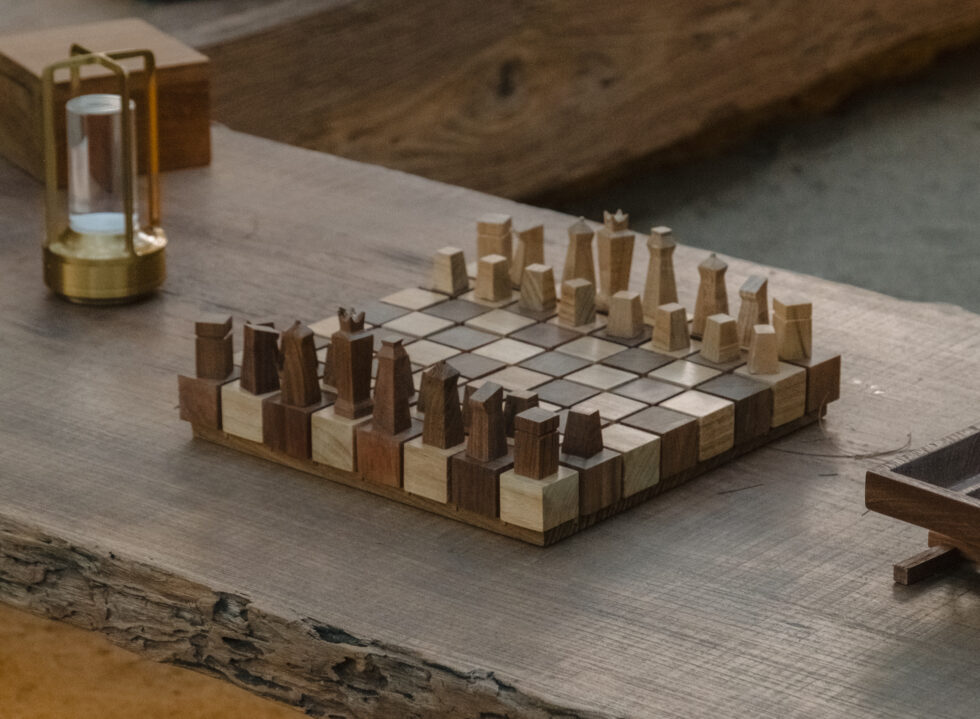
The Main Main Pavilion by Blancostudio and Kalpa Taru, in collaboration with Bali Landscape Company, took a lighter approach. Timber offcuts were stacked into tables and seating without being nailed or fixed together, creating a space for handmade wooden games, conversations and drinks by East Indies Gin. Once the festival ends, the structure can simply be dismantled and the materials reused.
At Nawang Seta’s Bhumi Lingsir, the relationship between material and place became more direct. Built from sandstone sourced from Sanur’s beaches, the installation housed an ambient soundscape by Tanaman Liar, created by translating subtle electrical signals from plants into music.
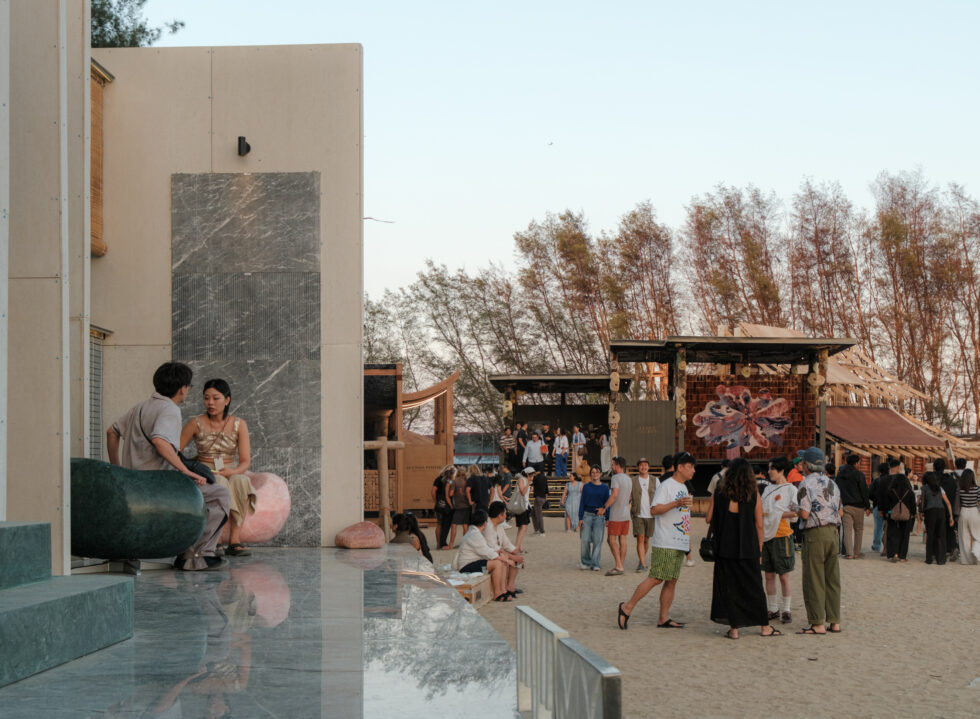
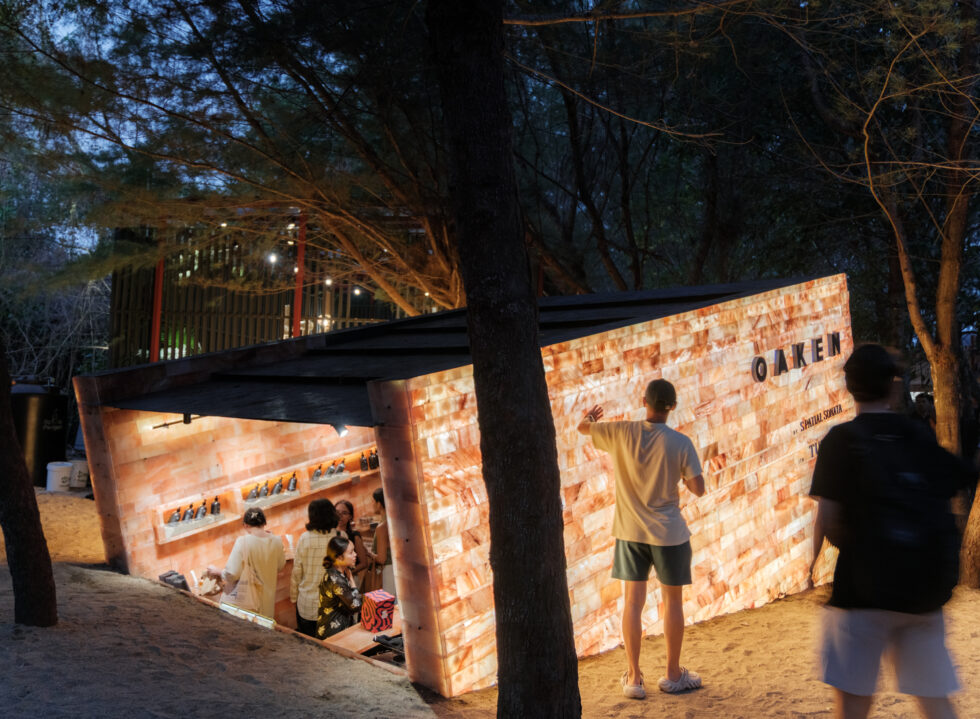
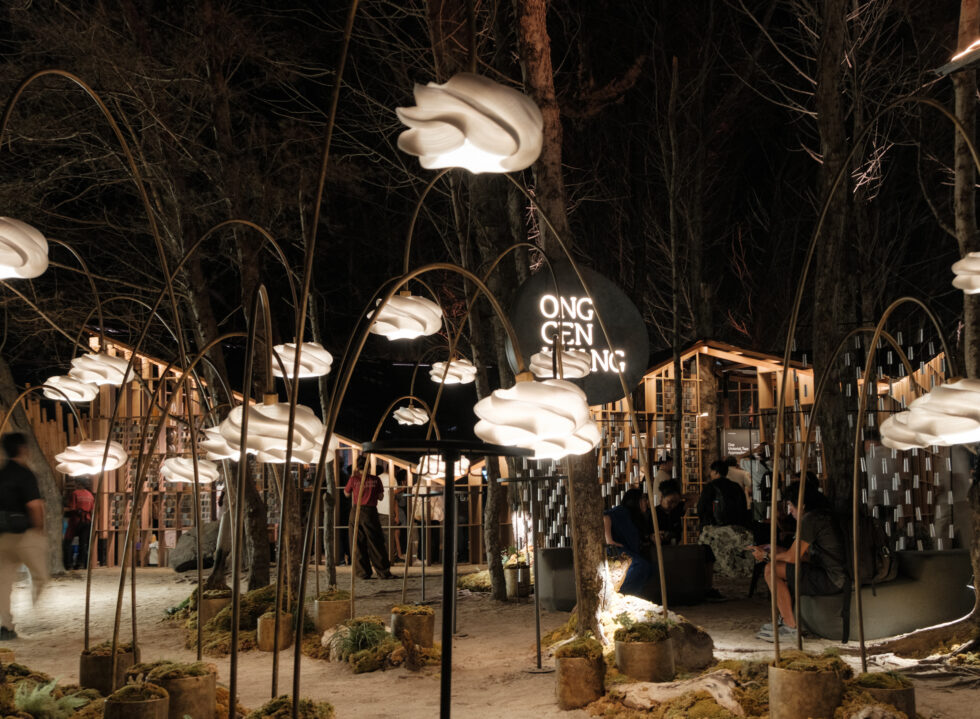
As evening fell, the installations took on a different character. Ong Cen Kuang’s flower-shaped Janur outdoor lamps illuminated the communal seating as live R&B travelled across the grounds. Nearby, Spatial Sonata’s Oaken Tiltroom emerged from the sand at an angle, built from Himalayan salt bricks provided by Tuscany Boutique whose crystalline surfaces caught the light. Its unusual form also worked around the trees surrounding the structure, turning the landscape into part of the design.
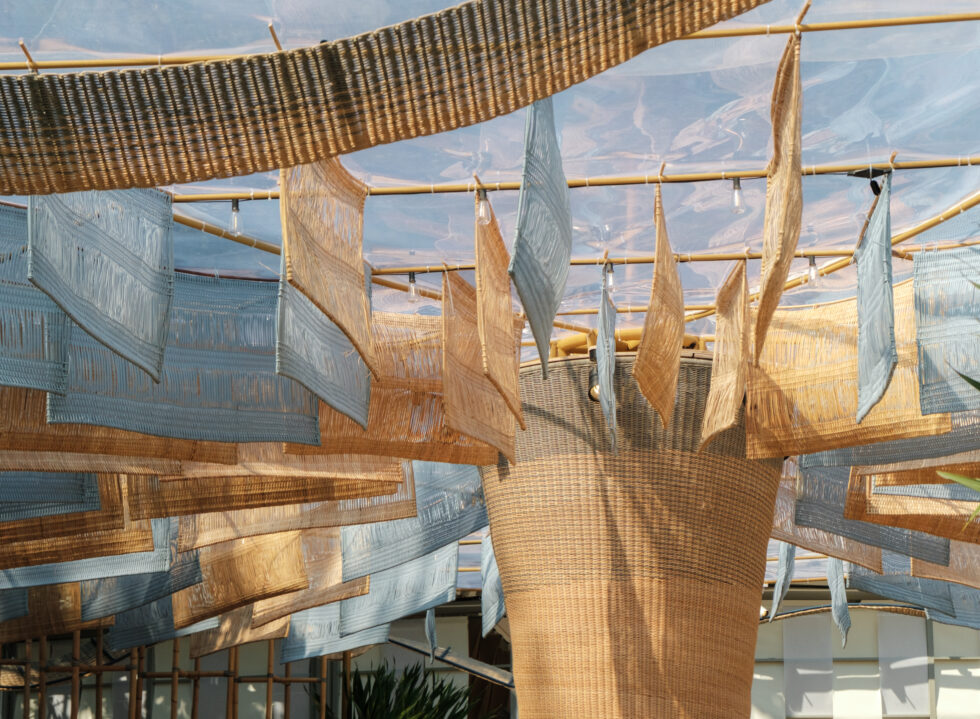
By then, the beach had become difficult to separate from the festival itself. Sand shifted beneath visitors’ feet, trees provided shade, and the breeze moved through the fabric surrounding the installations. The works were not simply placed on the beach; they had to respond to it.
Perhaps that was the most tangible expression of “Nature Weave”. Rather than treating nature as an aesthetic reference, Jia CURATED allowed the landscape, materials and natural forces around it to become part of how the festival was built and experienced.