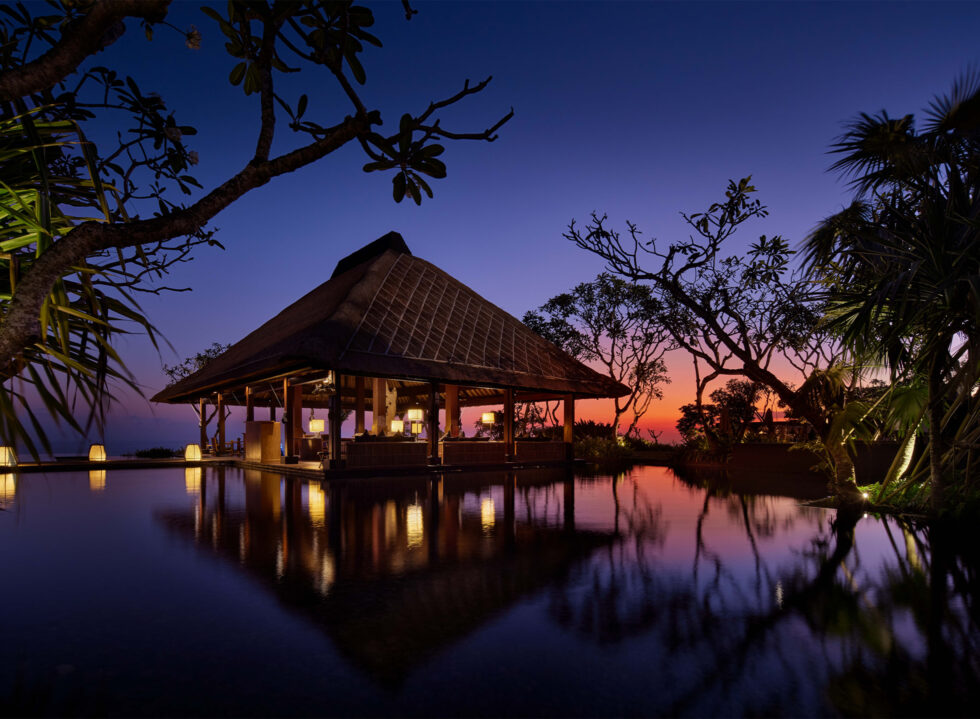
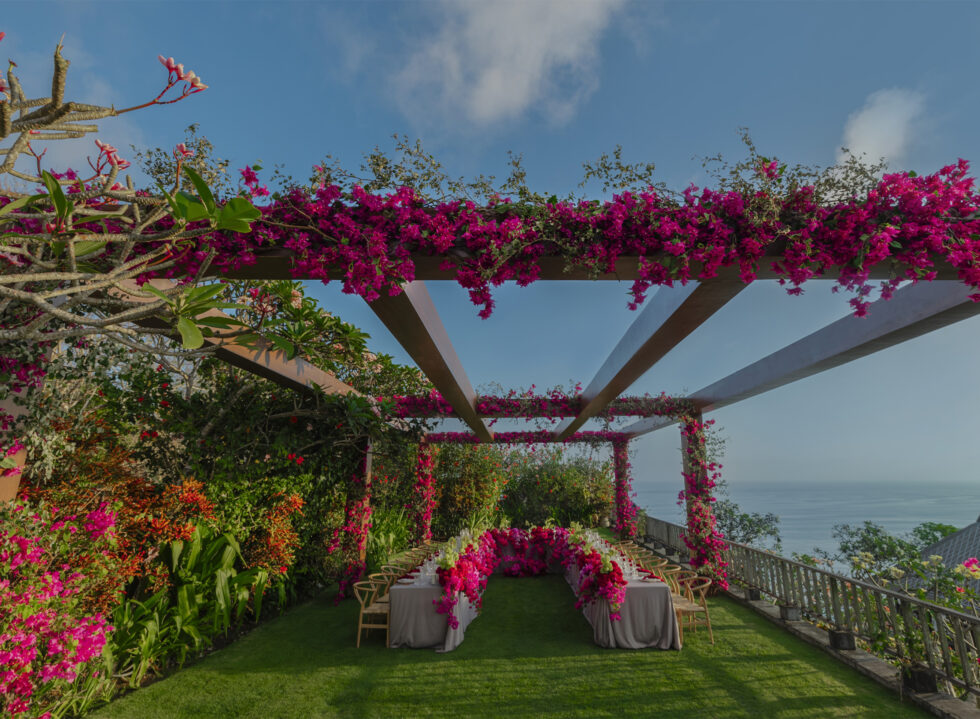
Every jeweller knows that the initial task is not to shape a stone, but to understand it. Before the first cut is made comes the act of observation: its weight, the way it catches light and the grain that gives it character. The role of the craftsman is not to impose, but to reveal.
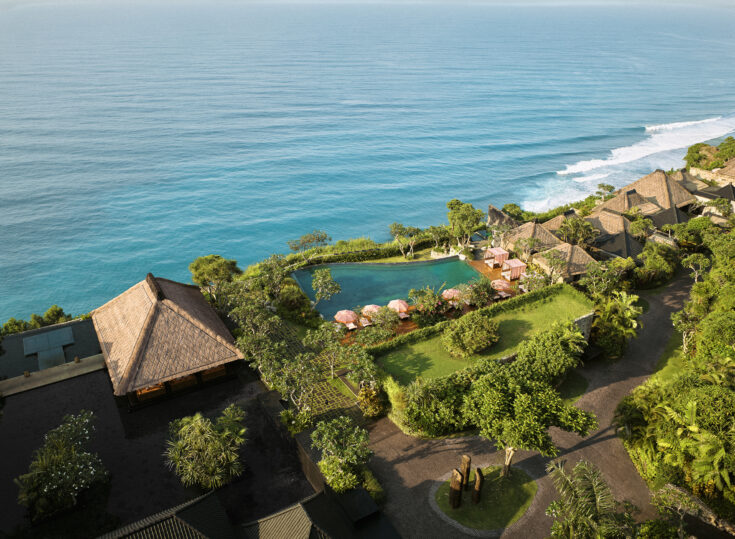
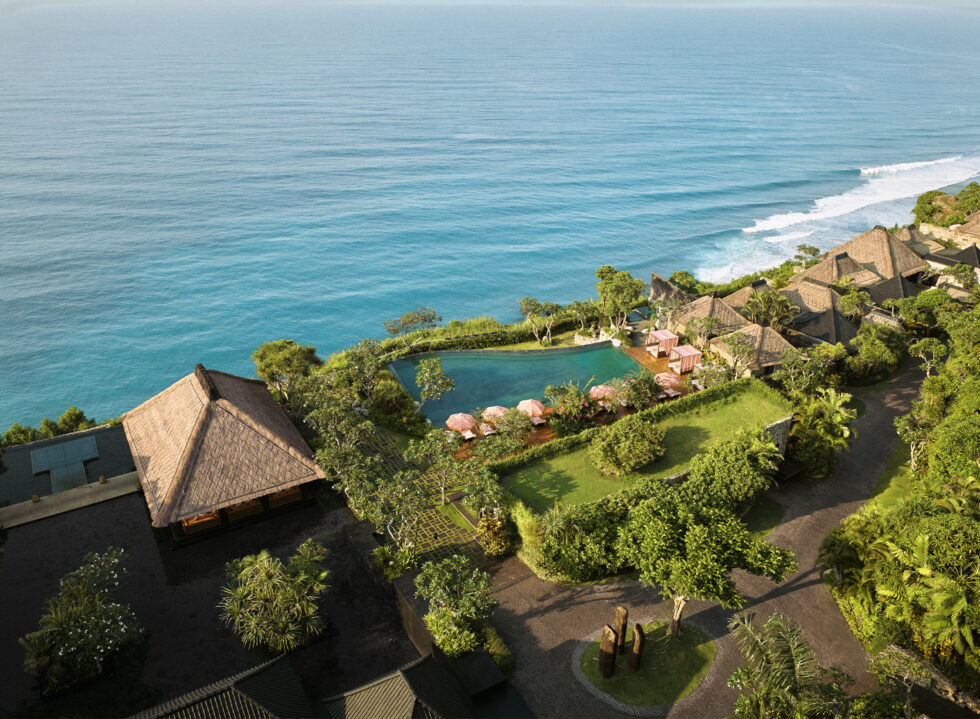
There is a temptation to describe Bvlgari Resort Bali as a convergence between Italy and Bali. Yet after a few days spent wandering the property that is set atop the cliffs of Uluwatu, there’s a sense that a more sensitive hand guides Bvlgari’s approach to Bali.
Unlike most luxury resorts, Bvlgari did not begin with hospitality. It began as a jewellery house in Rome in 1884, where the craft was never to overwhelm a gemstone, but to reveal its innate beauty. More than a century later, when the maison turned to hospitality, that instinct still feels quietly present.
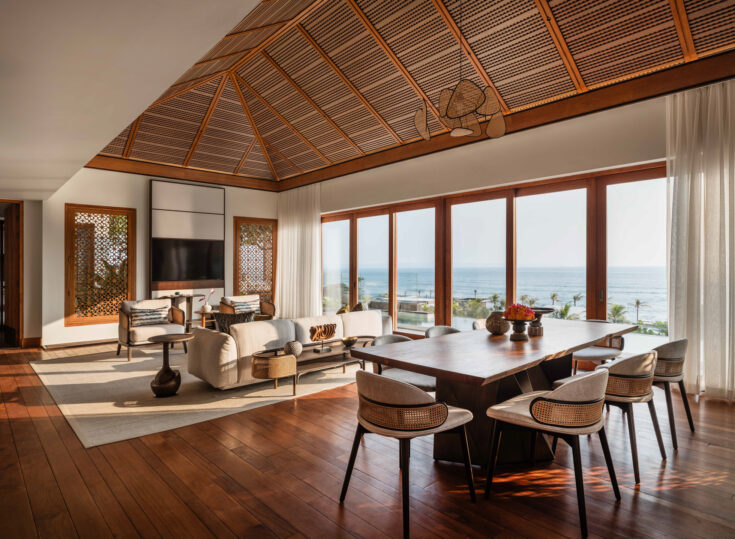
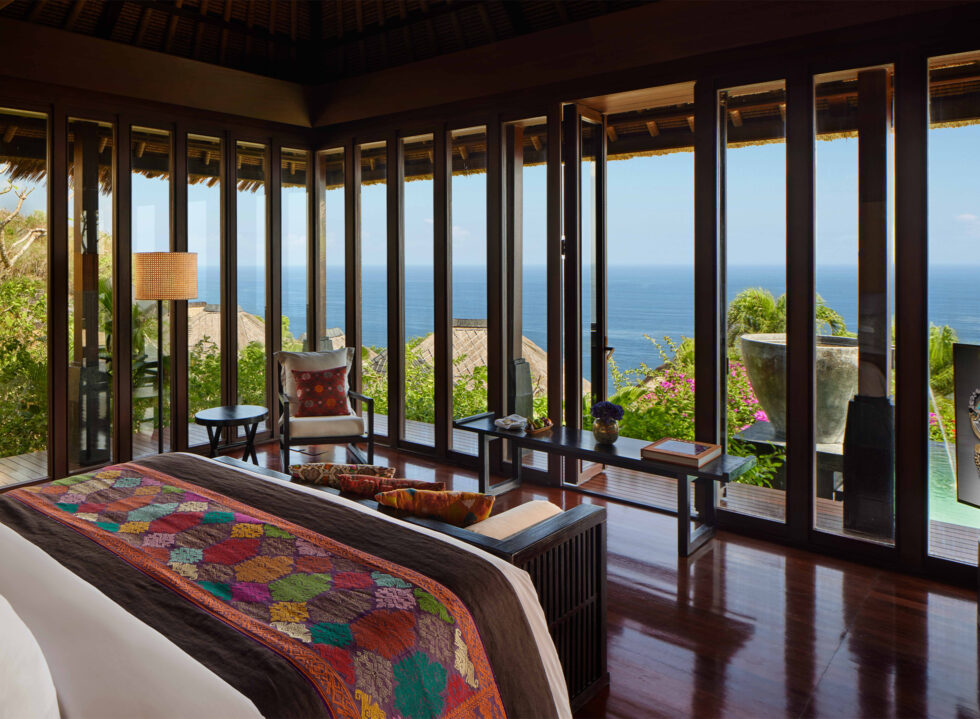
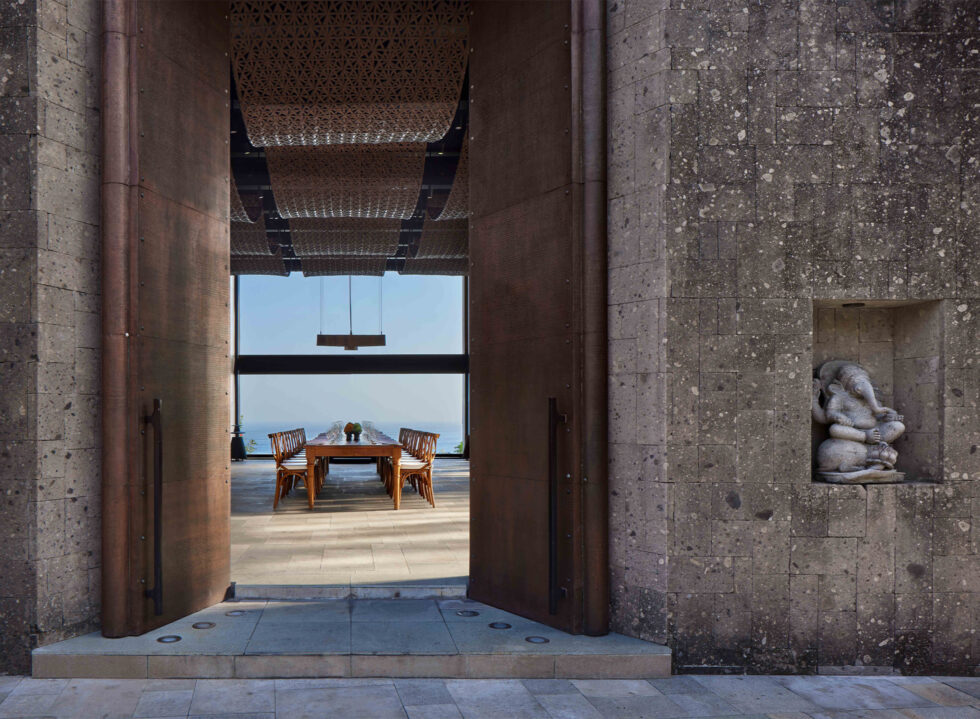
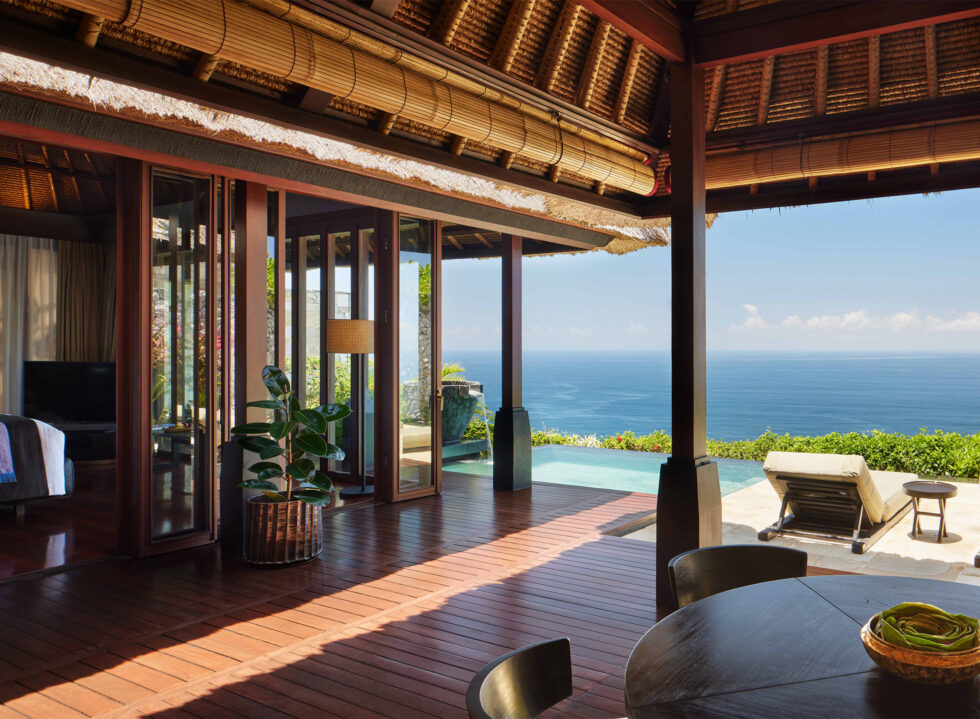
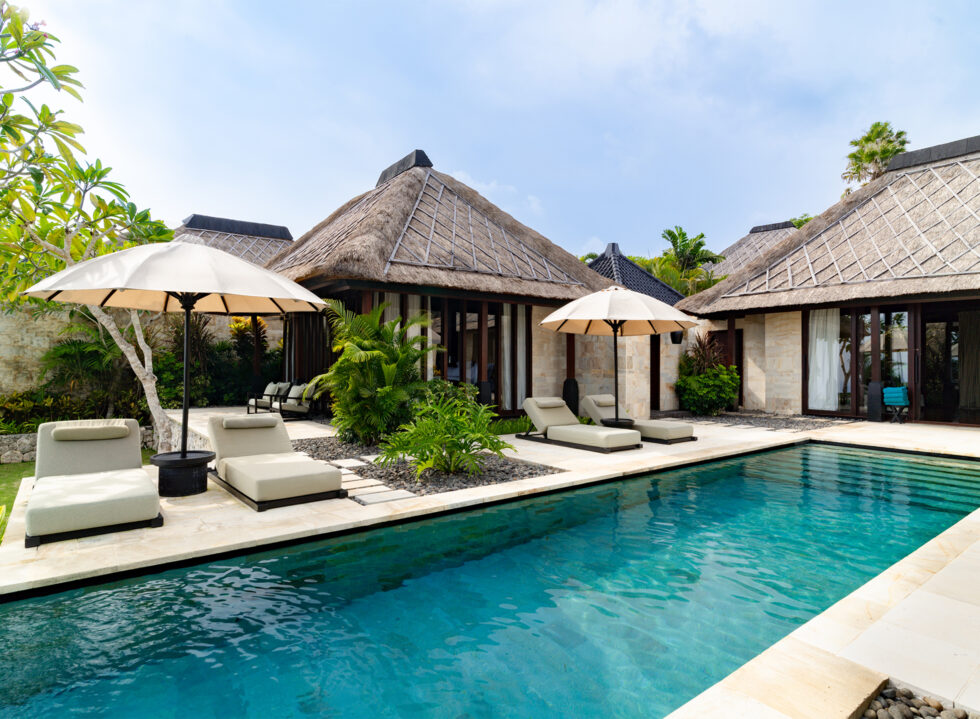
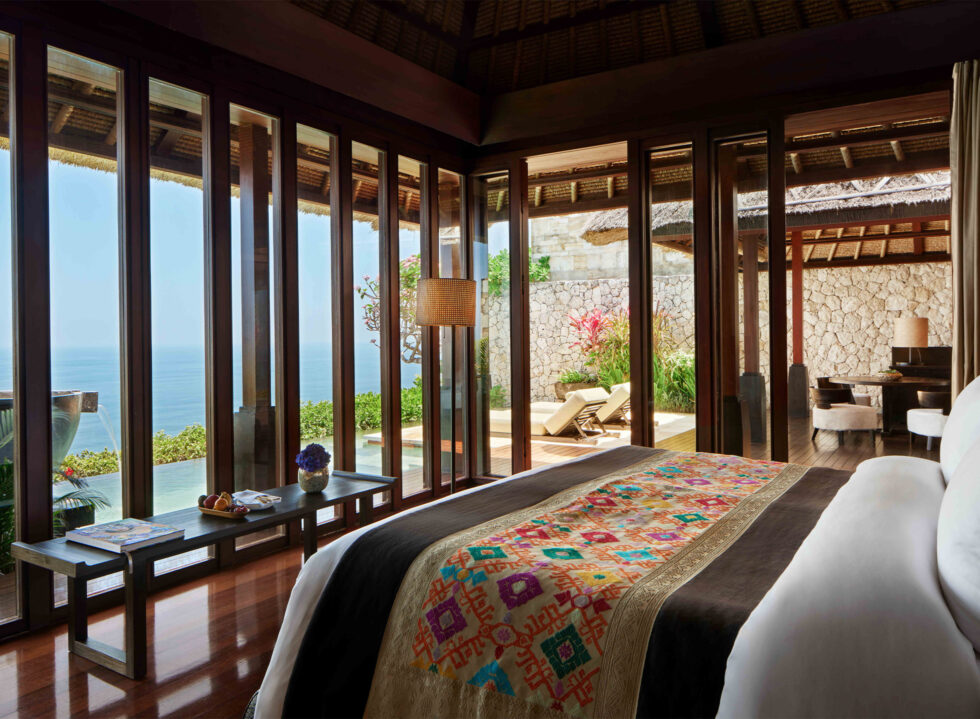
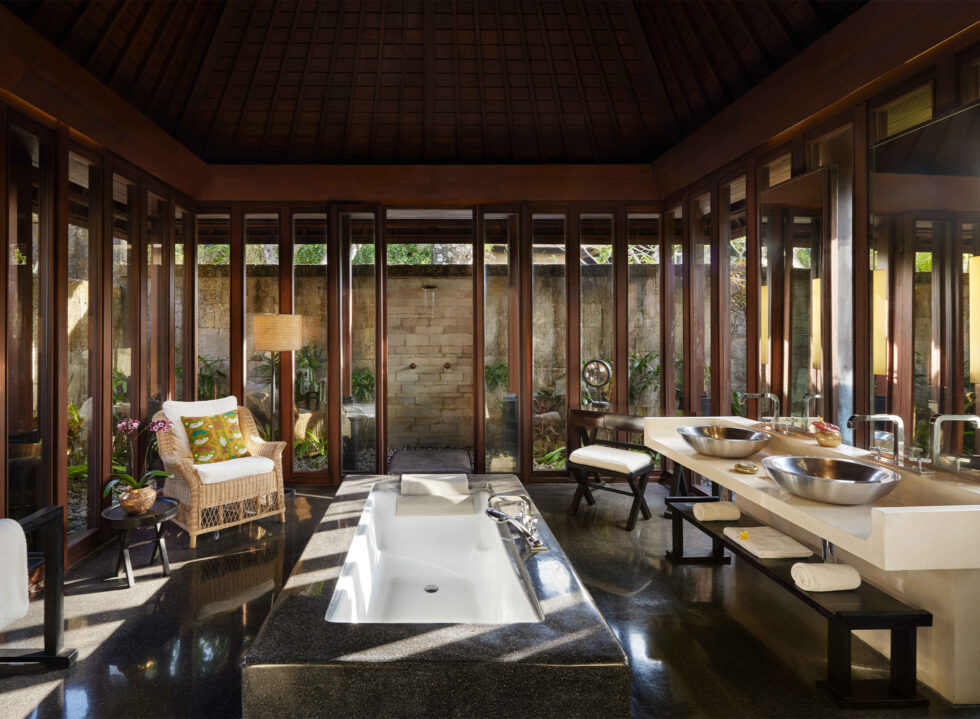
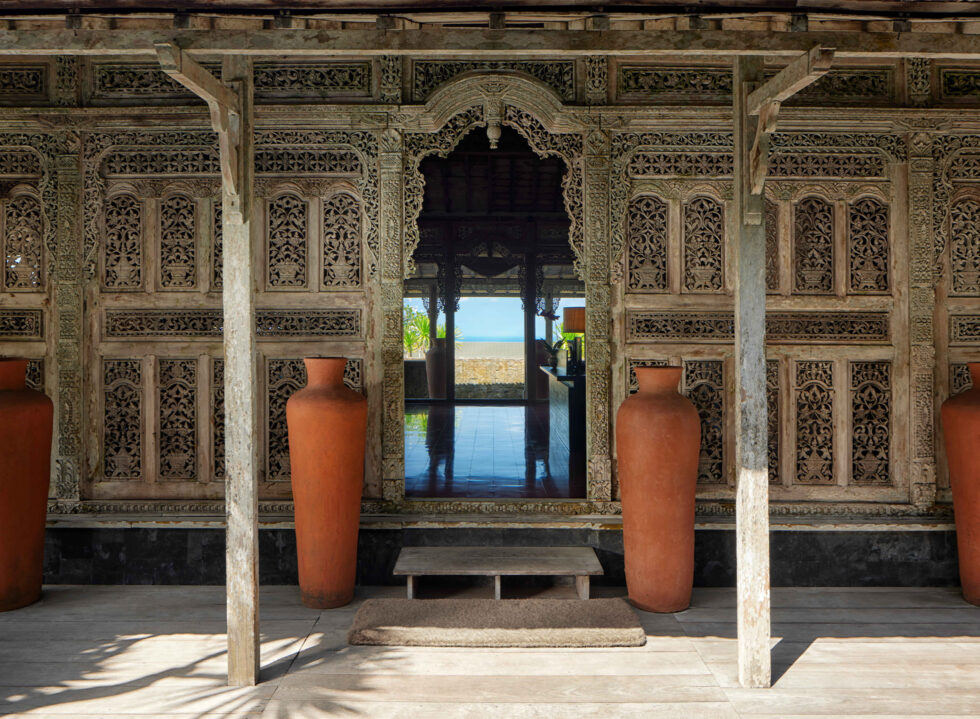
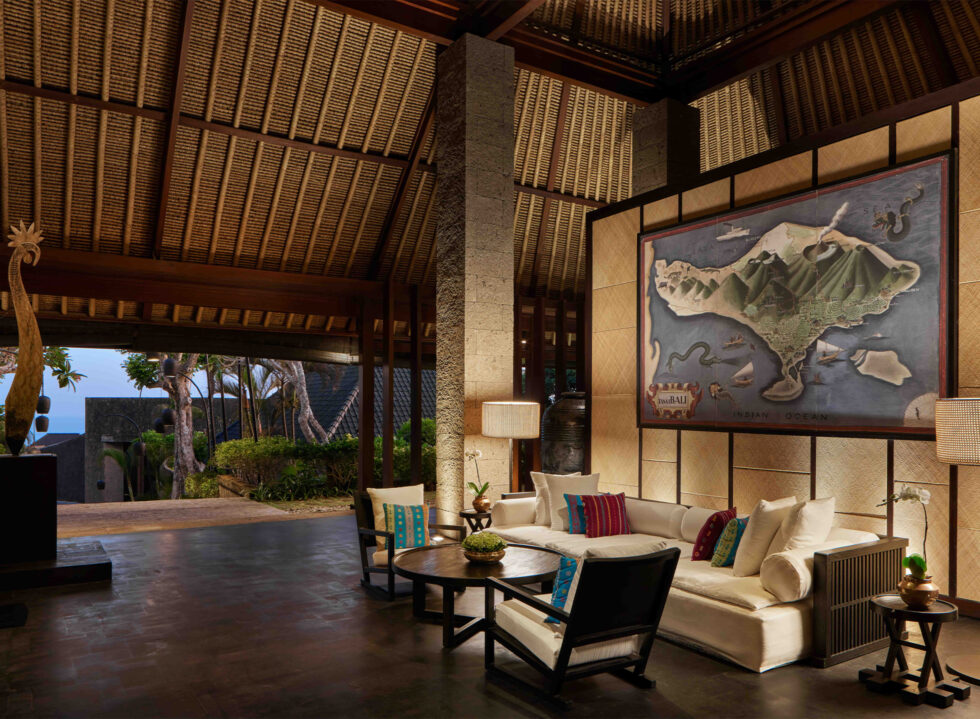
Opened in 2006, the character of Bvlgari Resort Bali is expressed through materials rather than motifs. Throughout the resort, attention naturally gravitates towards textures, proportions and craftsmanship. Stone walls are left to reveal their natural irregularities. Carefully chosen antiques sit comfortably alongside contemporary furniture without ever feeling staged. Handcrafted tableware feels reassuringly weighty in the hand. Everything here rewards closer inspection.
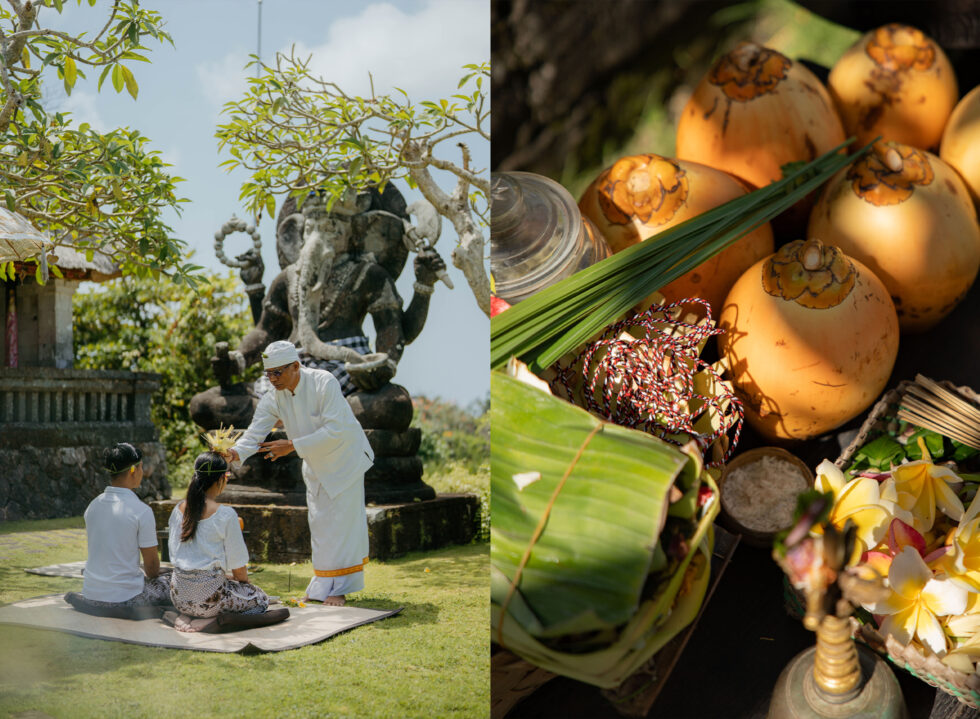
Walking through its narrow stone pathways and terraced villas occasionally evokes the quiet intimacy of an Italian hill town. Just as the thought emerges, another stretch of weathered stone, a carved doorway of the spa or a glimpse of a frangipani tree pulls the attention back to Bali. Bvlgari appears less interested in presenting itself as Balinese or in recreating Italy on the cliffs of Uluwatu than in allowing both identities to remain visible, almost as though they have discovered a shared vocabulary at the property.
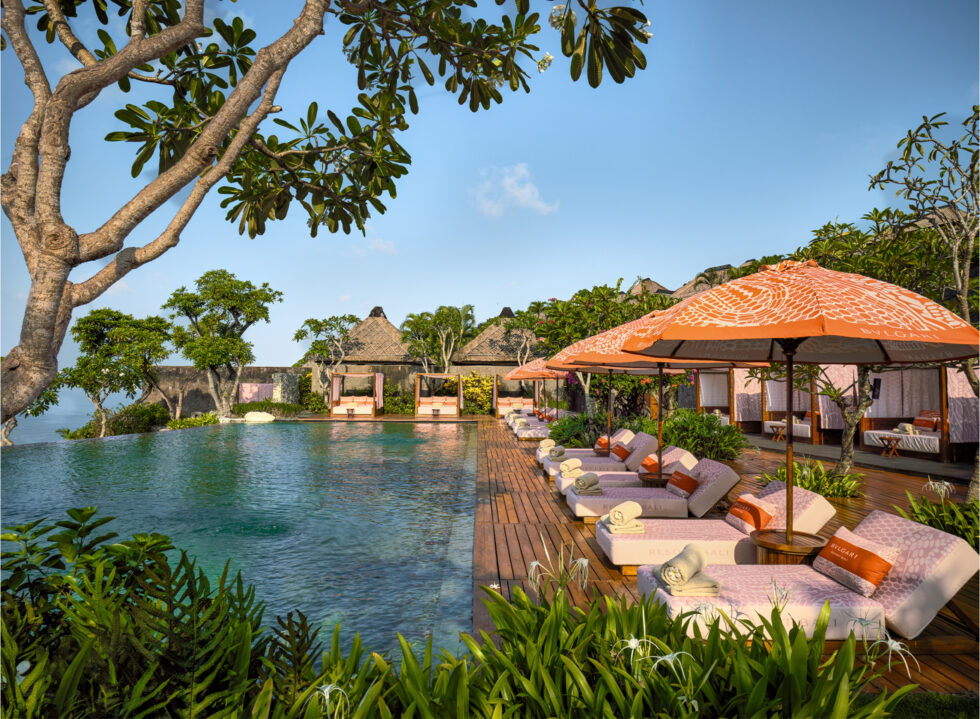
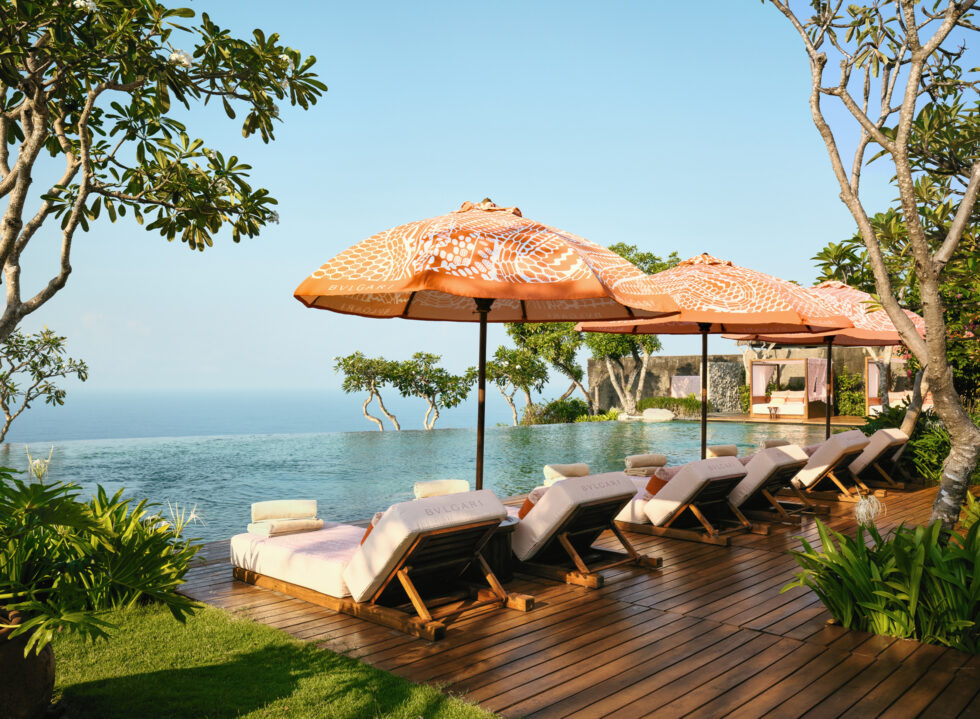
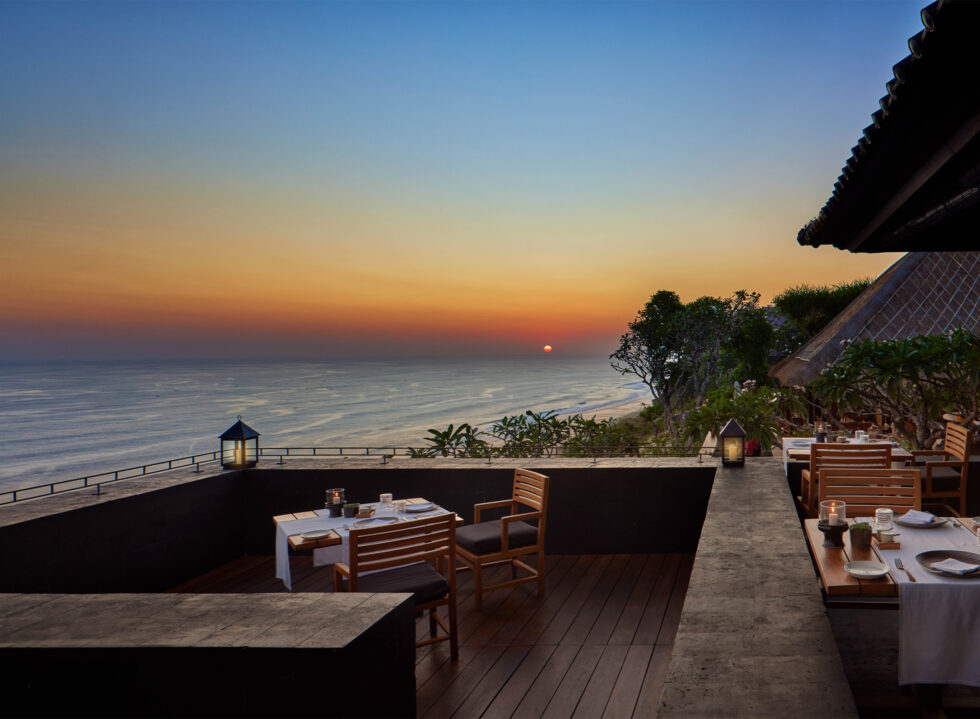
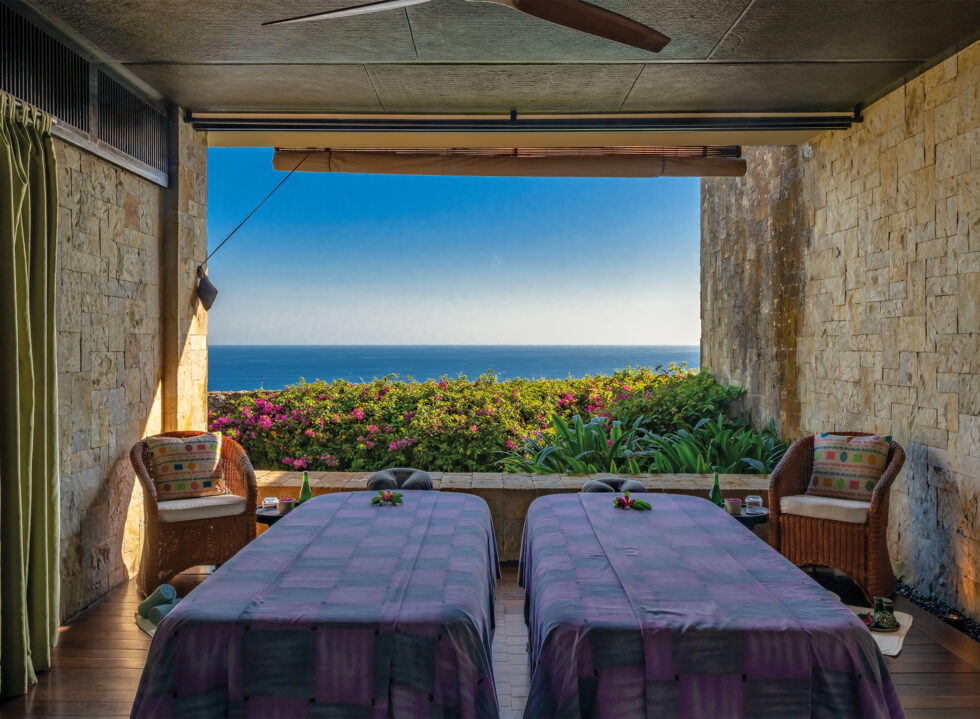
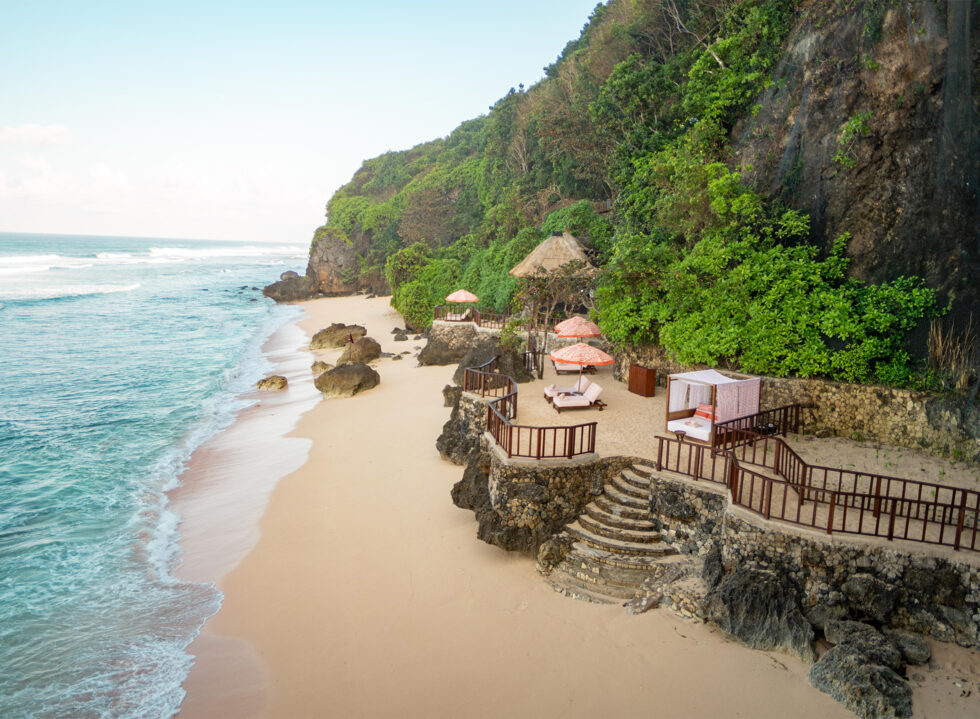
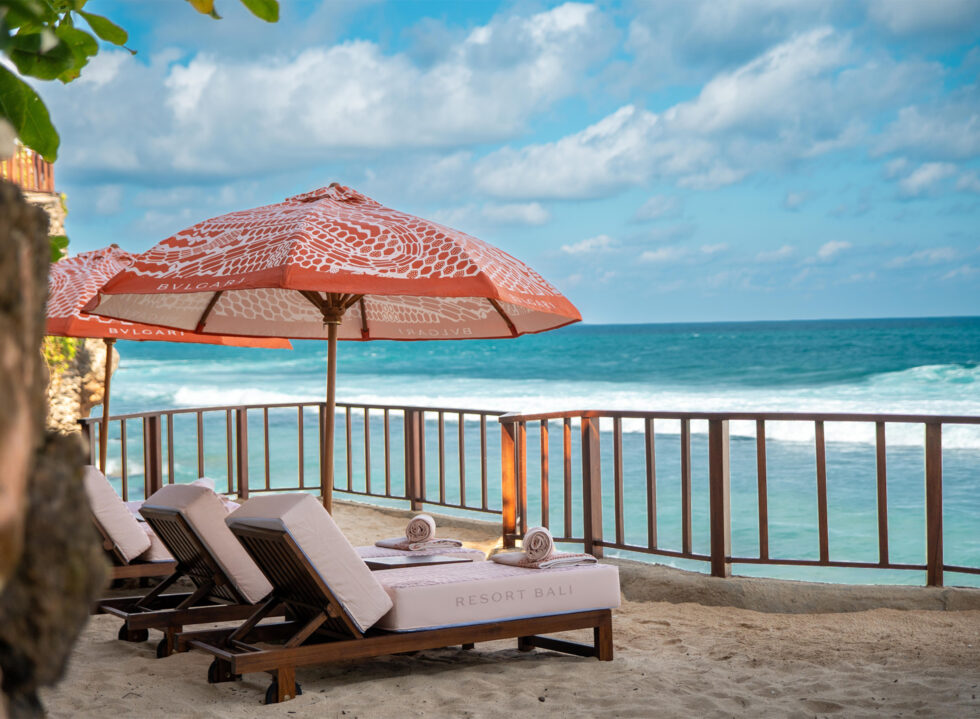
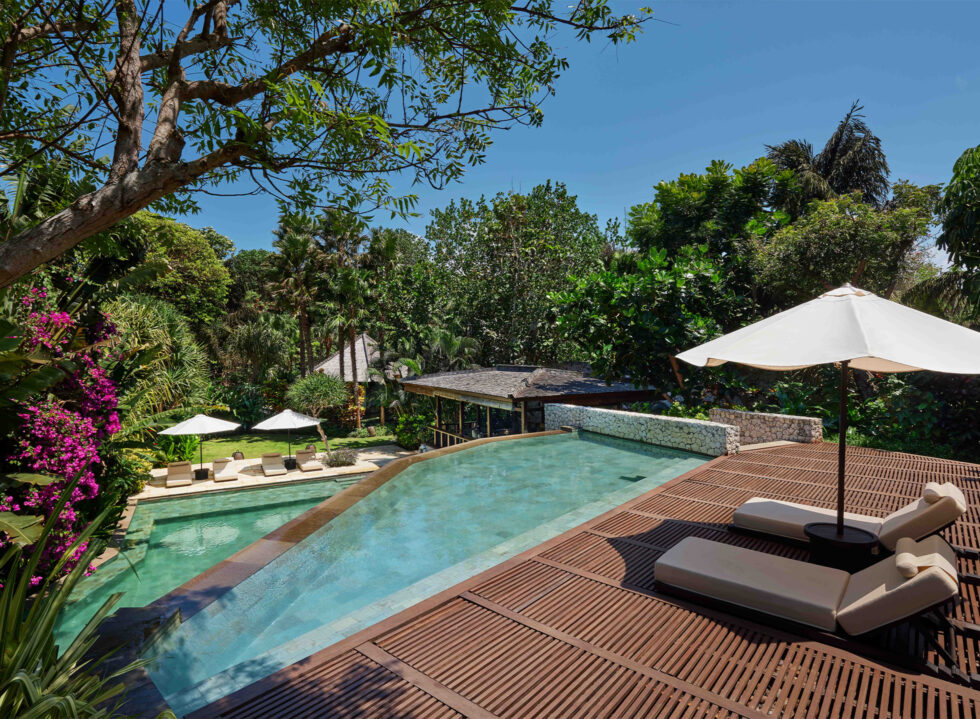
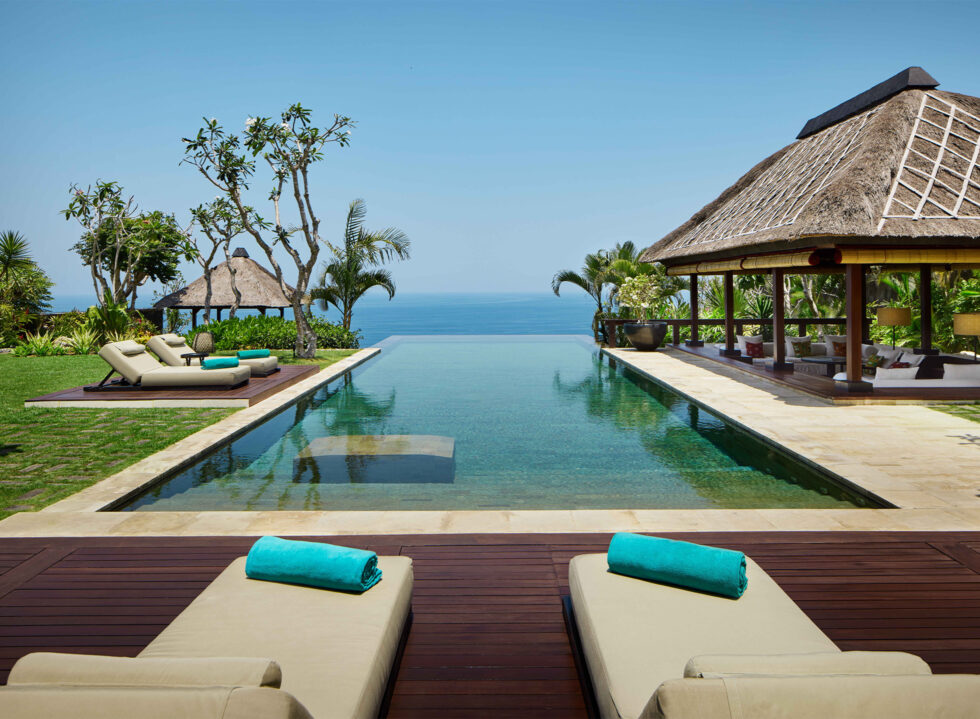
The dialogue between the two cultures is perhaps best contemplated by whiling away the day by the Serpenti Pool overlooking the Indian Ocean, extending towards the horizon. A trip down the private beach has a similar effect, especially with a good read where the pages are periodically punctuated by the sound of crashing waves. So too does the spa, in a treatment room where an open window frames the sky and ocean like nature’s Rothko.
Once one has noticed the shared vocabulary, it’s almost impossible to look away, especially as the dialogue finds its fullest expression over at the dining table.
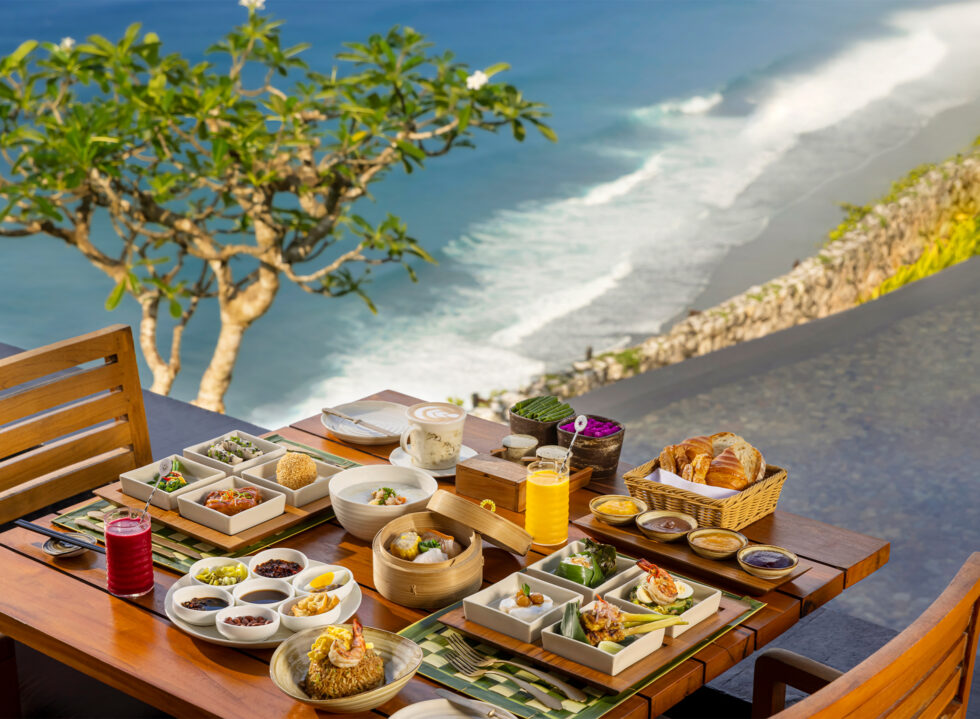
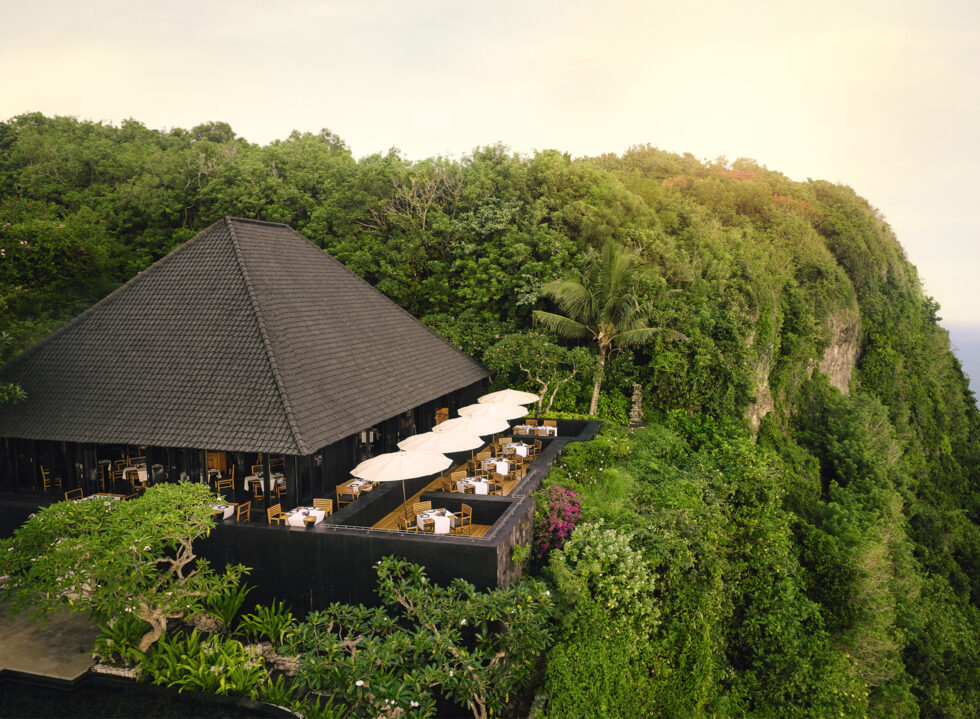
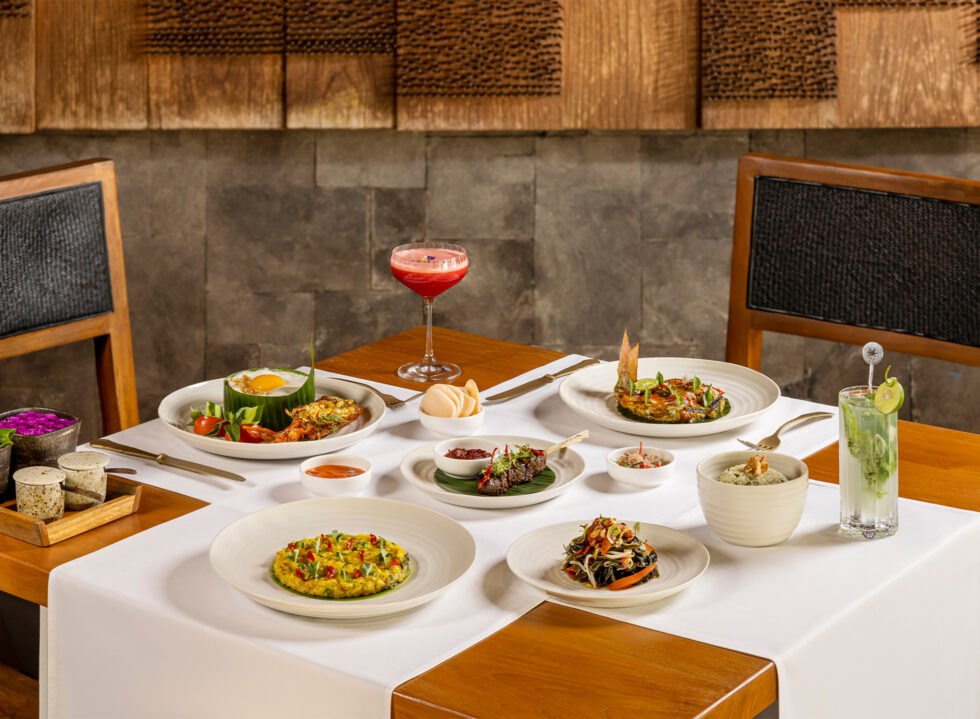
For years, Sangkar Restaurant has celebrated the diversity of Indonesian cuisine, grounding guests in the archipelago through regional recipes and local ingredients. In Balinese Ayam Sambal Matah, the shredded chicken, long beans and shallots are stacked between layers of rempeyek crackers like a sandwich tower, while grilled snapper dotted with sambal matah is carved so beautifully in a perfect flat circle that it resembles a comforting pancake from afar, betrayed only by its jutting tail.
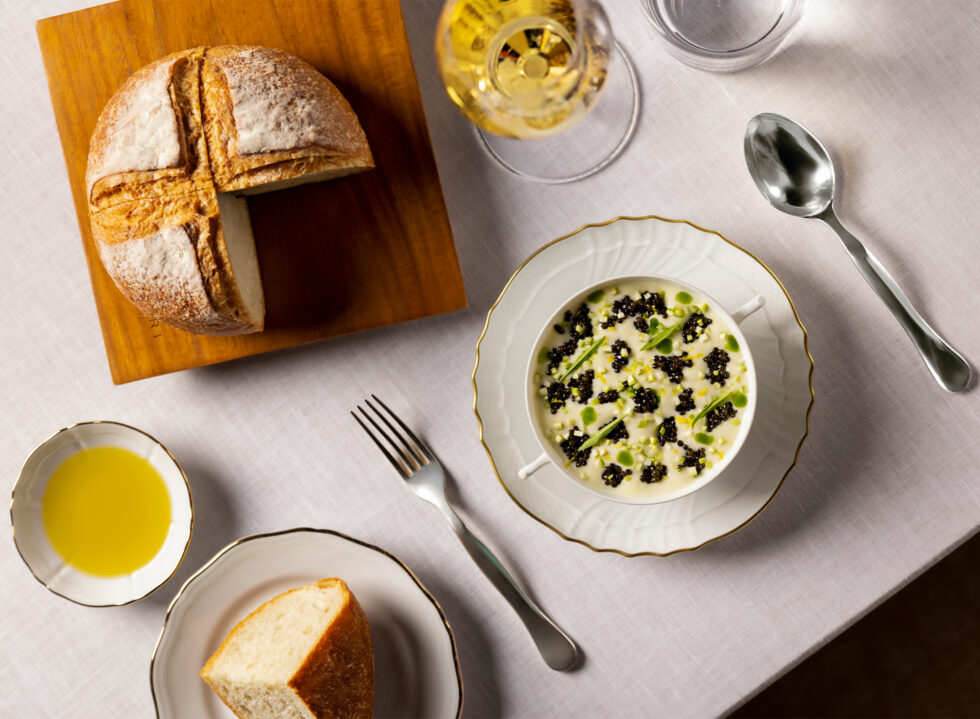
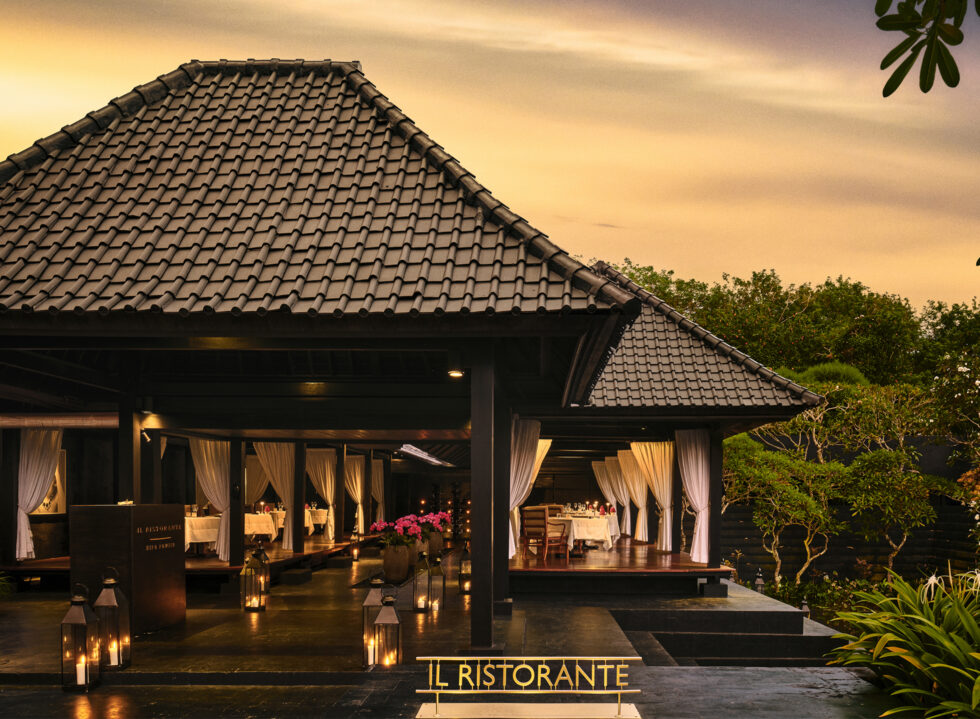
The recent arrival of Il Ristorante – Niko Romito introduces another voice, not as an international alternative to Indonesian cuisine, but as an equally authentic expression of contemporary Italy. Here, Romito’s hallmark of restraint is at most persuasive when little comes between the ingredient and the plate. Roasted zucchini is rendered into its creamy essence, arranged into an emerald-green disc and lined with pine nut cream and dotted with mint.
Neither restaurant attempts to speak in the other’s language nor competes for attention. Like the resort itself, guests are invited to move between the two cultural imaginations and encounter each on its own terms. In this sense, Bvlgari’s take on luxury is not to shape a place into something it is not, but to reveal what was already there.