
Rather than presenting Indonesian cuisine through its most familiar dishes, Suara looks beyond the usual canon to spotlight ingredients, techniques, and regional specialties from across the archipelago. The result is a menu that feels both rooted and exploratory, introducing lesser-known flavours without asking diners to abandon the communal rhythm of Indonesian dining.
Leading the kitchen is Head Chef Harum Indra Adi Saputra, whose experience across Bali, Australia, and Europe — including an internship at Noma — ultimately led him back to Indonesia with a renewed appreciation for the country’s culinary diversity. At Suara, that perspective takes shape through dishes that bring together traditions from different regions while allowing each to retain its own distinct voice.
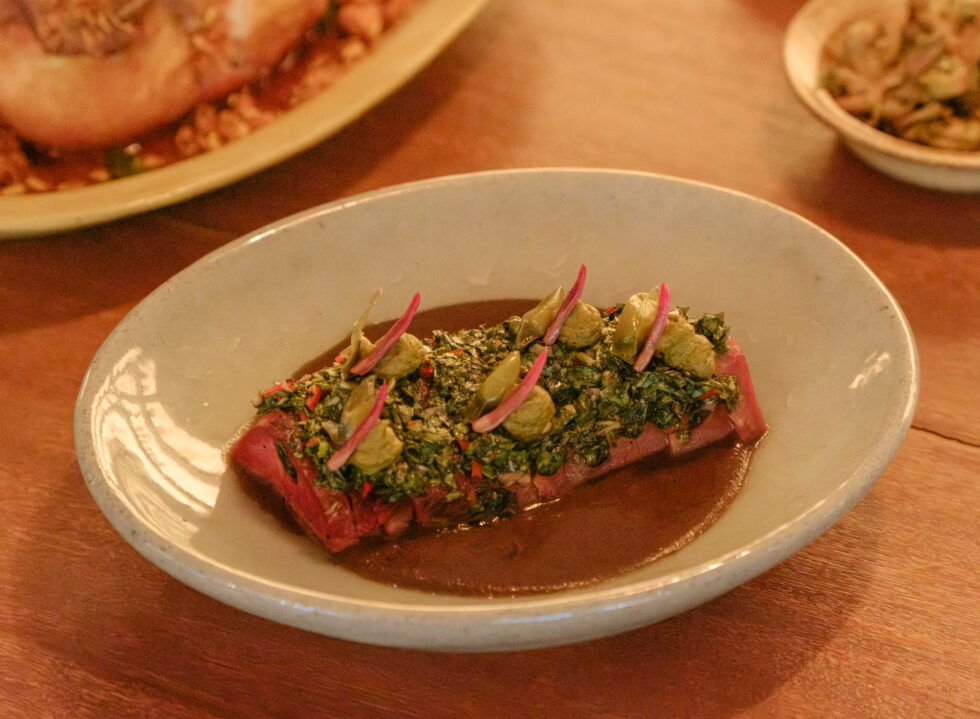
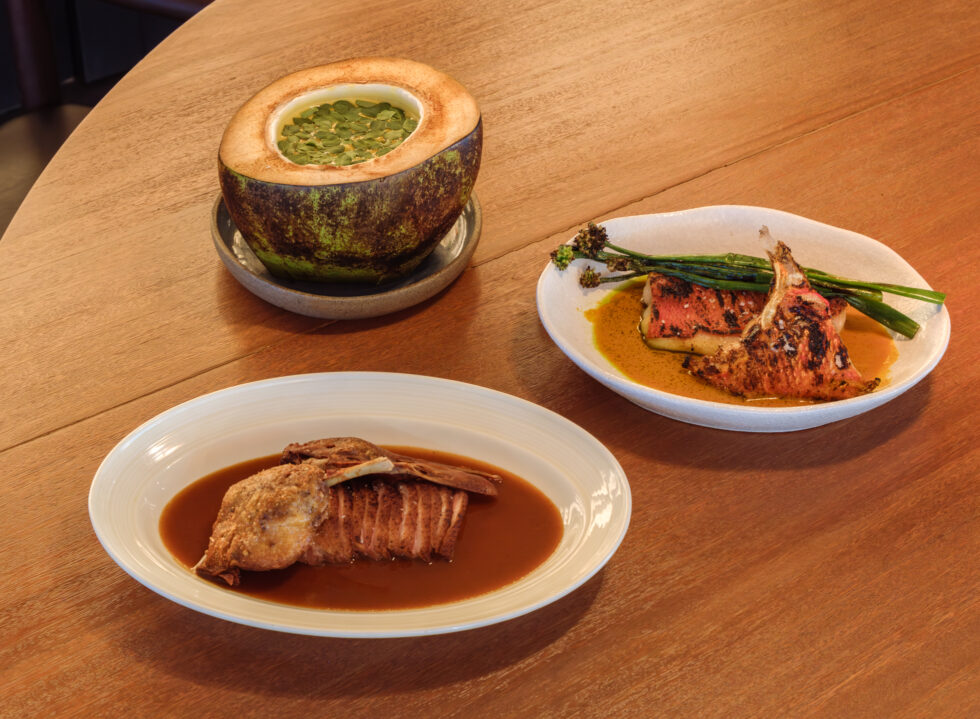
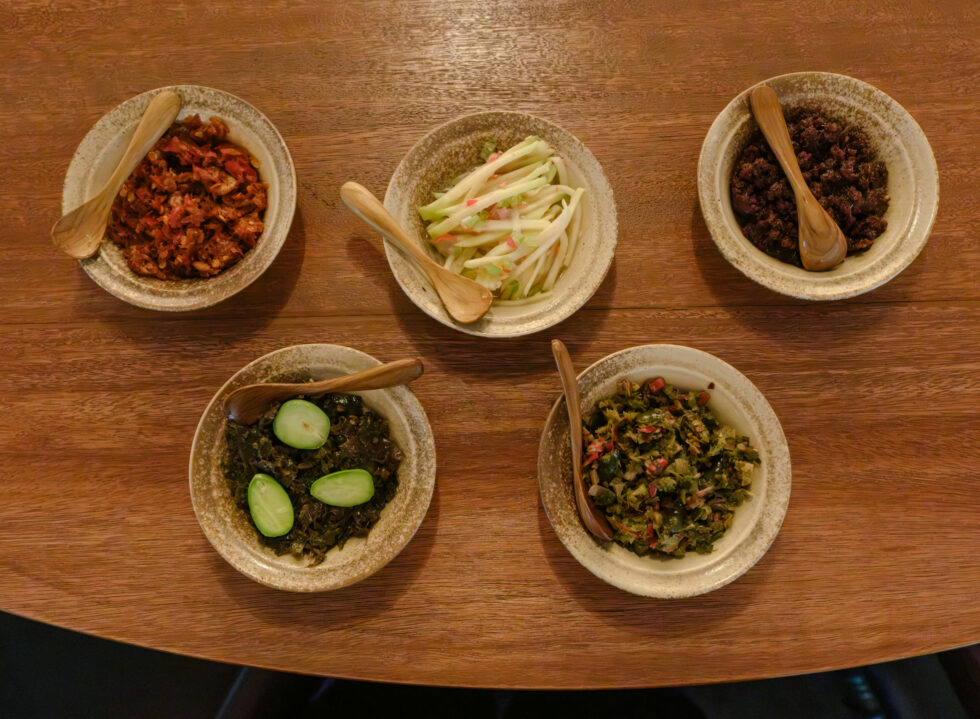
The menu’s journey across the archipelago begins with the appetisers. Among them, the Lidah Bakar Tuk-Tuk introduces Suara’s approach through a dialogue between regional flavours rather than a reinterpretation of a single tradition. The beef tongue is first braised before being finished over the grill, then paired with an Indonesian take on chimichurri made from daun kedondong, daun poh-pohan, kemangi, and coriander leaves. Its name comes from the accompanying sambal tuk tuk, a Batak chilli condiment from North Sumatra distinguished by the citrusy sharpness of andaliman, bringing another regional voice into the dish.
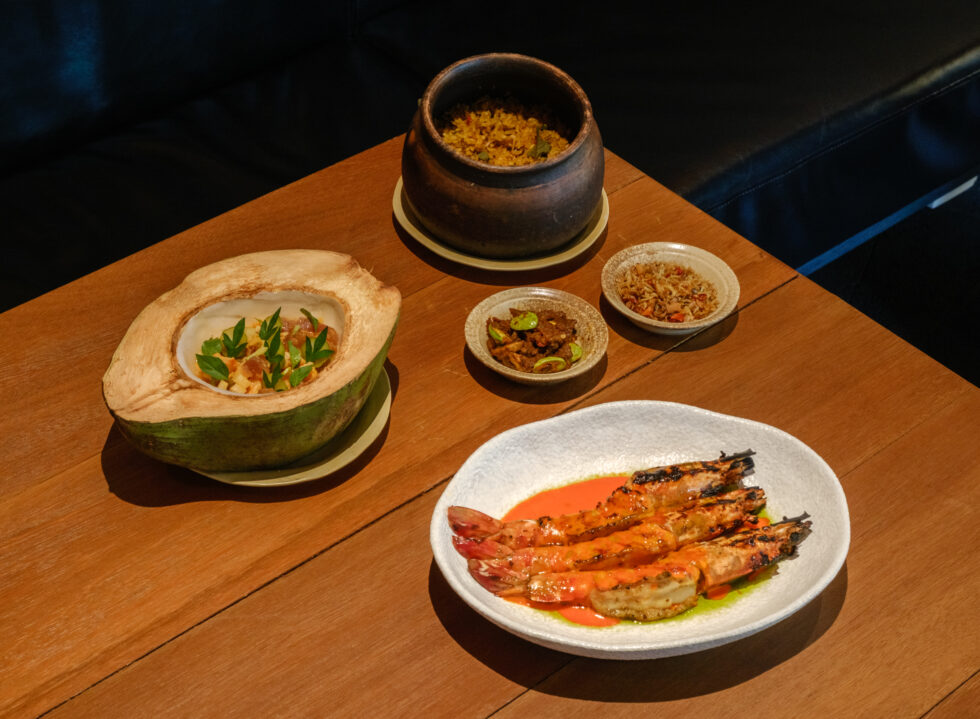
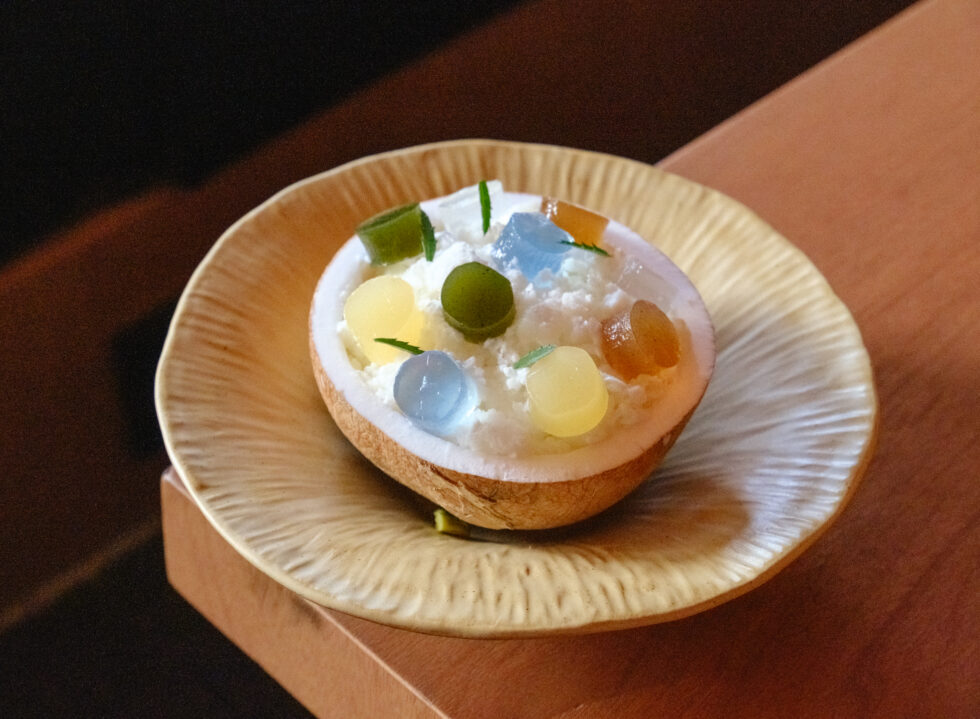
Few dishes express Suara’s regional dialogue more clearly than the Tuna Ganja Maluku. Sashimi-grade bluefin tuna from Maluku is paired with sambal asam udang from Aceh, creating a bright, tangy contrast that lifts the richness of the fish without overpowering it. Even the presentation continues the conversation. Served in a coconut shell, the dish quietly references one of Indonesia’s most enduring ingredients, weaving another familiar element of the archipelago into the dining experience.
Rather than prescribing a rigid progression from starter to main, Suara encourages a style of dining that feels instinctively Indonesian. Smaller dishes naturally find their place around the table before larger plates arrive, allowing meals to unfold through sharing rather than strict courses.
Among the mains, Chef Indra points to the Nasi Kendil Babat and Udang Bakar Sari Rasa as the dishes that best represent the restaurant’s philosophy, each bringing together regional references while remaining deeply familiar at the table. Tiger prawns from the southern waters of Java are brushed with garlic shio koji from Bali and soy sauce from Surabaya before being finished with kemangi oil. Meanwhile, the Nasi Kendil Babat begins with mentik susu rice from Magelang, cooked in the style of nasi goreng before being served in a kendil with Babat Balado Pete and sambal teri rebon. The finishing touches take place tableside, inviting diners to discover the thinking behind the dish through the servers.
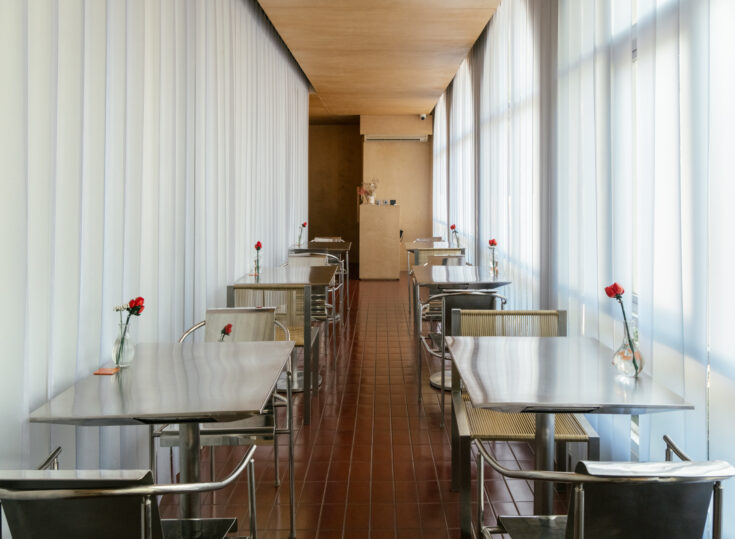
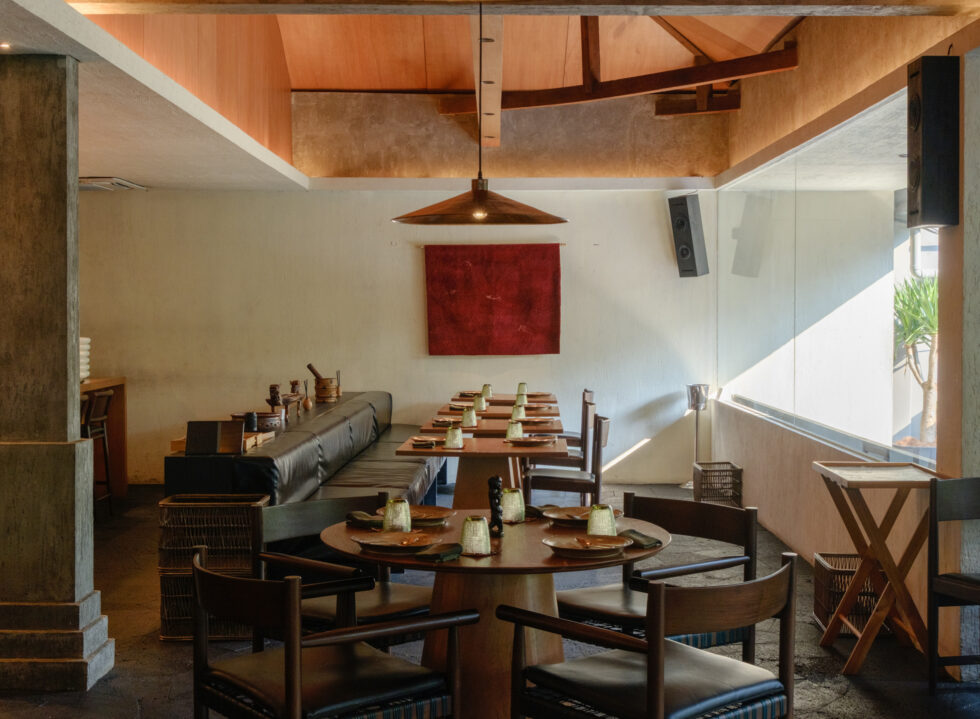
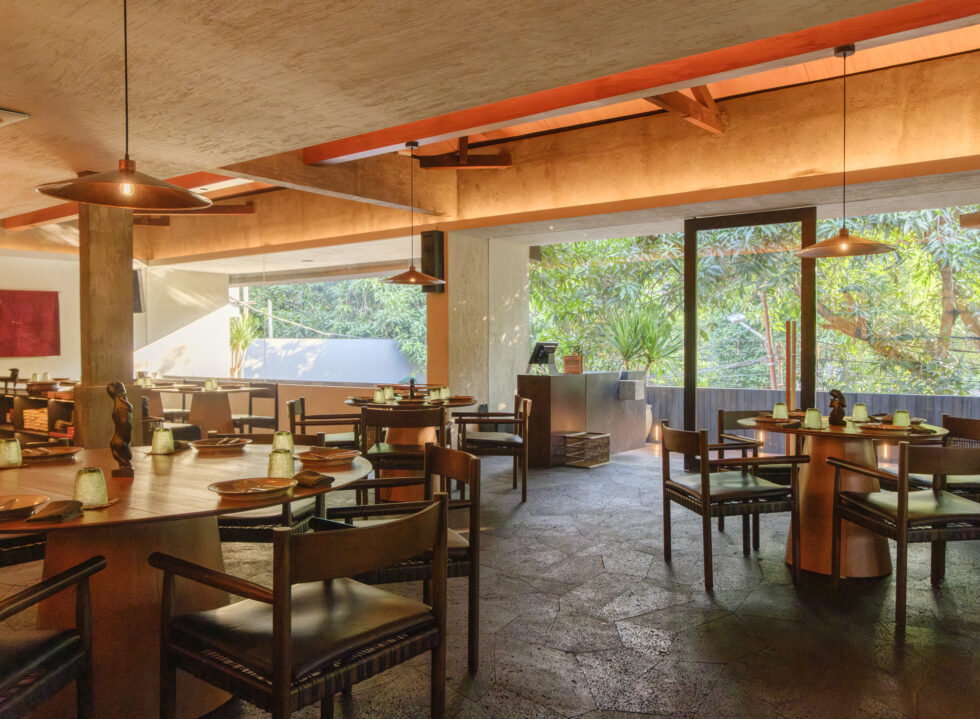
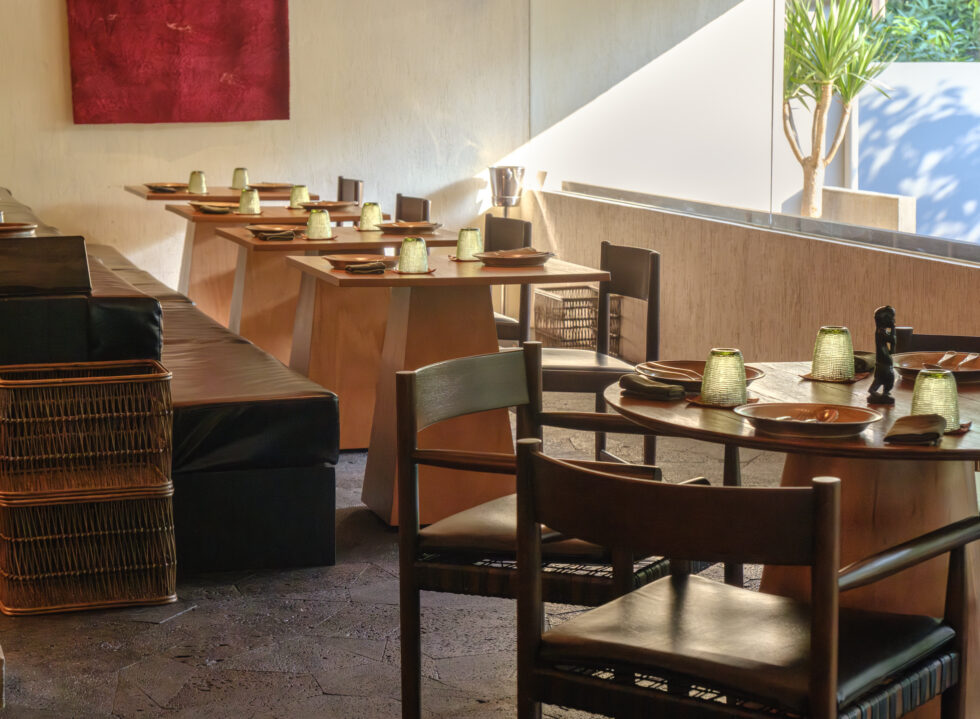
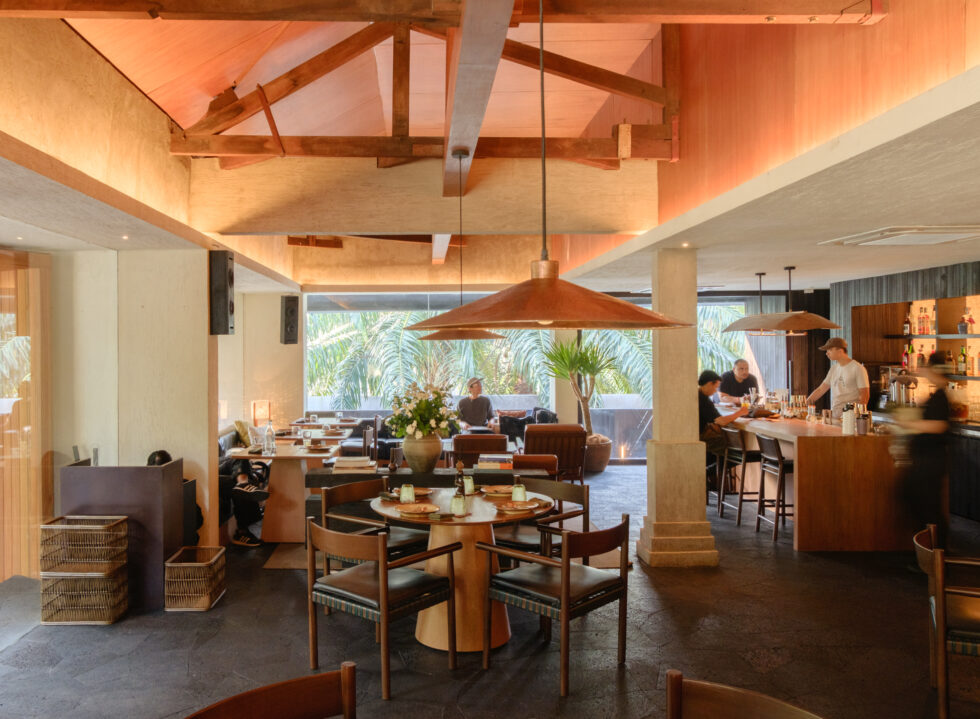
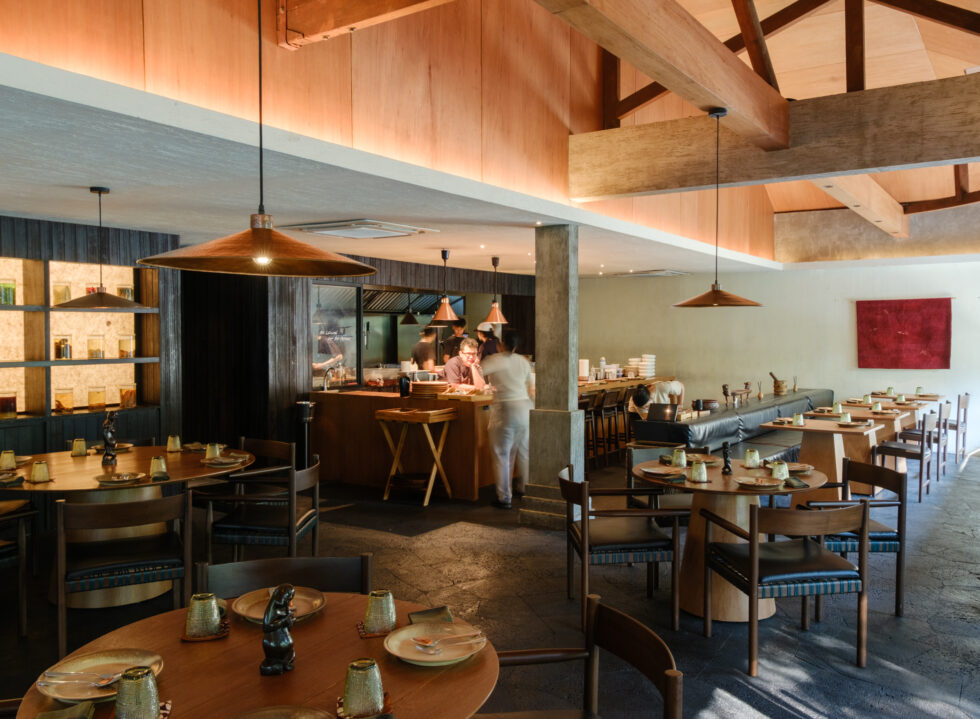
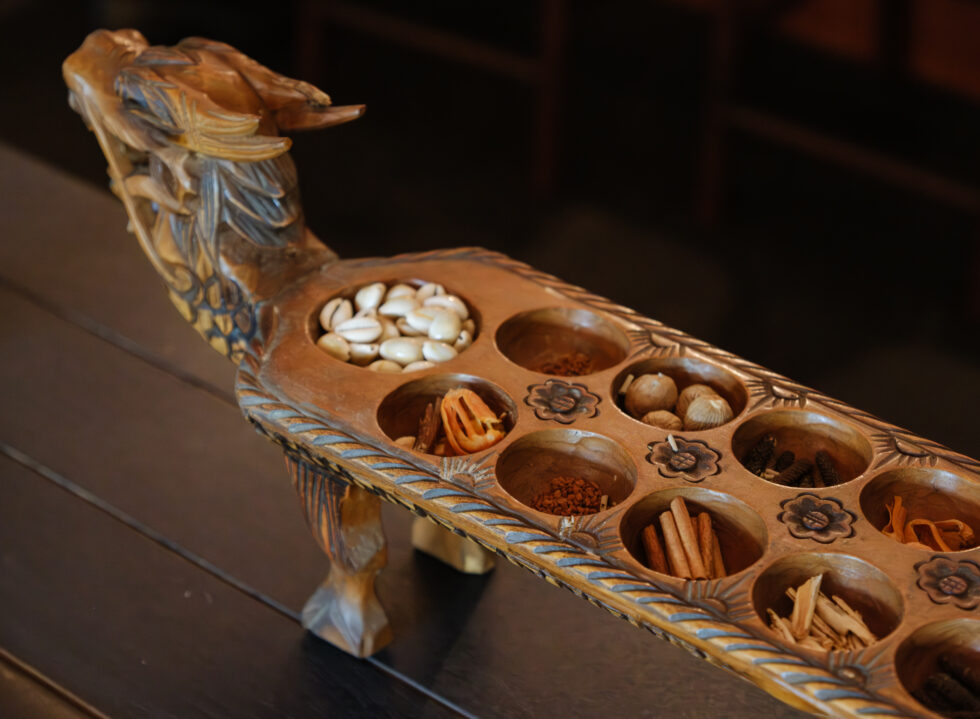
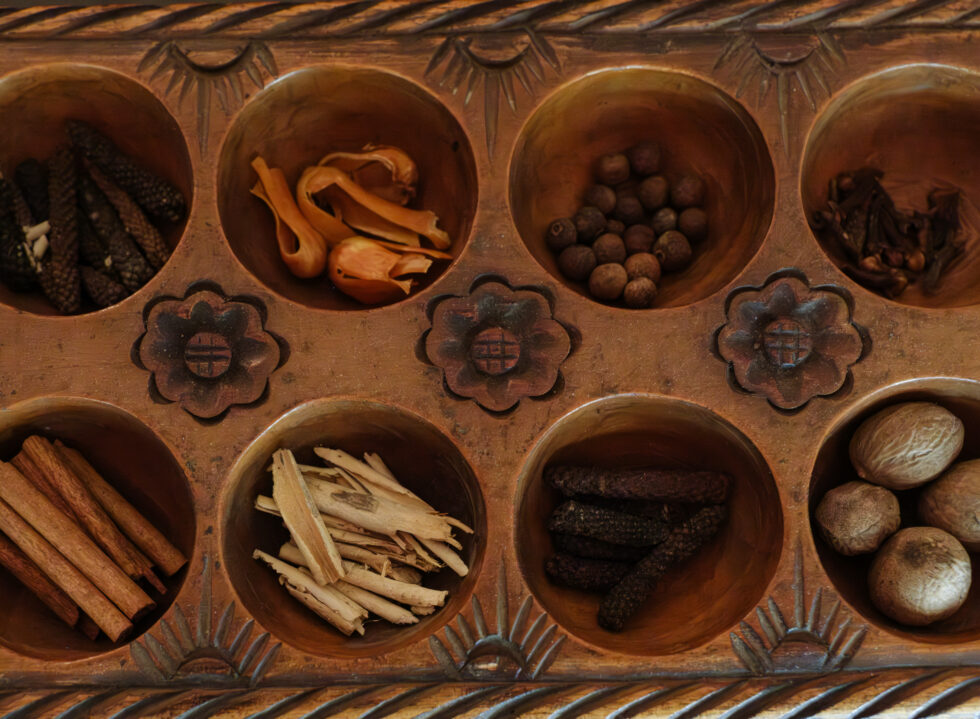
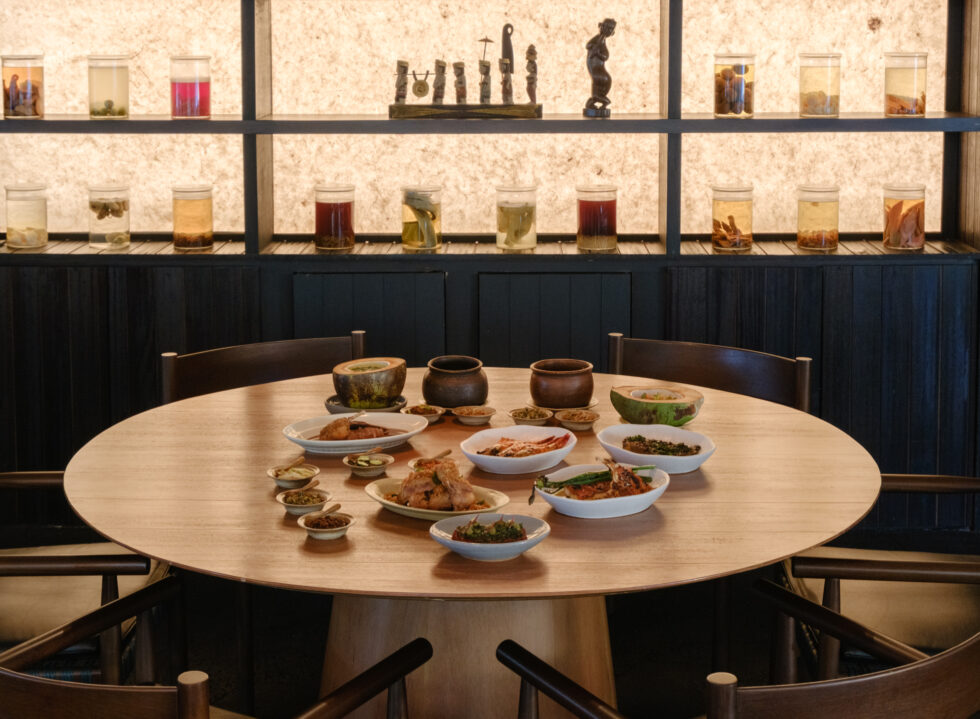
The same sense of openness carries into the dining room. Around the open kitchen, the aroma of spices and the rhythm of service become part of the experience, while ingredient displays and a wooden congklak repurposed as a spice vessel quietly reinforce the restaurant’s connection to Indonesian culinary traditions. Round tables encourage dishes to be shared naturally among diners, allowing meals to unfold much as they would in many Indonesian homes. Afterwards, the adjoining lounge offers a natural continuation to the evening, whether over cocktails or desserts like the Es Teler Durian.
Rather than attempting to define Indonesian cuisine through a single region or tradition, Suara embraces its many voices. Familiar flavours sit alongside lesser-known regional references, encouraging diners to move across the archipelago one dish at a time. In doing so, the restaurant offers a reminder that Indonesian cuisine is perhaps best understood not as one singular tradition, but as an ongoing conversation between places, ingredients, and the people who continue to reinterpret them.