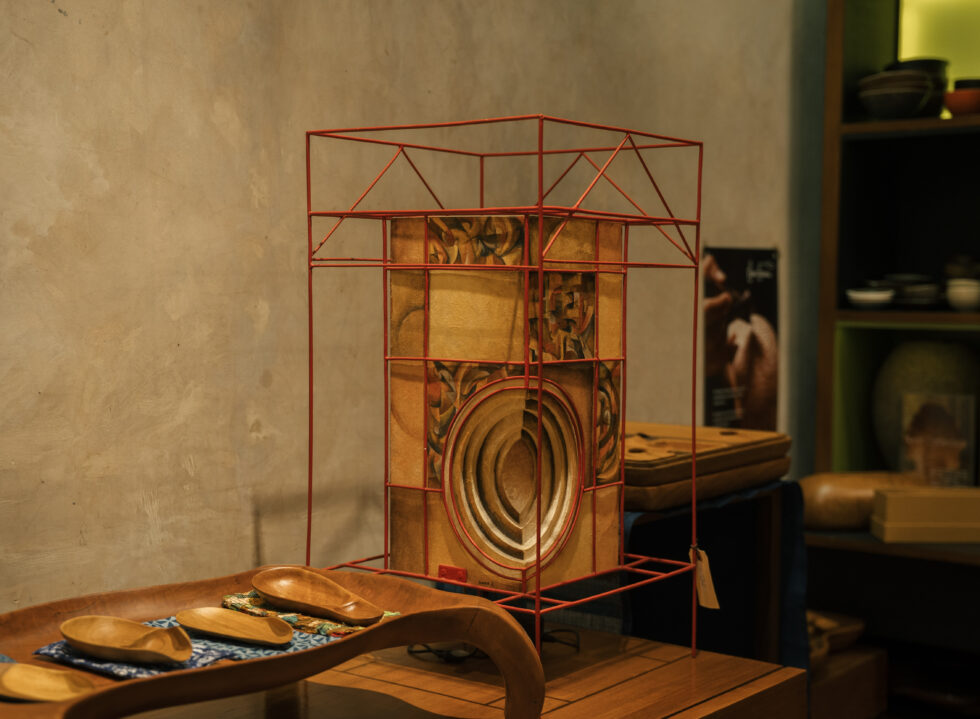
For more than four decades, Birubeeru has been shaped by craft. Founded in Solo by Yusman Siswandi and Inke Rafida, the family-run brand is known for batik textiles, ceramic tableware and handcrafted furniture, made with a steady devotion to material and process. Over the years, its work has expanded from handwoven fabrics into woodwork and ceramics, guided by a belief in objects made for everyday use.
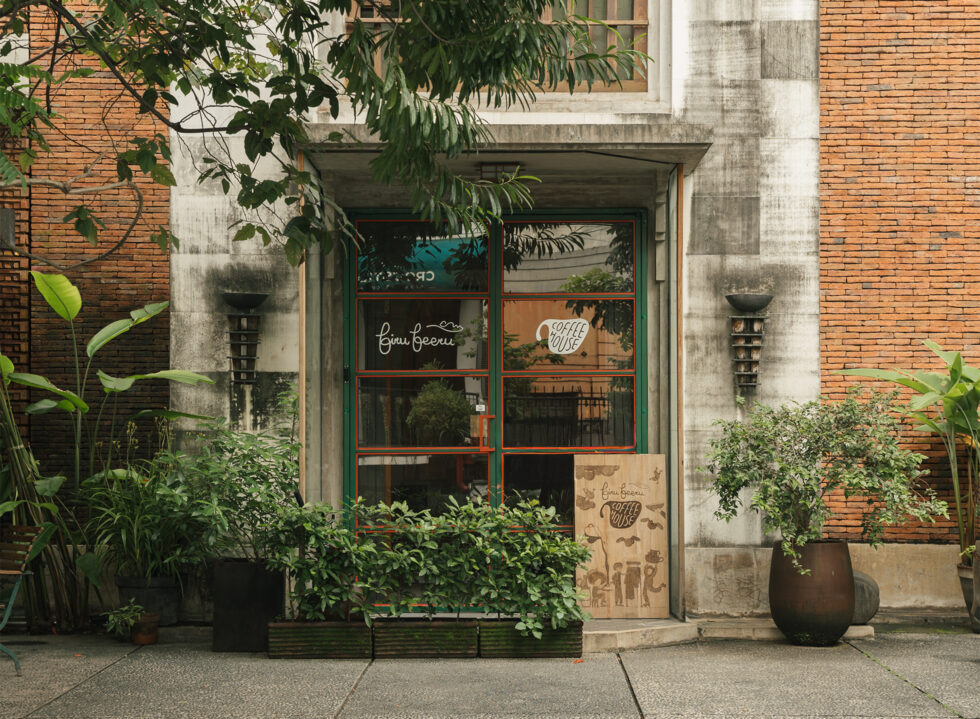
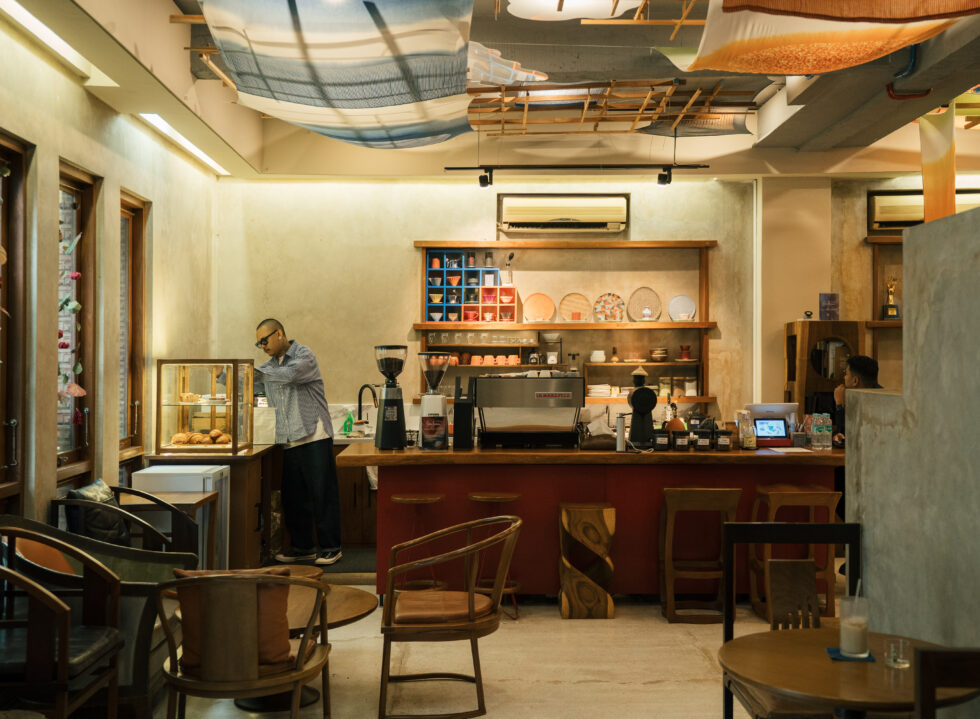
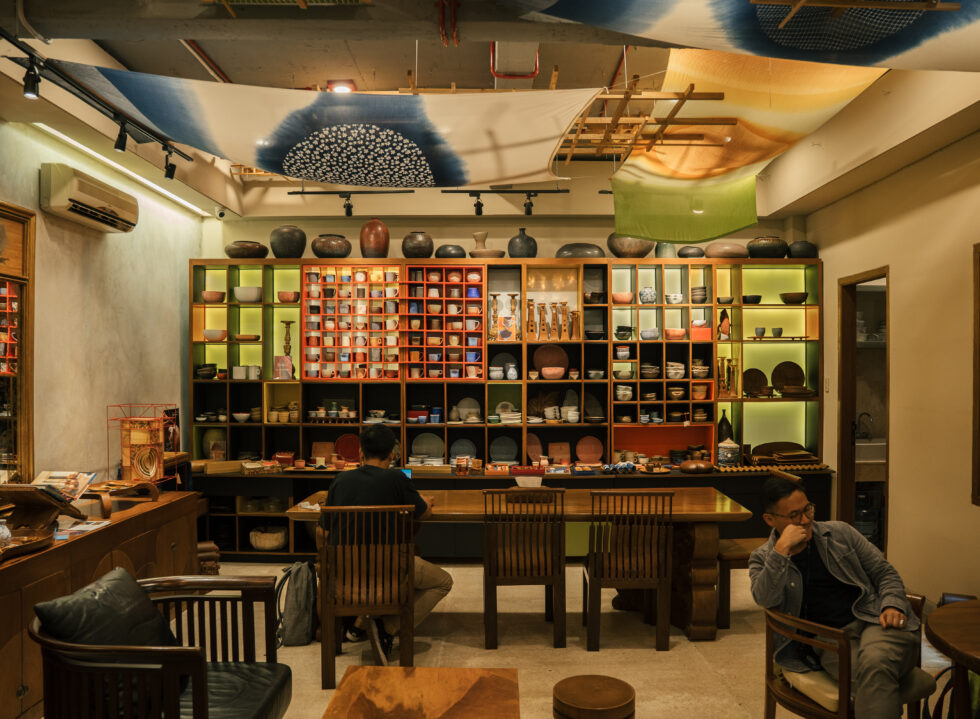
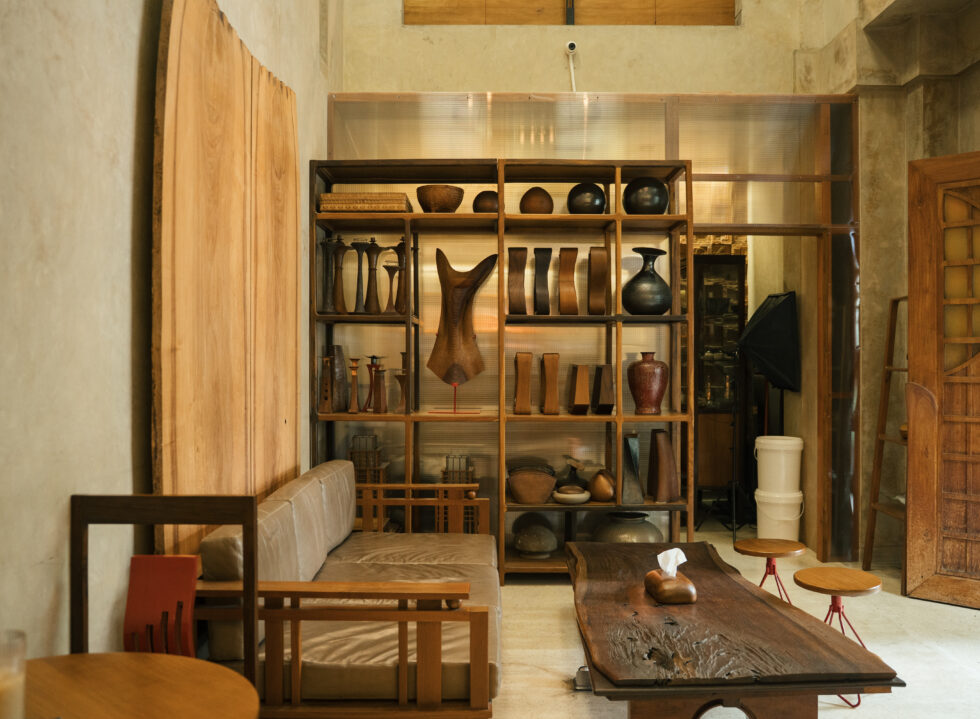
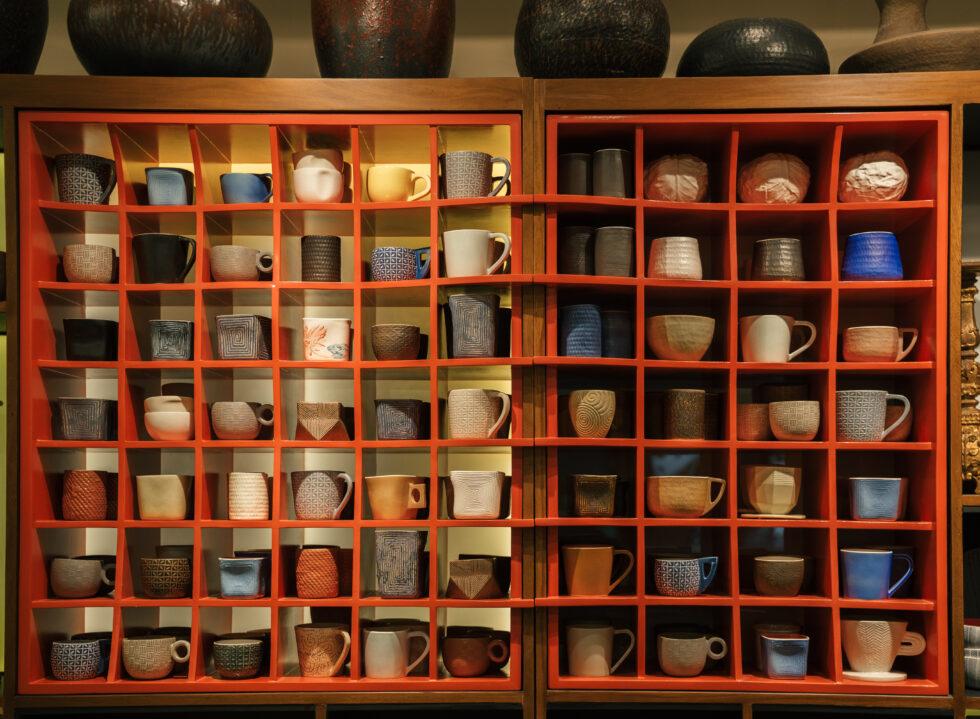
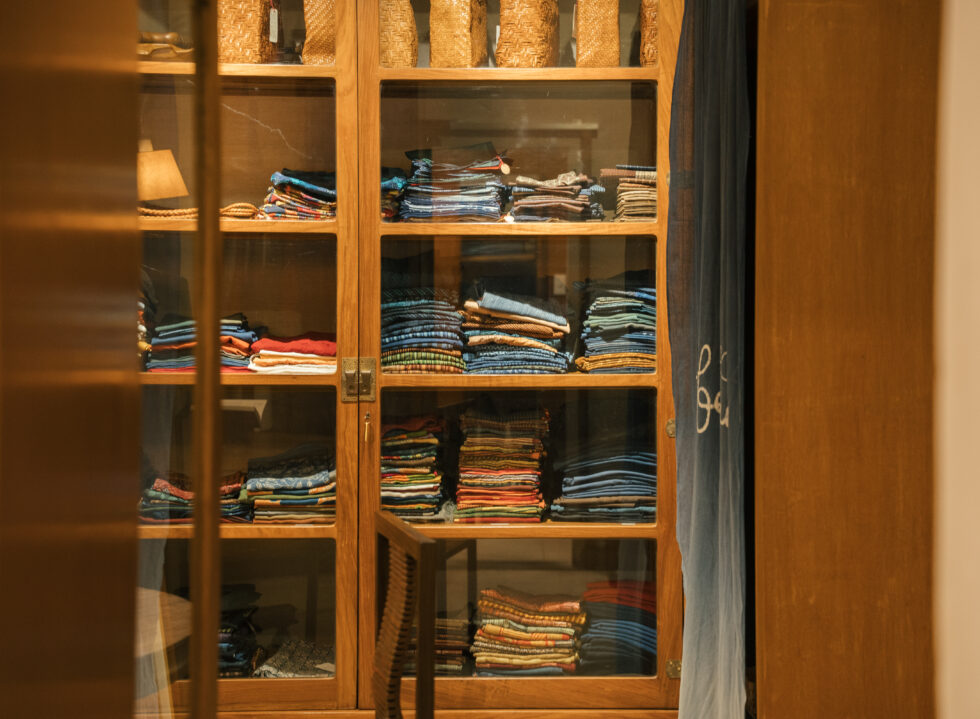
That philosophy now extends into Birubeeru Coffee House. Shaped by the founders’ long-standing love of coffee, it is not a departure from the brand’s identity but a continuation, championing Indonesian craft through a curated selection of local beans. The Menteng location occupies a former Birubeeru showroom, designed and furnished by the team themselves. The transition feels natural. Coffee is served among shelves of ceramic bowls and cups from the brand’s collection, while in an adjoining room, neatly folded batik pieces rest behind a partially open door, as though they have always belonged.
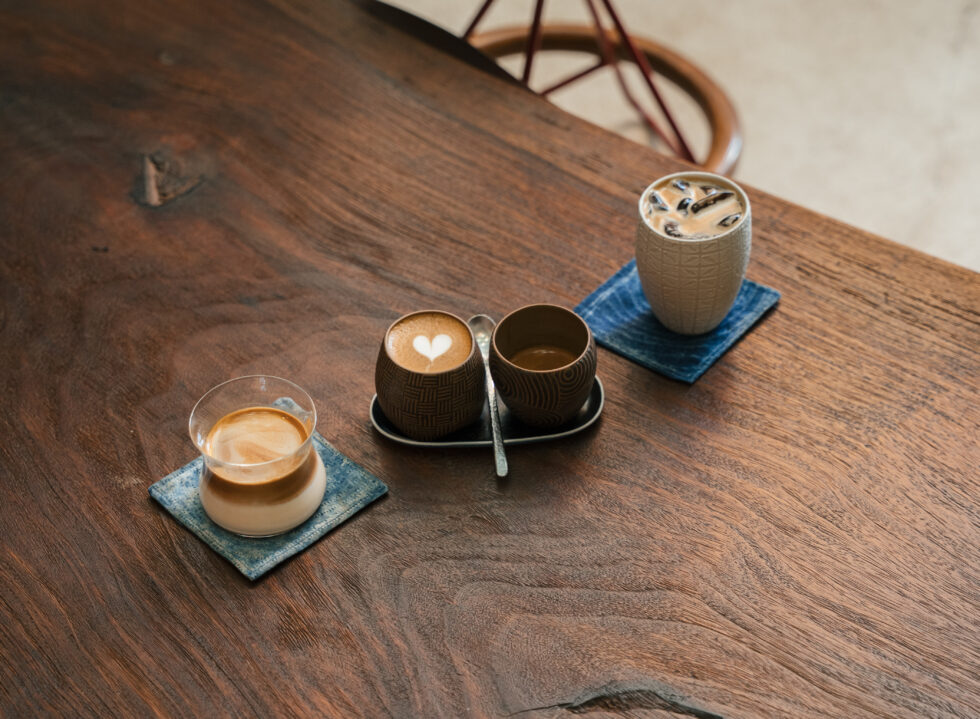
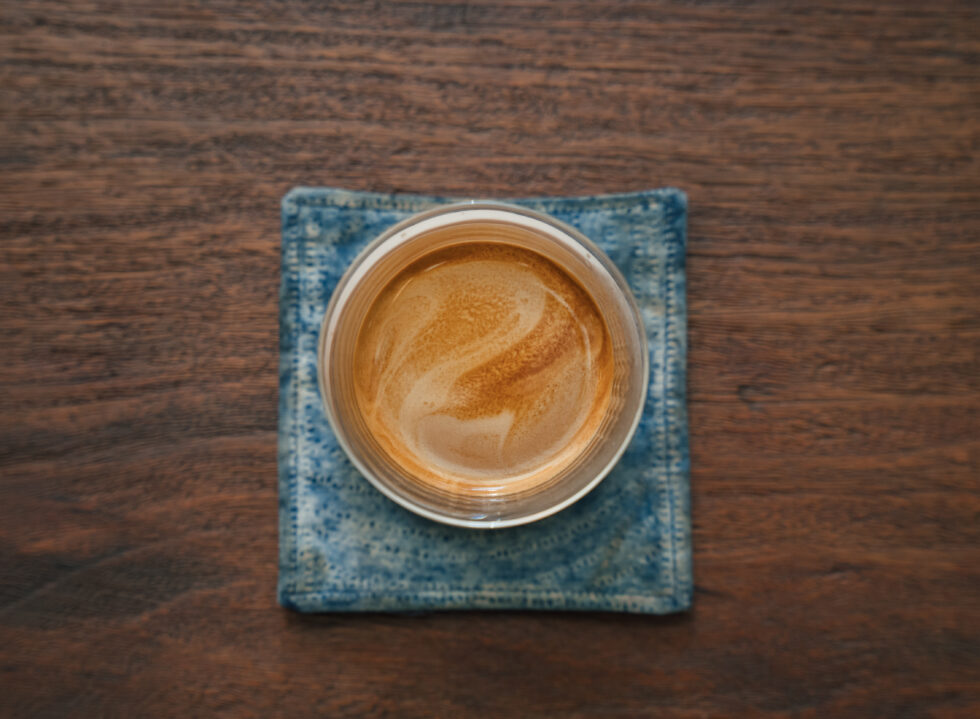
A sense of that continuity can be felt along the counter, where baristas move through a small selection of beans, ranging from fully washed coffees with clean, balanced profiles to fruit-forward varieties. The drinks are served in Birubeeru ceramics, many of which are scattered throughout the room. Nothing feels staged for retail. The pieces blend easily with the wooden tables and chairs. Some visitors leave with just their coffee, while others find themselves bringing home a new Birubeeru cup or bowl to add to their collection.
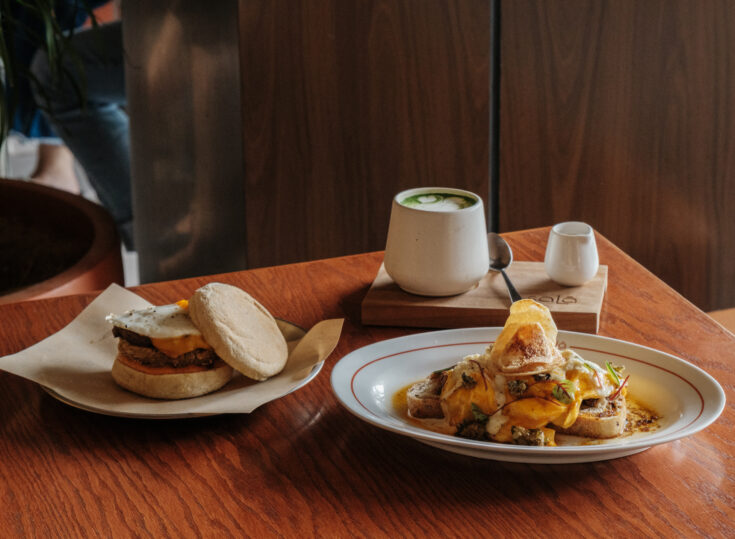
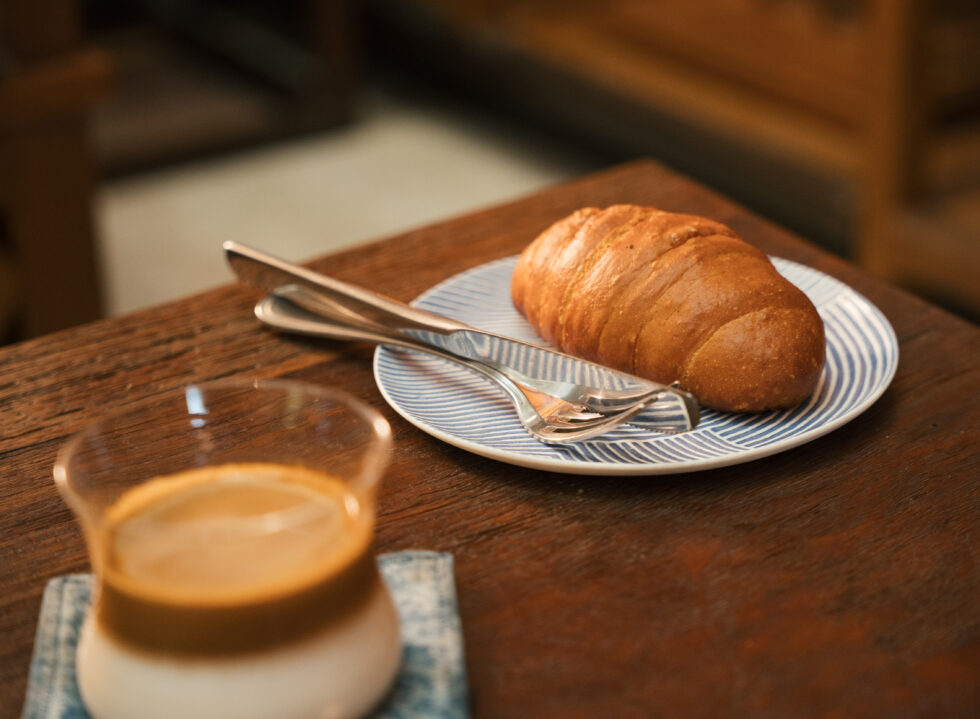
While the menu keeps things mostly simple, it offers enough range for guests to find a favourite suited to different moods. The Espresso Tonic delivers a robust, carbonated lift for those after something refreshing, while the Dirty Latte leans softer, with hot espresso sinking into cold milk so each sip shifts from warm and bitter to cool and creamy.
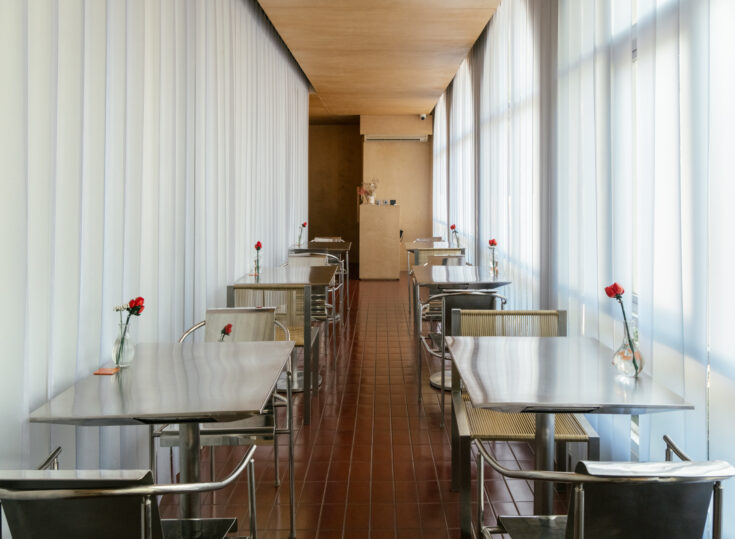
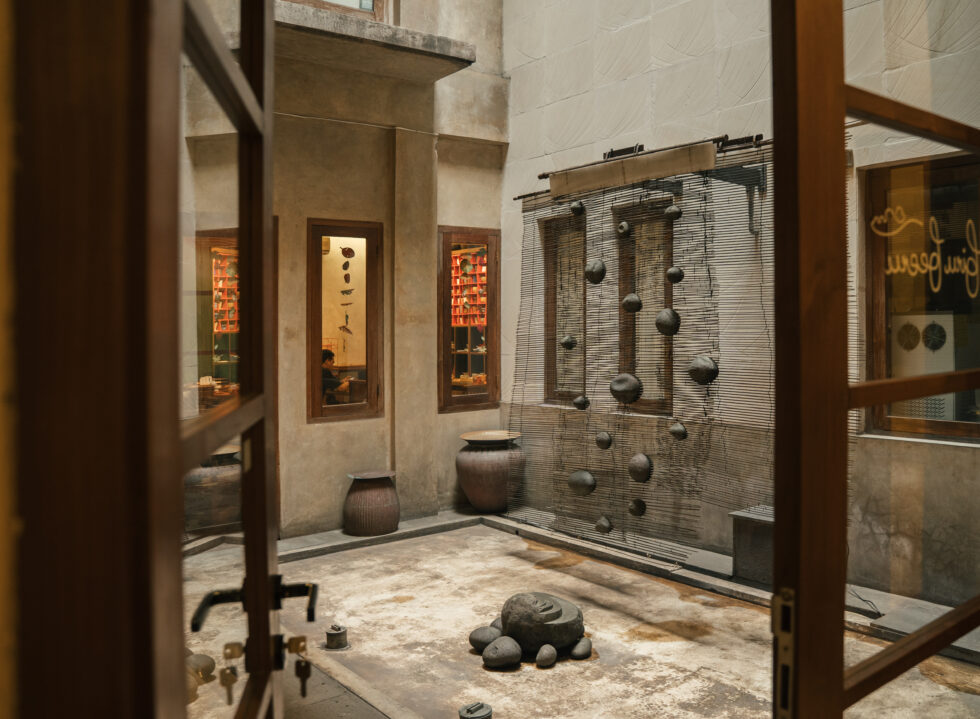
In much the same way, the atmosphere mirrors this sense of ease, as despite being located just steps away from office towers and shopping malls, the coffee spot resists the surrounding tempo. The atmosphere recalls a visit to a relative’s house, where objects accumulate slowly and tell their stories through use rather than arrangement.
On weekdays, office workers stop in for a black coffee before starting the day, or for a short break at lunchtime. On weekends, the place sees a wider variety of patrons. Motorcycle communities arrive in the morning and gather over cups of coffee. Come late afternoon, younger patrons take over the tables, lingering over matcha and dirty lattes before continuing their day via the MRT station nearby.
At its core, Birubeeru Coffee House is an extension of the brand’s long-standing belief in everyday craft. The coffee house is not designed to impress or perform, but to be returned to as part of daily routines. In that sense, it reflects what the brand has always stood for.