
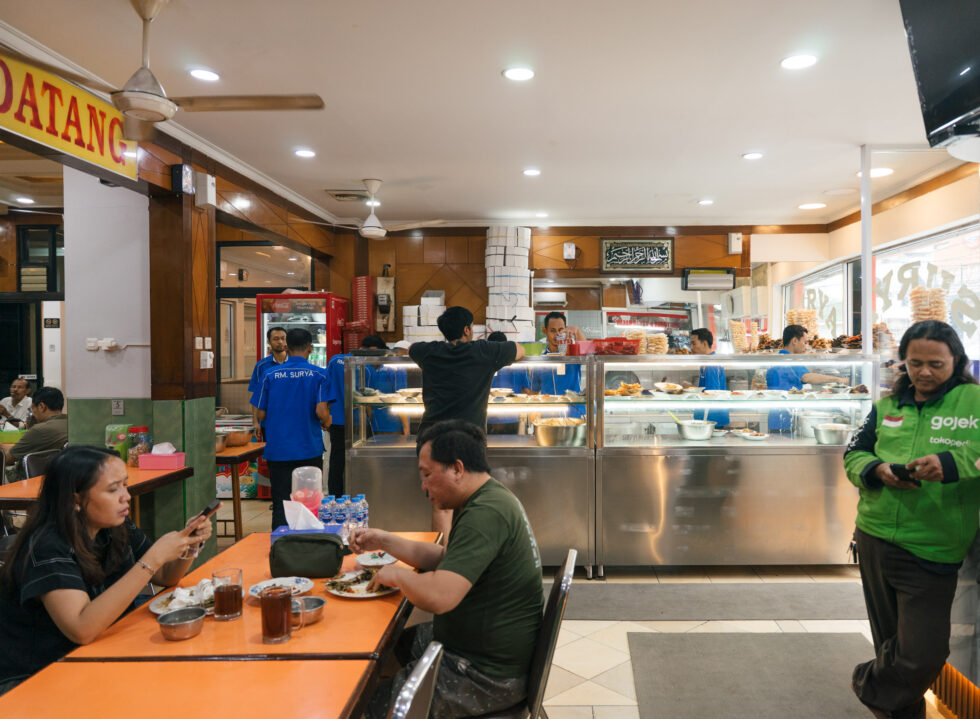
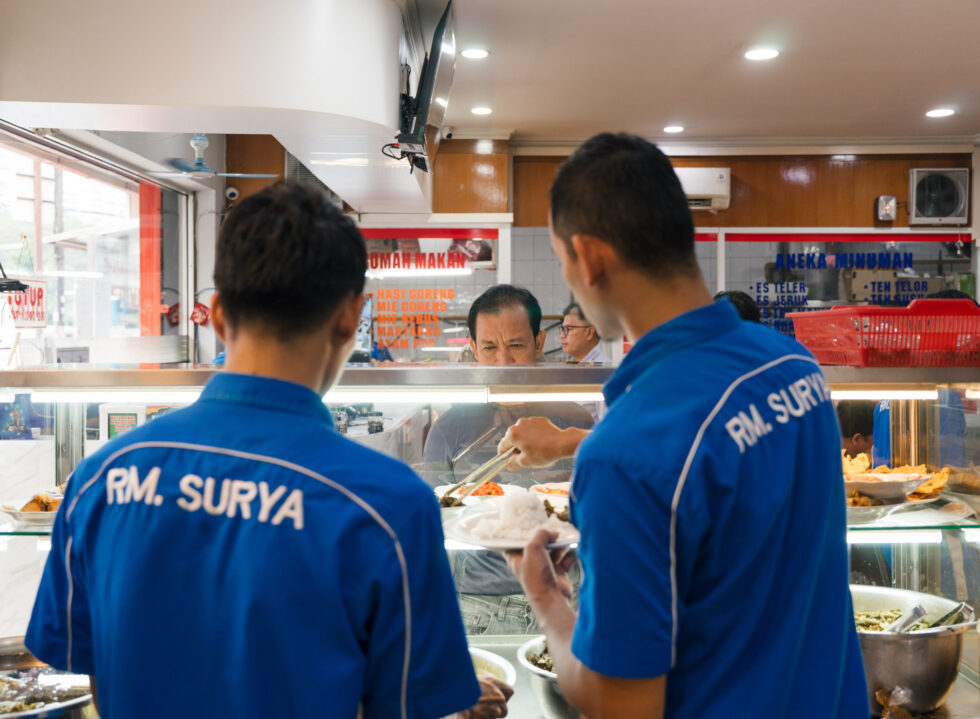
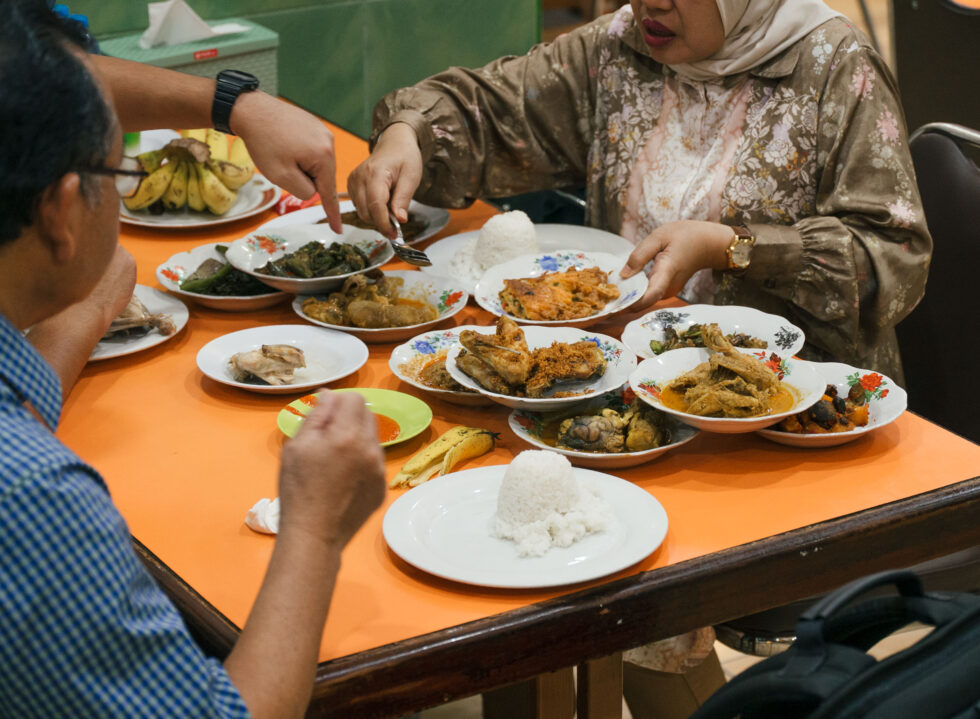
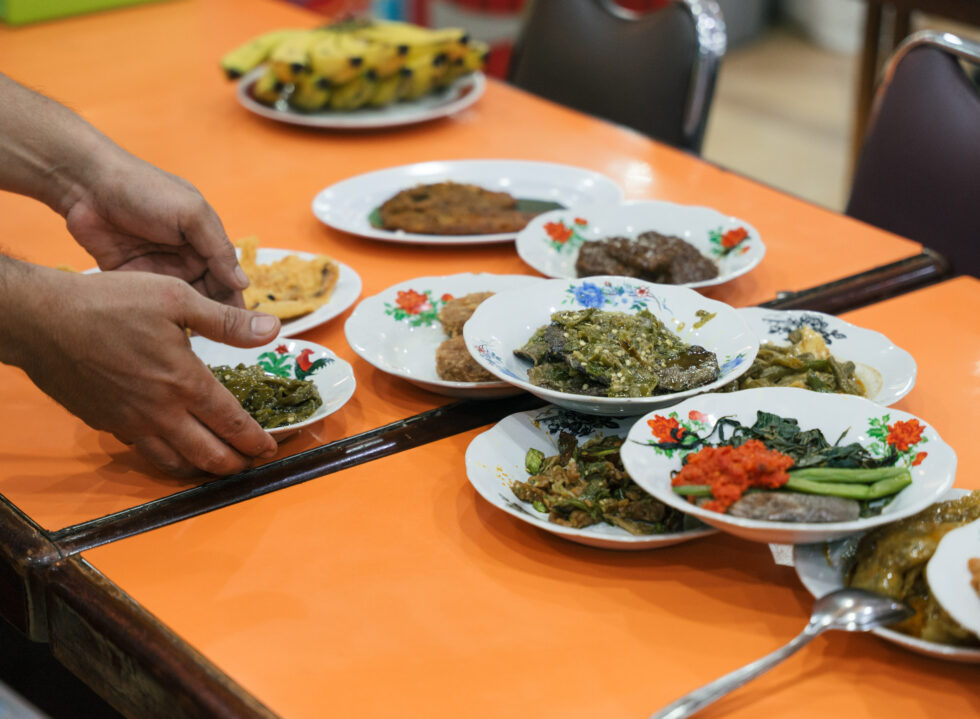
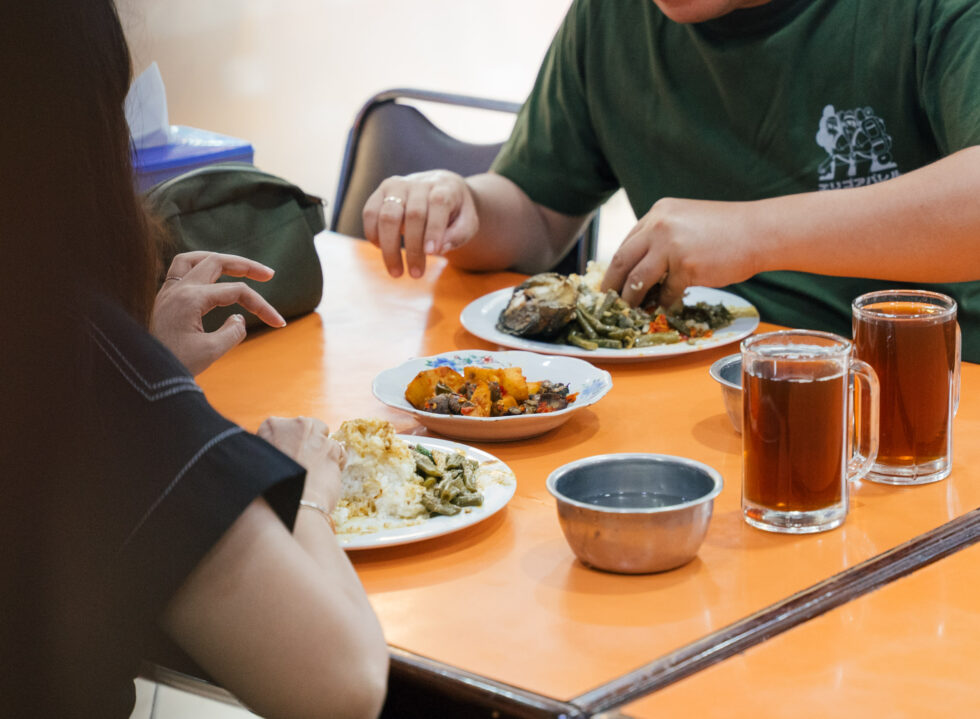
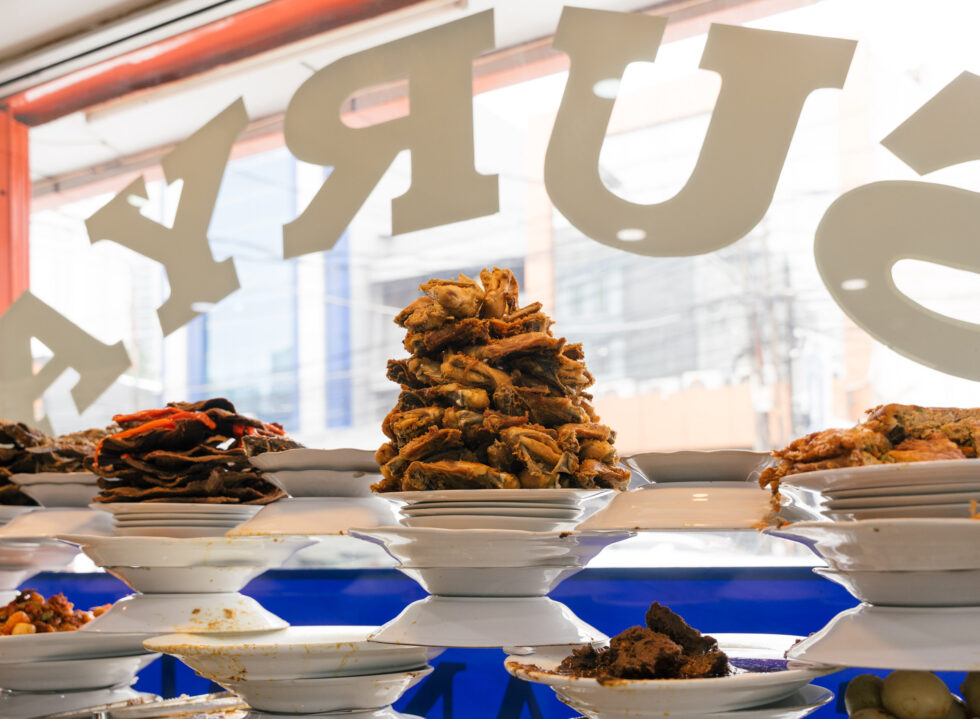
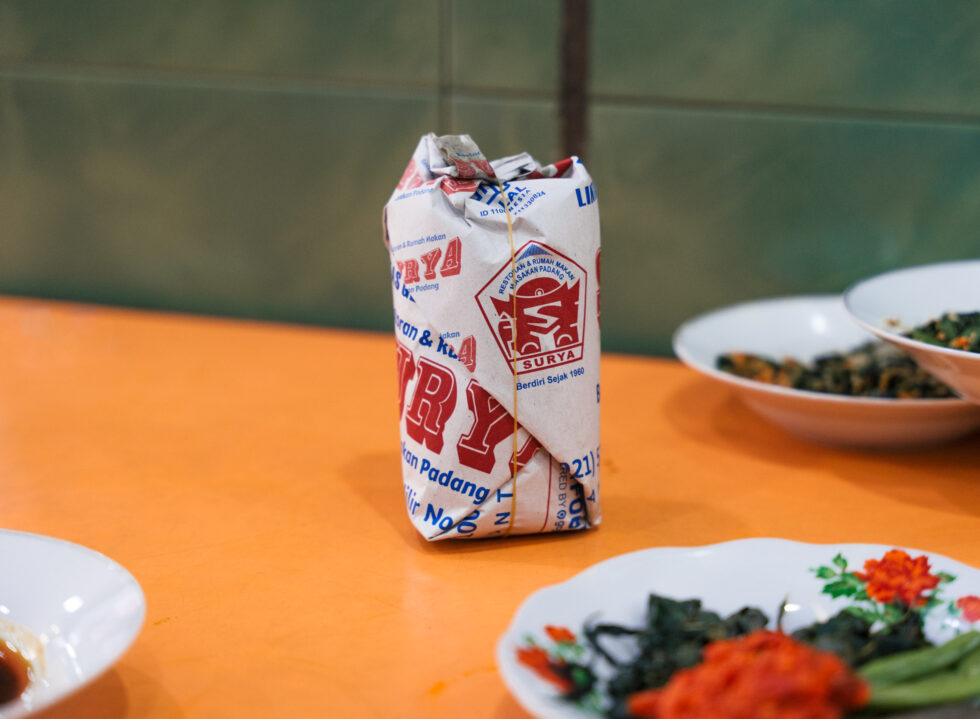


How many rumah makan Padang in Jakarta can say that they’ve been featured by Anthony Bourdain and had a book written about them? In all likelihood, there’s exactly one, and it’s Rumah Makan (RM) Surya in Bendungan Hilir (Benhil).
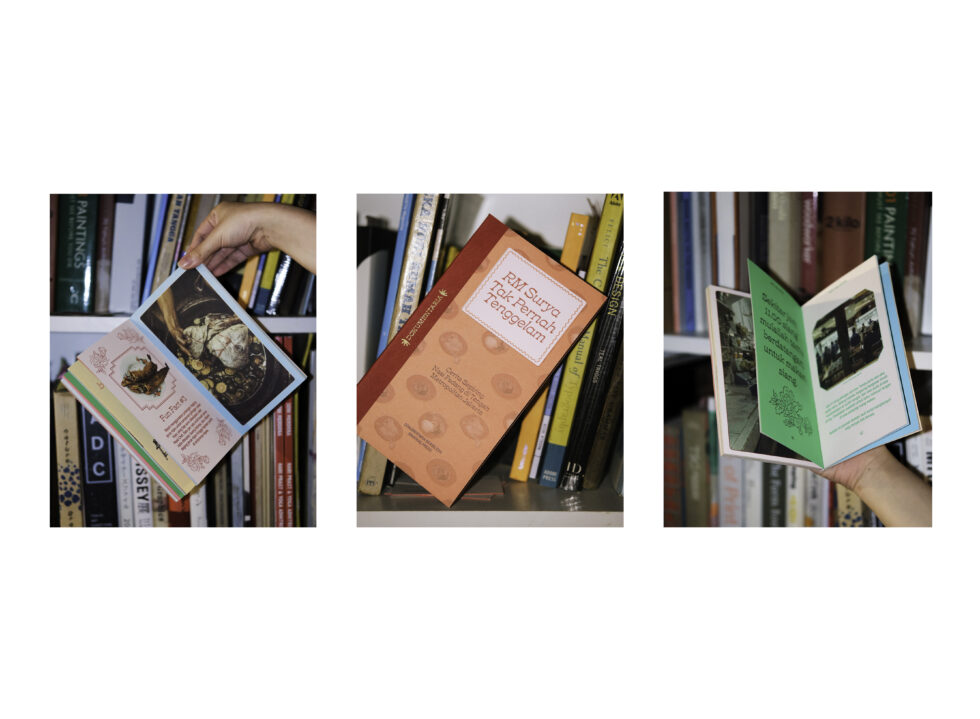
Last month, after a year and a half of research, writing, designing, and more than a few repeated visits to the rumah makan, Indonesian food archivist Dokumentaria Berselera published their debut book with Binatang Press on the establishment’s 65-year-old legacy. Presented as a lighthearted coffee-table book, it brings together easy-to-read stories and fun facts about RM Surya, accompanied by Nugraha Pratama’s illustrations and photographs by Jeremiah Michael. They titled it, ‘RM Surya Tak Pernah Tenggelam’ (RM Surya Never Sets, with surya meaning the sun in Indonesian).
“With long-standing, legendary establishments, there’s a running assumption that they would one day experience their sunset years. But I don’t see that with RM Surya—its spirit is still being carried over to the next generation. It’s as if the establishment is saying that, ‘We’re still here, and we’re going to stick around for many more years,’” mused the book’s writer, Reno Andam Suri.
Reno, who is a known expert in Minangkabau cuisine, became familiar with the restaurant during her research into rendang, which led her to RM Surya’s second-generation owner, Daswir Gazali. “I grew up in Rawamangun, so I didn’t have a particularly special connection with the restaurant. I thought it was just like any other rumah makan. But after talking with [Daswir], I realised that RM Surya actually represents the very early generation of rumah makan Padang in Jakarta; and the more I delve into my conversation with him, the more I discover that there’s so much story to tell here.”
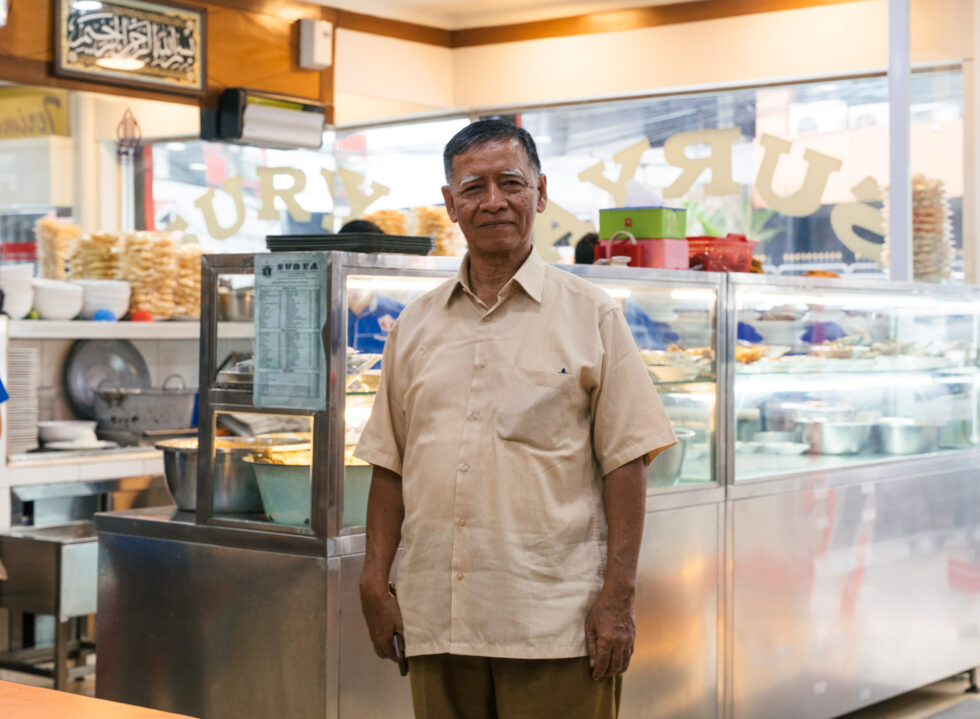
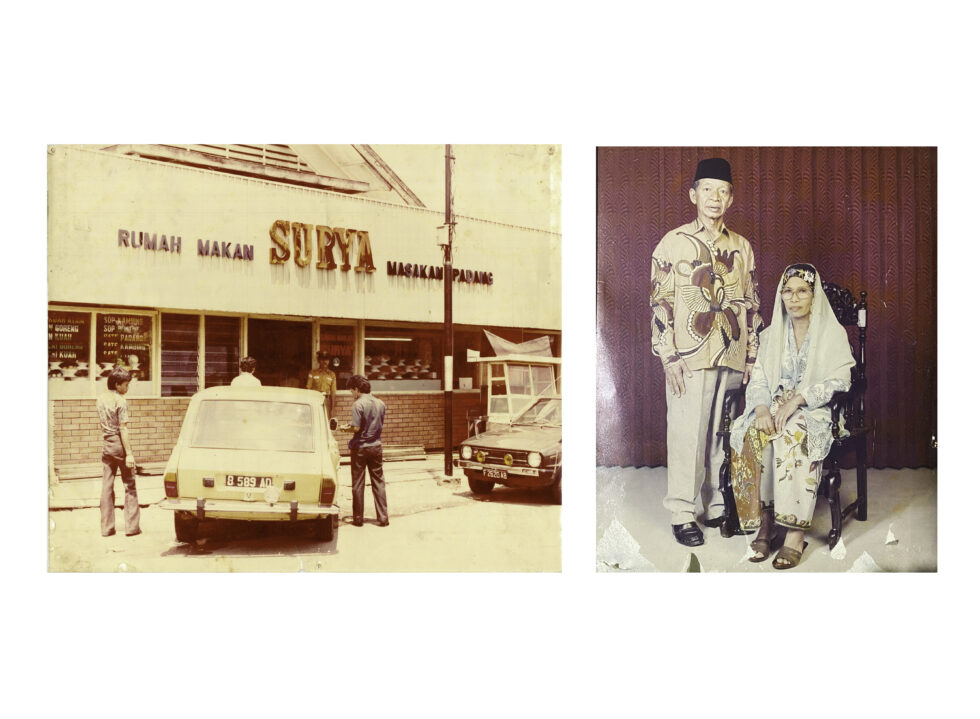
There is, indeed, plenty to tell about RM Surya—beginning with its founding by the late Gazali Yunus, Daswir’s father. “He first opened RM Surya with his friends back in 1960. Not here in Benhil, but in Pasar Mester, Jatinegara,” shared Daswir, who joined the family business in the ‘80s and now oversees all of RM Surya’s branches. “He wanted to create job opportunities for people from our village in Koto Tangah, Padang.”
Daswir, now 73, still recalls the difficult years of the 1960s, when the nation was grappling through an economic downturn, and “people had to line up for basic necessities such as rice, cooking oil and sugar.”
It was an even tougher time for the Minangkabau people of West Sumatra, who were still recovering from the region’s revolutionary government PRRI’s failed rebellion against the Indonesian central government. In what anthropologist Mochtar Naim dubbed as ‘the zenith of merantau flow’, families moved out in droves searching for better livelihoods, and many entered the restaurant business—introducing their strong culinary tradition across the country.
Over the years, Benhil’s RM Surya has quietly worked its way into the collective memory of Jakarta families.
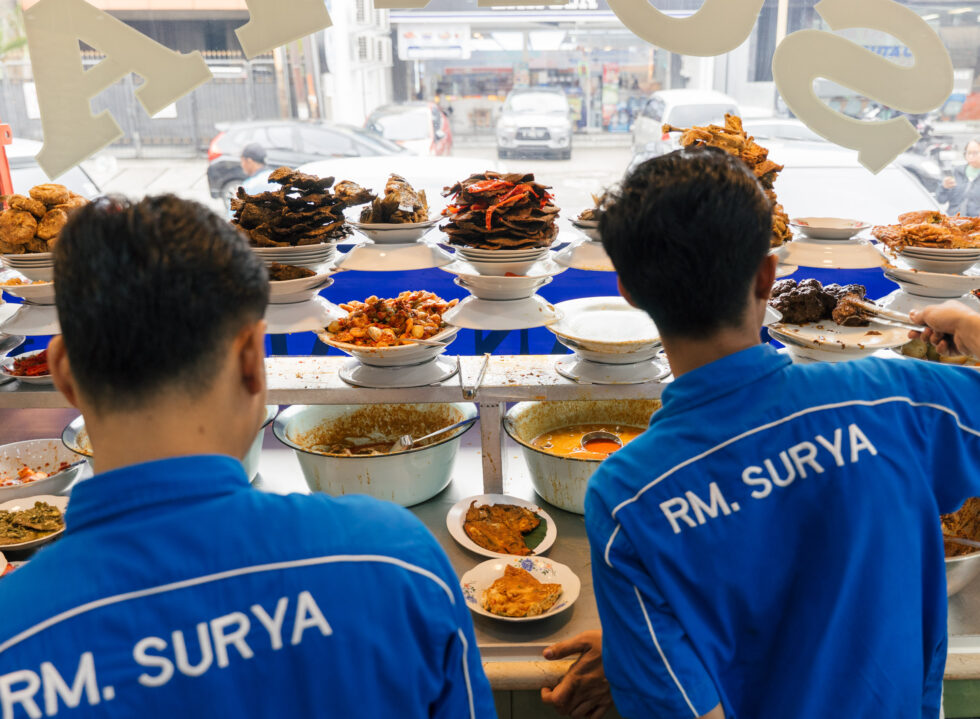
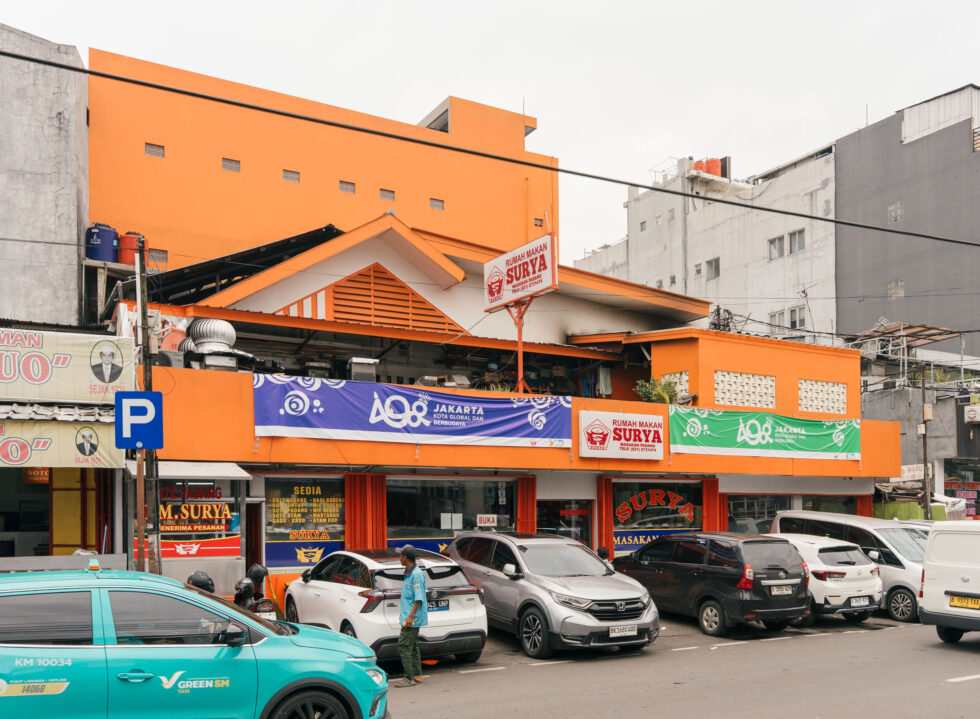
As rumah makan Padang grew more ubiquitous with the times, RM Surya too continued to expand. By the 1990s, it had eleven restaurants under its banner, with five still standing today: four in Jakarta and one back home in Padang. The Benhil branch, which opened in 1975, is not exactly the oldest of the bunch (that title belongs to the RM Surya on Abdul Muis Street in Gambir), but it has become “a ‘big umbrella’ of the entire operation,” affirmed Reno. “That’s why we made it the main focus of our book.”
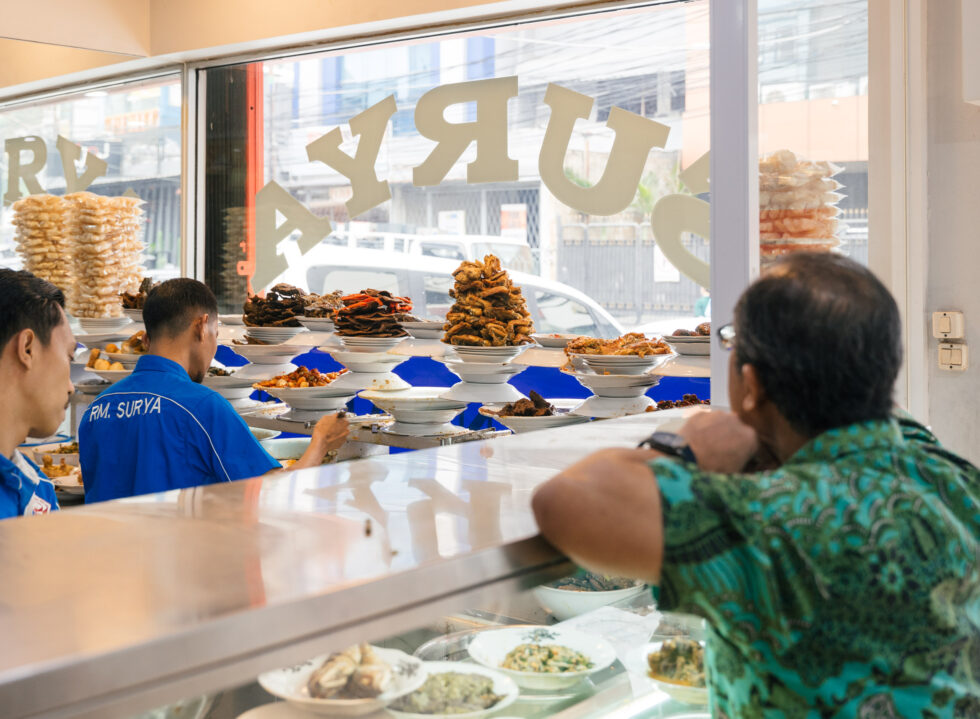
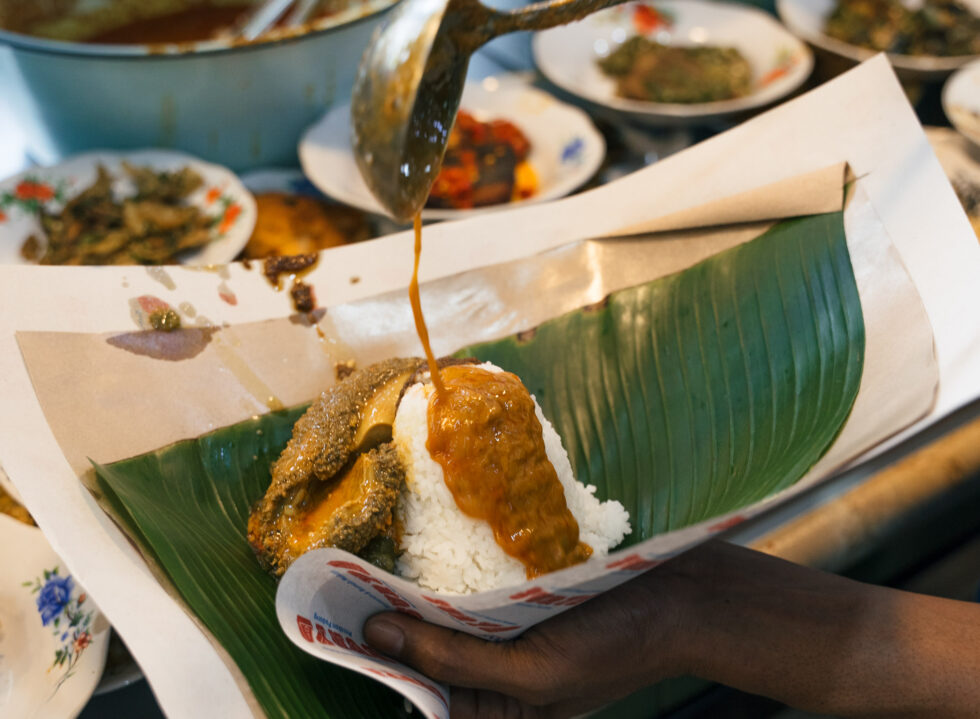
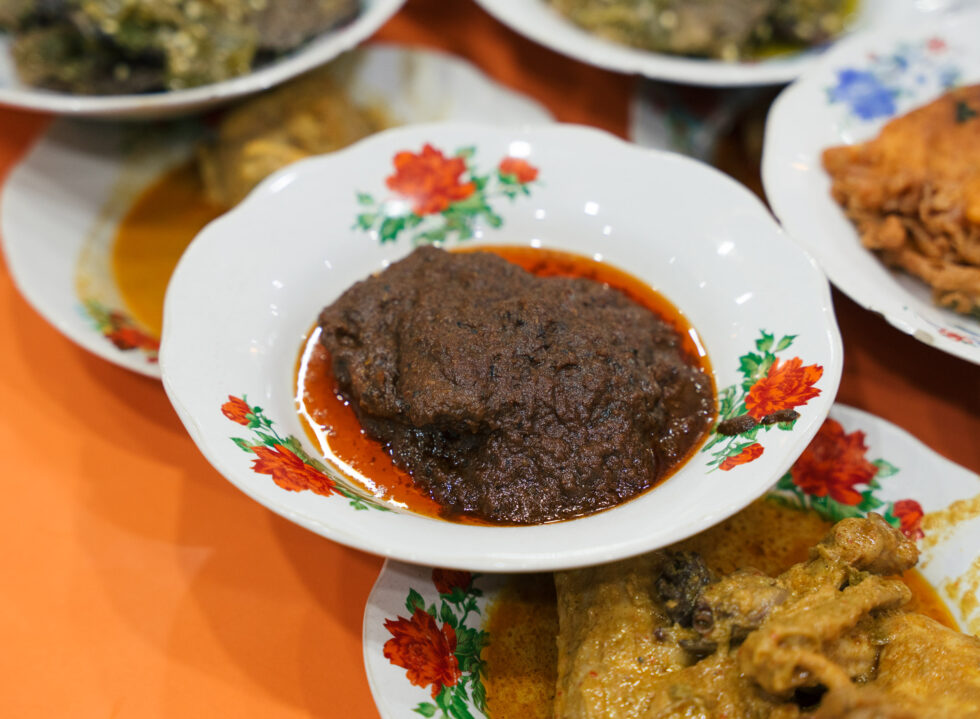
It’s arguably the most well-known, and not just because Anthony Bourdain paid a visit in 2018 (the late chef quipped, while munching on the beef rendang at RM Surya, “I could eat that all day.”). Over the years, Benhil’s RM Surya has quietly worked its way into the collective memory of Jakarta families—its presence passed down from one generation to the next.
“There’s this story that still sticks with me. A Chinese Indonesian family once came here to order a batch of rice boxes for their mother’s coffin closing ceremony. They told me that before their mother passed away, she specifically requested to have our Nasi Padang served at her funeral. She wanted her family to know that it was her favourite food,” shared Daswir’s nephew, Indra Taufiq, who was chosen to lead the Benhil branch.
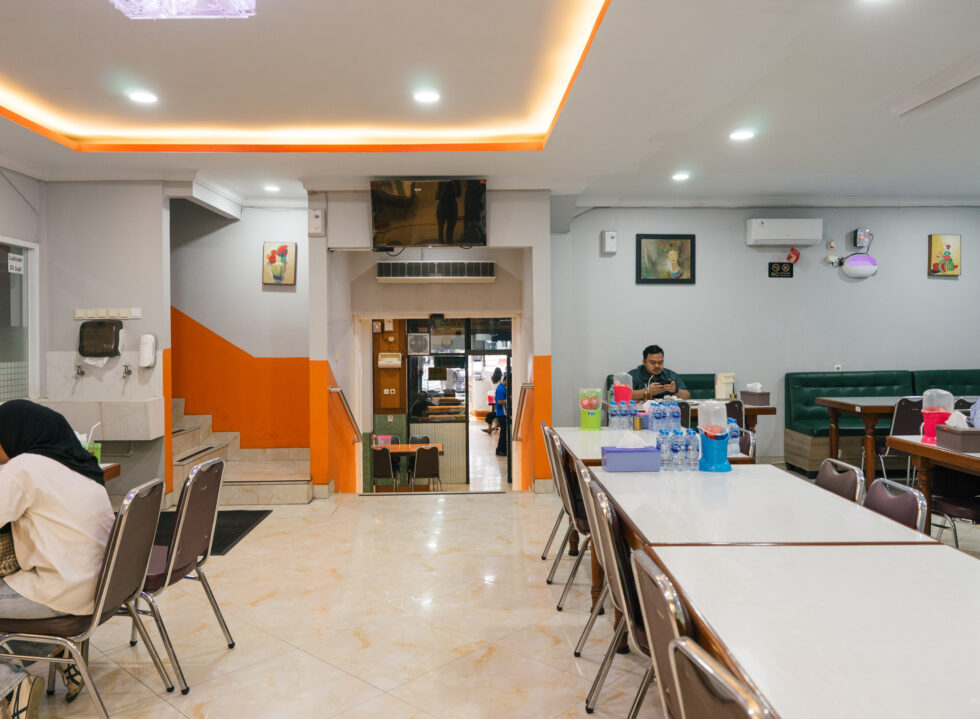
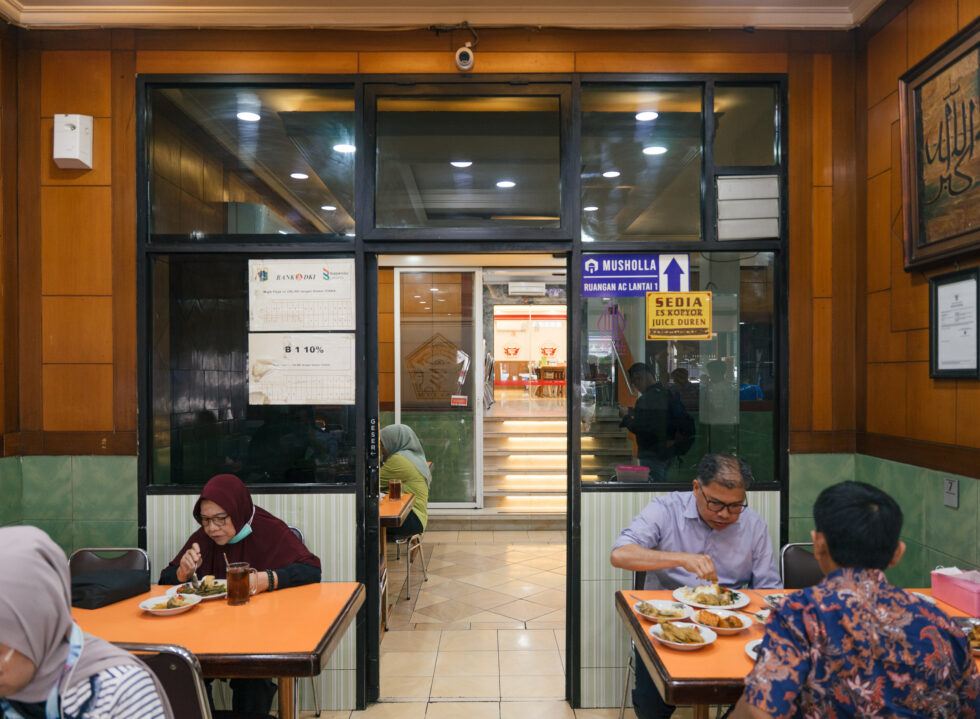
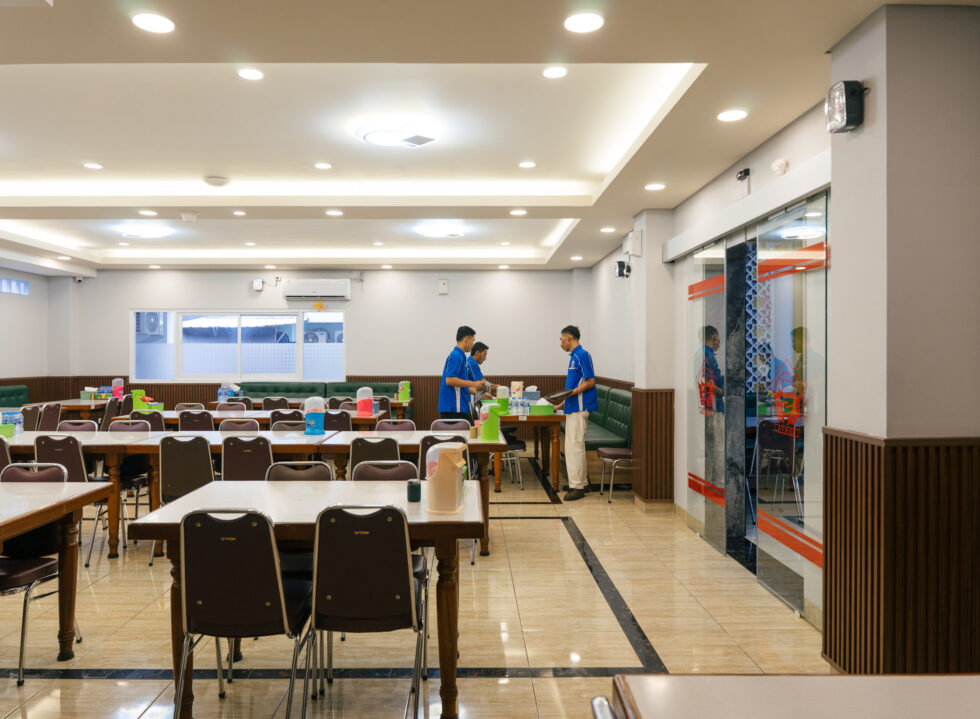
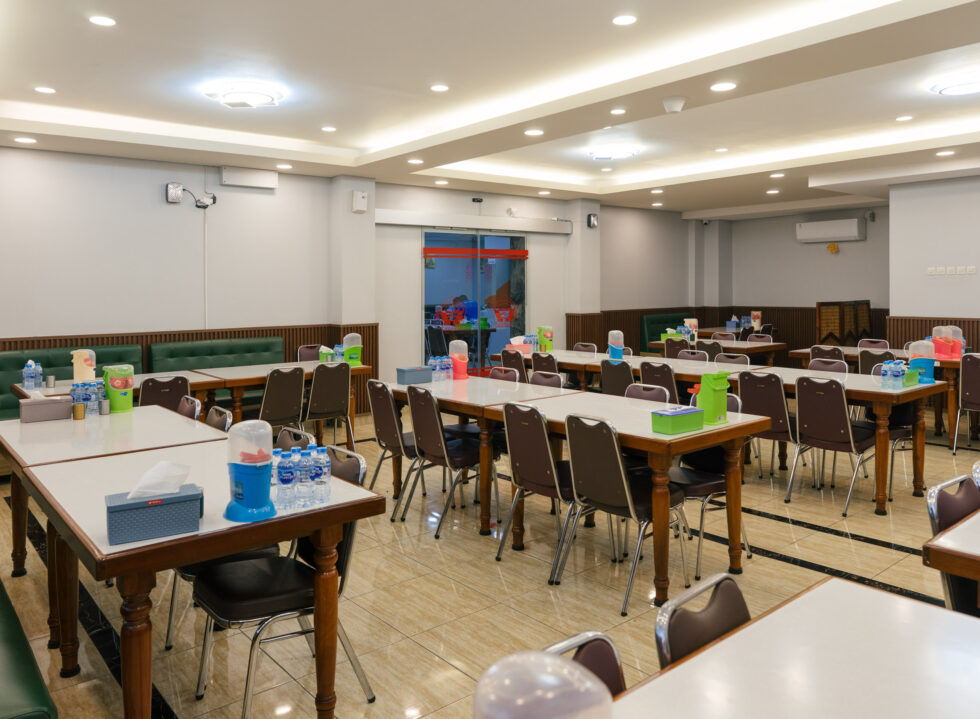
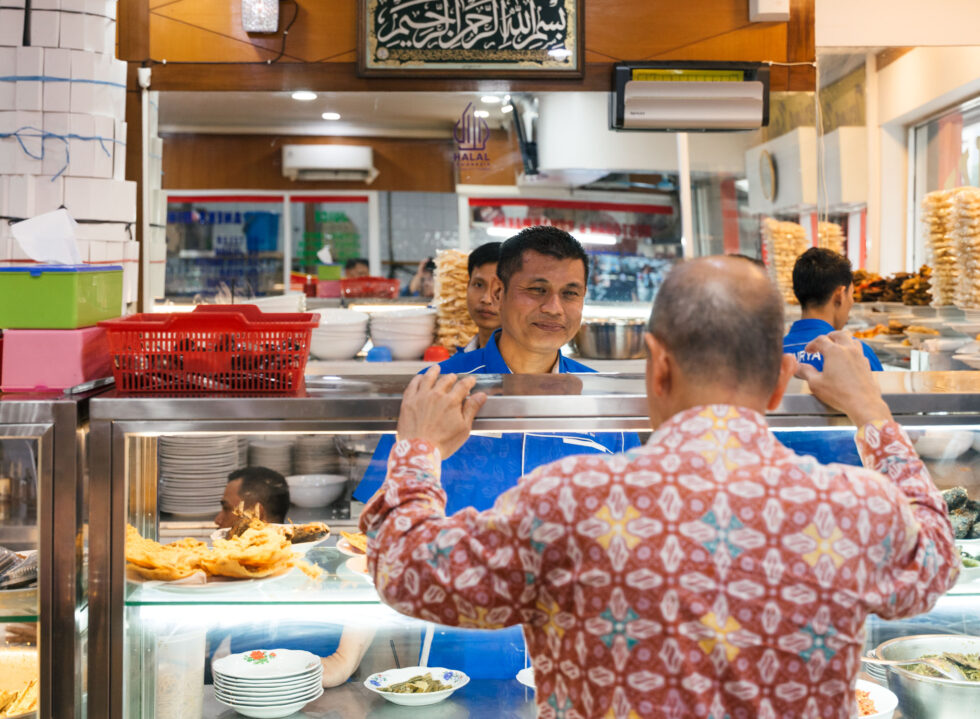
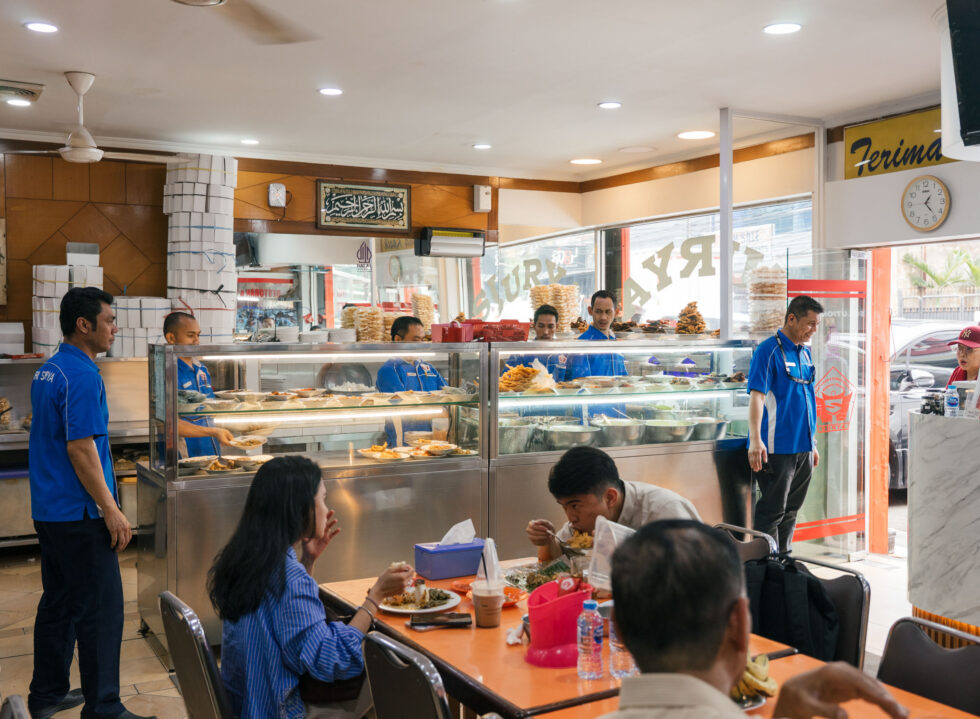
A tall and steady presence with a quick eye that can notice the most minute details amidst RM Surya’s clamour, the 44-year-old has brought a fresh wave of refinements to the restaurant. That spans easily overlooked things like making the staff use handheld radios instead of shouting orders at each other, to the major expansion of the dining room that extends into additional plots of land at the back of the original building. But certain things are kept the same to maintain familiarity among returning customers; the most obvious being the wall coverings of marbled jade tiles and varnished wood panels in the front room.
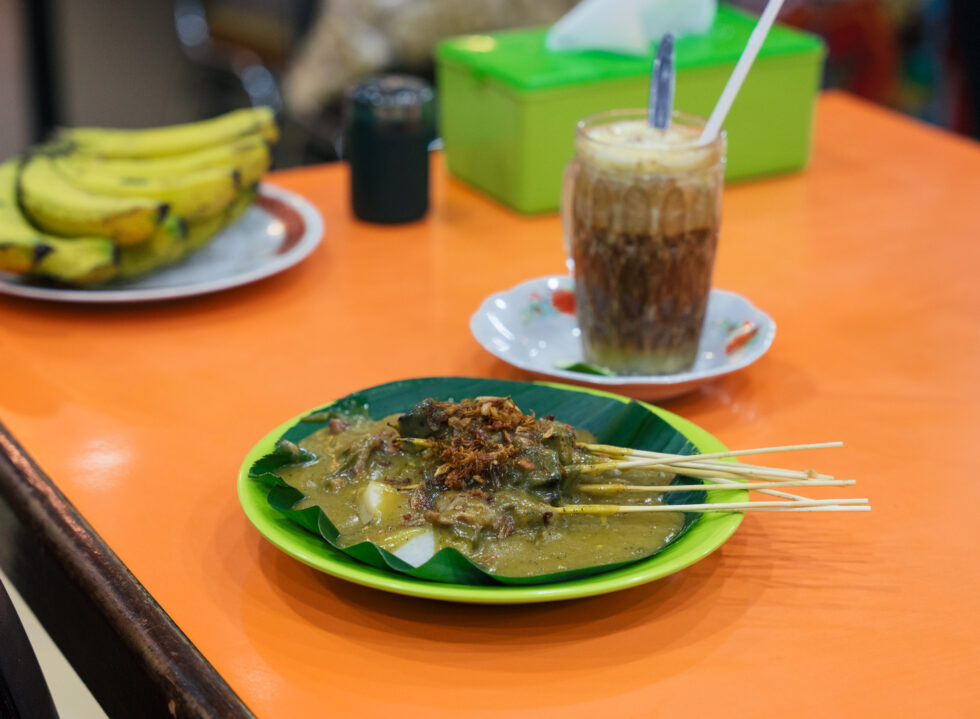
This eclectic blend of old and new also comes through in Binatang Press’ visual direction for ‘RM Surya Tak Pernah Tenggelam’, as the team sought to honour the restaurant’s legacy while resonating with a younger generation. “We chose vibrant colours that pop, using special colours—inks outside the CMYK colour spectrum—to make them even more vivid. But if you’ve been to RM Surya in Benhil, you’ll recognise the palette,” said Binatang Press’ Senior Creative Associate Muhammad Dzulfiqar Nainggolan. “There’s orange from the façade, pink and green from the tissue and cutlery holders.”
“Indra has this ideal: that the people who work with him should feel just as proud as those working in SCBD.” – Reno Andam Suri, culinary expert.
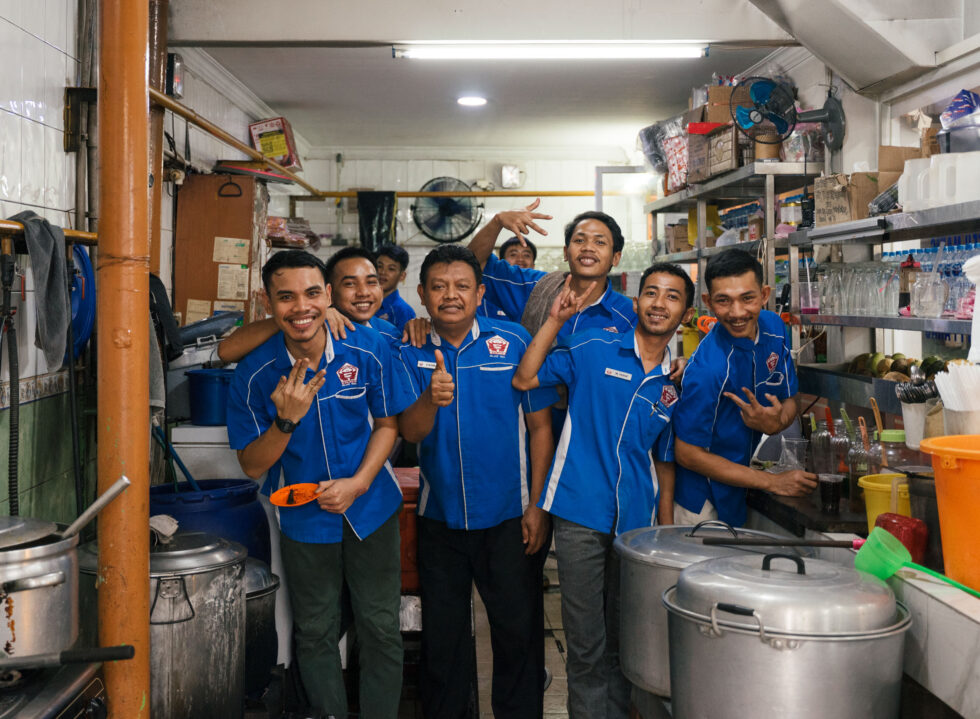
In managing the restaurant’s day-to-day operations, Indra also navigates between flexibility and preserving traditions. While implementing modern practices such as cashless payment, RM Surya continues to stick with the age-old mato system, a Minangkabau business custom where the staff get profit shares instead of paychecks. “Even the most junior staff members, the dishwashers, earn more than the minimum wage of Jakarta,” said Indra with a proud smile.
True to the elder Gazali’s mission of improving his staff’s welfare, “Indra has this ideal: that the people who work with him should feel just as proud as those working in SCBD,” commented Reno, who brought this sense of community to the fore by including a section in her book on the favourite dishes of RM Surya’s senior employees—some of them having worked with the establishment for several decades.
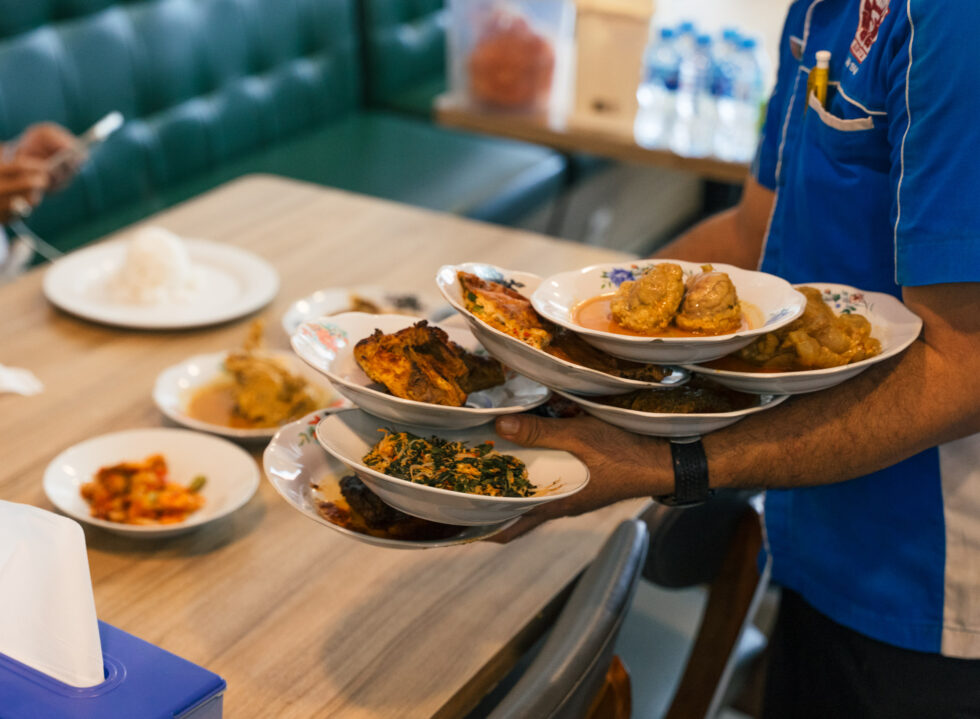
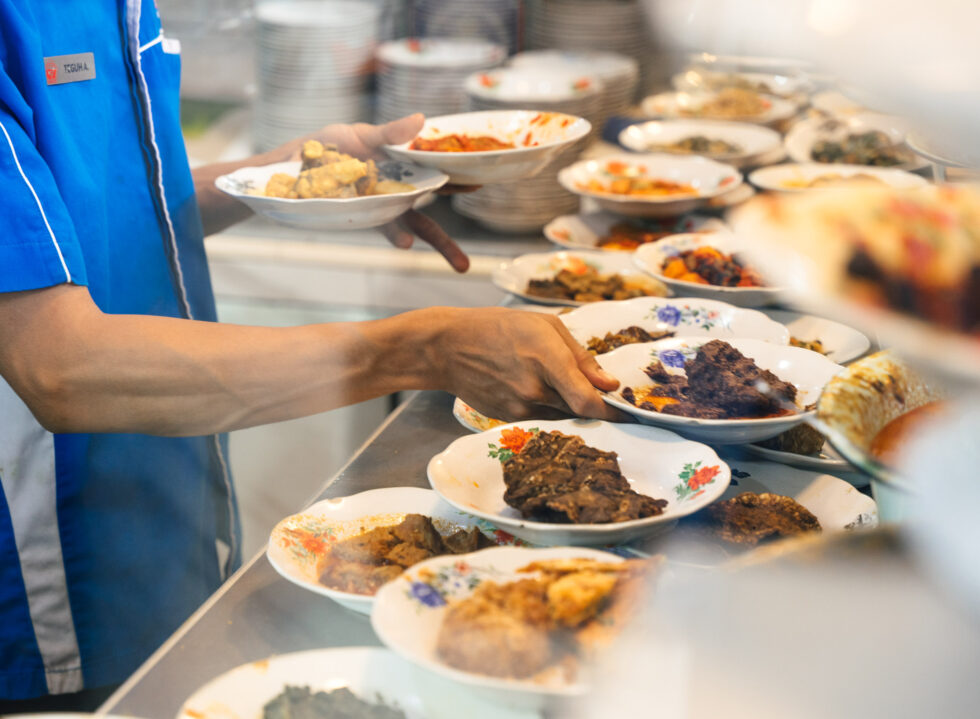
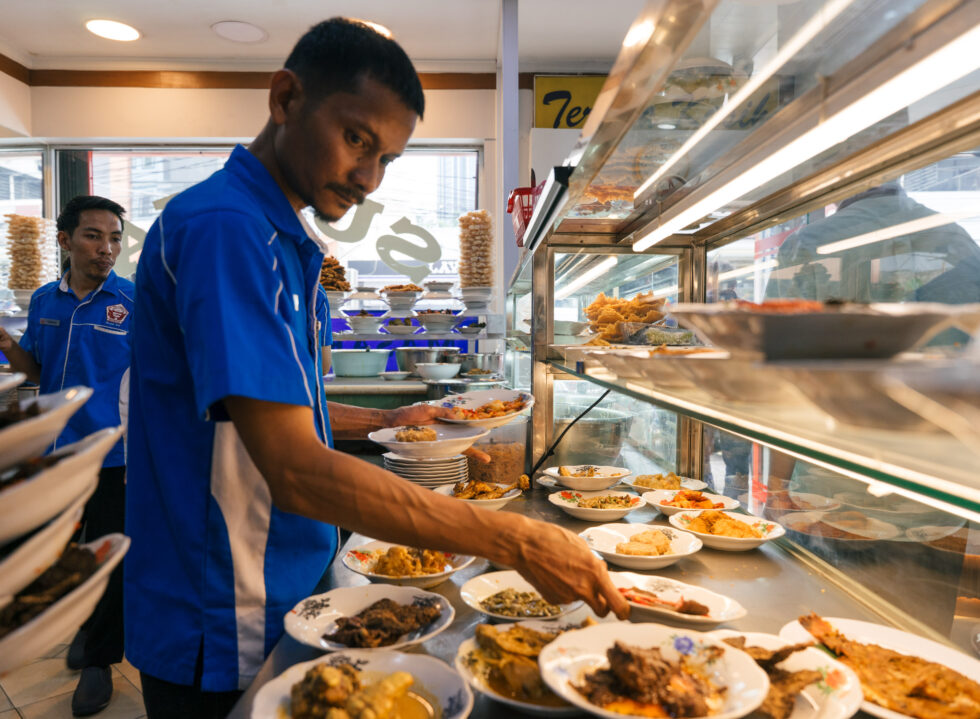
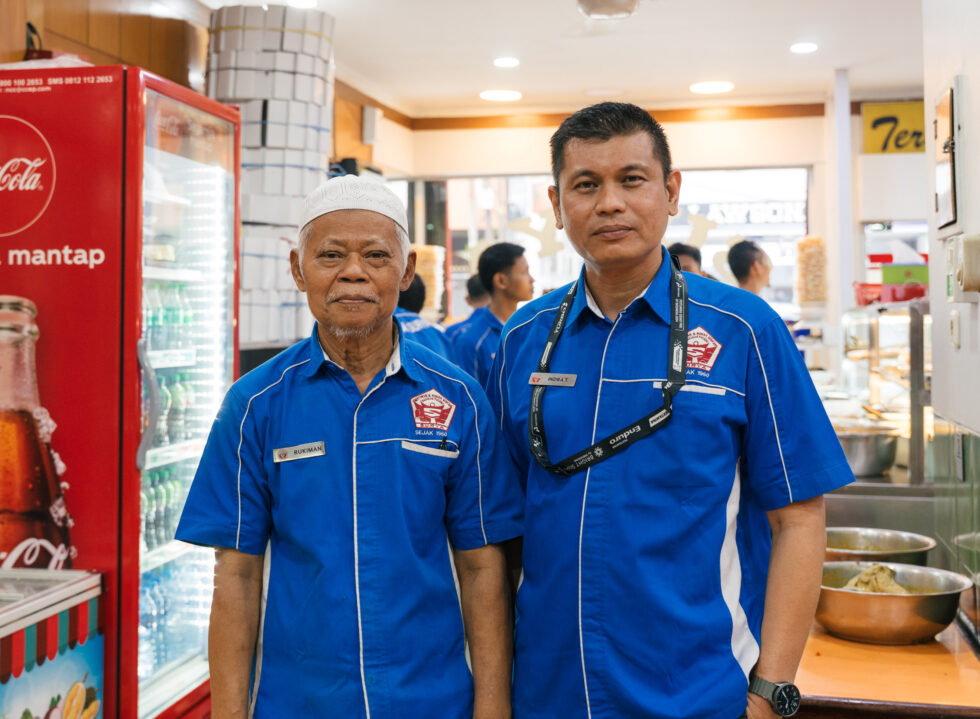
“Nobody is forced to retire here, as long as they still want to work,” noted Indra. He introduced Rukiman as an example, the restaurant’s longest-serving staff member, who has been with RM Surya for 55 years. At one point, the man worked as a cook, but as the demands of the job grew too heavy with age, he was moved to lighter tasks like serving and plating.
“For our customers, flavour is memory. What they eat today should always take them back to the first time they tasted our food.” – Indra Taufiq, third-generation of RM Surya.
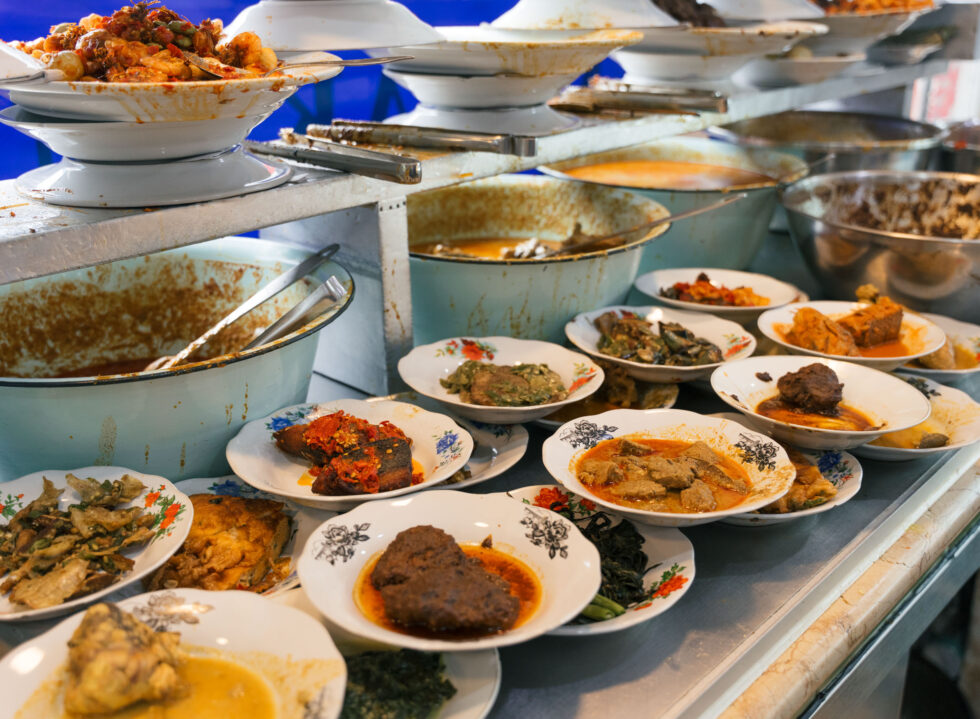
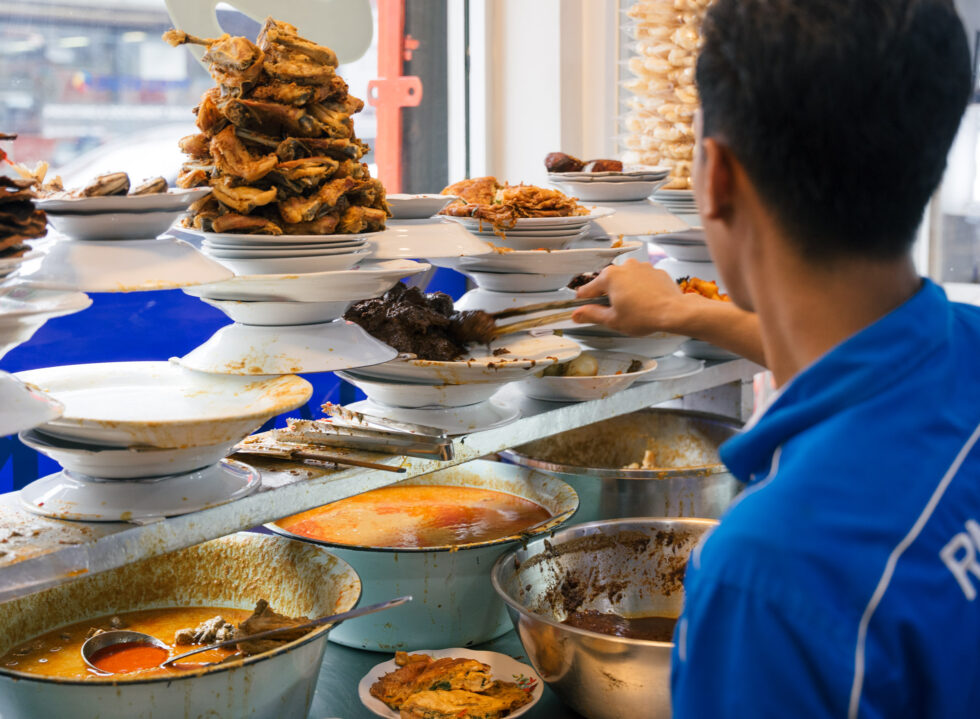
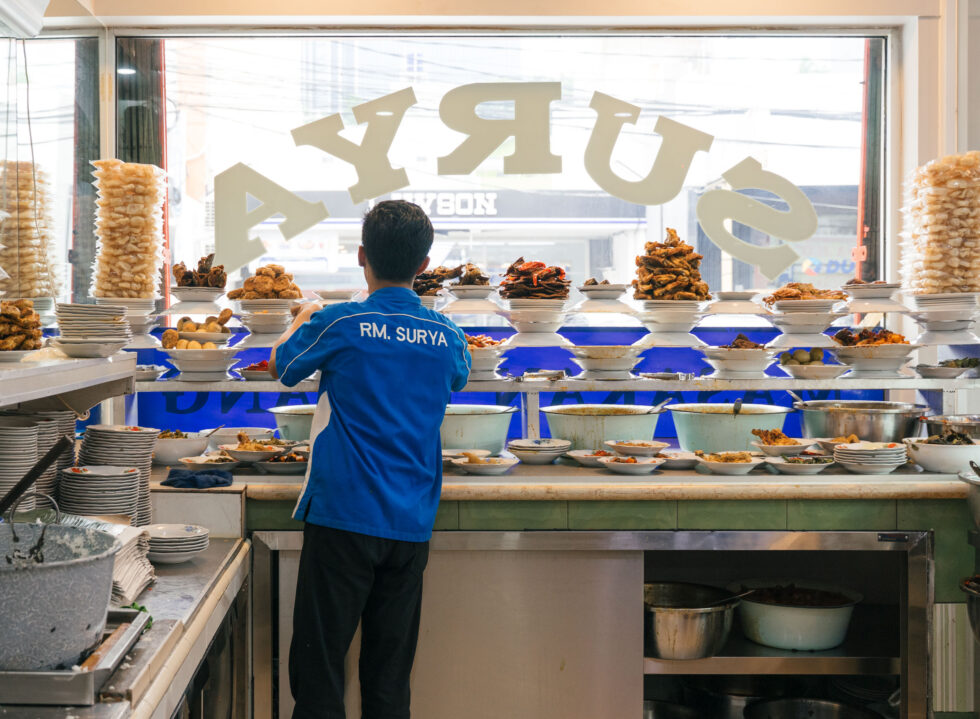
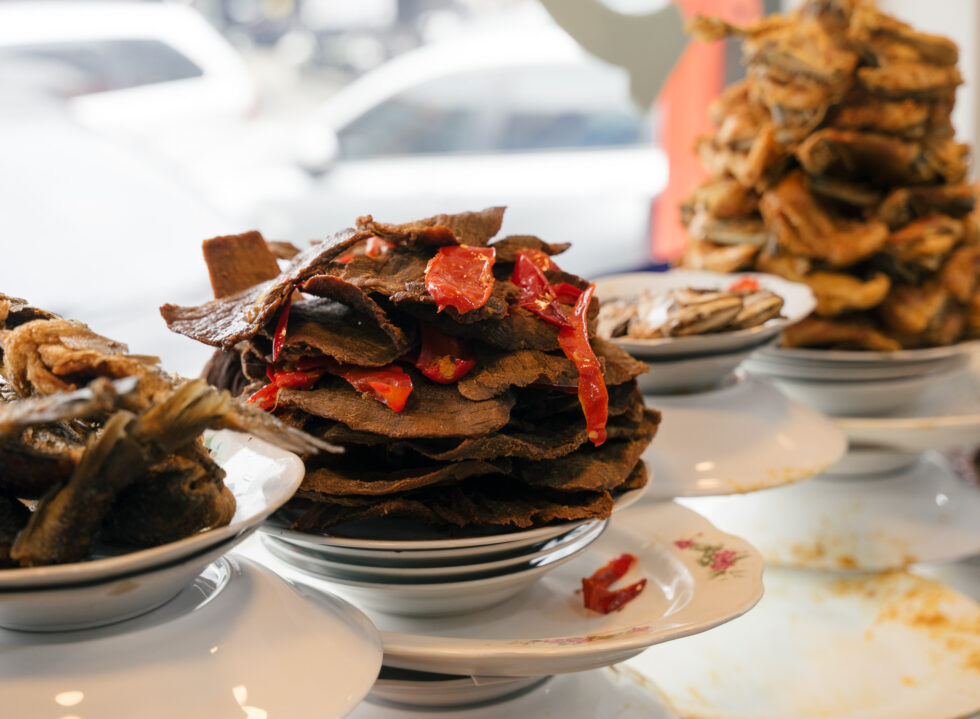
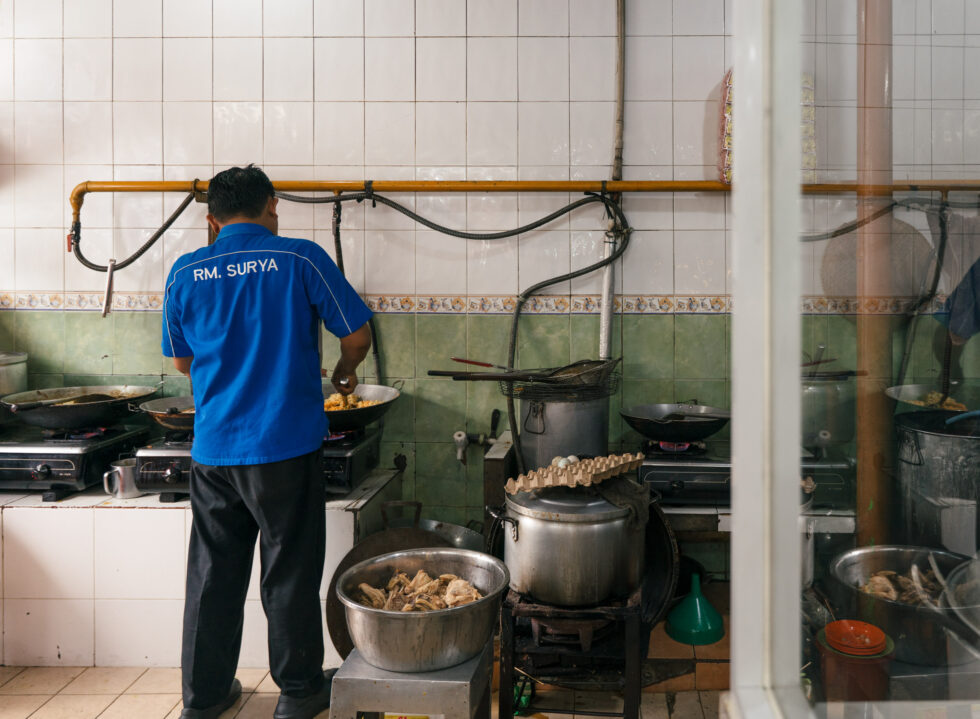
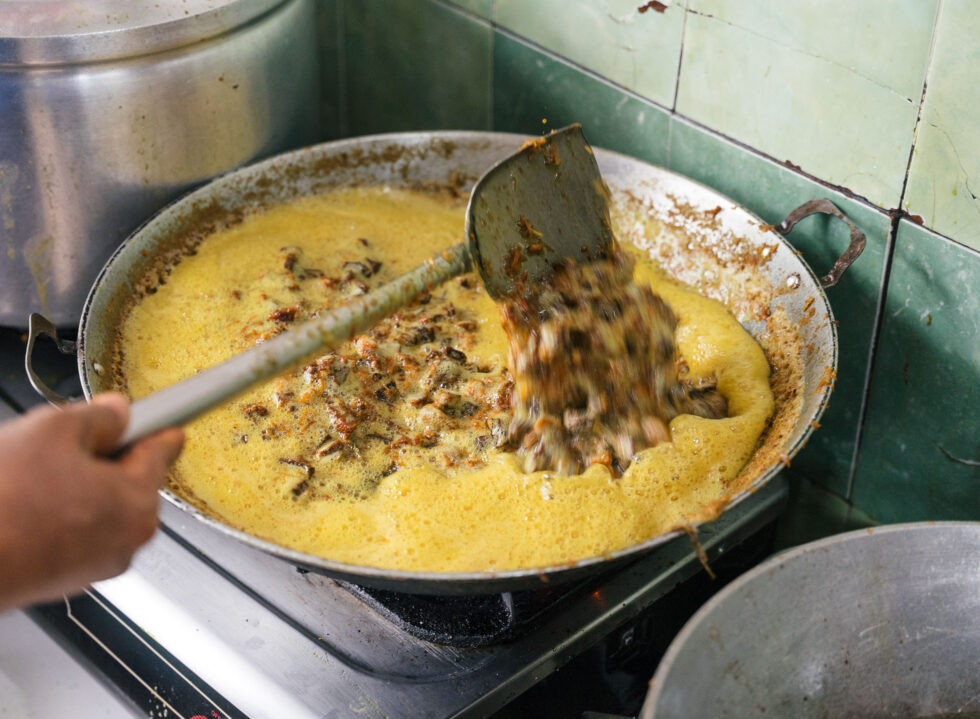
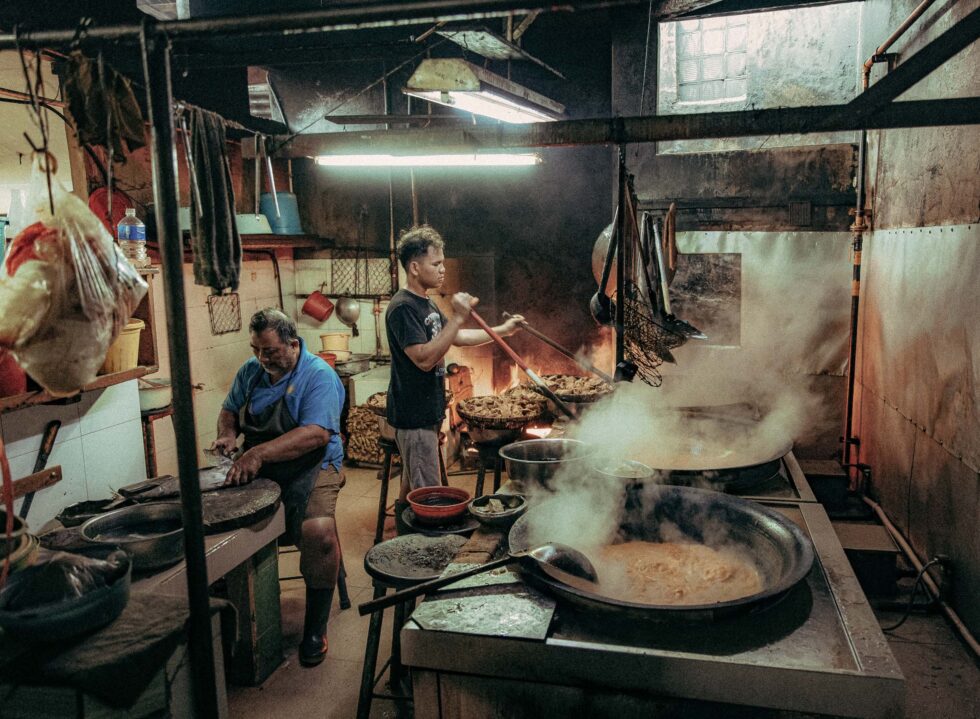
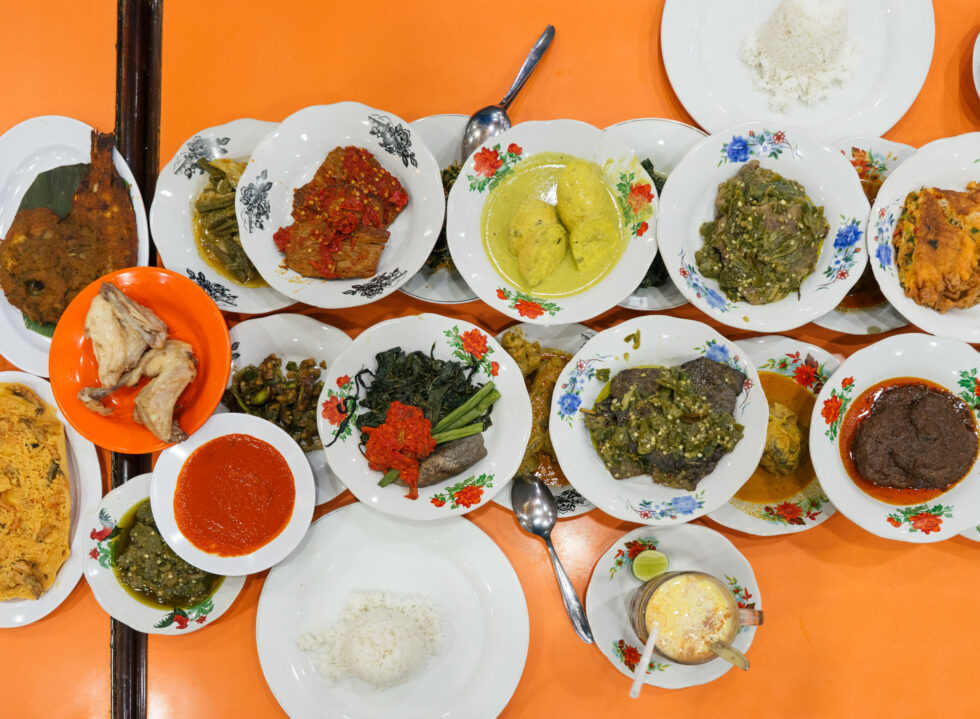
It’s a considerate approach, and one that partly explains why RM Surya still maintains the two-kitchen system ubiquitous among dining establishments in West Sumatra; working as a cook here comes with serious responsibility. Each kitchen has its own head chef and runs independently from the other. The first operates behind-the-scenes upstairs, cooking up staples ranging from Rendang Daging, Gulai Ayam to Dendeng Balado in bulk for the buffet. “They still use kancah, those massive, wok-like vessels,” Reno recalled in wonderment. “Each one can cook around 20 kilos of rendang in a single batch, and they have three of those. Even items like rice and balado have their own dedicated sections.”
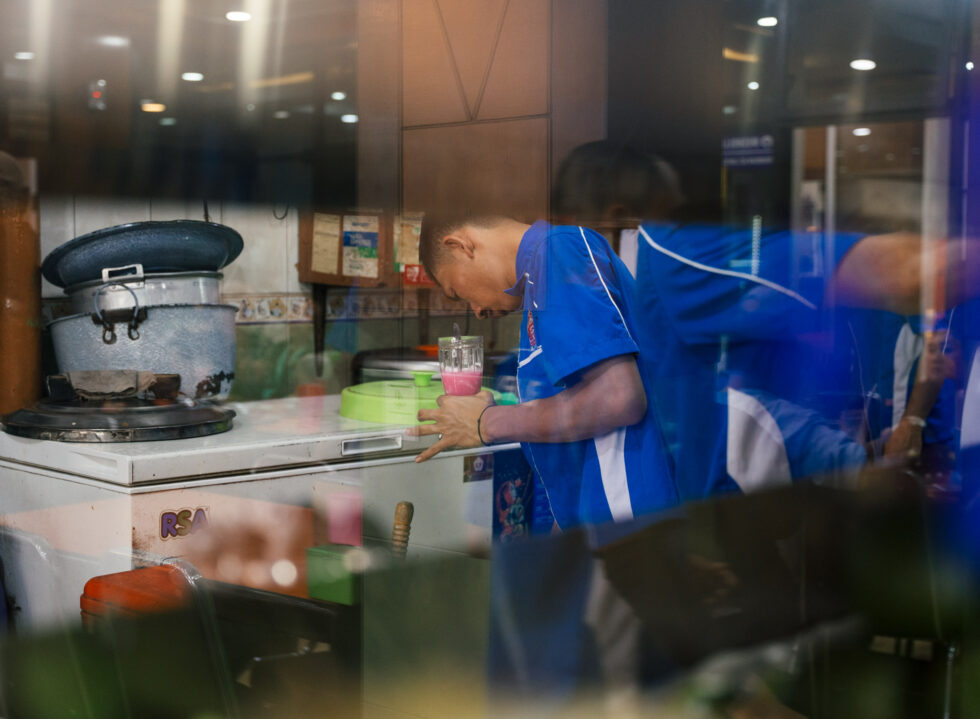
The second kitchen sits just off the front dining room. Known as the ‘restoran’ kitchen, this is where the pressure lies in pace, as the crew churn out dishes à la minute—from Nasi Goreng and Sate Padang to Ayam Pop.
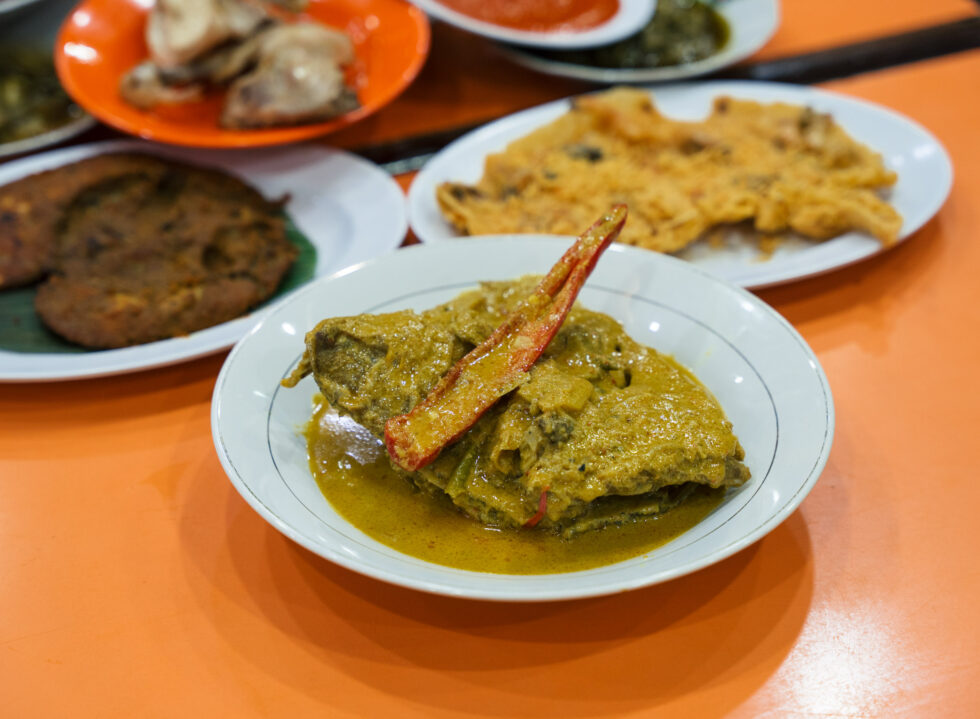
Adding another layer to the process, “RM Surya makes everything from scratch—drying their own spices and rhizomes—and makes an effort to minimise their waste. Like with coconuts, once they have juiced the milk, they then use the husk as firewood to cook dendeng,” shared Reno of her findings. “This ‘zero-waste’ tradition is also applied to leftover dishes. Particularly for Gulai Kalang, which is a curry of chicken neck wrapped in intestines, the kitchen crew would fry or dry any remaining portion into flavouring.”
“For our customers, flavour is memory. What they eat today should always take them back to the first time they tasted our food—that’s what we need to preserve,” reasoned Indra. “At the same time, we have to move with the times. We used to tally bills by hand, pen on paper. Now it’s all done with a tap on a gadget. Staying relevant means embracing shifts like these.”
Speaking on RM Surya’s legacy, Daswir himself still cannot fully articulate why RM Surya has lasted this long, let alone thrived. “Someone from our village also tried to start his own restaurant business, but he couldn’t stand the stress and gave up midway. He asked me, ‘How did your father do it?’ And honestly, I didn’t know how to answer that.”
But perhaps there was never a secret—just the consistent act of showing up day after day, tending to both customers and staff, and staying rooted in the desire to honour his parents’ legacy. “What we do know is that we don’t want this good thing to fade—not just for our family, but for everyone who works here. That sense of social responsibility has always been at the heart of RM Surya.”