Long before ayam goreng stalls became a familiar sight across West Jakarta, Tan ‘Suhaeti’ Pang Nio was running hers from a humble tent on Jalan Buni. Named after the Buni trees that once shaded the street, Ayam Goreng Buni has grown from a neighbourhood favourite into one of West Jakarta’s longest-running culinary institutions since opening in 1958.
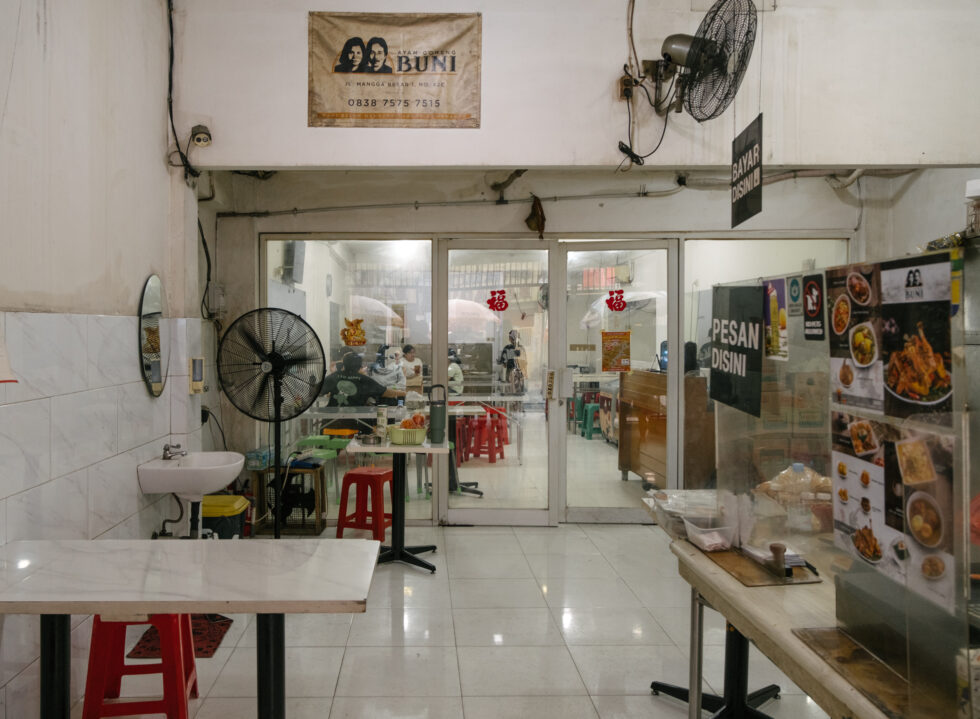
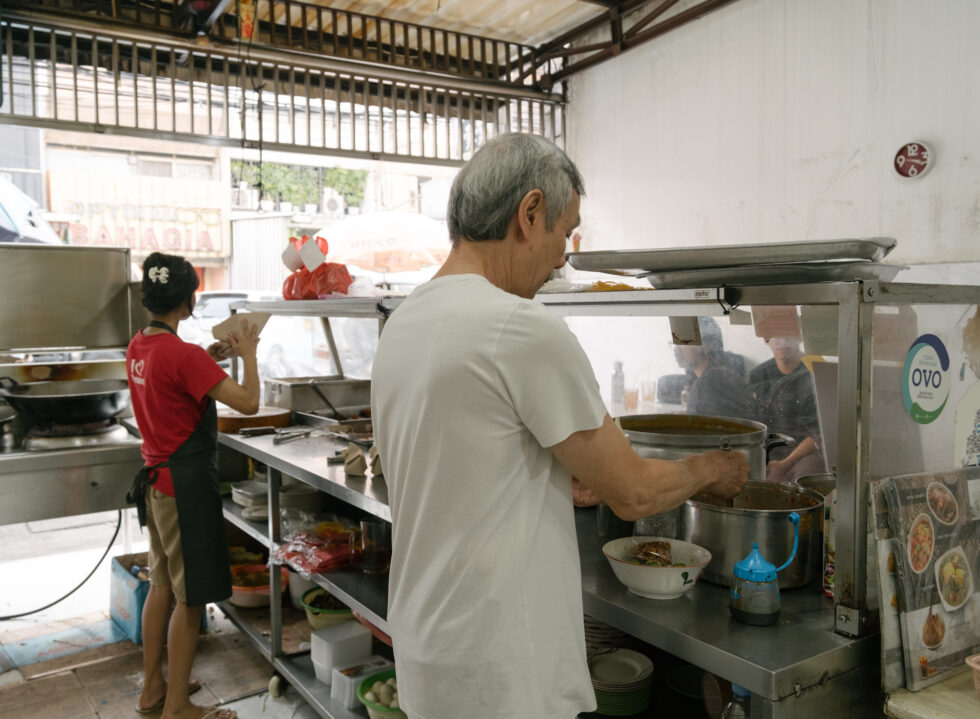
Now operating from Mangga Besar, the recipe is carried on by Suhaeti’s daughter-in-law, Ling, who gradually learned it not through written instructions, but through years spent watching the family at work, allowing her to preserve the character that first made Ayam Goreng Buni a neighbourhood favourite. The black-and-white signboard bearing her and her husband’s portraits has become just as familiar to regulars as the fried chicken itself. Joined by their son, Endri, the family now carries the recipe into its third generation.
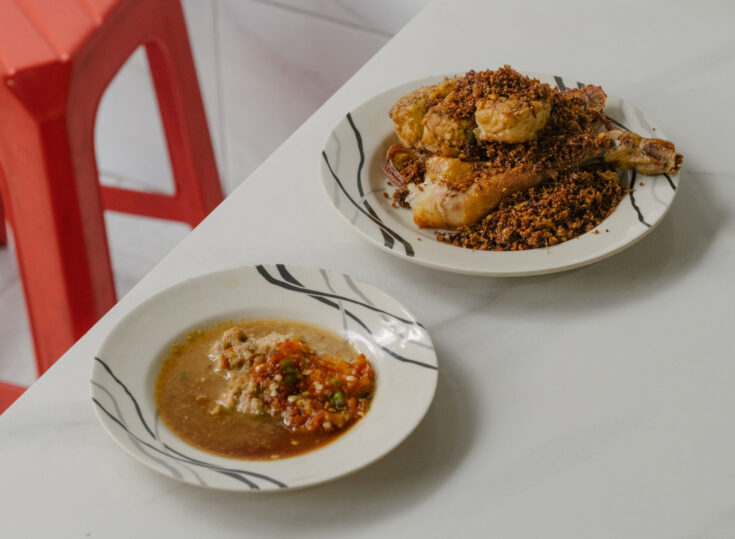
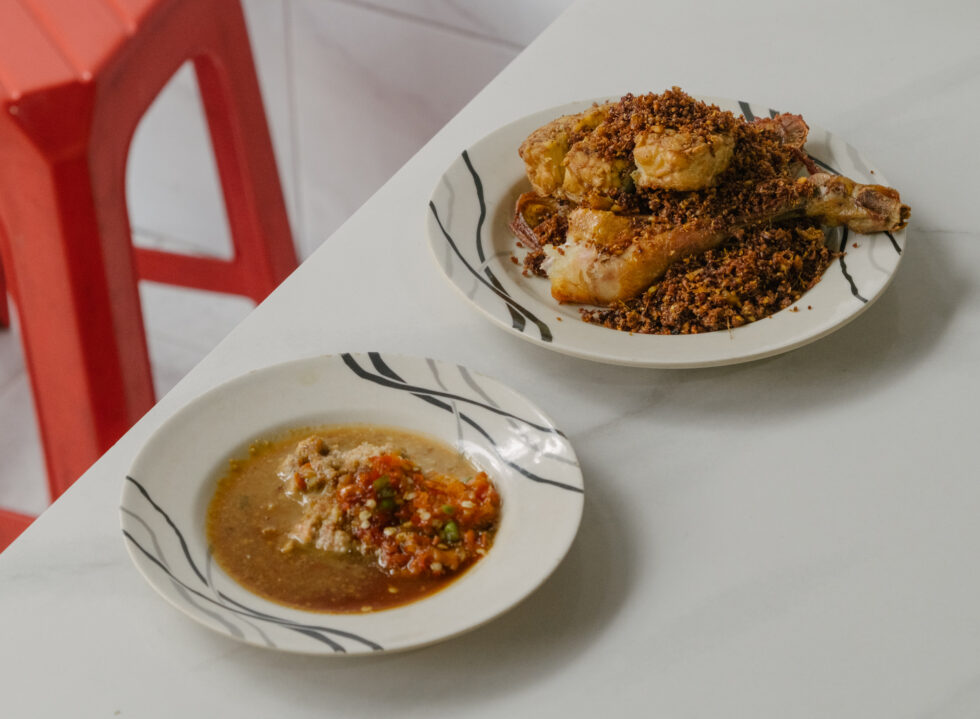
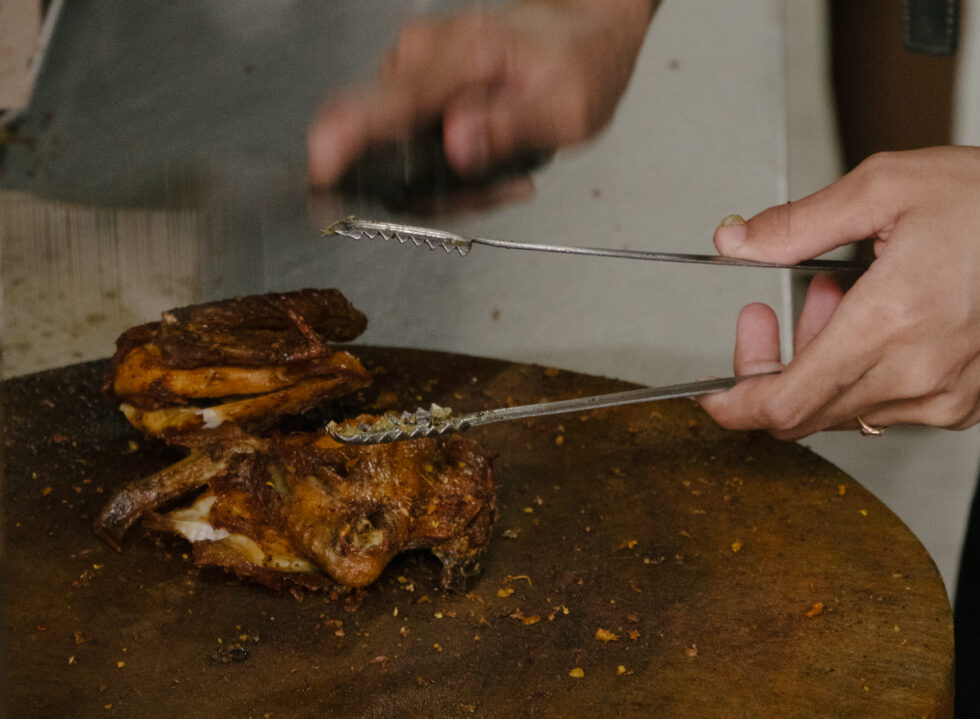
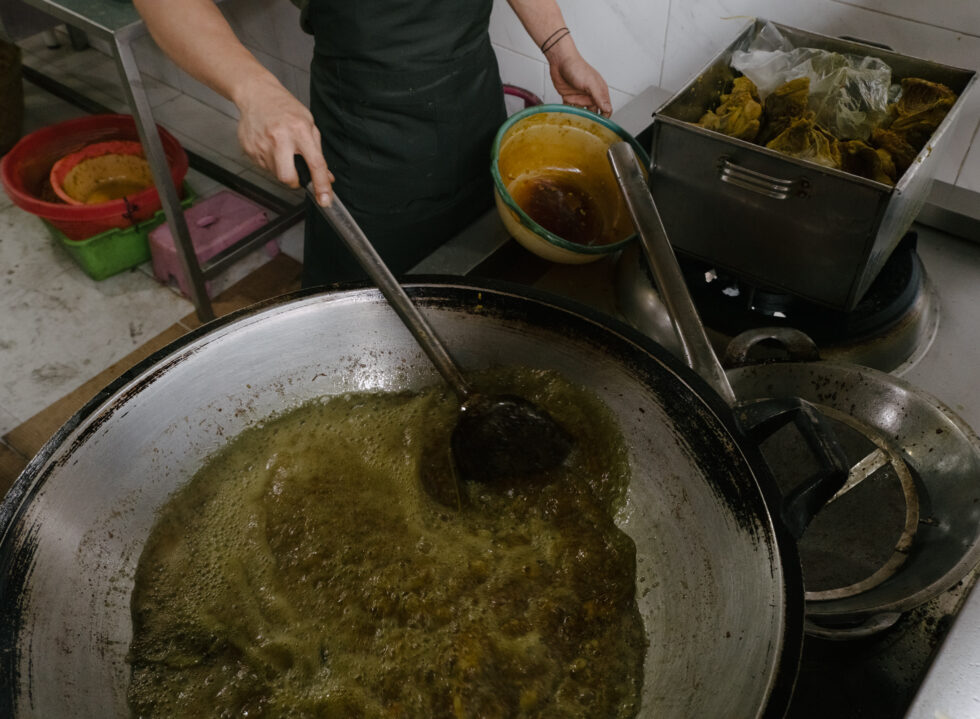
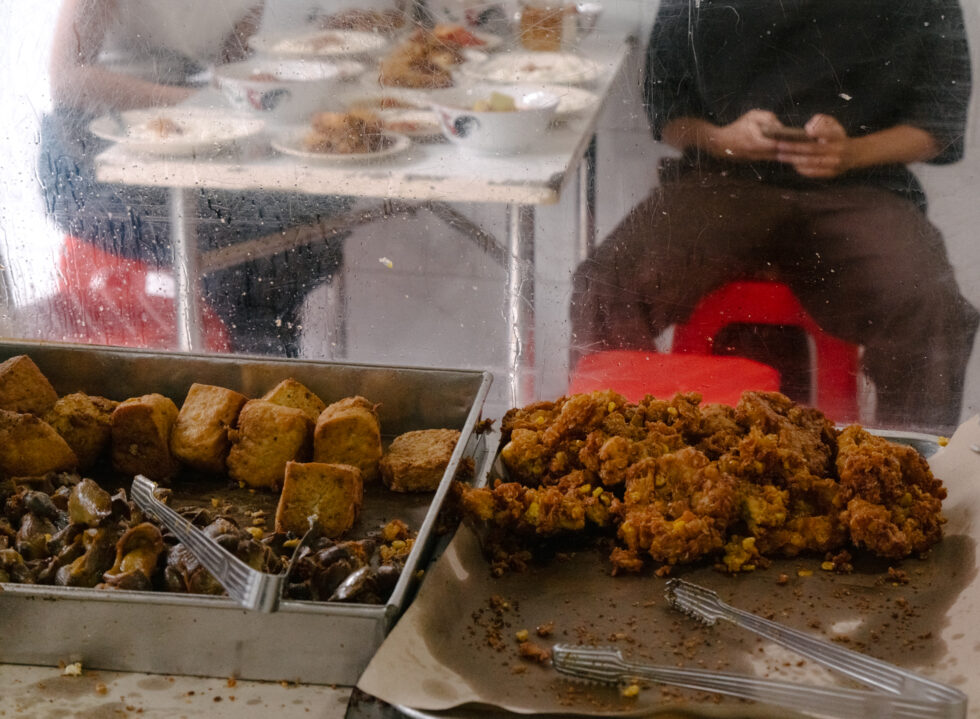
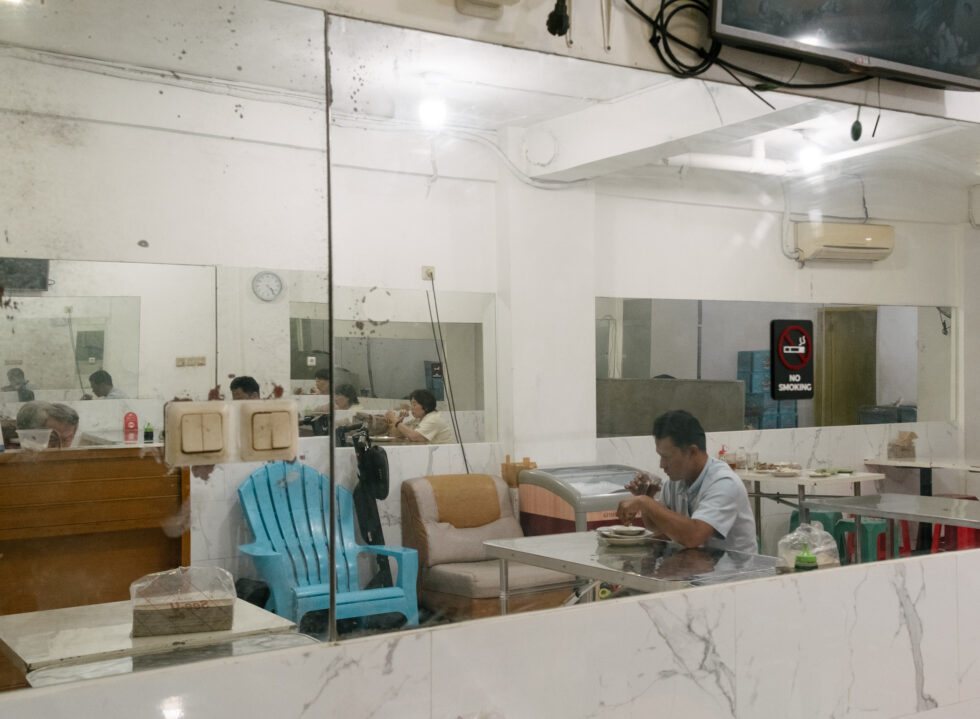
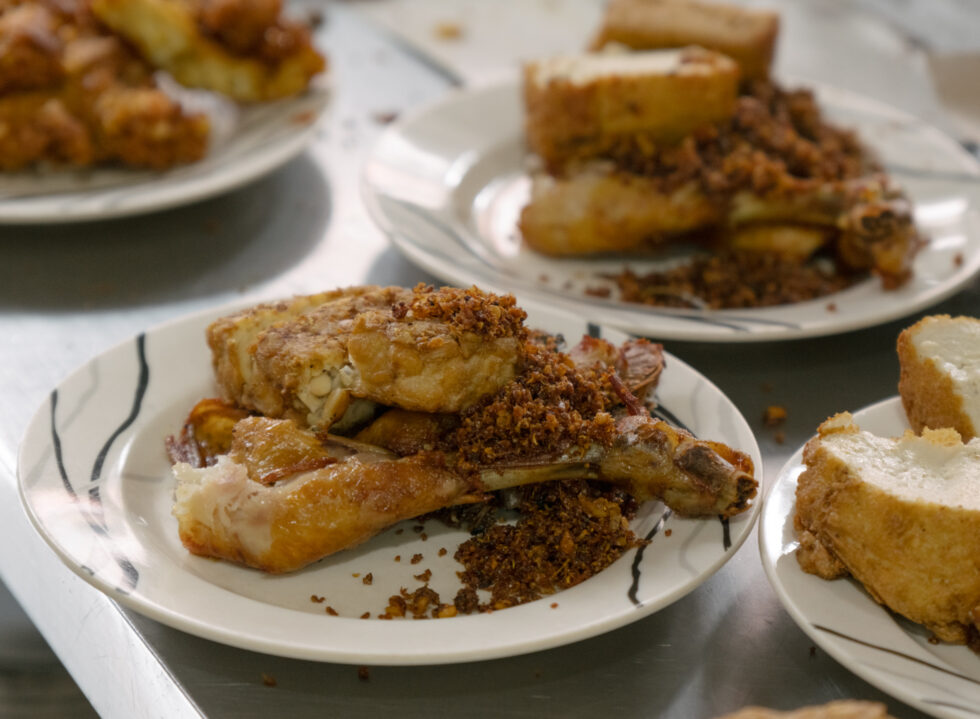
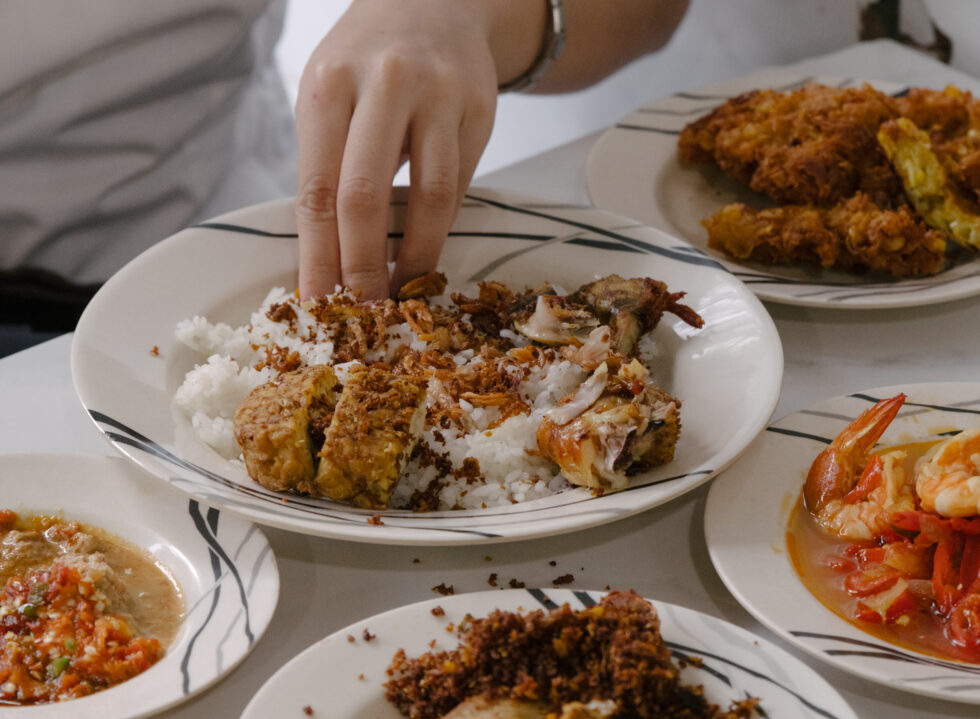
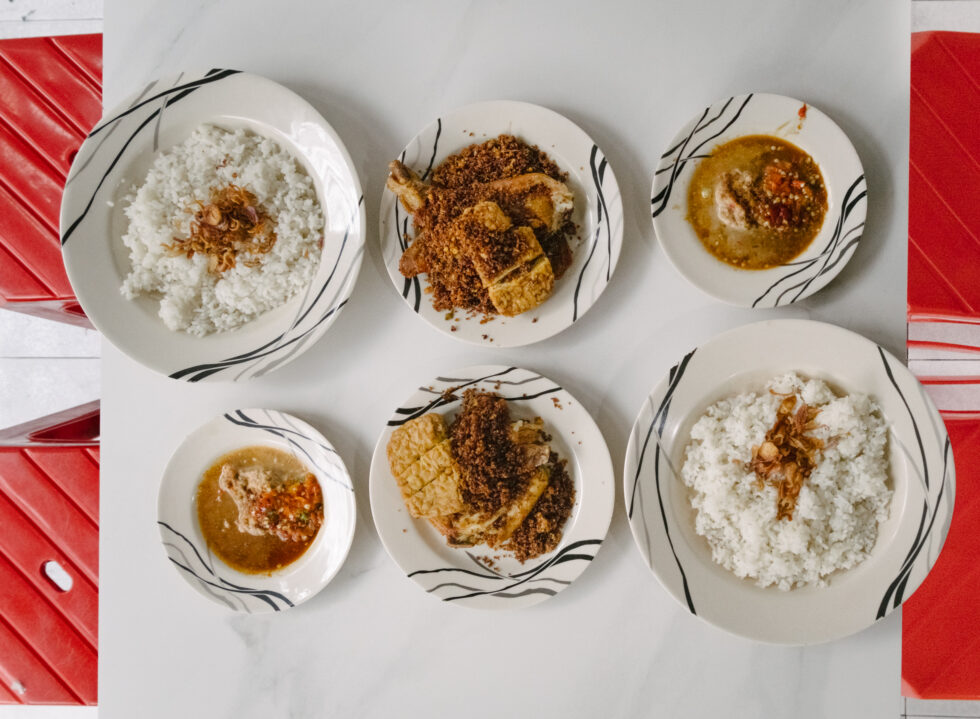
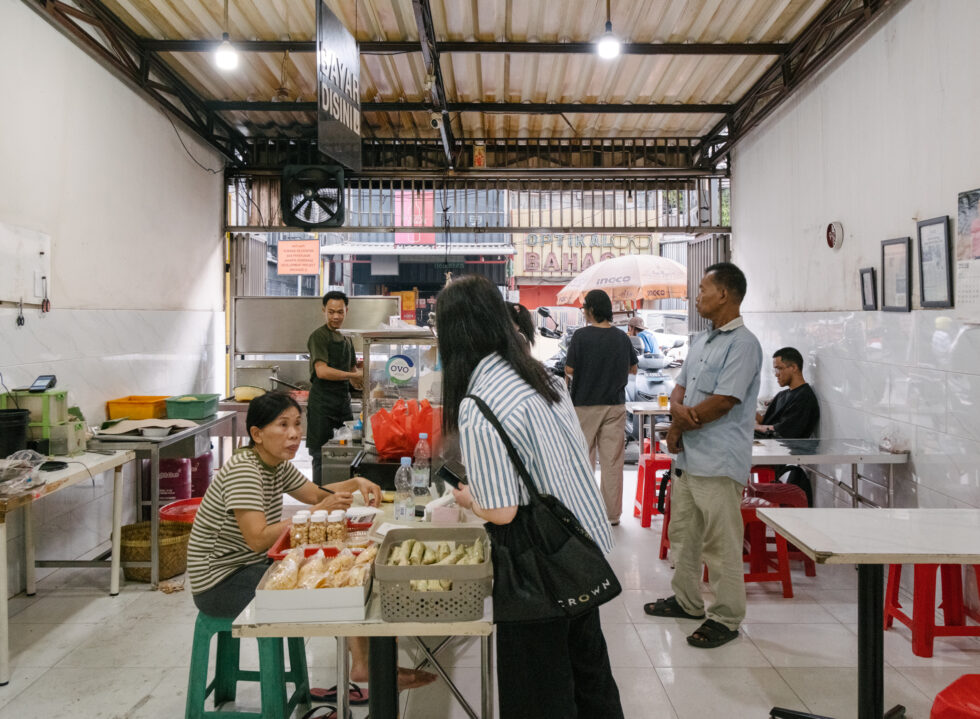
Nearly seven decades on, their fried chicken remains the undisputed signature. The aroma of coriander greets diners the moment they step into the open-air stall, a fragrant introduction to a recipe that relies on careful seasoning, hours of marination, and frying each order fresh. Whether choosing the wing, breast, or thigh, the fried chicken is best enjoyed alongside nasi uduk and the stall’s signature condiment plate, where sweet peanut sauce and fiery sambel rawit can be enjoyed separately or mixed together to suit each bite.
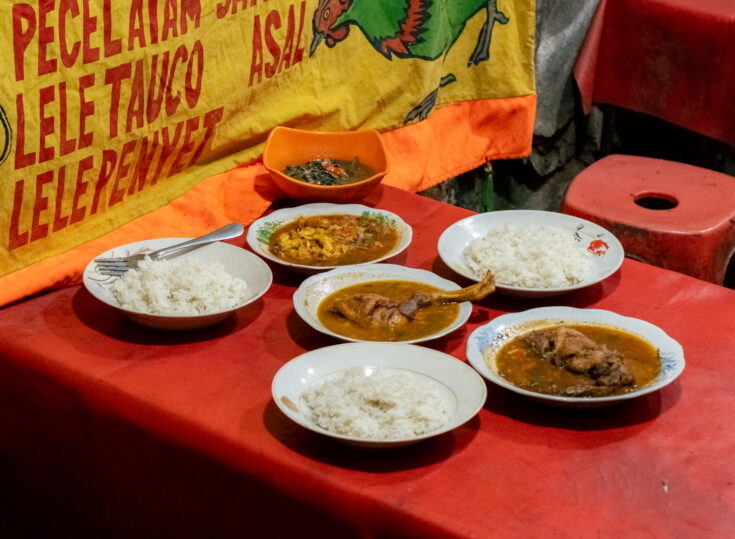
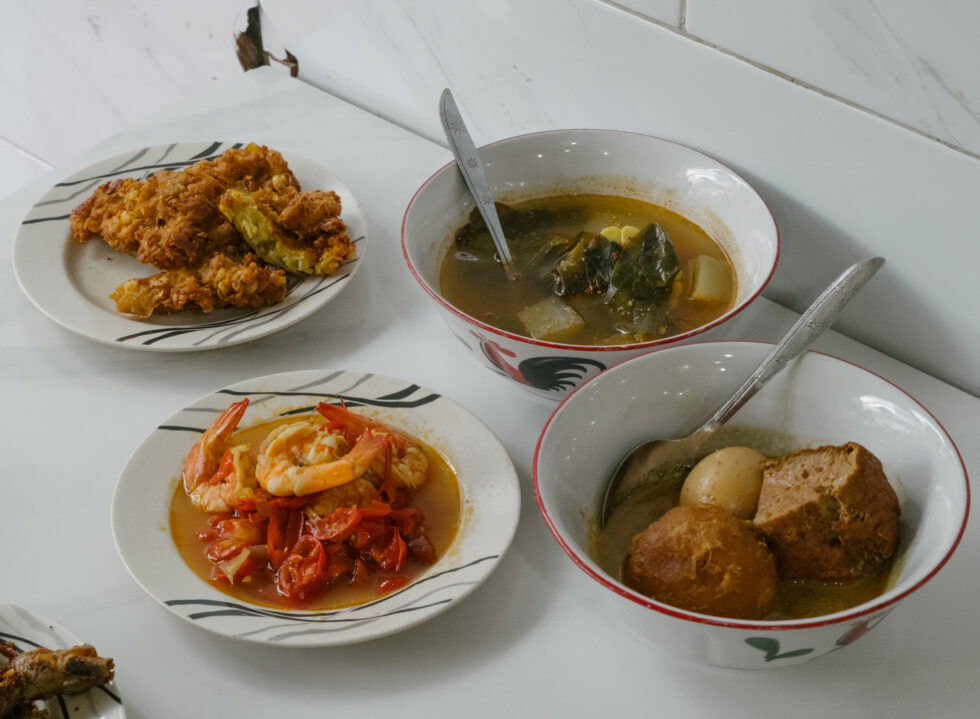
Although the menu has expanded well beyond the original fried chicken and tahu tempe served on Jalan Buni, the way people gather around the table remains much the same. Each diner orders their own plate of fried chicken, while a selection of side dishes — like sayur asem and semur tahu telur kentang — is shared across the table. The sayur asem offers a welcome warmth between bites of the fried chicken, while the cabe petai udang provides another bold option, pairing succulent shrimp and chilli with the crunch of petai.
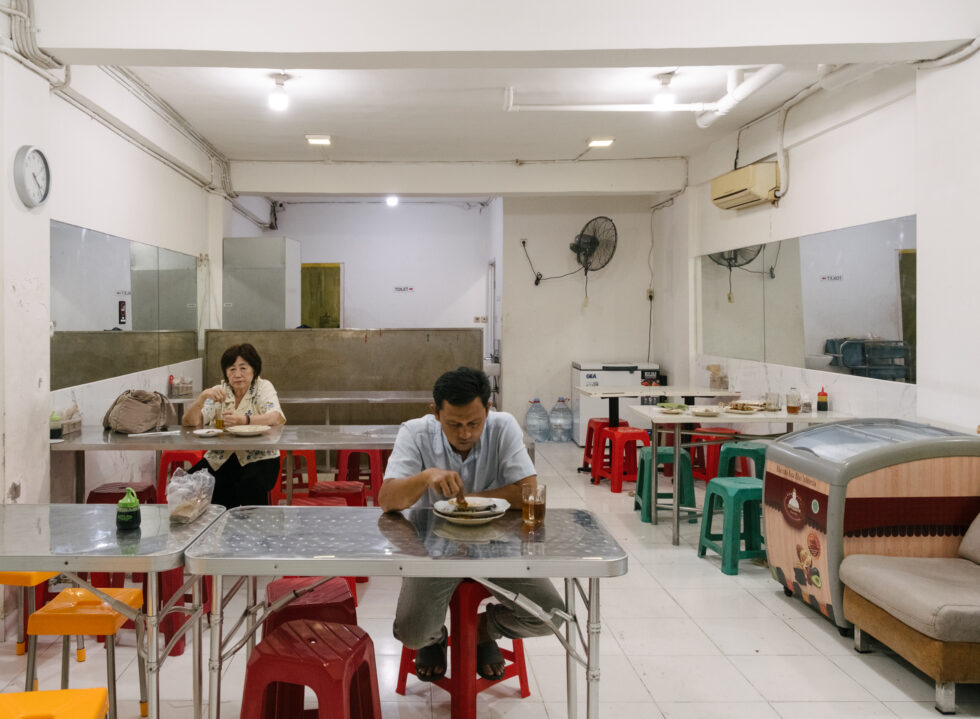
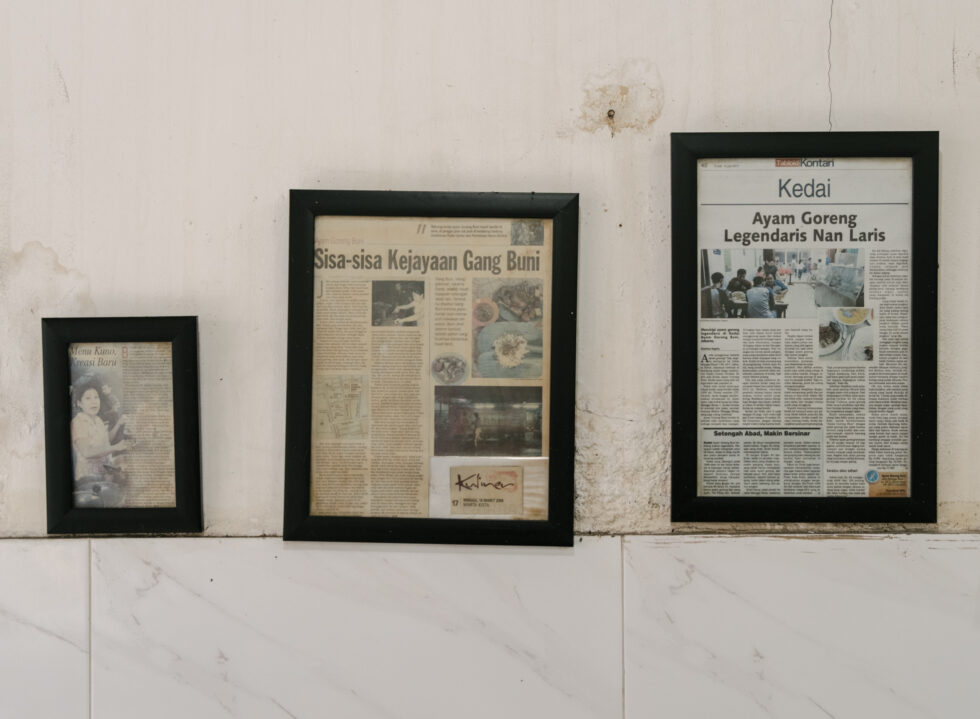
Along the walls of the restaurant, framed newspaper clippings trace Ayam Goreng Buni’s place in Jakarta’s culinary history. Yet the restaurant’s longevity is perhaps just as visible in the dining room itself. Just as the recipe has been handed down through generations, so too has the tradition of returning for a plate of its ayam goreng.
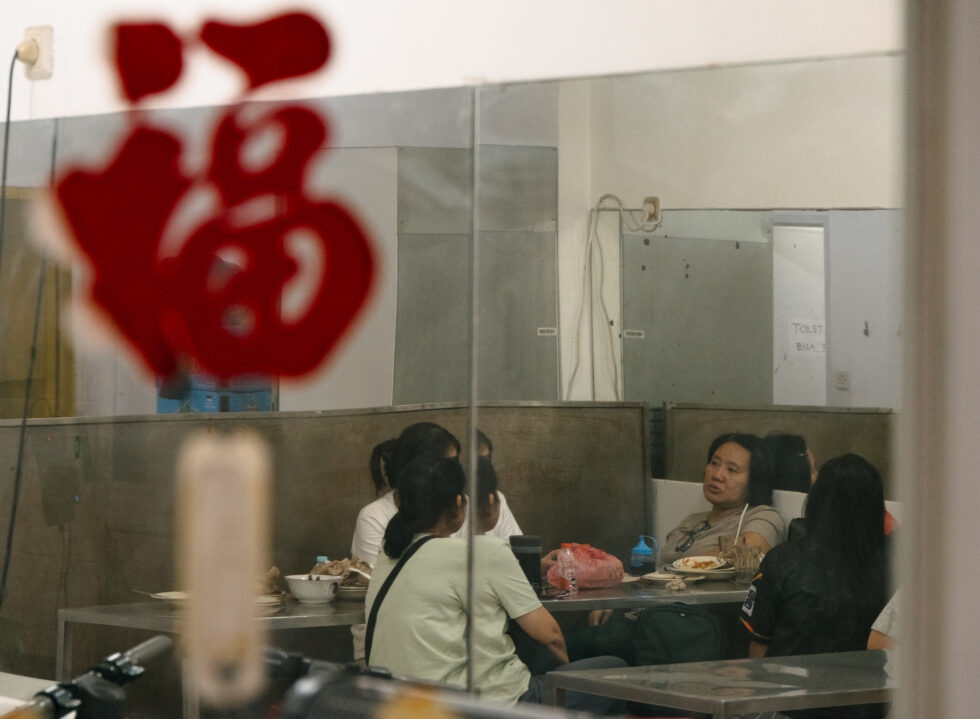
Perhaps that explains the mix of crowds seen during the busy hours of lunch. From elderly regulars to students on their way home from school, alongside families willing to travel from as far as Bogor and Bandung for a meal they know well. After nearly seven decades, Ayam Goreng Buni’s story has been carried forward in two ways: through a recipe passed from one generation of the family to the next, and through diners who continue passing the tradition of returning to one another.