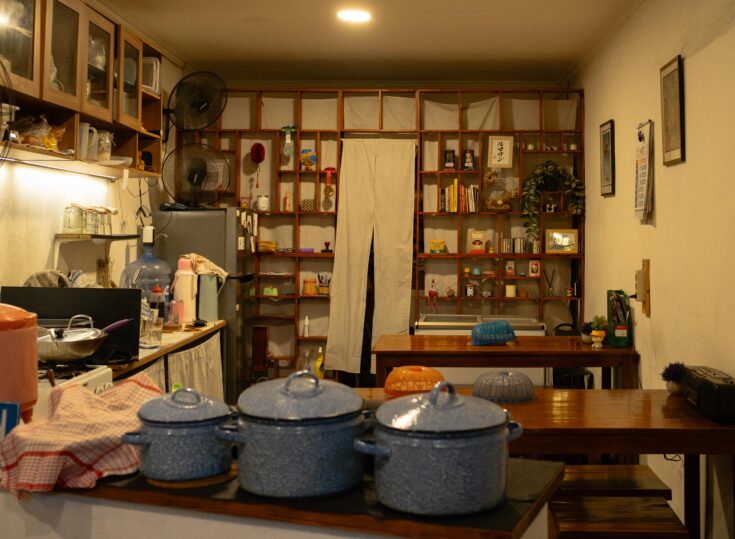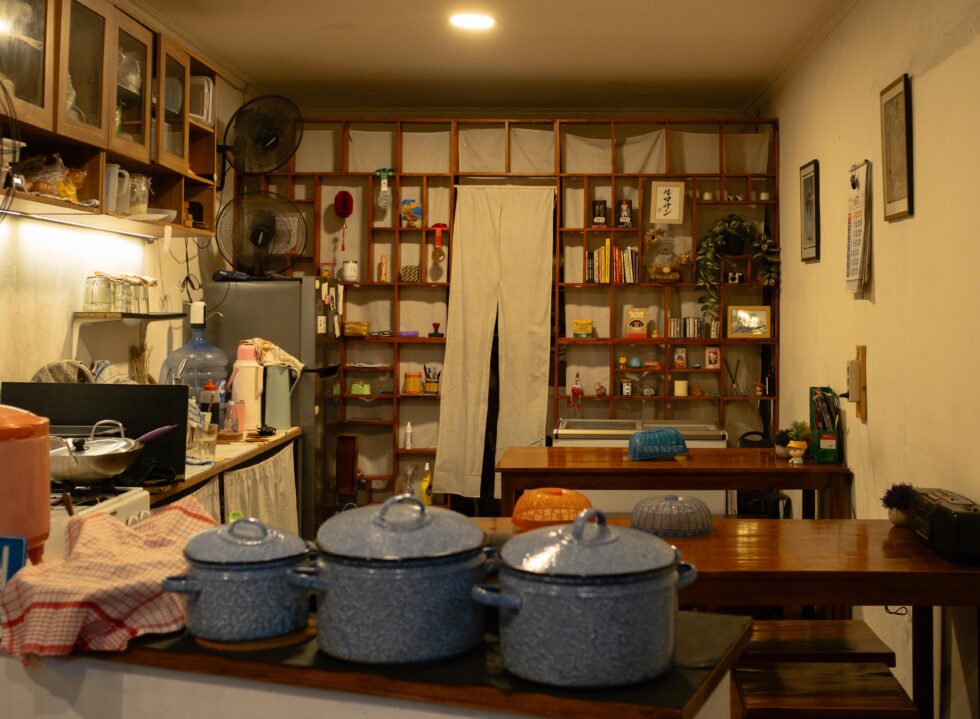
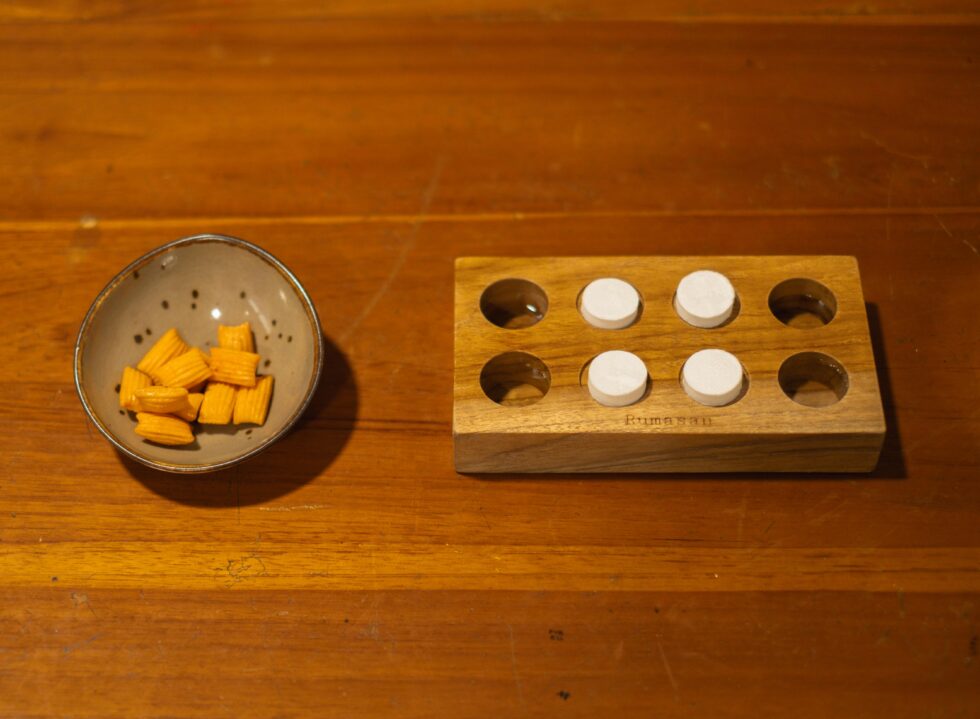
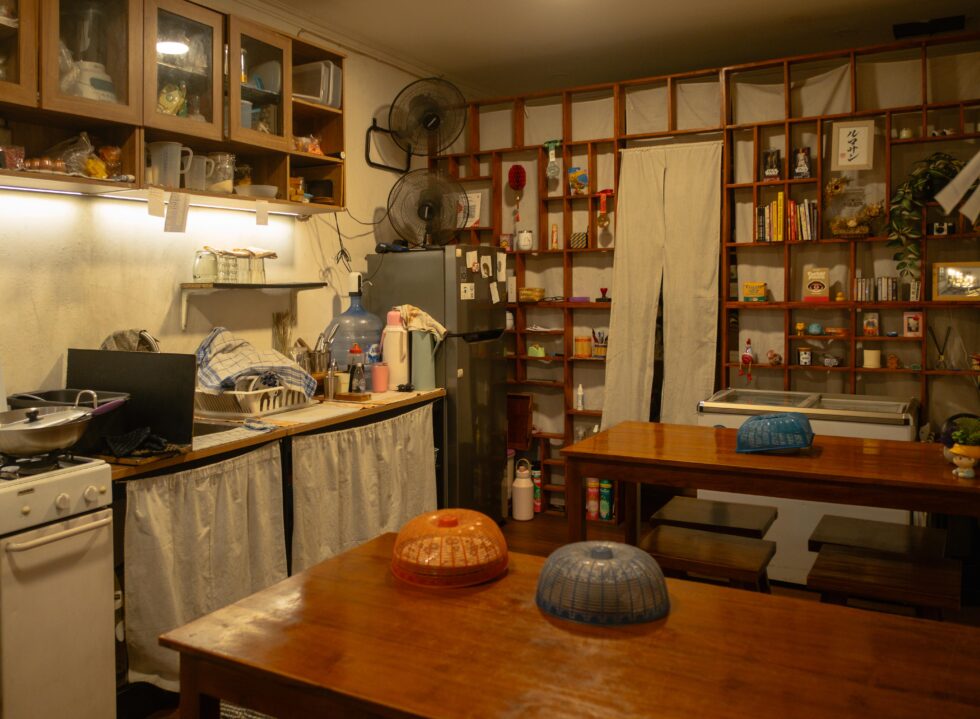
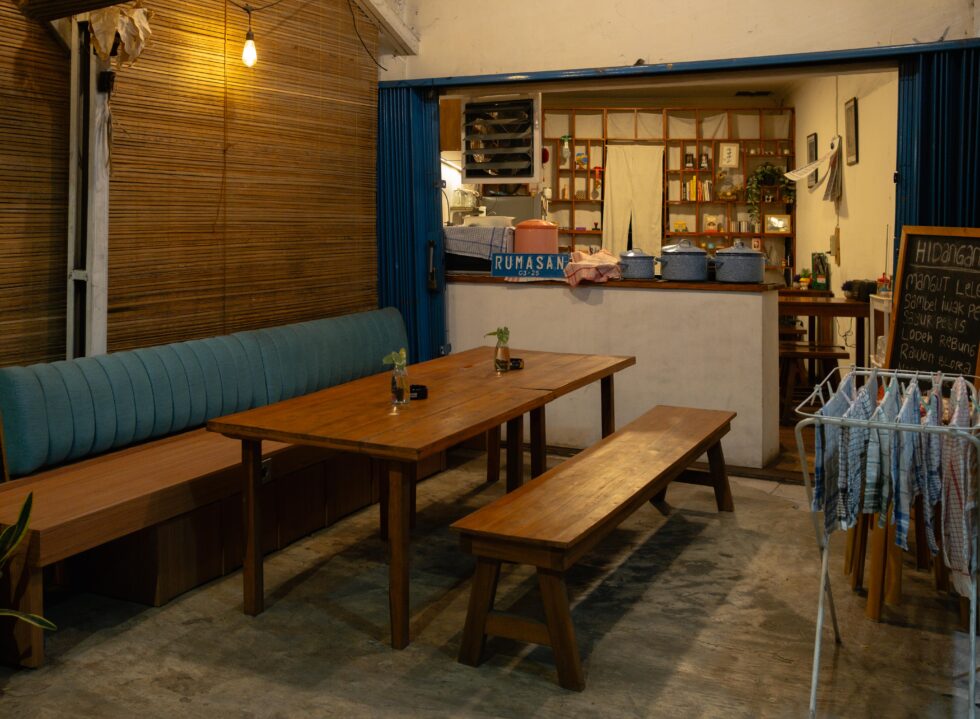
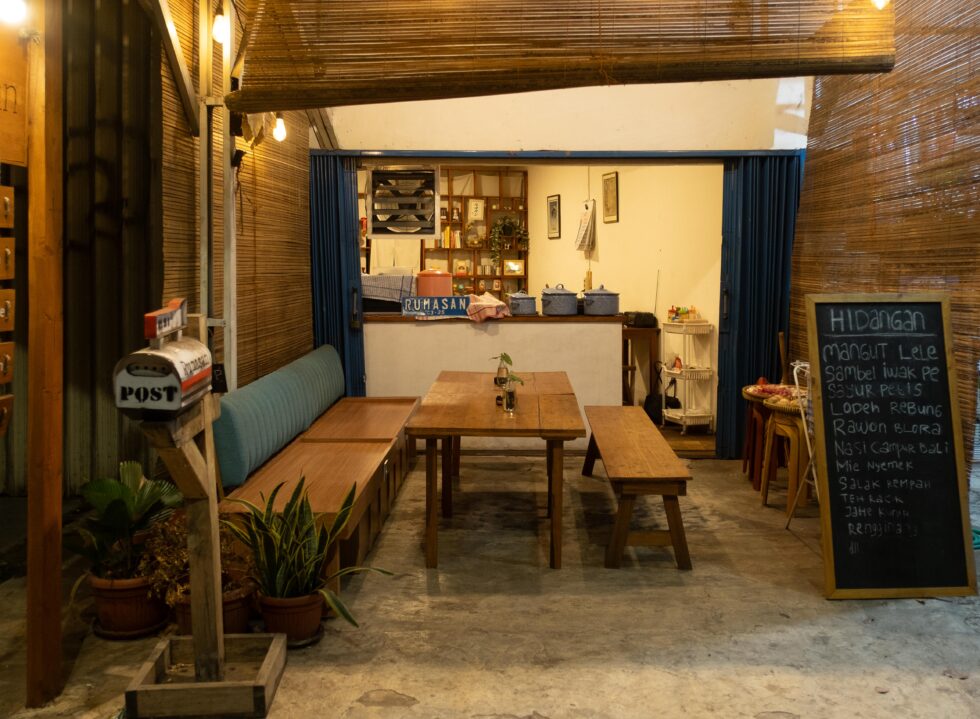
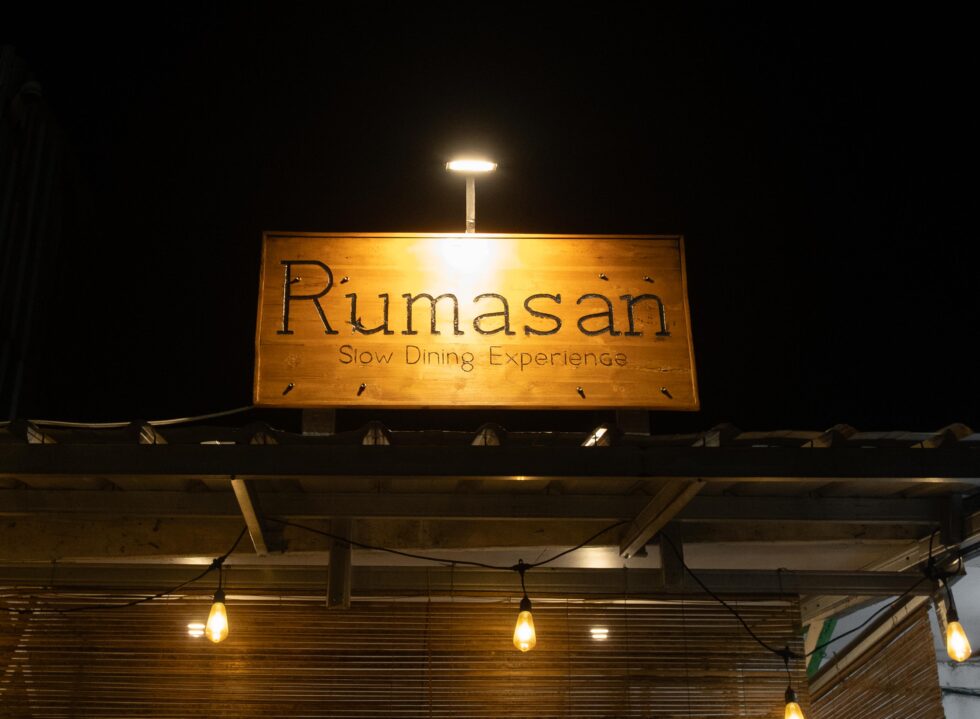
For Boby Febriawan, Rumasan began with the feeling of eating at home. Short for “rumah makan berkesan”, his modest roadside space in Permata Hijau is not his house, but he wanted it to carry the same experience of gathering around the dining table in his hometown, Blora, Central Java. Together with fellow Blora native, Sarah Giovanni, they bring the feeling into a small space that seats around 20 people.
Boby and Sarah both work in the kitchen, bringing to life what Boby calls “Blantara” – Blora-Nusantara. The “Blora” comes through a fixed menu inspired by the dishes and flavours they grew up with, while the “Nusantara” side takes shape through a seasonal menu of familiar dishes from across Indonesia.
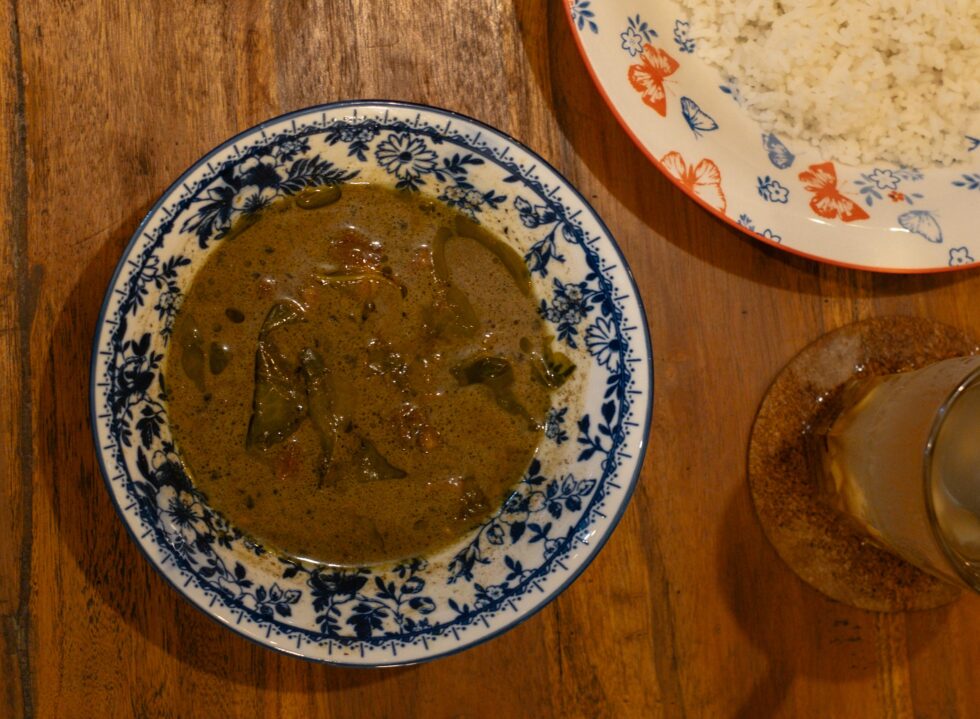
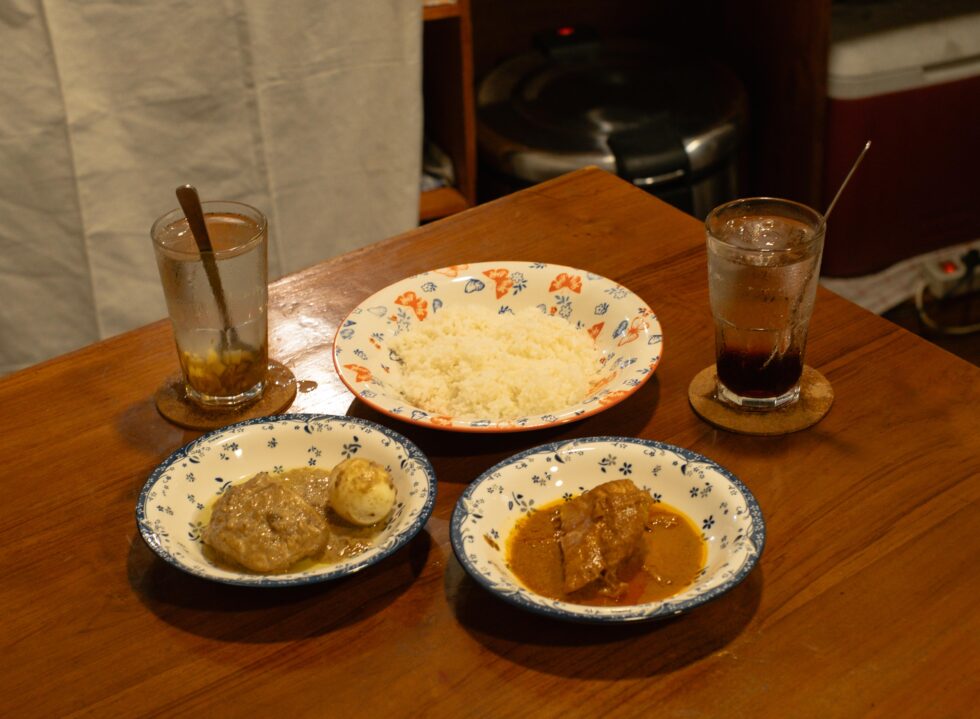
A bowl of Rawon Khas Blora offers a glimpse into the food Boby remembers from home. Unlike the darker, more intensely spiced rawon commonly associated with East Java, the Blora version is made with santan and daun melinjo, giving the broth a richer, creamier character.
At Rumasan, the tender beef comes with white chilli and lime on the side. The chilli brings heat to the broth, while a squeeze of lime cuts through its richness.
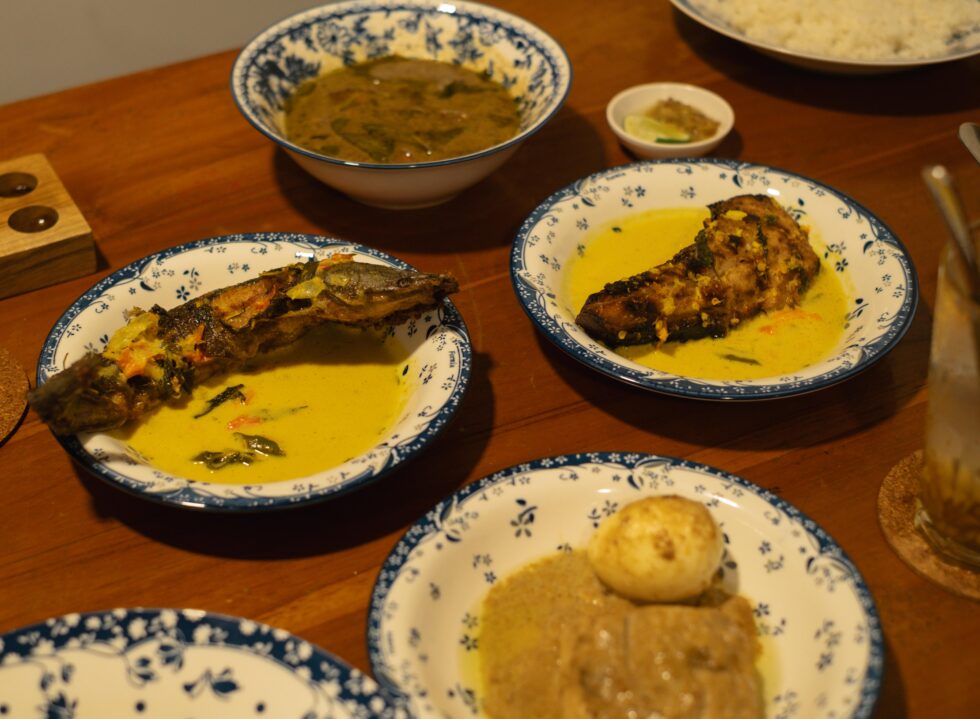
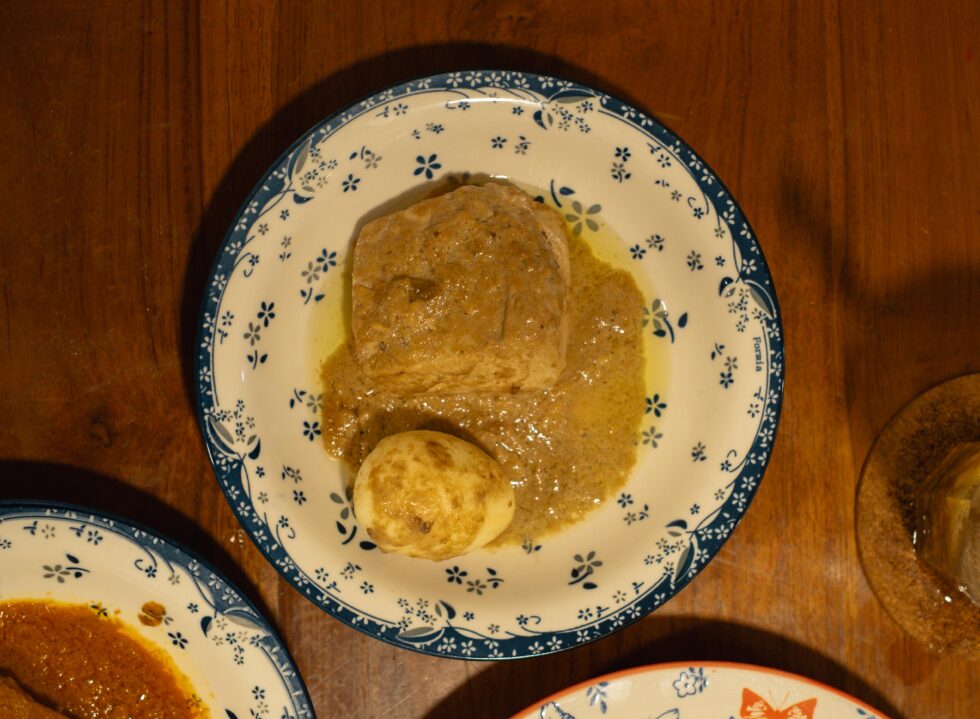
Another side of Blora cooking comes through the mangut dishes, which Sarah remembers eating at home. There’s Mangut Iwak Pe, made with smoked stingray, and Mangut Lele, made with catfish marinated for 24 hours. The fish is cooked separately from the yellow mangut sauce, allowing it to retain its crisp texture while keeping the sauce light enough to complement it.
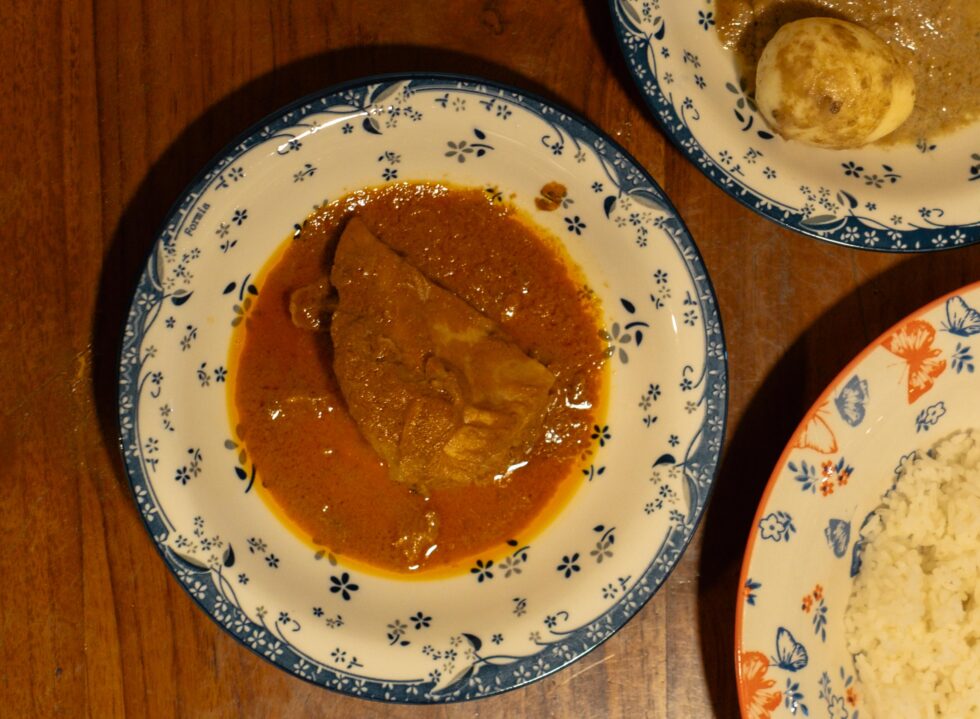
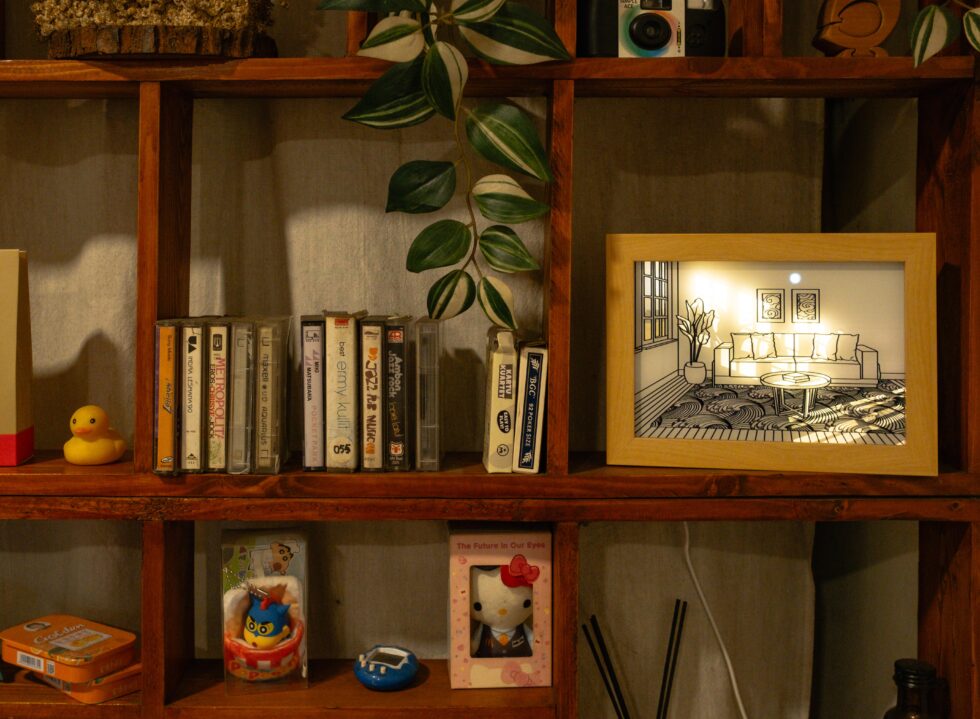
As more of Boby and Sarah’s heartier dishes arrive at the table, the small dining room lends itself naturally to sharing.. Friends gather around the table while conversations with the chefs drift in and out of the room. For those coming alone, a plate of Ayam Srepeh with rice and Es Teh Racik offers a quieter way to spend a meal before getting on with the rest of the day. Even after the meal is over and the plates are being washed, there is little reason to rush out. Some might stay a while longer, carrying on the conversations or simply stay around a while with Ambon jazz oldies playing softly from Boby’s cassette player.
Perhaps that is what makes Rumasan feel true to its name. The Blora dishes may be what brings people to the table, but it is everything around them that gives the meal its sense of home: the kitchen within sight, the compact dining room and Boby and Sarah close enough to chat with. There is no great ceremony to the experience. In that sense, Rumasan feels less like a restaurant trying to recreate home and more like a place that understands why people enjoy eating there in the first place.