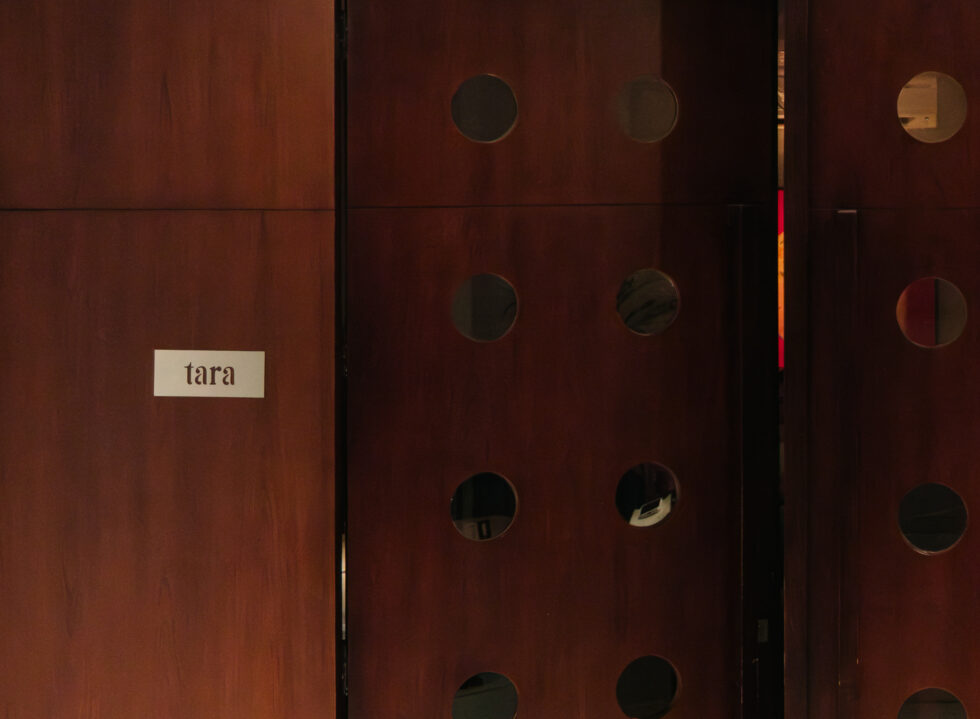
The story behind Tara begins long before the bar opened in Senopati. It begins with a silver teapot.
The teapot belonged to co-founders and managers Sameera and Soemaya Anand’s great-grandmother, who carried it from what is now Pakistan to India during the Partition in 1947. It remained with the family as subsequent generations moved across countries, from Bangkok to Singapore, before eventually settling in Indonesia. Today, the object lives on through Tara’s logo, serving as a reminder of a family history shaped by movement and cultural exchange.
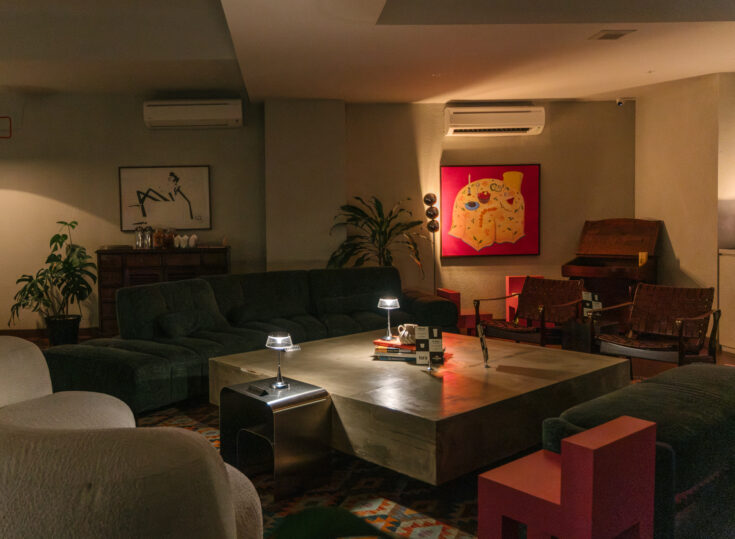
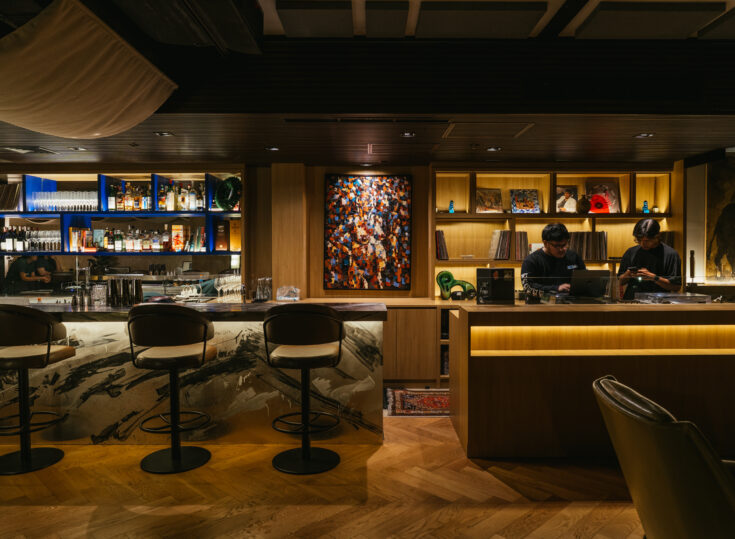
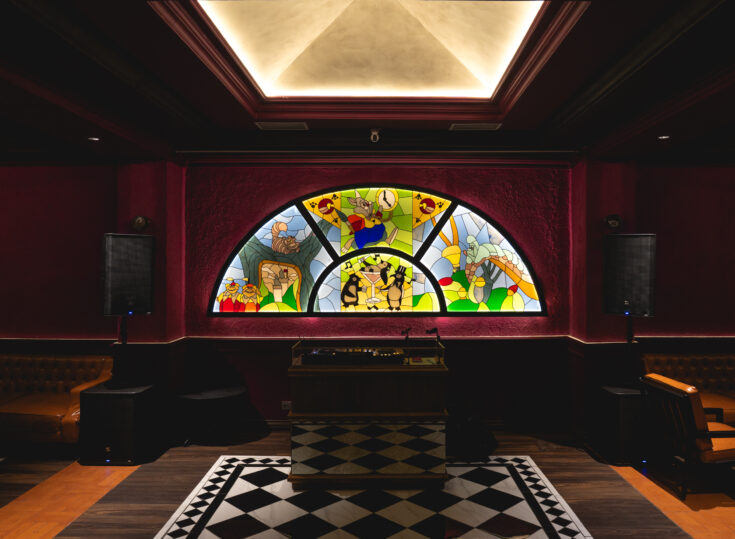
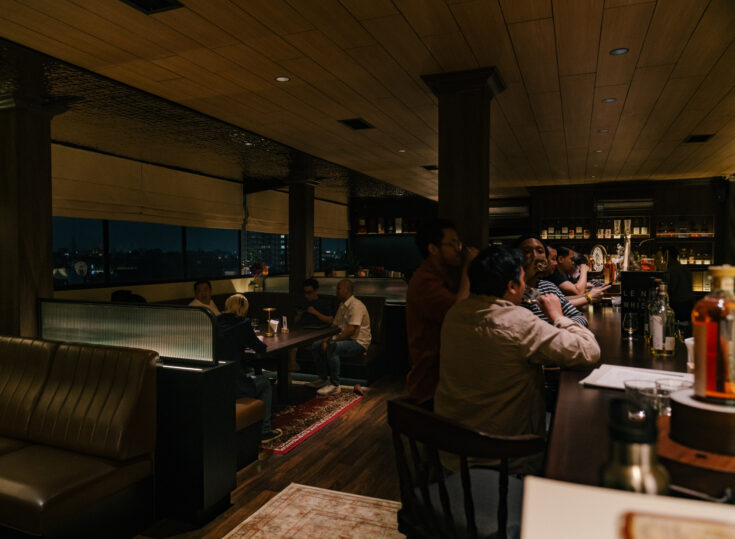
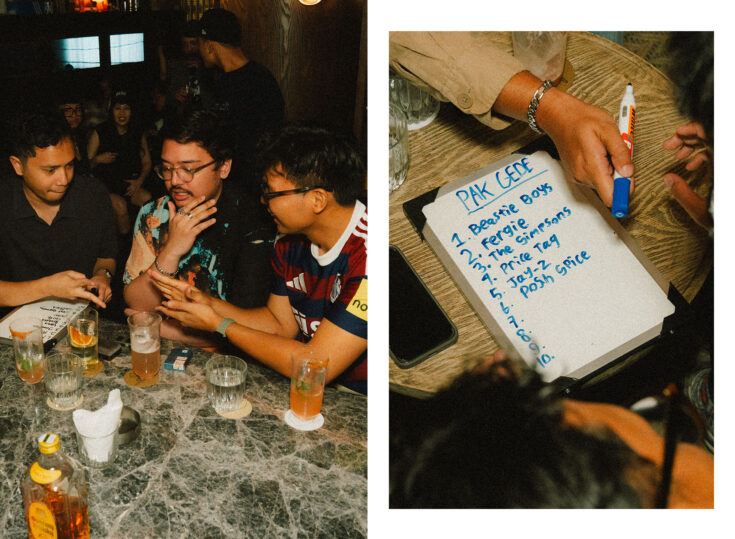
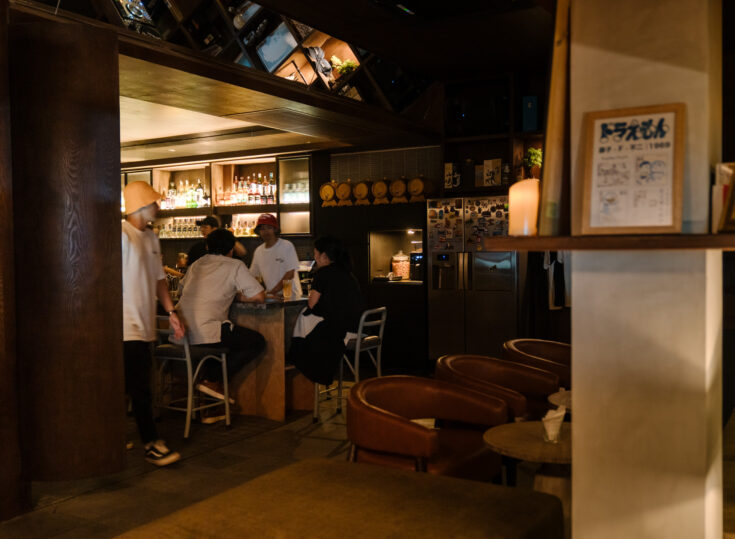
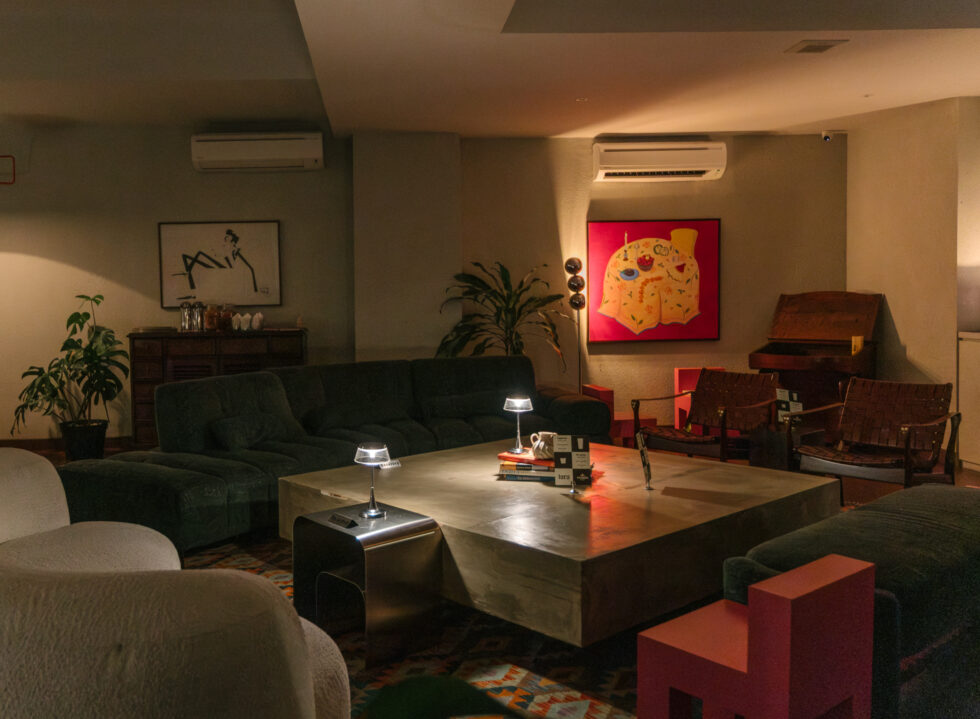
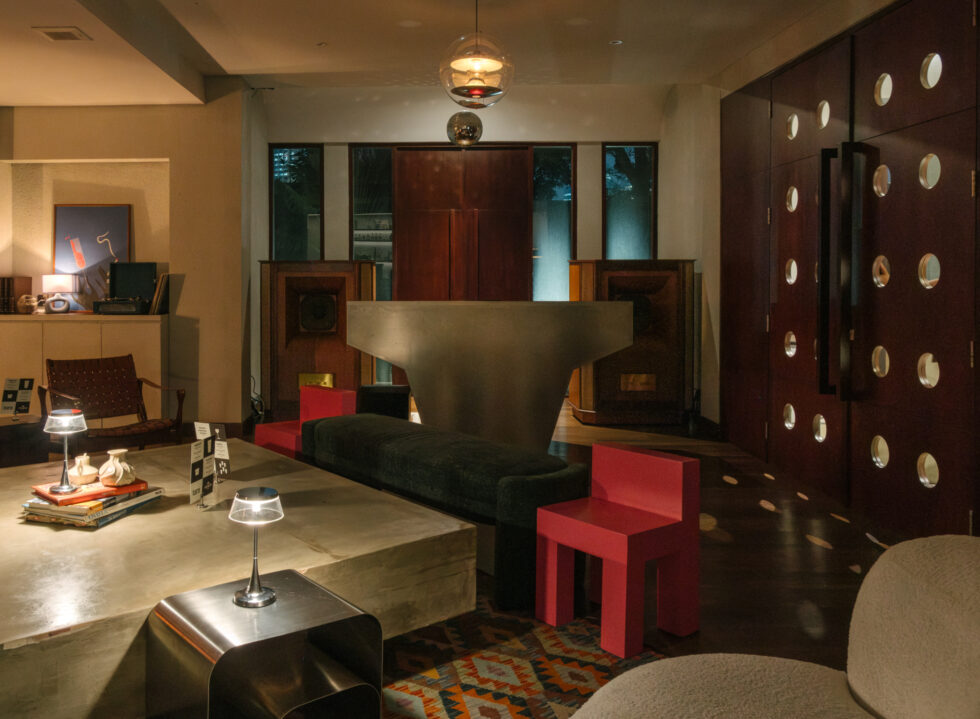
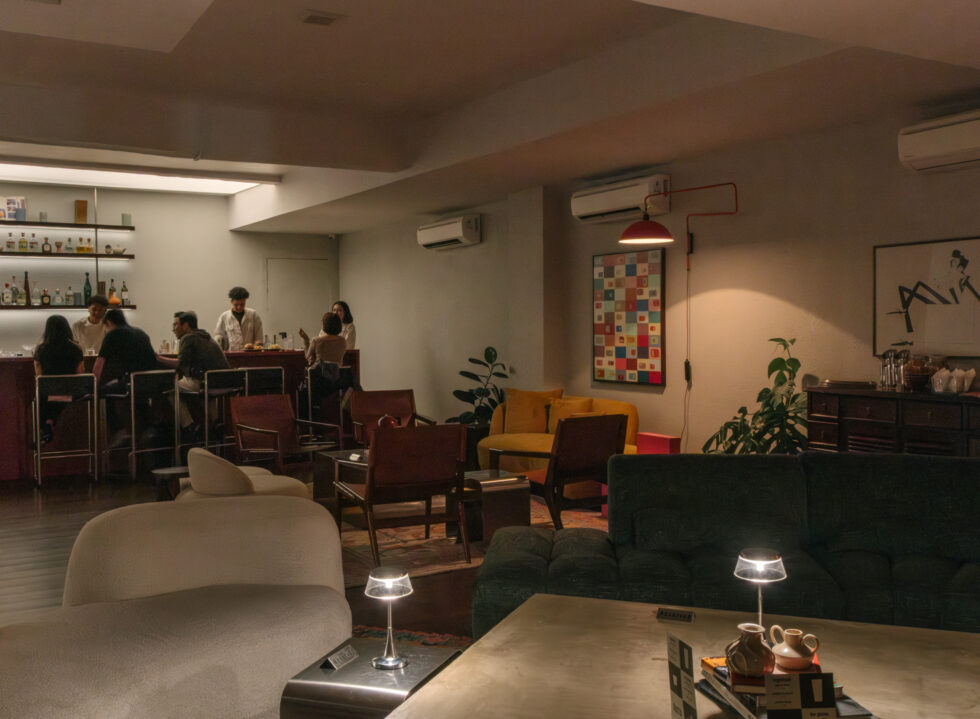
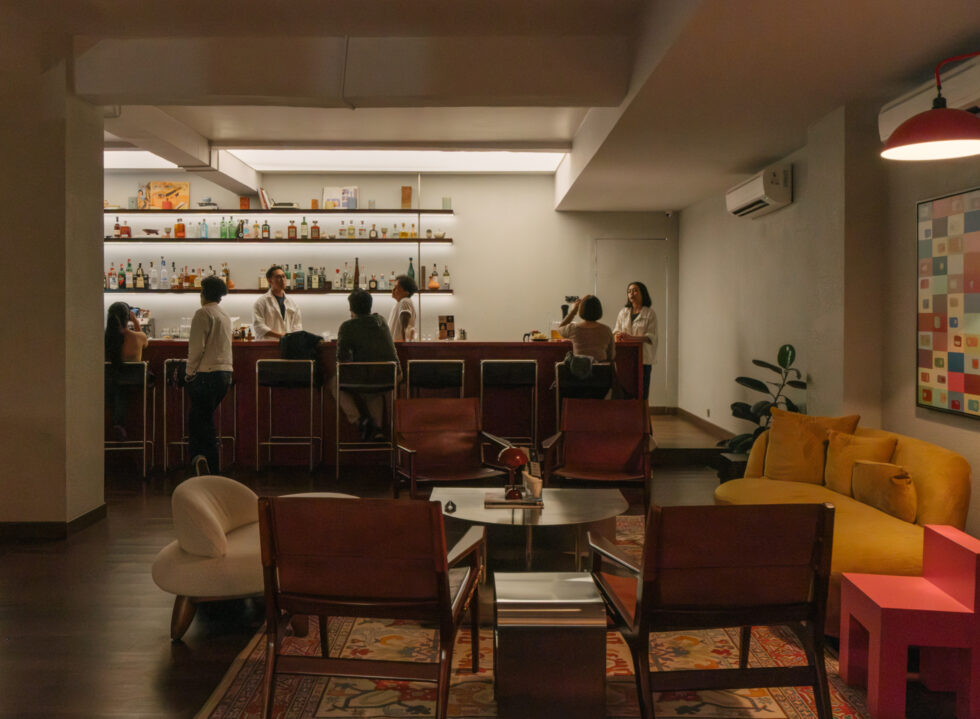
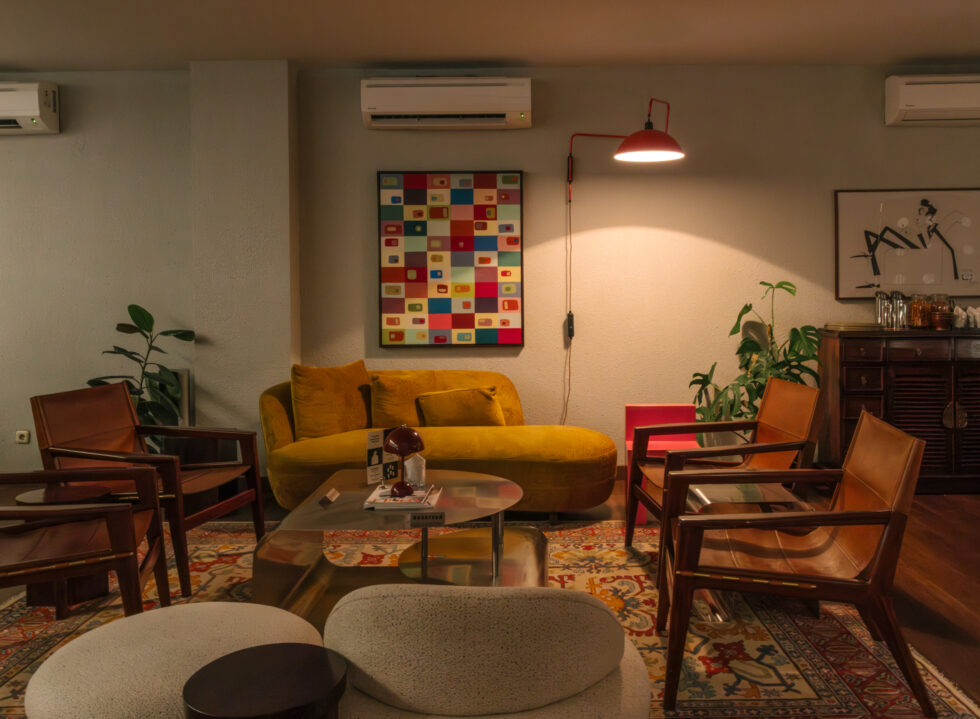
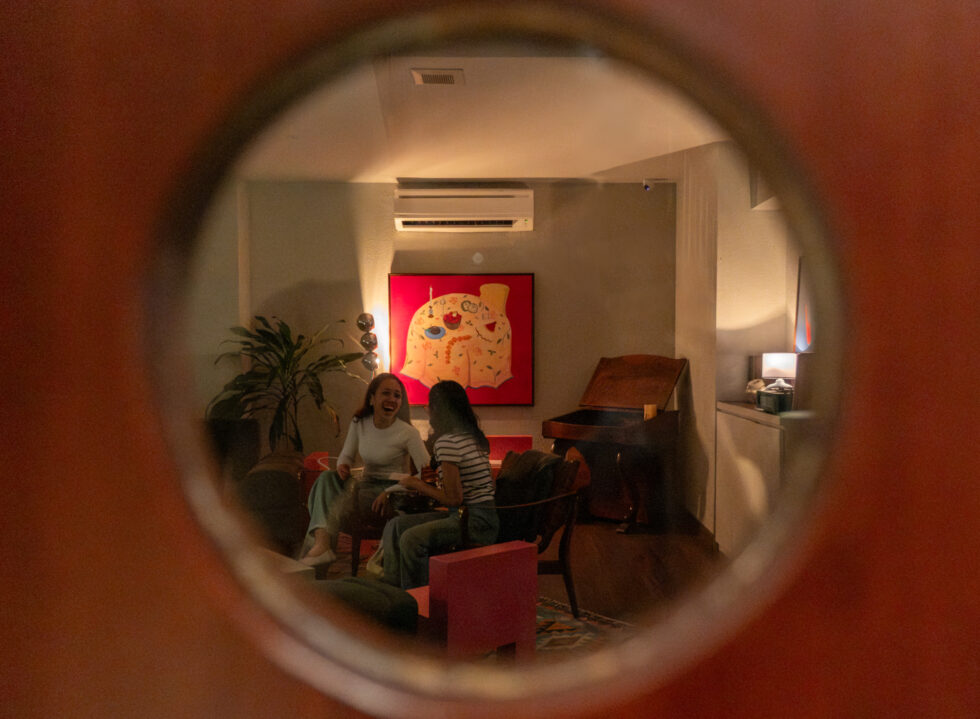
That background forms the foundation of Tara, a cocktail bar created by the sisters as a reflection of the cultures that have shaped their lives. Growing up as third culture kids, they were surrounded by influences from across South Asia, Southeast Asia, and Indonesia. Rather than focusing on a single tradition, Tara brings these threads together through food, drinks, music, and the objects that fill the space. Tucked inside a house in Senopati, the bar feels more like a gathering place than a conventional cocktail destination. Guests move between leather bar stools, communal tables, and corners decorated with personal objects, paintings, and illustrations that reference the sisters’ upbringing and family history.
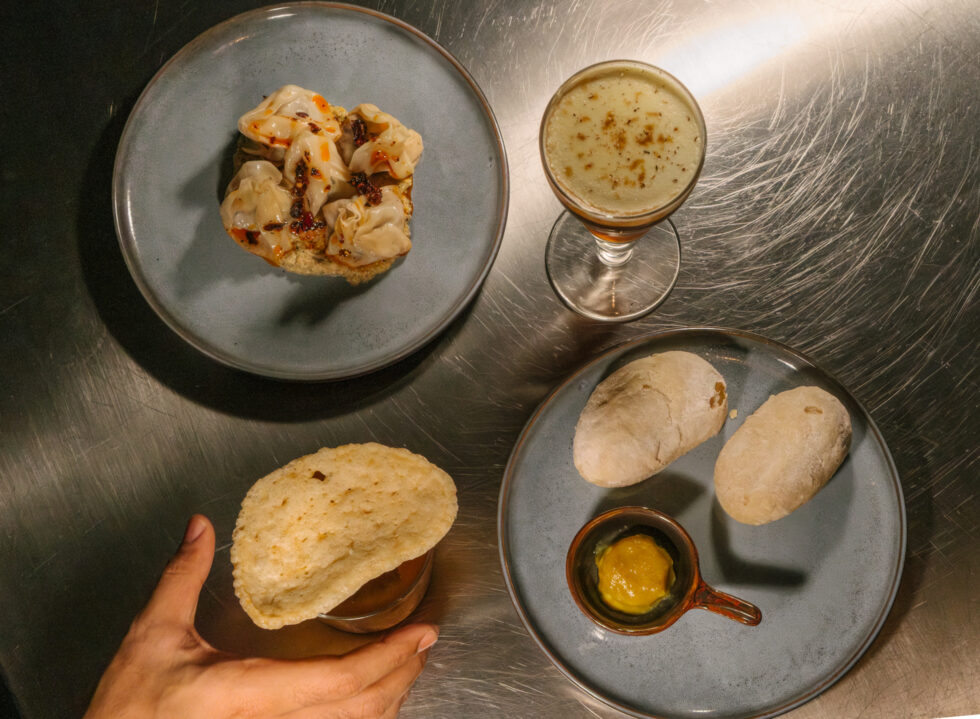
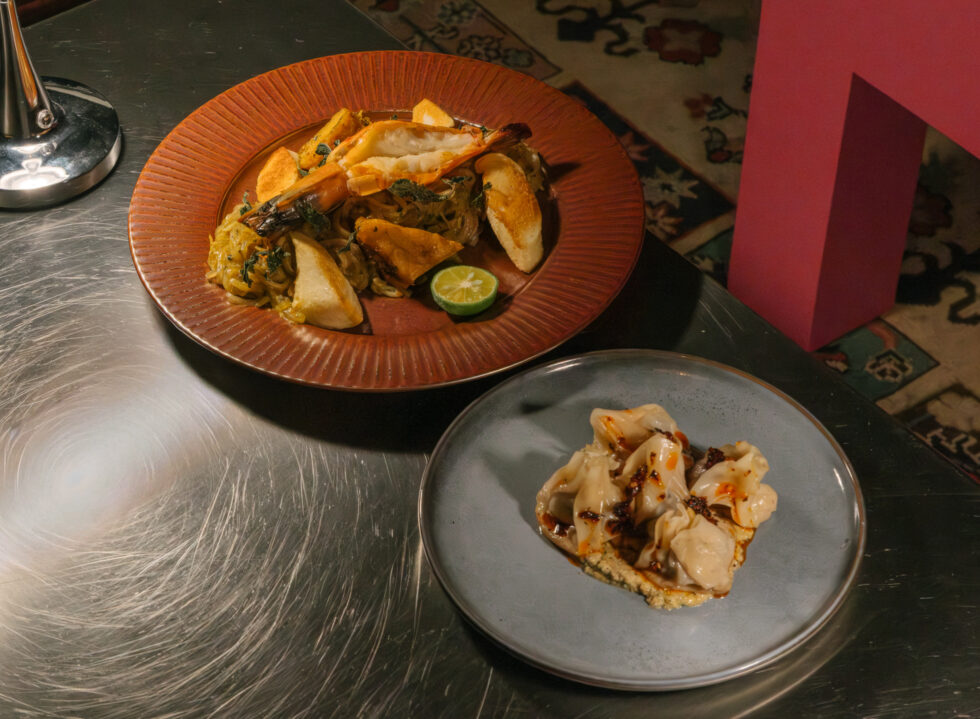
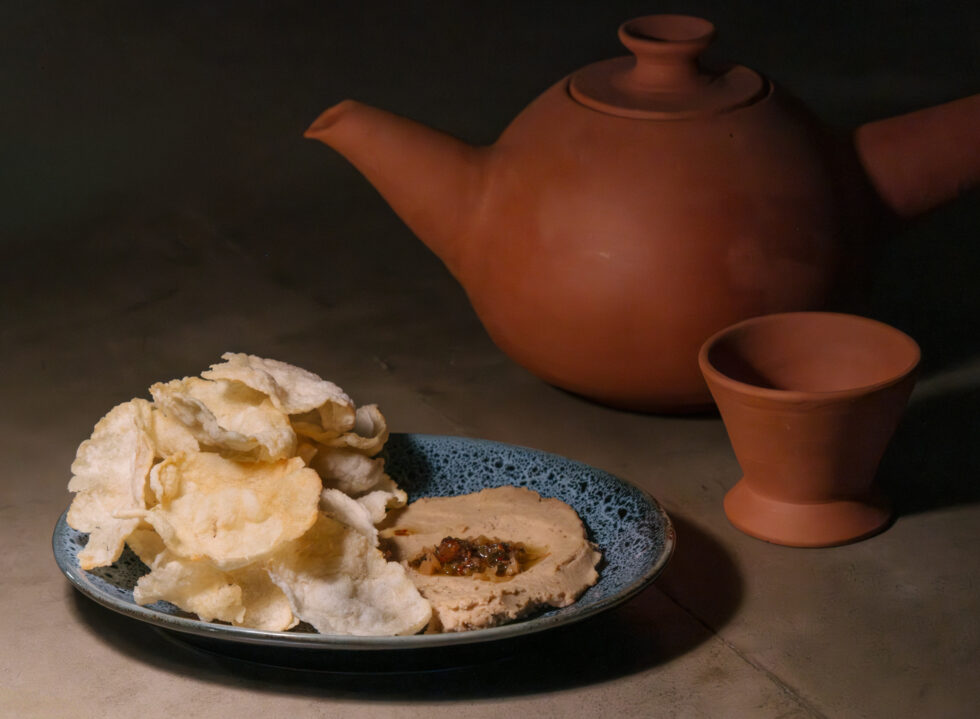
The menu follows a similarly personal approach. With Sameera leading the cocktails and Soemaya overseeing the food, both dishes and drinks draw from ingredients, flavours, and memories collected across different places rather than adhering to any one cuisine. That philosophy appears in dishes such as the Lamb Momo, inspired by Nepali street food and served with peanut chutney, as well as the Ayam Goreng-inspired Bread and Butter that reinterprets familiar Indonesian flavours through the format of a bar snack.
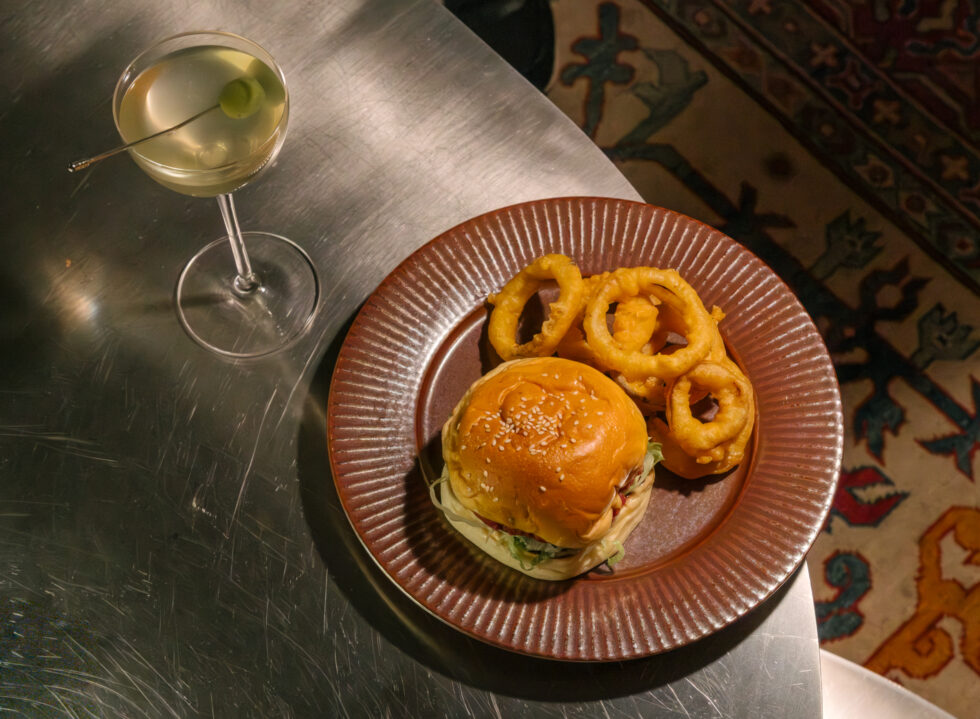
Their drinks carry the same spirit. The Irish Chai combines whiskey, black tea, and house-made vanilla cream into a cocktail shaped by warm spice notes, pairing naturally with lighter dishes and snacks. For heartier plates such as the Beetroot Burger, the Kemangi Martini offers a bolder companion, layering gin infused with kemangi leaves alongside olive brine-washed vermouth for a savoury and more spirit-forward profile.
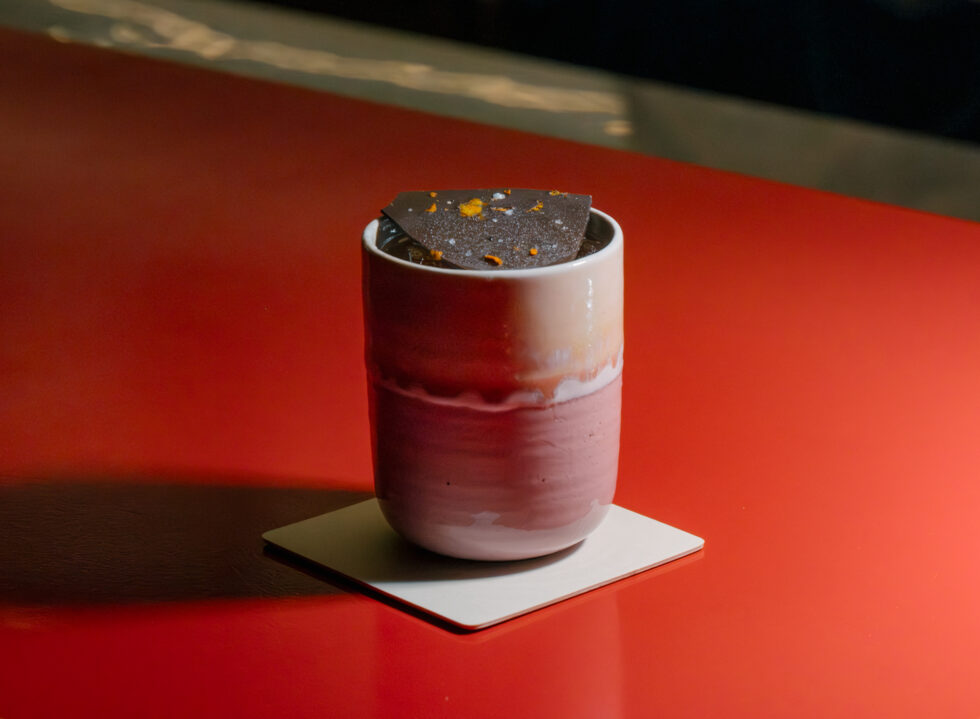
For Sameera, one of the drinks that best captures Tara’s identity is the Asam Jawa. Built around tamarind and paired with a house-made chocolate liqueur, the cocktail draws from an ingredient commonly found across many of the cultures that have influenced her family, becoming a small reflection of the connections that exist between them.
However, the sisters’ personal touch extends beyond the menu. Paintings and illustrations appear throughout the room, including a tablescape artwork by Sameera that brings together marigolds, rambutan, eggplants, and furnishings reminiscent of their own home. Like the cocktails, the objects function as fragments of a larger story assembled from different places and memories.
In many ways, Tara feels particularly at home in Jakarta. Much like the city itself, the bar brings together different influences without feeling the need to separate them too strictly. Through the sisters’ family history, the menu, and the people who gather inside, Tara reflects a version of Jakarta that is increasingly multicultural, interconnected, and comfortable occupying several identities at once.