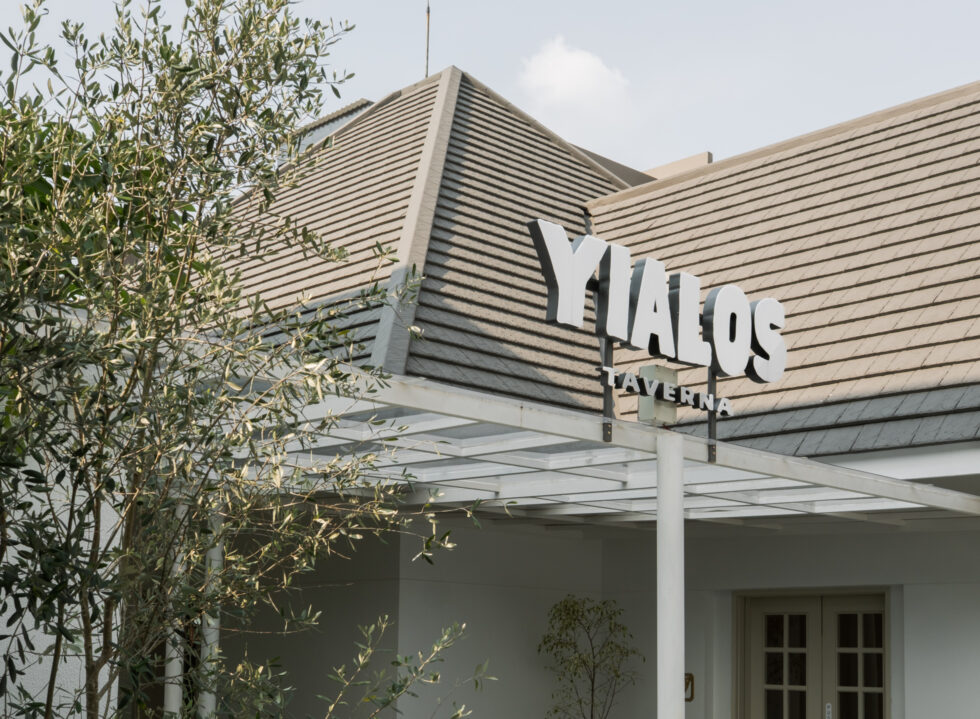
At Yialos Taverna in Menteng, dining is built around the table. Plates of grilled meats, seafood, and smaller dishes arrive steadily to be shared, encouraging the kind of meal that naturally stretches longer than expected without ever feeling too heavy.
As the second outpost of the Yialos brand following its Cikatomas location, the restaurant expands on its Greek and Mediterranean approach through a larger space and several dishes developed exclusively for the Menteng branch. Chef-owner Bobby Handoko draws from years spent eating through Greek restaurants during his time studying in Melbourne, later deepened through visits to Athens and Mykonos. The result is a menu that remains approachable despite its regional references, bringing together hearty Mediterranean flavours without making the meal feel overly heavy.
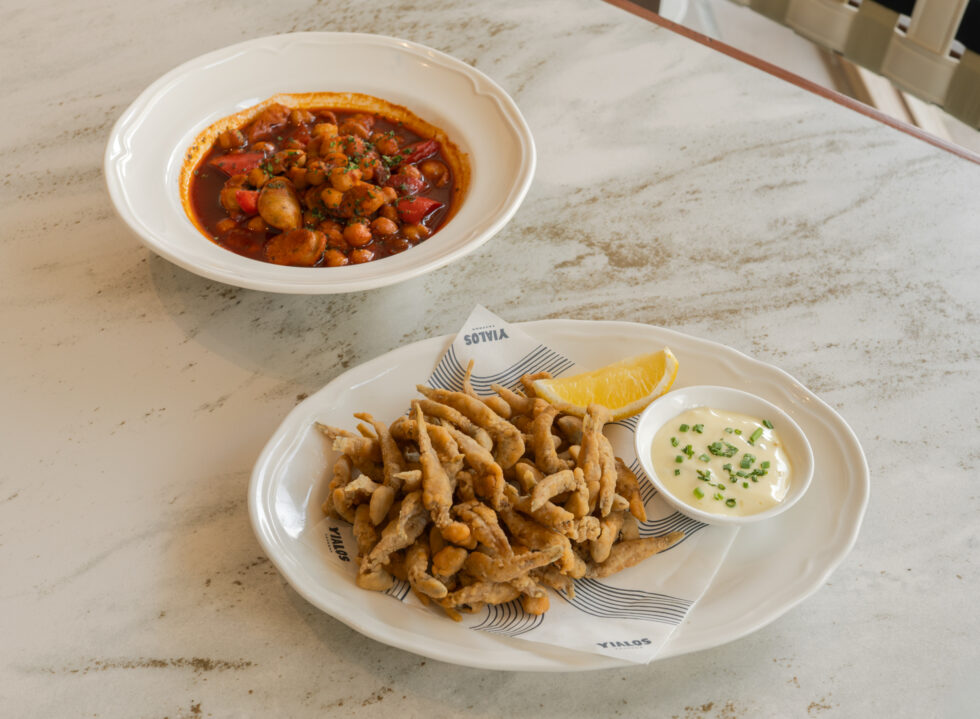
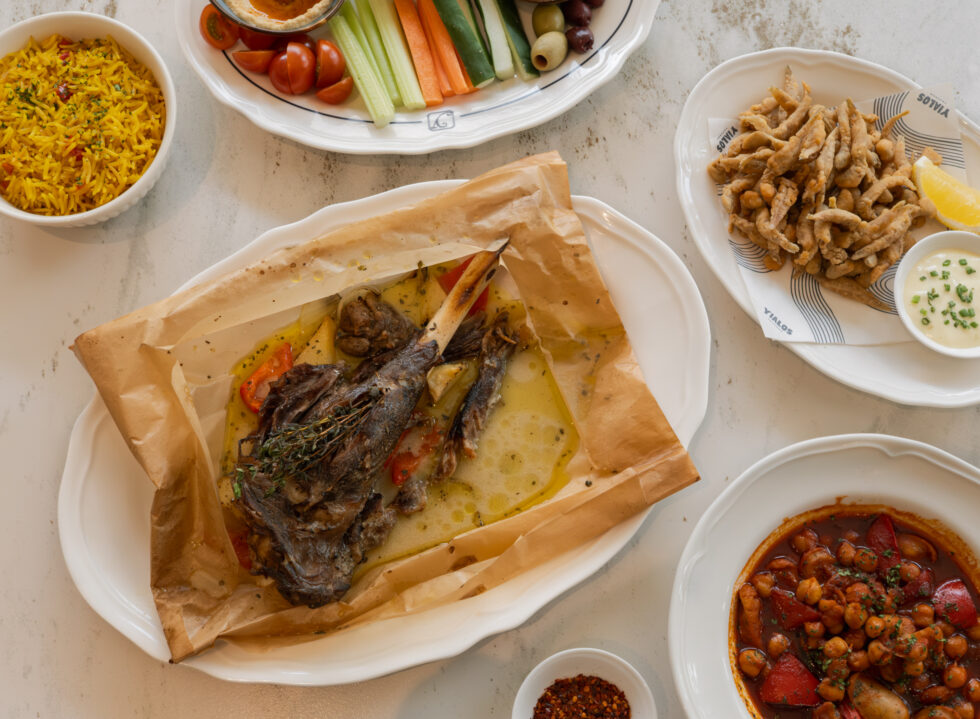
The approach becomes clear early on. The Menteng-exclusive Marides Tiganites, lightly floured whitebait served with tartar sauce, arrive as an easy dish to share around the table, while dishes like Chickpeas with Sausage bring together softer, slower flavours through chickpeas simmered in chicken broth and tomato-red pepper sauce. The former, in particular, offers an early indication of one of the Menteng location’s defining characteristics.
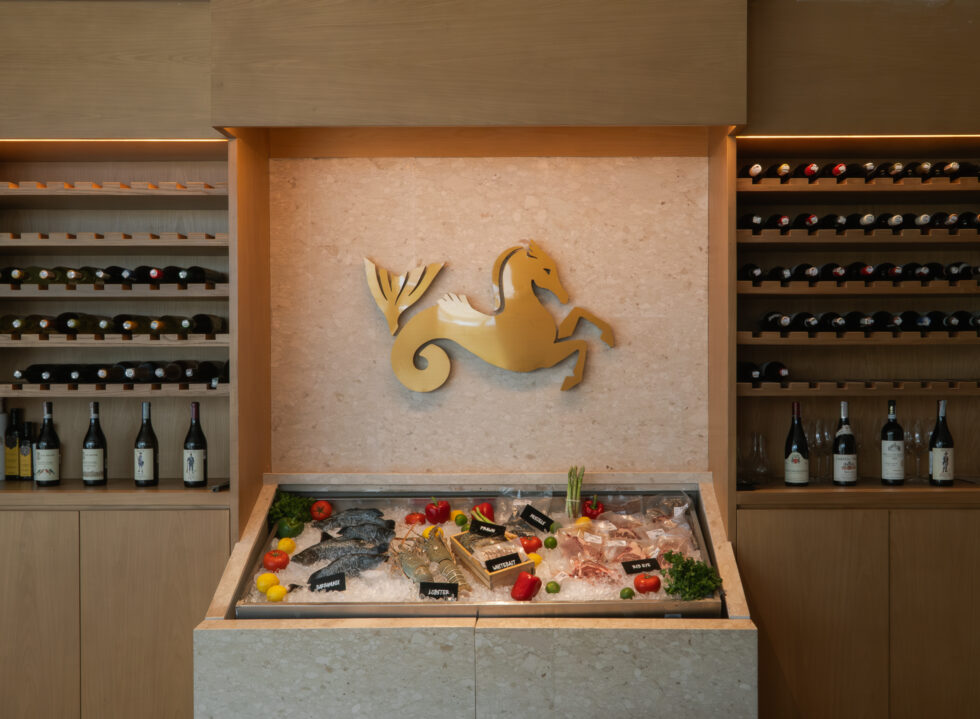
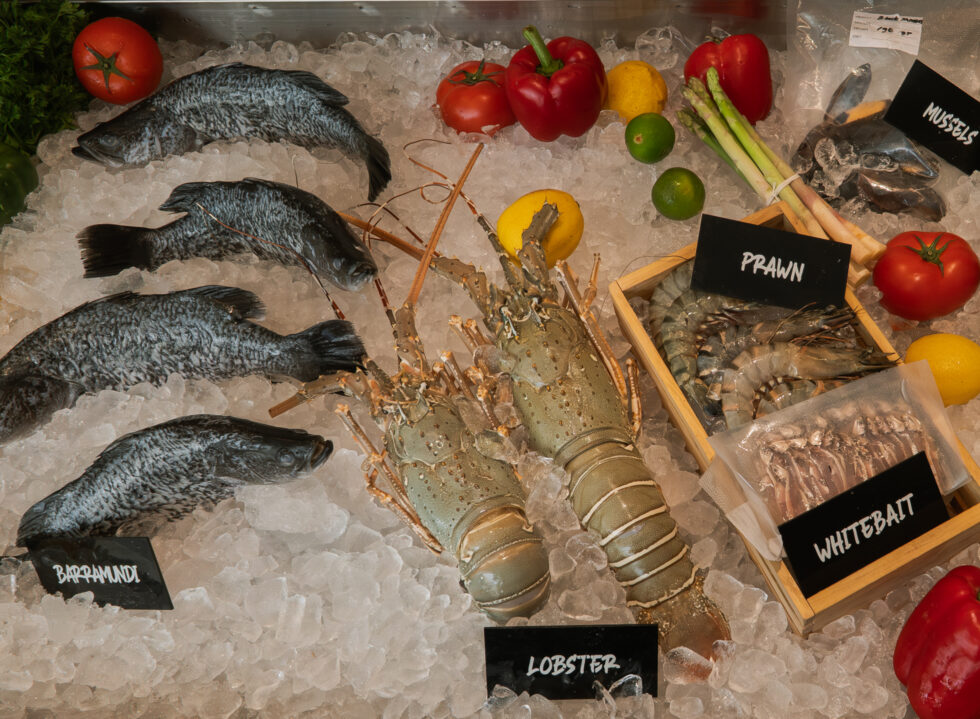
Seafood takes on a larger presence at this branch. Near the dining area, a display of fresh catches allows diners to browse through prawns, lobsters, mussels, and whole fish before deciding whether they should be grilled or salt-baked. The setup gives the Menteng outpost a more seafood-driven identity compared to the original Cikatomas location, while also bringing a more interactive element to the meal itself.
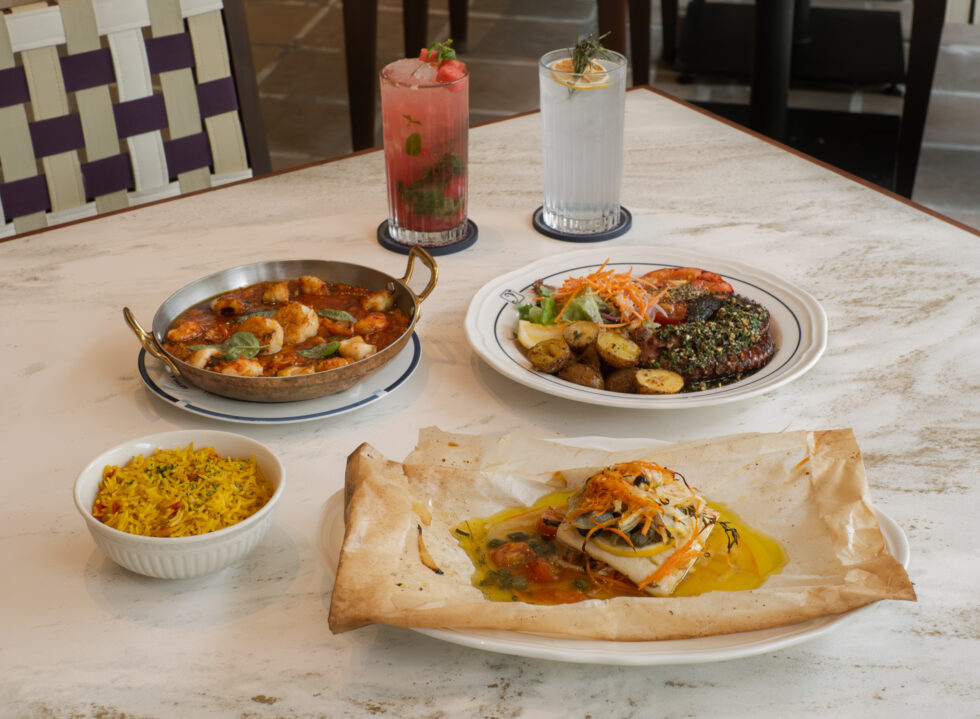
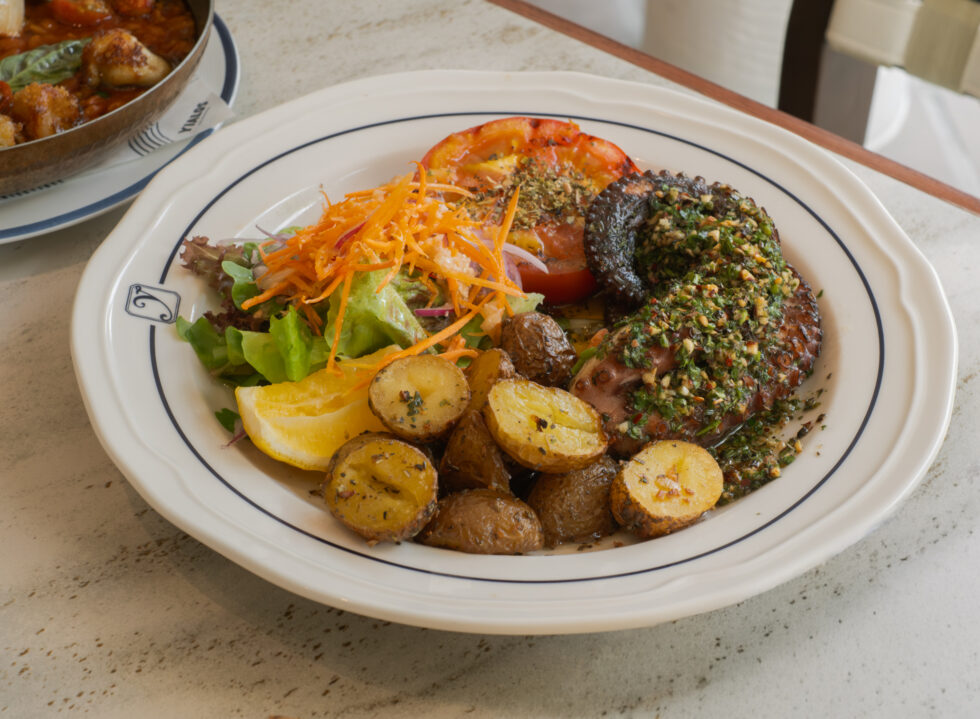
Seafood also carries into dishes like the Seafood Orzo, where rice-shaped pasta is cooked in a deeply flavoured seafood bisque with squid, prawns, and scallops. For something more substantial, the Halibut en Papillote pairs imported halibut with carrots, olives, capers, white wine, and oregano, sealed in parchment paper to hold onto its aroma and moisture. Despite the richness of many dishes, the meal rarely feels overly rich despite the amount of food on the table, making it easy to continue sharing plates well into the evening.
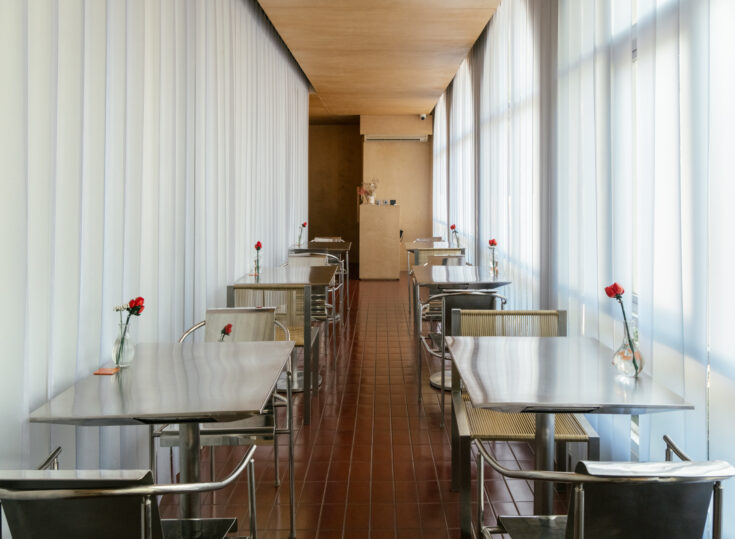
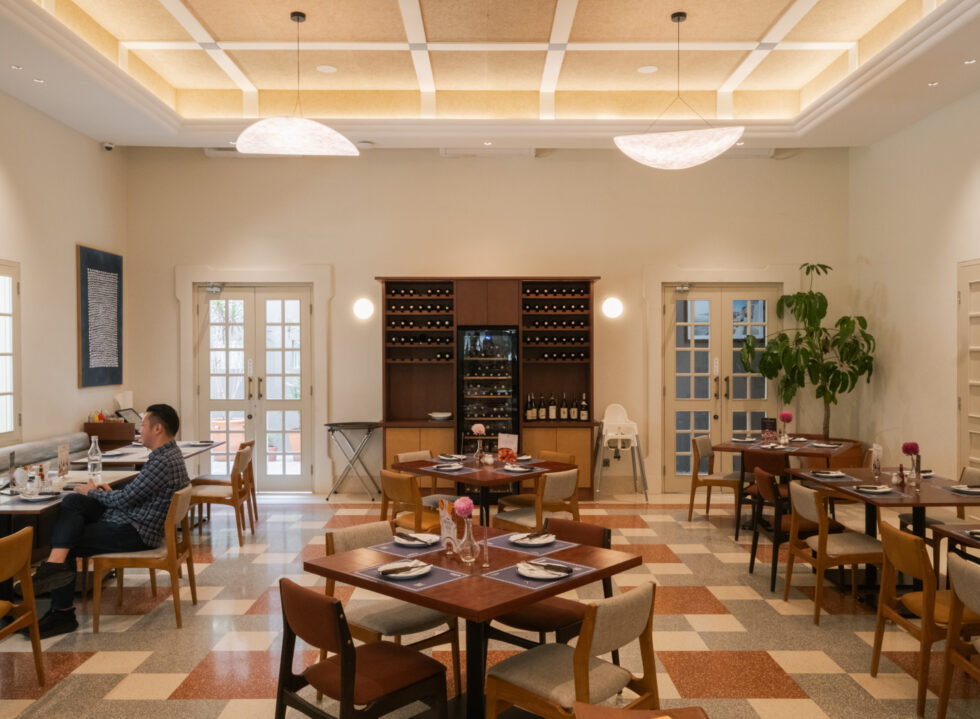
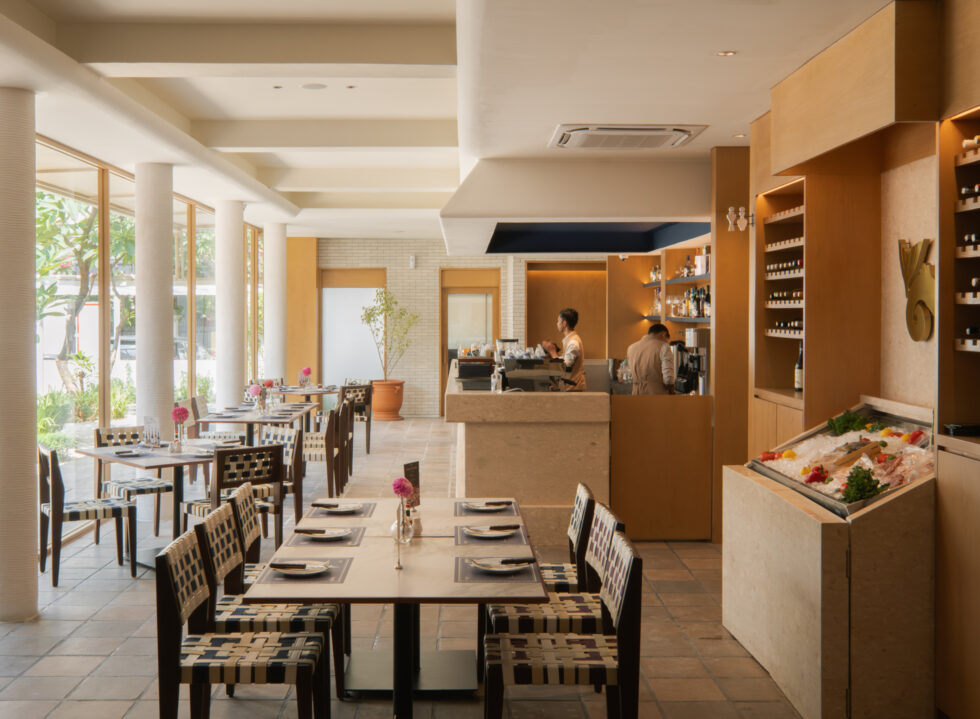
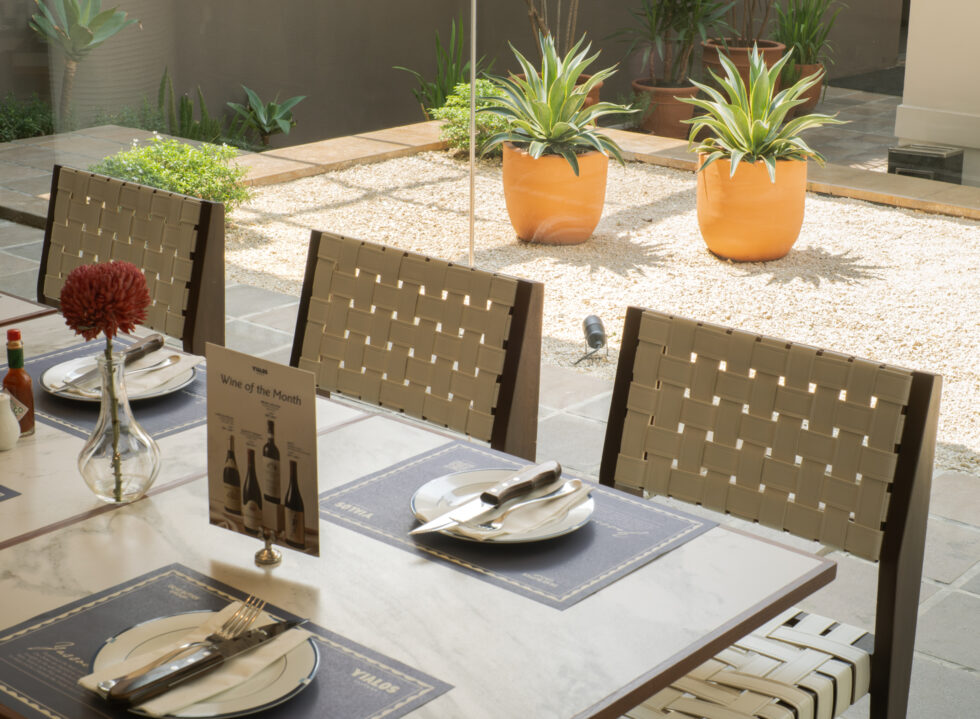
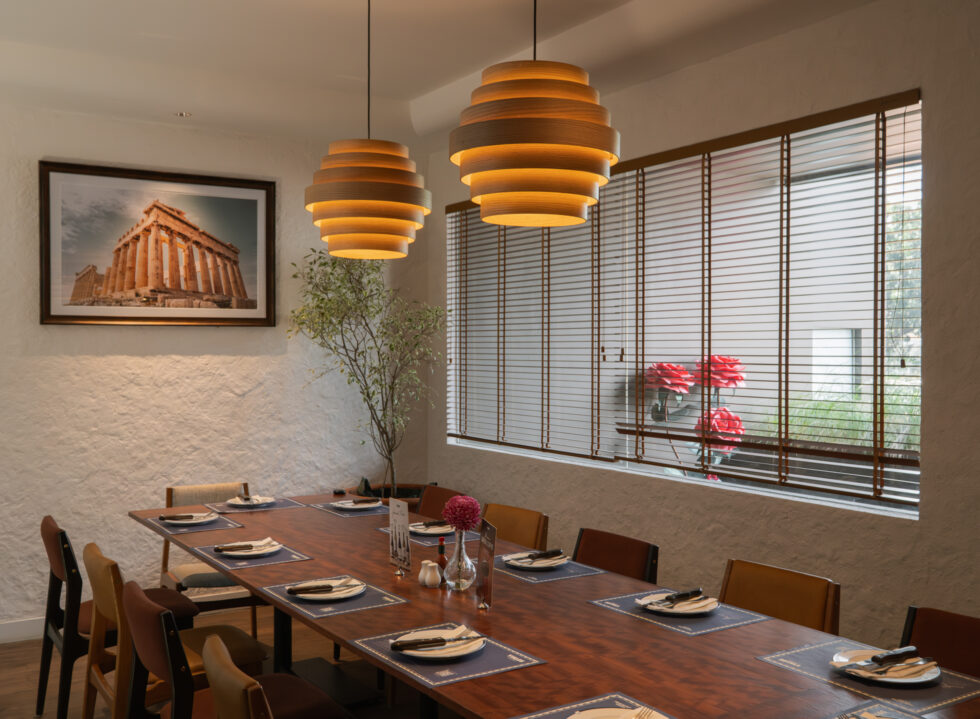
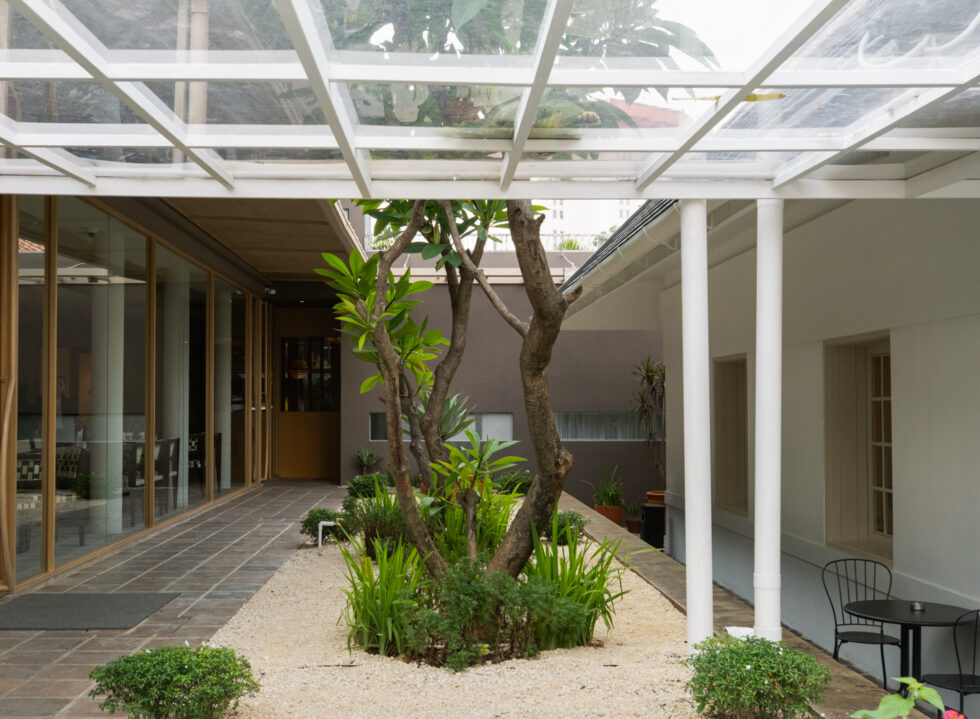
That communal style of dining is reflected in the way the restaurant itself is arranged. It’s divided across several connected spaces, from a more classic dining room near the entrance to larger communal areas and private rooms further inside. Families gather around Lamb Kleftiko and seafood platters, while smaller groups stay over coffee or cocktails later into the night. Bobby describes the restaurant through the Greek idea of philoxenia, a tradition of generosity and hospitality towards guests. More than philosophy, it comes through in the way people eat there: plates shared across the table, conversations continuing between courses, and meals that often last longer than expected.