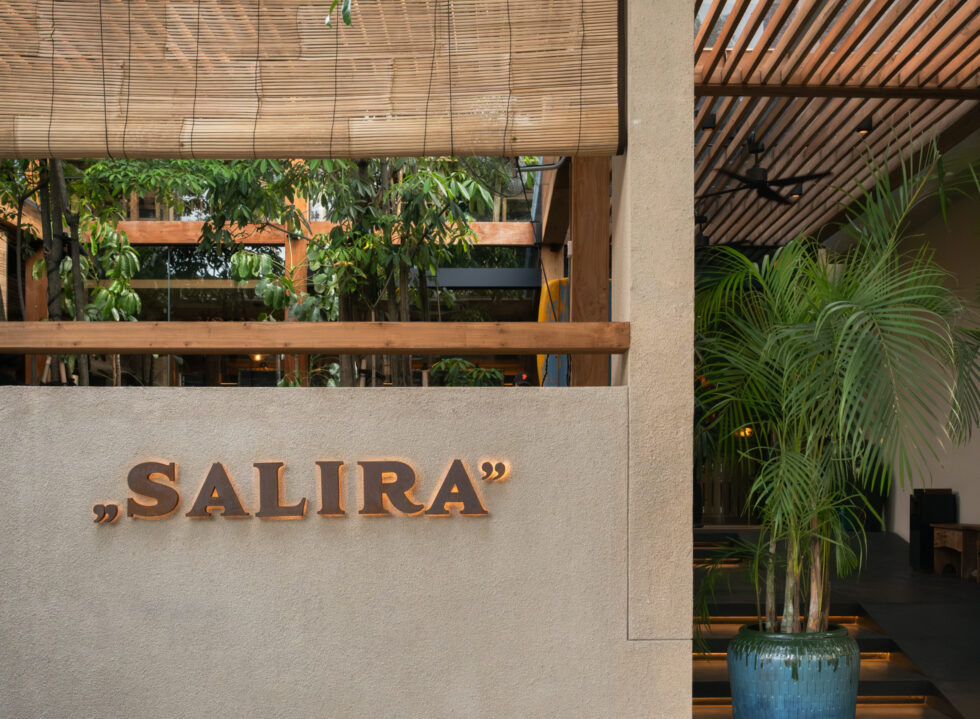
As the first Indonesian restaurant under the UNION Group, Salira marks a shift towards something closer to home. Located in Senopati, the restaurant takes on the format of a contemporary rumah makan, bringing together regional Indonesian dishes within a setting that feels more relaxed than ceremonial.
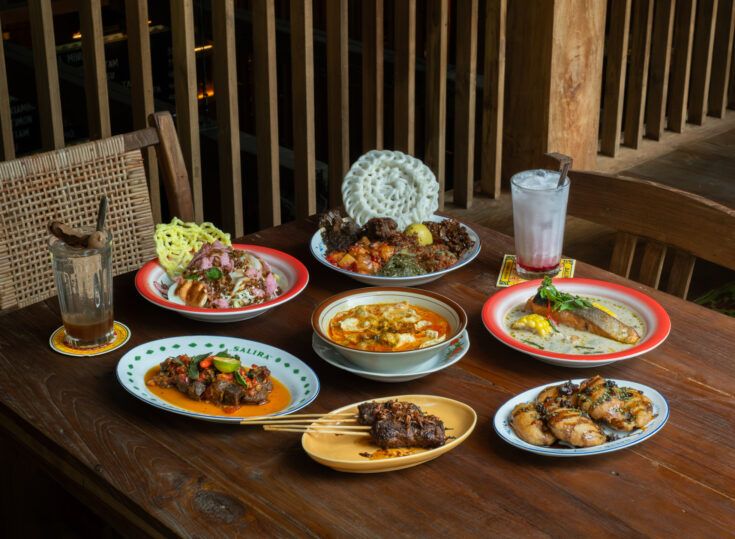
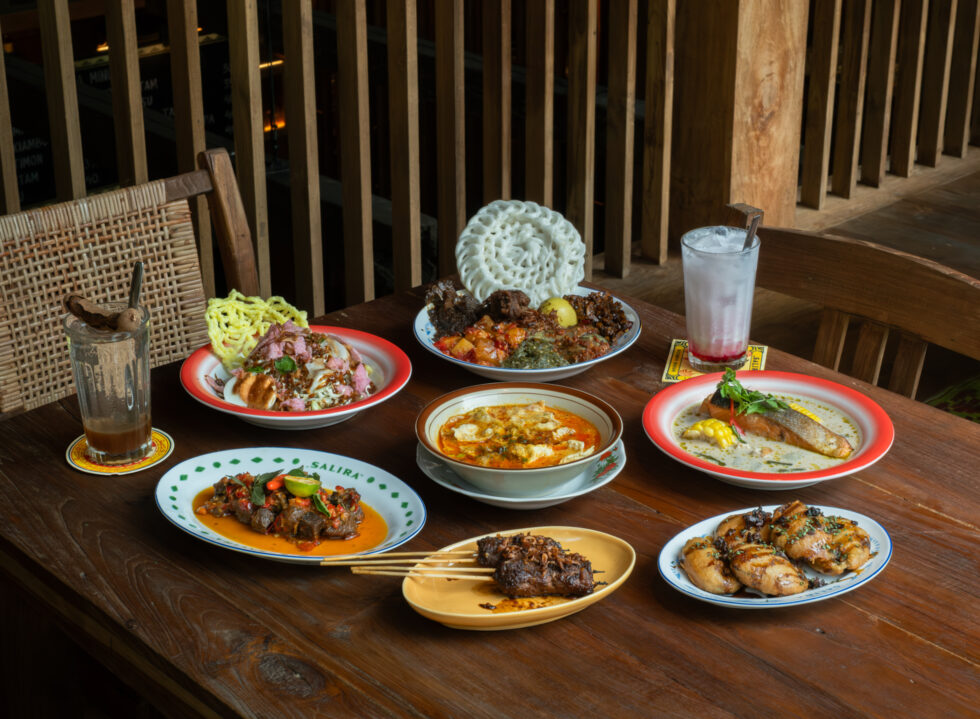
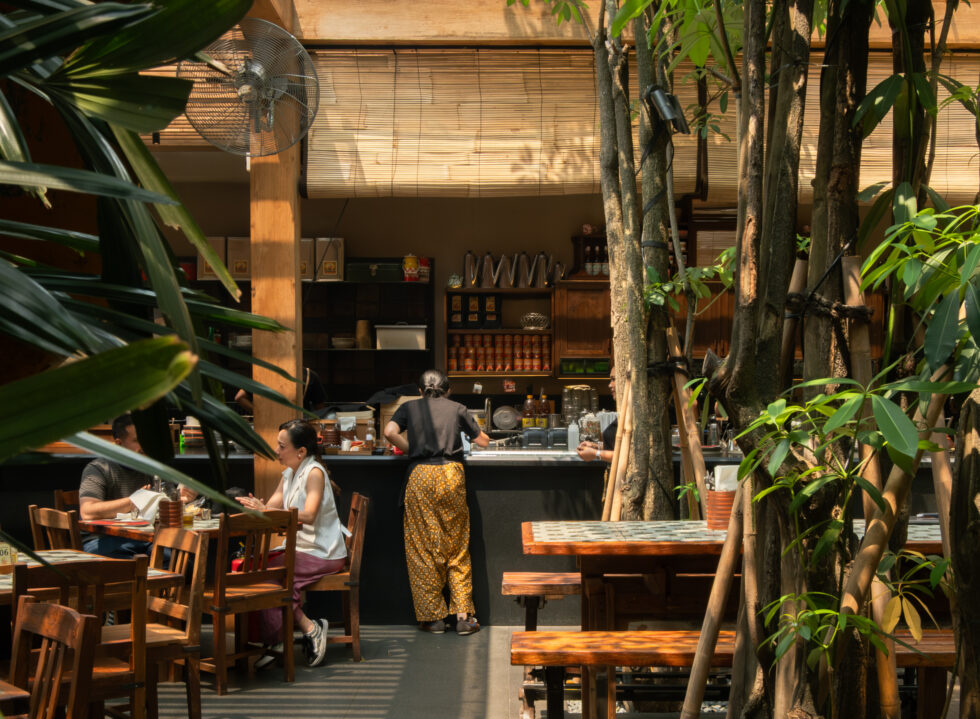
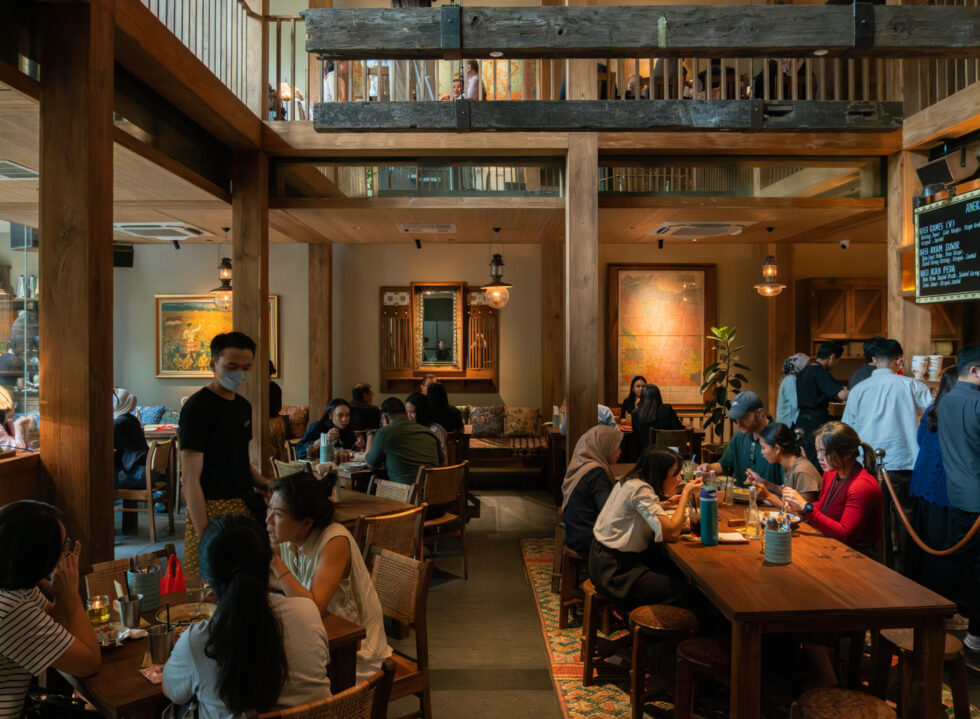
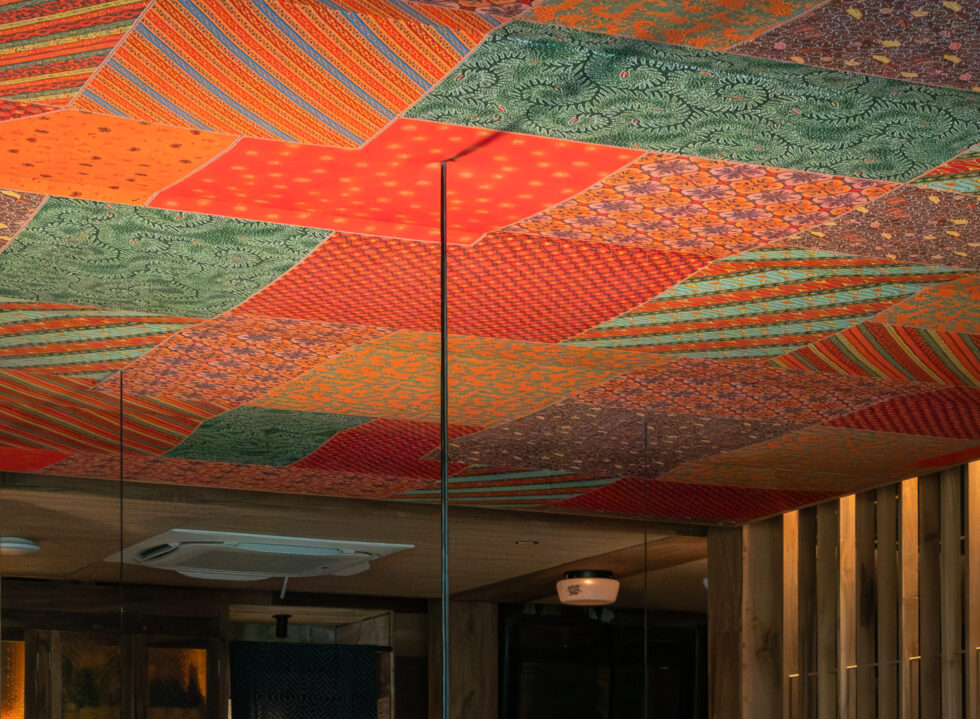
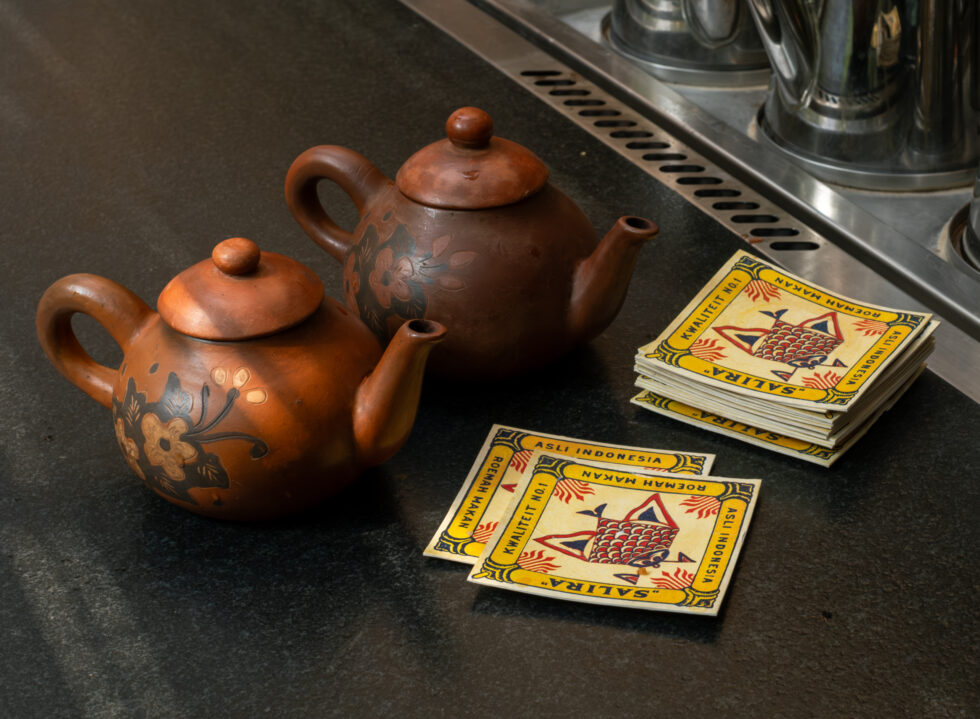
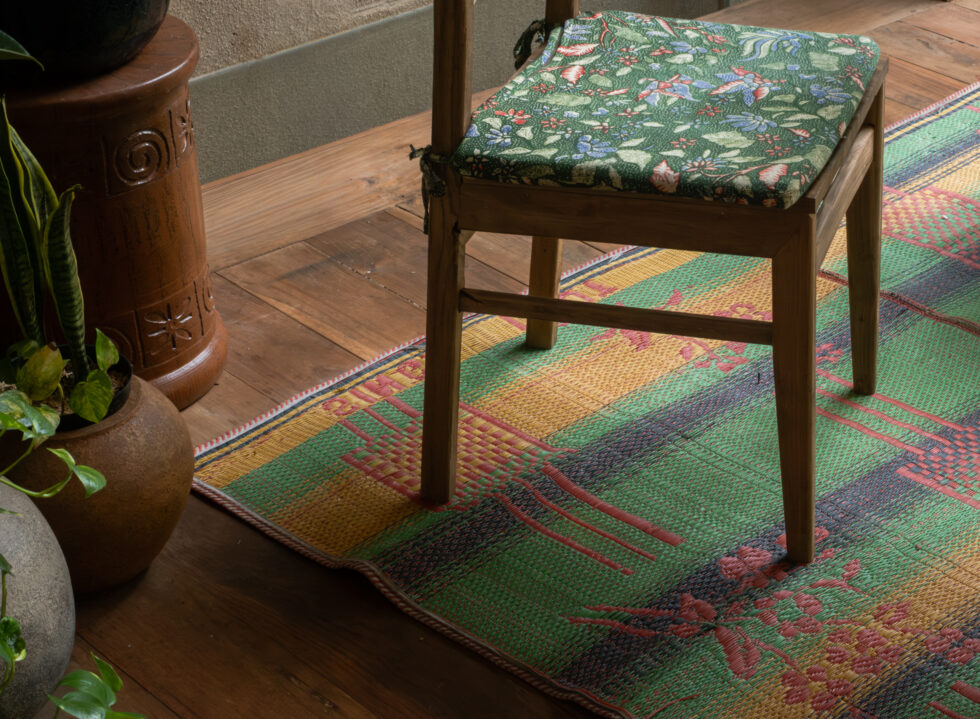
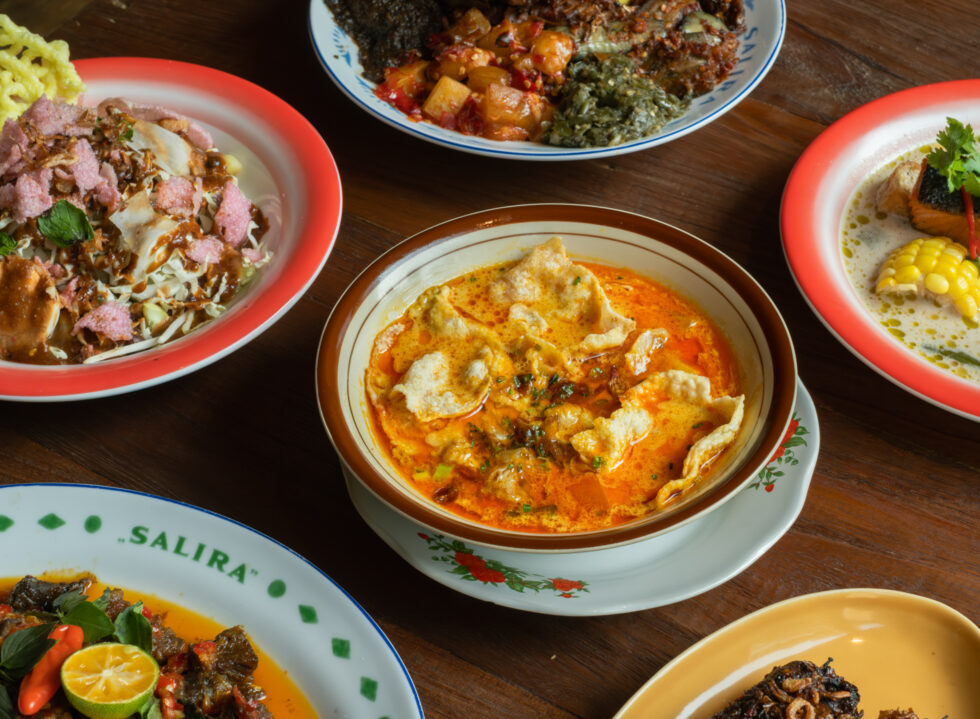
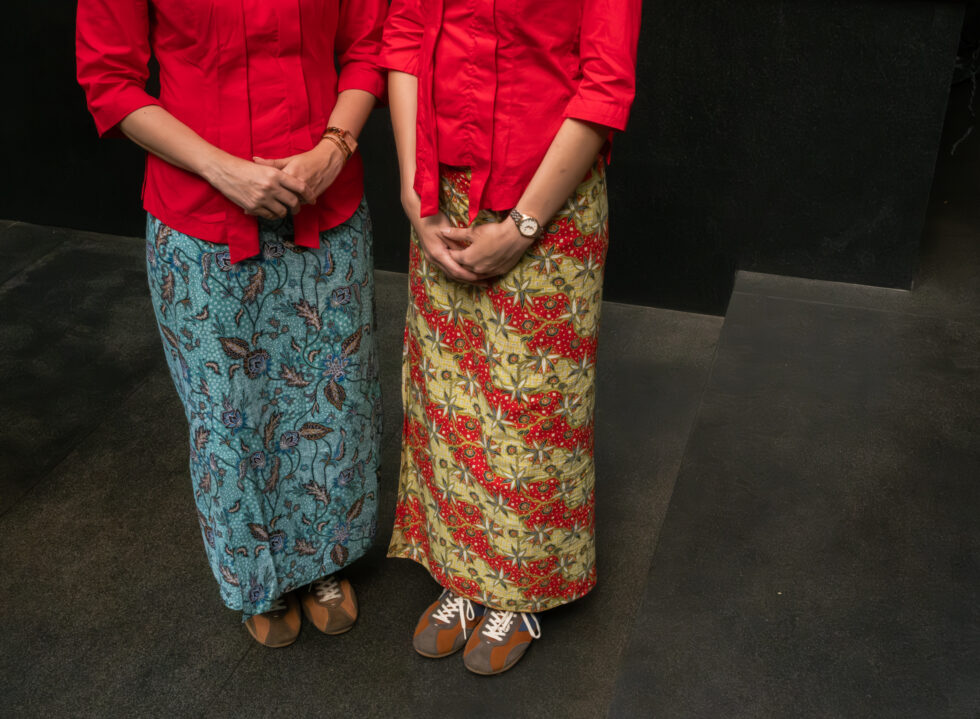
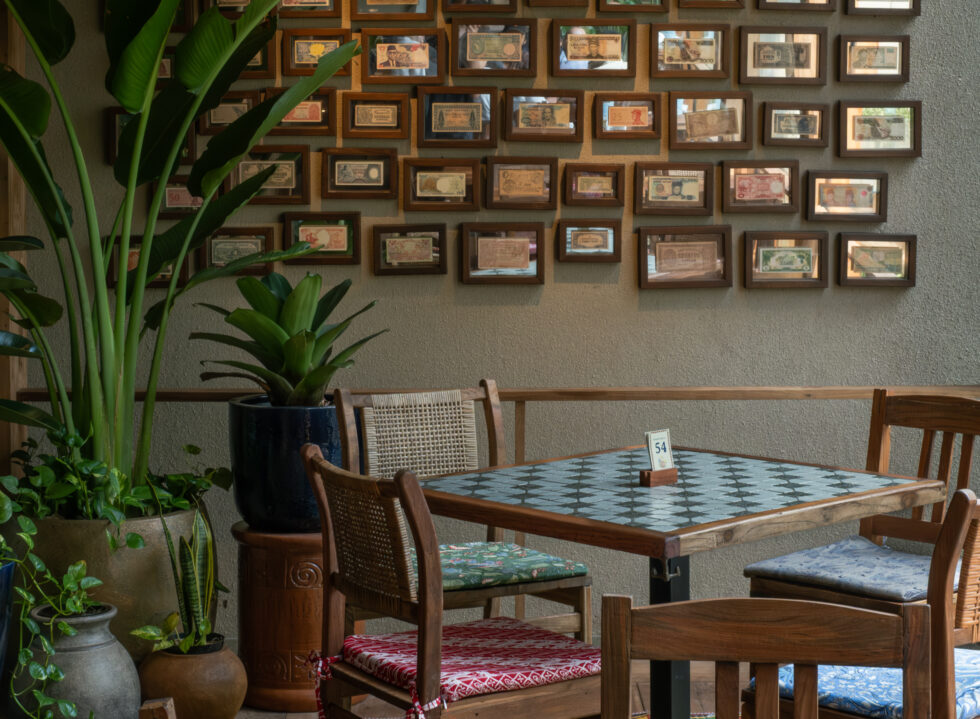
The interior draws from familiar local materials and references without leaning too heavily on them. Wooden structures and rattan details are paired with textiles from the batik house BIN House, whose patterns appear throughout the space and in the uniforms worn by the staff. Elsewhere, enamel tableware and woven accents subtly echo the visual language of a traditional rumah makan. That flexibility carries into the menu. Developed by chef-owner Fernando Sindu after several years of travelling across Indonesia, the offerings move between familiar staples and regional dishes that are less commonly seen in Jakarta.
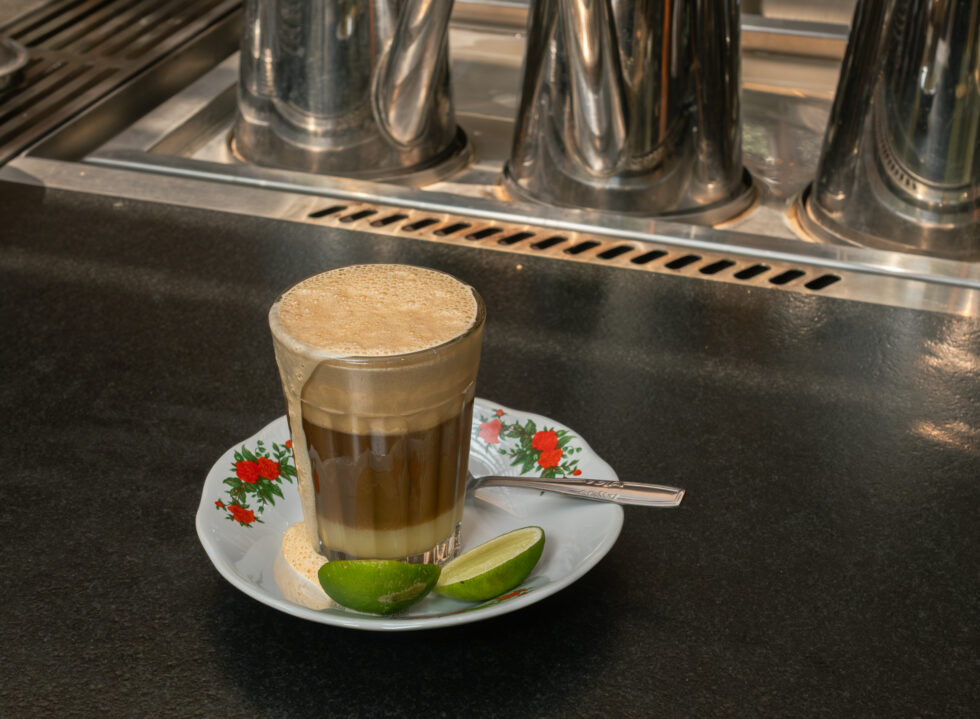
Earlier in the day, dishes like bubur ayam or roti serikaya pair naturally with coffee in the outdoor area as the neighbourhood begins to fill. The Kopi Talua, a West Sumatran drink combining coffee and duck egg yolk, stands out for its thick, rounded texture, the richness of the egg softening the bitterness of the coffee without overwhelming it.
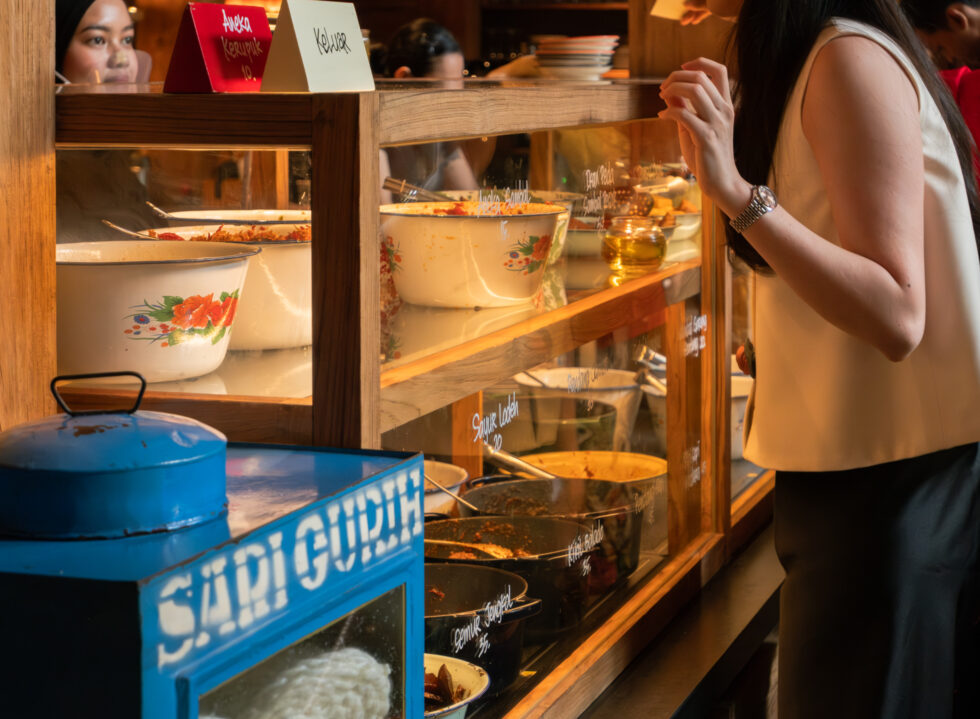
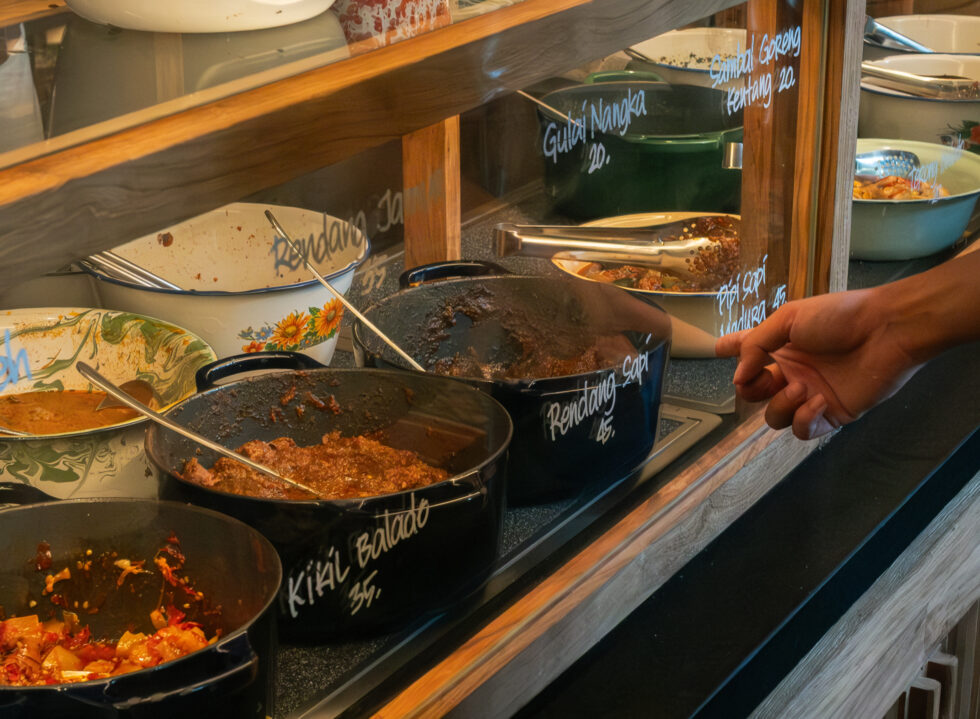
By lunch, attention shifts towards the “Menu Tunjuk-Tunjuk” counter, where diners assemble their own nasi rames plates from a rotating selection of meats, vegetables, and sambals served with white or red rice. Number cards are handed over at the display before plates are built to order, keeping the process closer to the familiarity of everyday Indonesian dining than a formal restaurant experience.
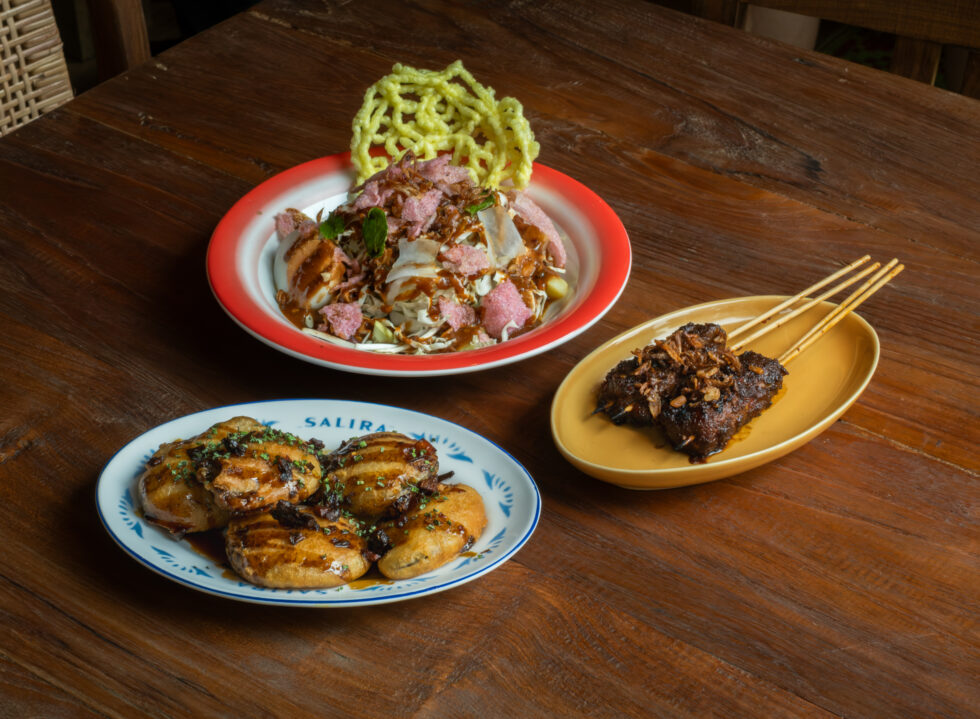
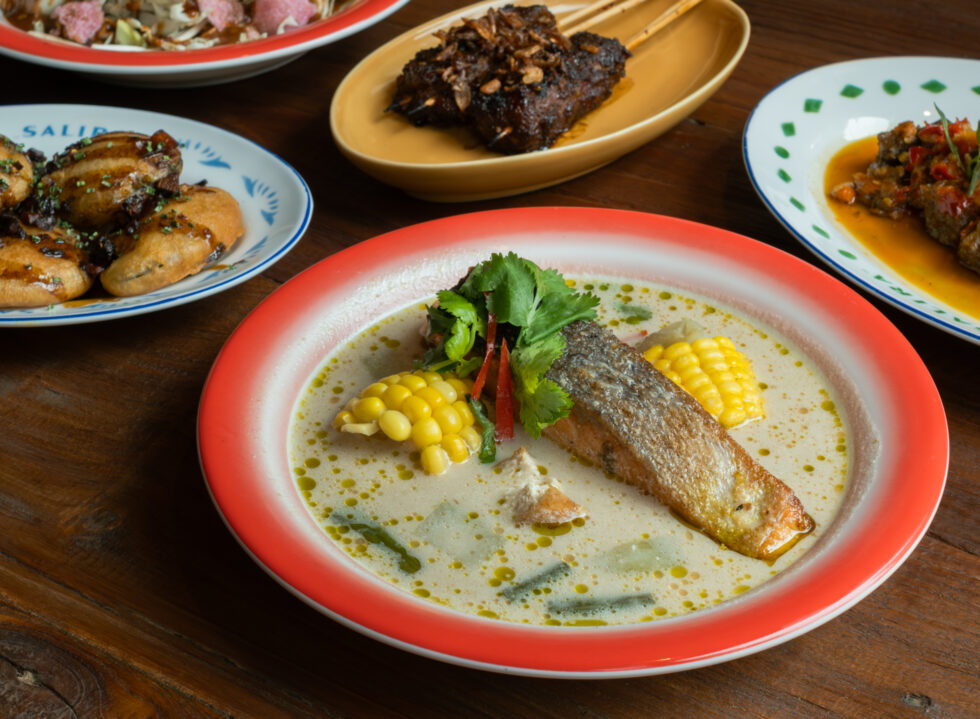
Upstairs, the atmosphere becomes slightly quieter, with the à la carte menu better suited for longer meals shared across the table. Dishes like Pipi Sapi Tinorangsak, a North Sulawesi-inspired beef cheek dish cooked in a rich chilli-based sauce, and Sate Daging Gebuk, adapted from the Malang style of tenderising and flattening the meat before grilling, draw from regional references while remaining approachable in execution.
What works best about Salira is not necessarily any single dish, but the ease of the format itself. Office workers stop in for quick lunches at midday, while larger groups settle in later for shared plates and longer dinners. The shift in pace throughout the day gives the restaurant a flexibility that feels familiar to the way many Indonesians already eat. Rather than reinventing Indonesian dining, Salira succeeds more in how it adapts familiar habits into a setting that feels accessible across different occasions, somewhere between an everyday meal and a more considered night out.