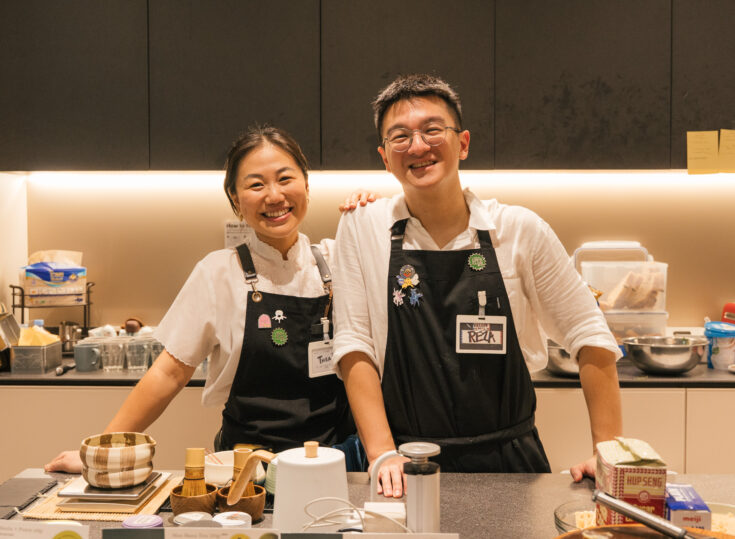
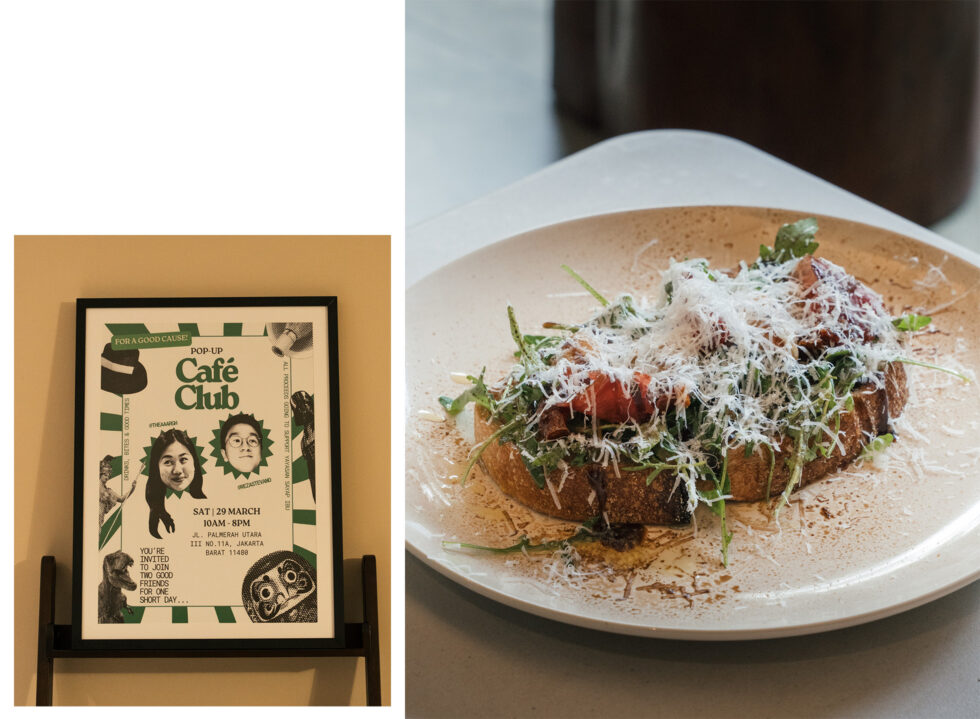
It all began as a simple idea between two friends at the dinner table: merge two birthdays, celebrated just two days apart, into one shared occasion.
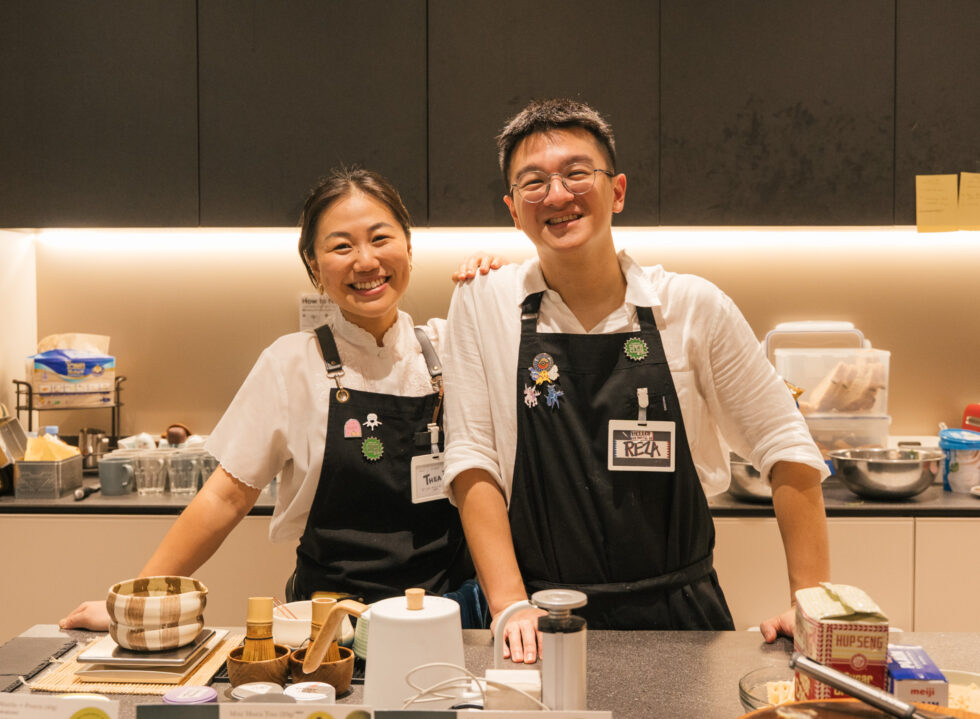
“We were having dinner when she suddenly said, ‘We basically share the same birthday, we both love cooking, and we both love hosting. So why don’t we create a café for fun and donate all the profits to charity?” shared Reza Stevano.
The first Pop-Up Café Club was held on 29 March last year. What started as a combined celebration soon evolved into something more purposeful: a gathering at Reza’s home where friends cooked and contributed home-baked goods, strangers dropped by to dine, and some stayed behind to help wash dishes and tidy up.
It helped that Reza had long been known for hosting dinner parties, while Thea Kurniawan, as the eldest child, often found herself organising family gatherings. In that sense, the event felt like a natural extension of their everyday roles.
“What’s interesting to me is that Reza and I aren’t chefs,” said Thea. “I’m a chemical engineer, and Reza is a medical doctor. We both have demanding full-time jobs, so this was purely born out of our love for cooking, hosting, and sharing what we can do with others.”
Inside the Home-Run Café
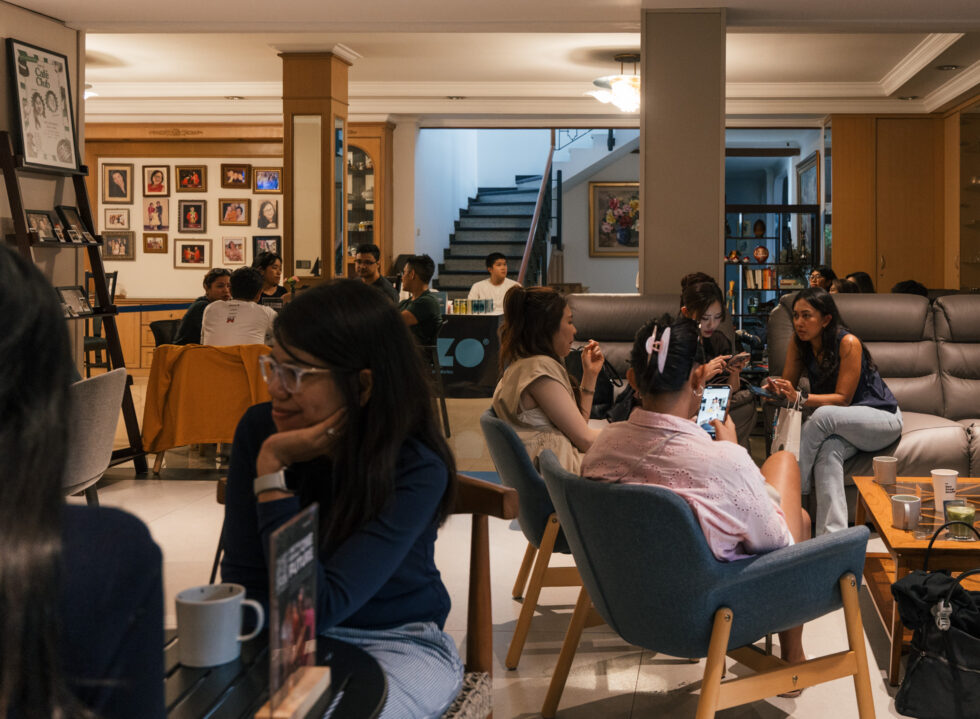
The second edition returned on a Saturday in early February, bringing the hosts and their friends back into their aprons to welcome both familiar faces and newcomers. A heavy downpour that afternoon did little to deter guests, whether they had attended the first edition or discovered the event through social media.
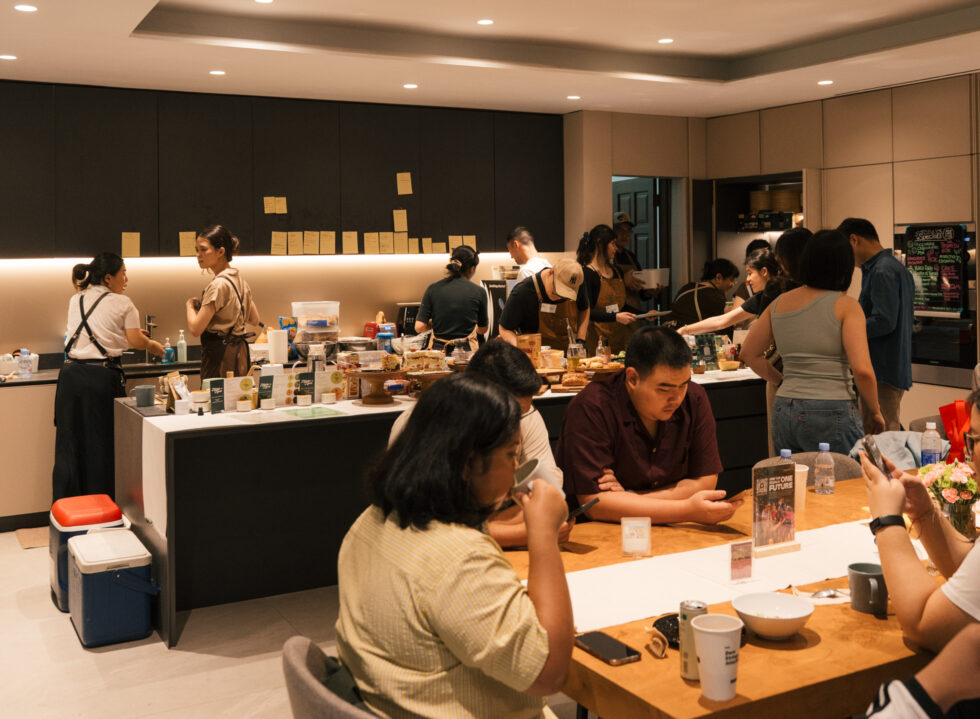
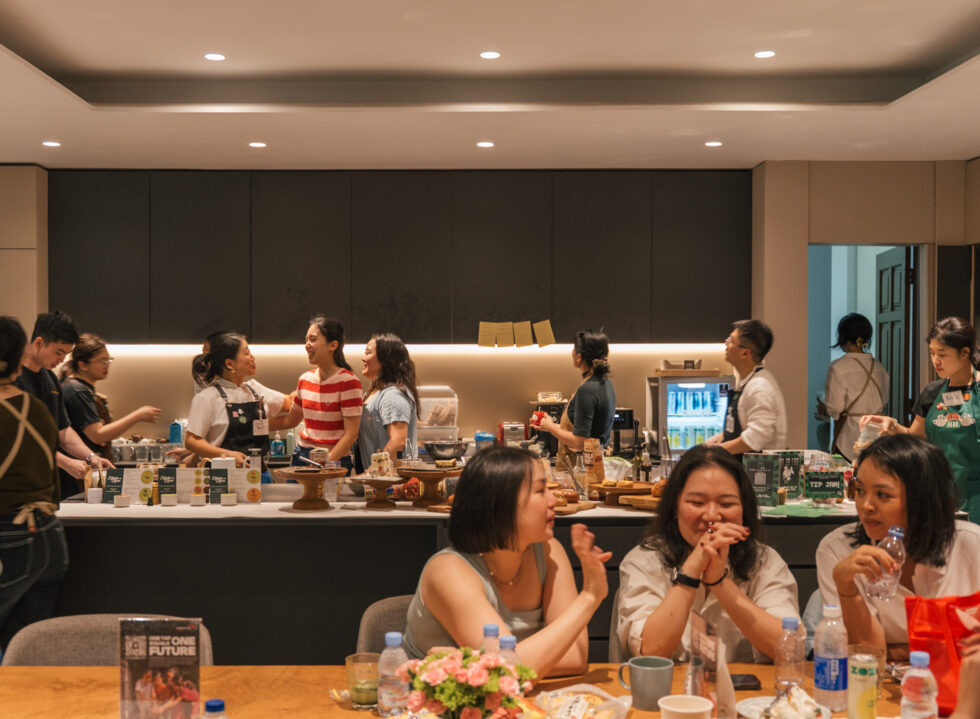
Though labelled a café, the atmosphere felt closer to a birthday gathering at a friend’s house. The DIY spirit lent the event comfort and familiarity. Even first-timers found something relatable in Reza’s home, from shelves lined with Star Wars and Pokémon figurine heads.
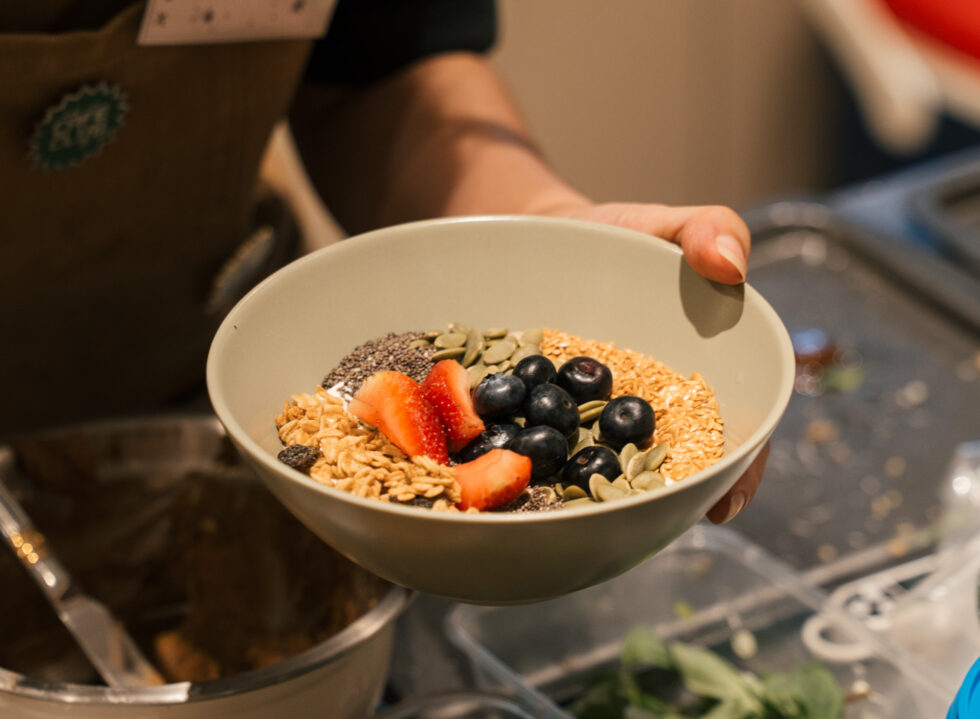
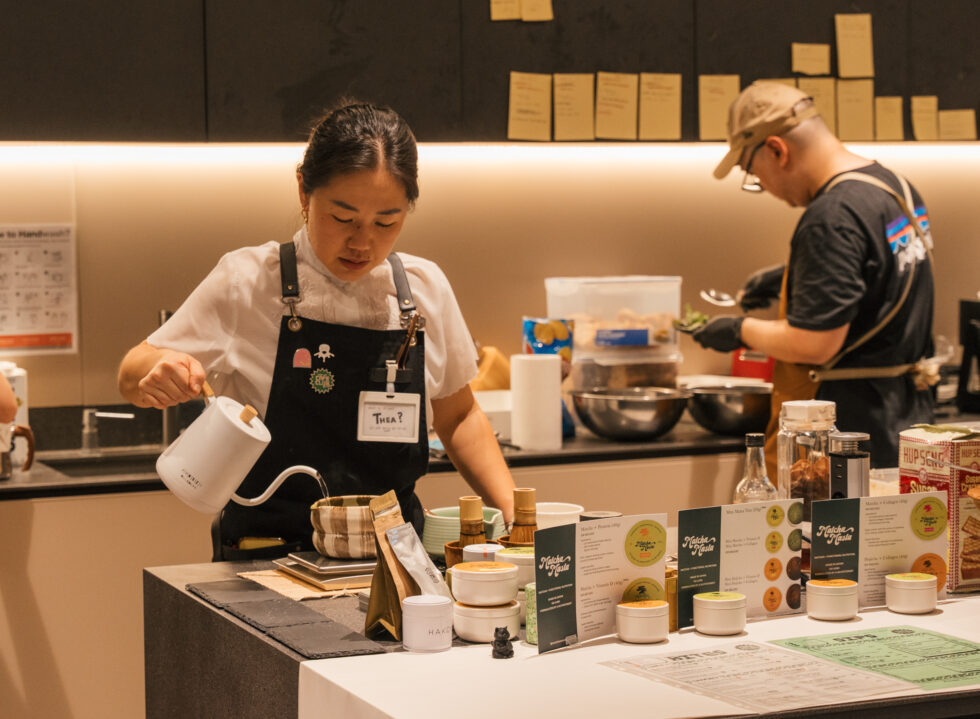
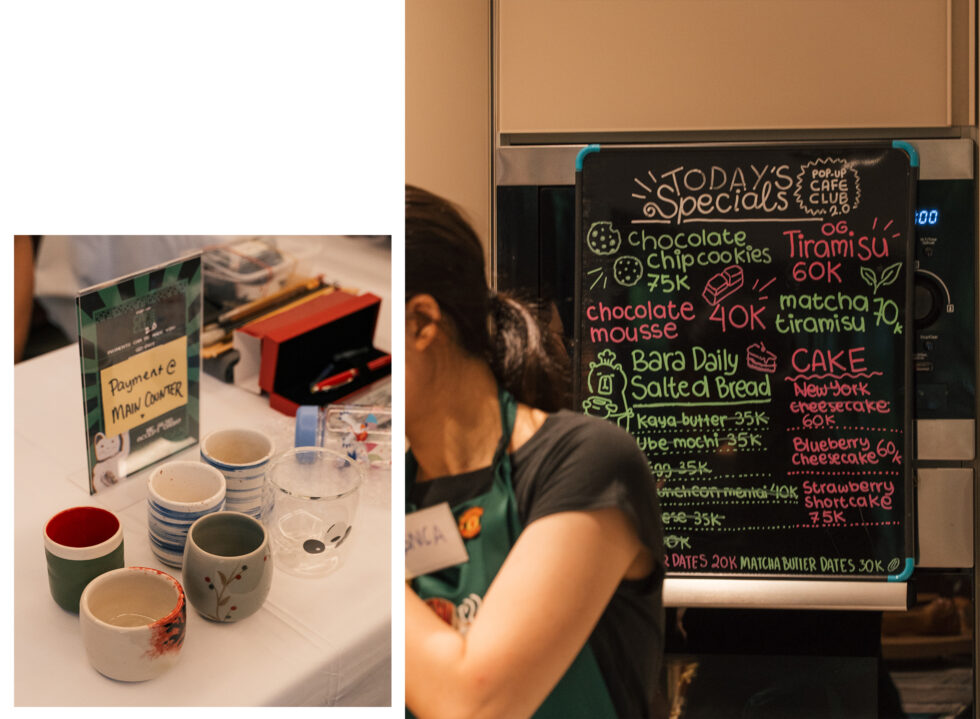
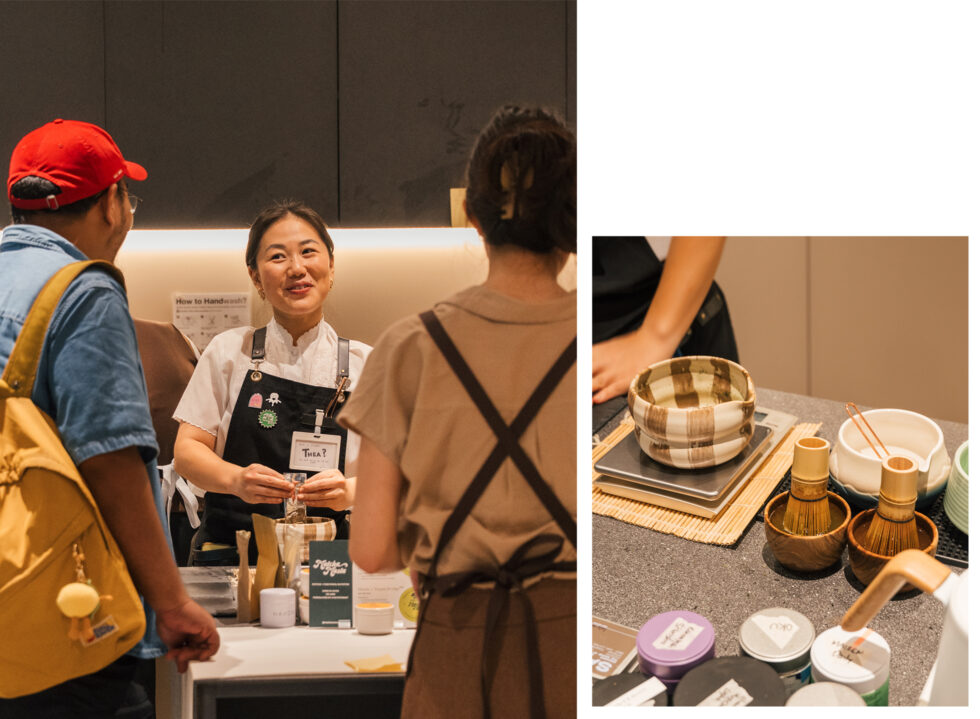
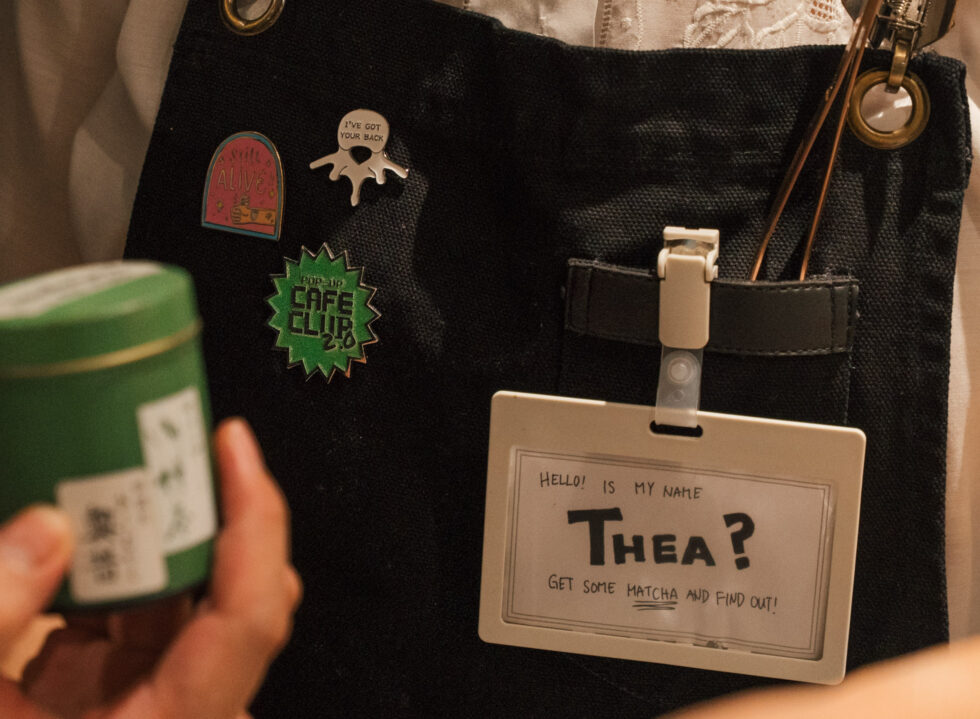
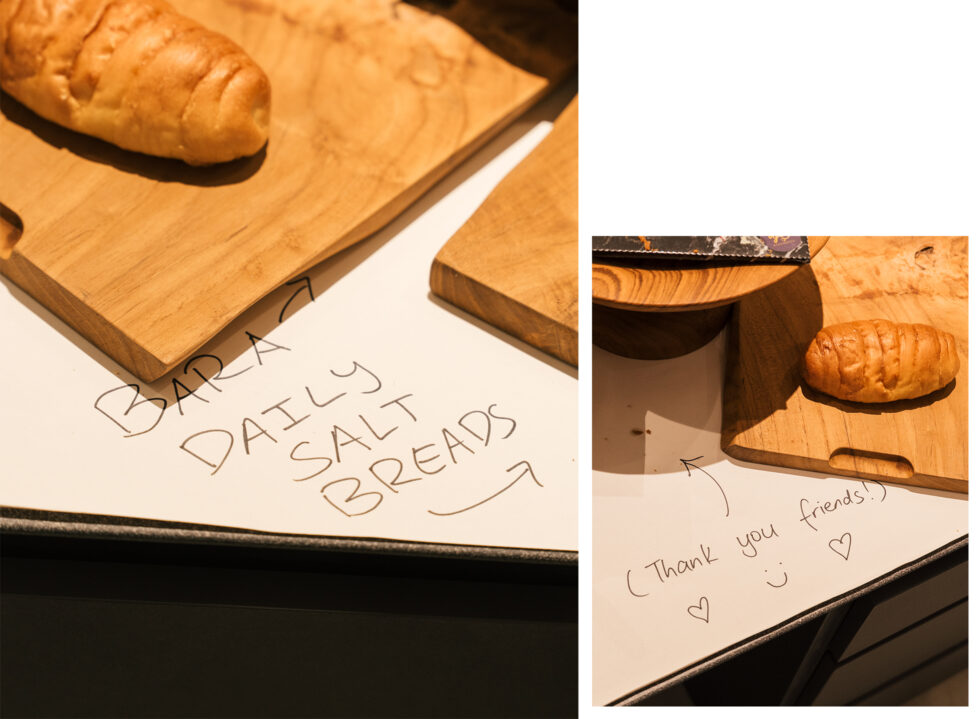
That sense of informality also extended to the food. Over at the kitchen counter, the warm aroma of toasted bread and black coffee filled the room. There, Reza’s homemade dishes from the Contessa to the Sweet Whipped Ricotta Toast sparked easy exchanges alongside Thea’s curated selection of cha. Guests settled into sofas or gathered around dining tables, and conversations moved naturally from polite introductions to exchanged Instagram usernames.
Like the first edition, the hosts included activities beyond food and drinks. Live portrait and calligraphy booths were set up in the living room, serving as icebreakers as guests had their likeness sketched or belongings inscribed in looping cursive.
A small corner called the Pop-up Shop-Up offered donated clothes, everyday items, and books ranging from the Harry Potter series to Moby-Dick. Visitors moved between the thrift racks, the portrait booth, and the dining area, creating a steady flow within the house throughout the day.
Charity as Participation
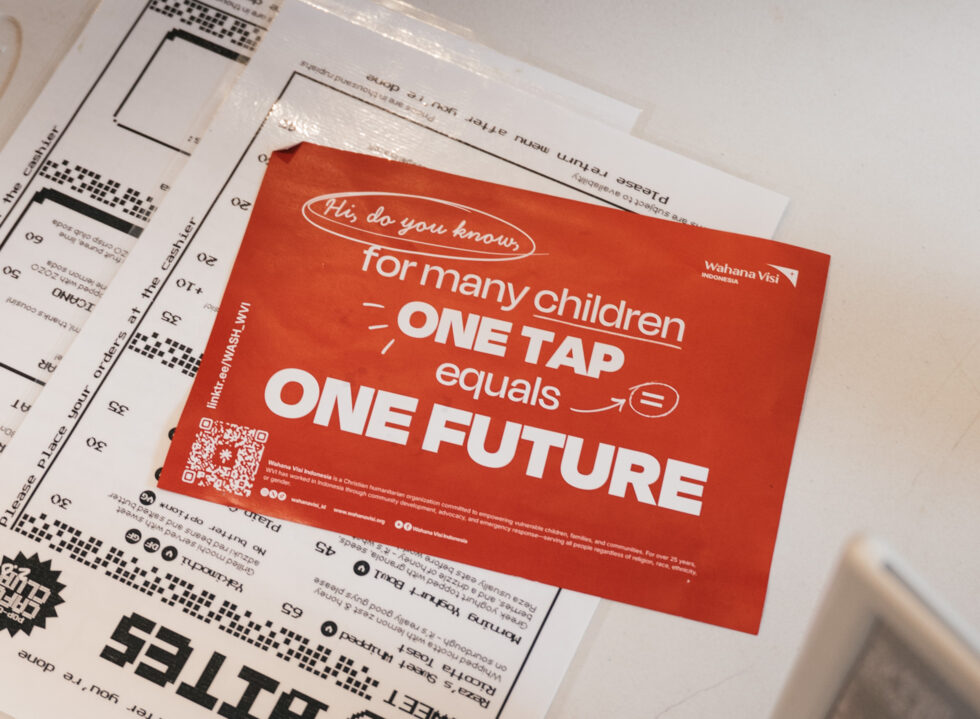
For its second edition, the Pop-Up Café collaborated with Wahana Visi Indonesia to highlight its WASH programme, which provides clean water and sanitation to children in Central Timor, Landak, and East Nusa Tenggara. Representatives were present to explain how each purchase, from food menu items to thrift finds, contributed directly to the cause.
“I feel like these days, a lot of people can be quite apathetic,” said Reza. “We’re comfortable in our bubbles. The reason we’re raising awareness on something basic that we take for granted every day is that clean water is something that a lot of people don’t have access to. So that’s why we chose this charity. It calls for a basic issue that we really should be caring for.“
And with that, over at Pop-Up Café, participation in the cause is woven into the structure of the event through simple acts of buying lunch and browsing the thrifted racks.
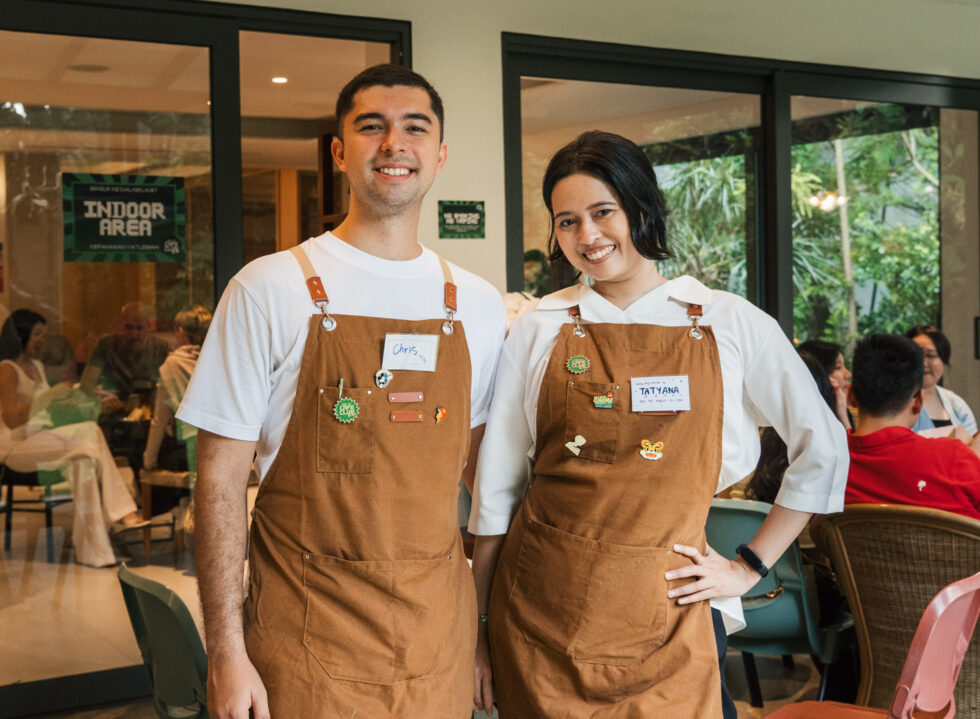
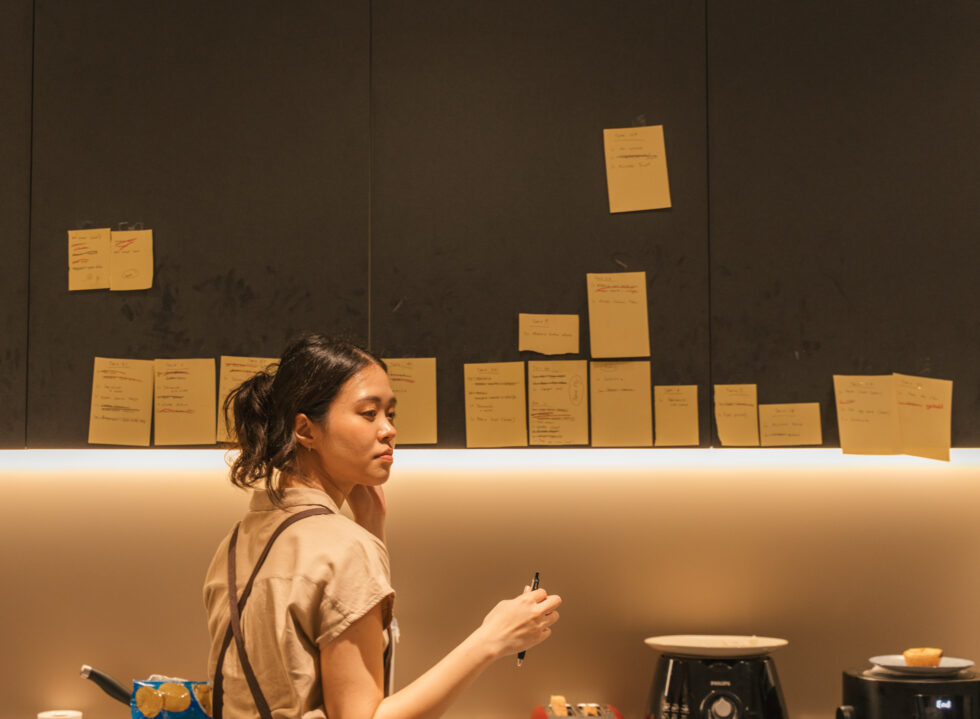
What stood out most was not the menu or the décor, but the people. Baristas, servers, and booth attendants were friends volunteering their time. Some had attended the first edition as guests before returning as volunteers.
Thea refers to this as “wholesome professionalism.”
“It’s all volunteers, so why do people want to do this if they’re not getting paid?” she said. “Because they have the willingness to do good, and the drive to make a positive change in the community.”
The event demonstrated a shift in how young communities mobilise. Instead of waiting for institutions to lead, they repurpose personal networks. Instead of separating celebration from responsibility, they merge the two.
More than a Pop-Up
Over the course of the event and a subsequent donation drive, Thea and Reza raised over Rp 50 million. The figure is significant, but perhaps more telling is what it represents.
In an era where experiences are often curated for optics, the Pop-Up Café Club suggests a different direction. It shows that gatherings can move beyond consumption. A living room can become a civic space and one’s hobby can become a conduit for collective good.
What it showed is less a model to replicate and more of a reminder of how much can begin with something already familiar.