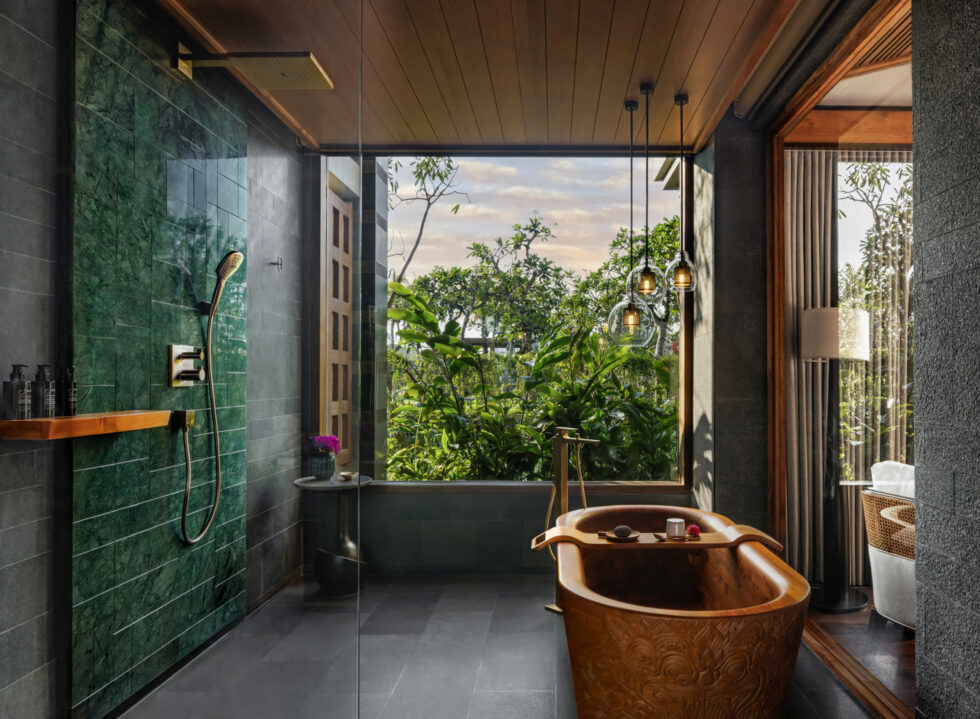


There is a particular exhaustion that hangs over Canggu now. Not necessarily physical exhaustion, but atmospheric exhaustion. The area moves with the velocity of constant visibility: cafés overflowing into sidewalks, scooters threading endlessly through narrow roads, beach clubs broadcasting music toward the sea as though rest in Canggu is staged for observation. Against this backdrop, Regent Bali Canggu feels unexpectedly restrained.
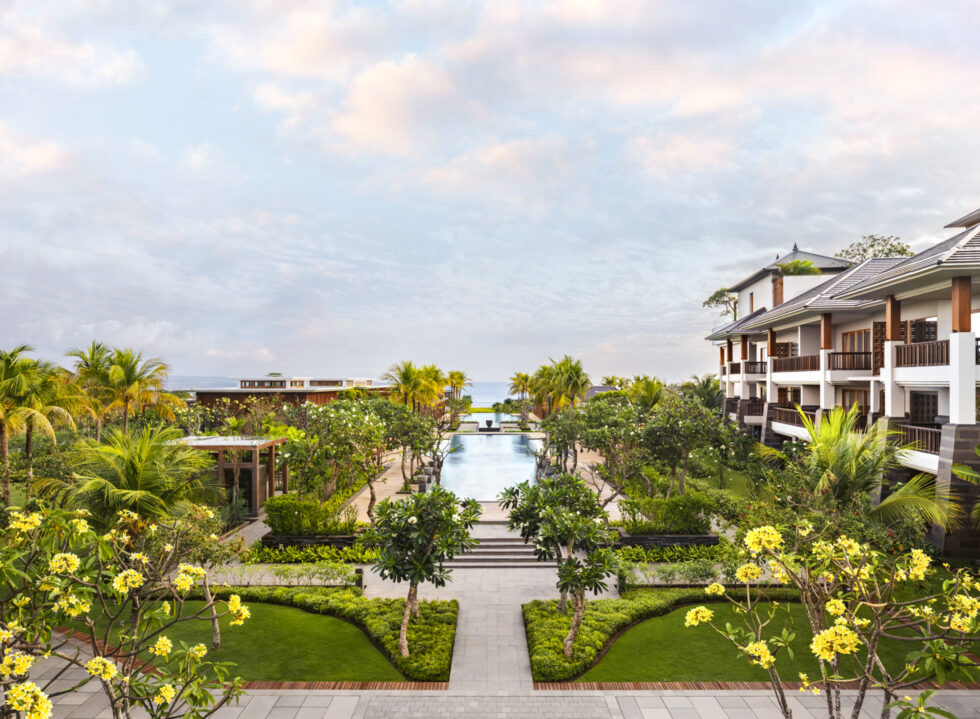
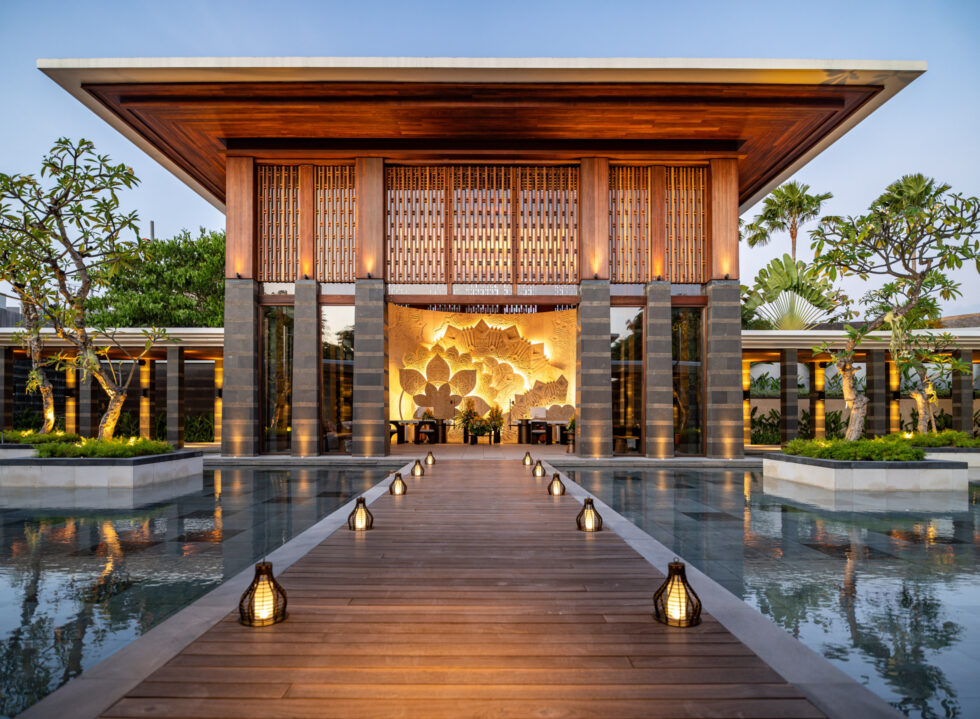
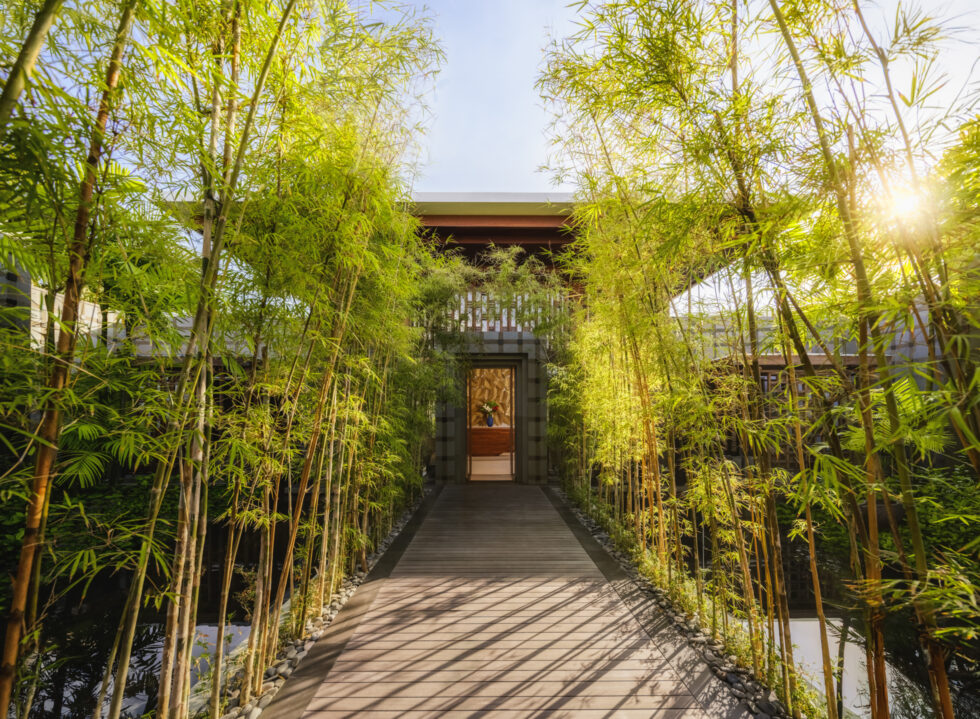
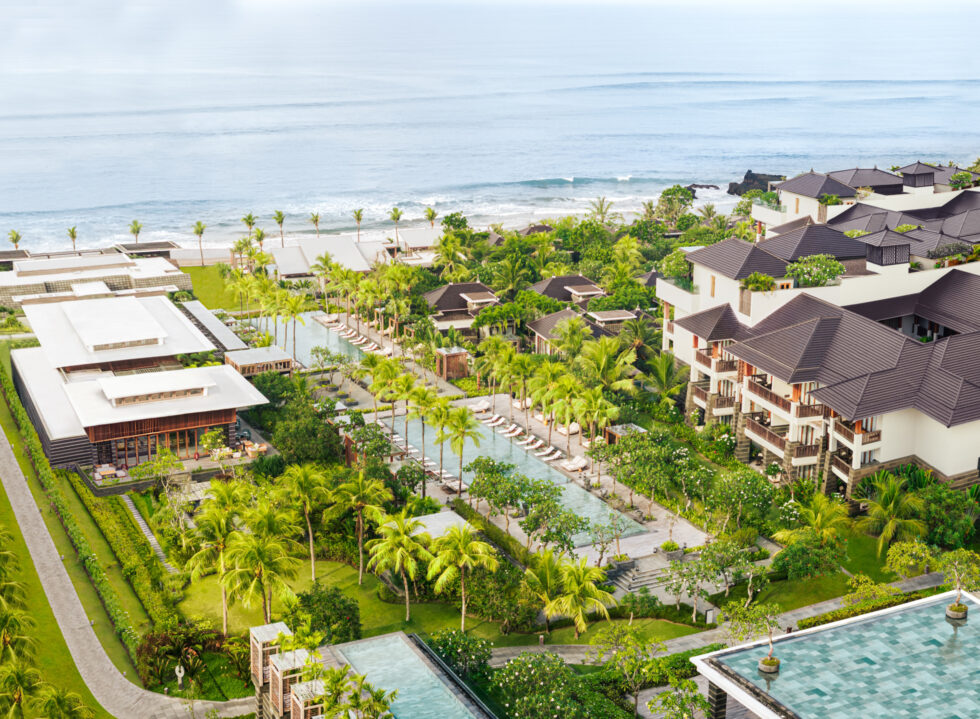
The resort does not attempt to compete with the surrounding noise through spectacle. Instead, it withdraws from it carefully, almost architecturally. From the moment one enters the property, the atmosphere begins shifting through gradations rather than dramatic gestures. Water appears before the ocean does. Pathways bend softly through landscaped courtyards. Light filters through screens and over stone surfaces in ways that slow the eye.
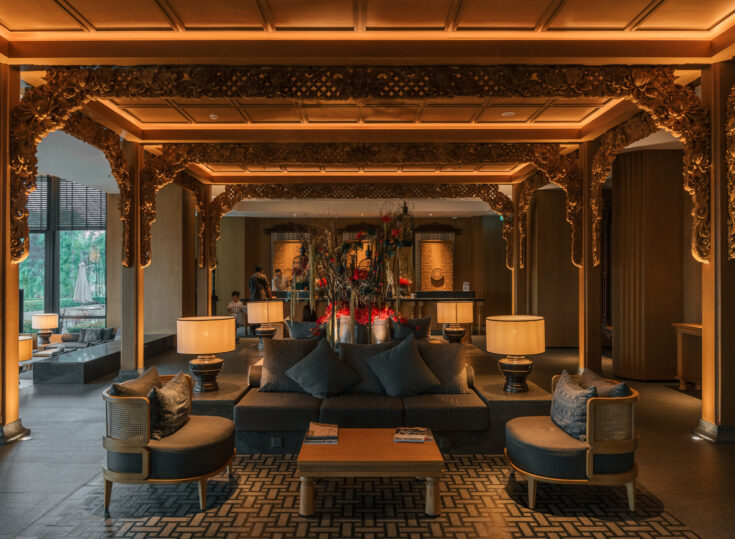
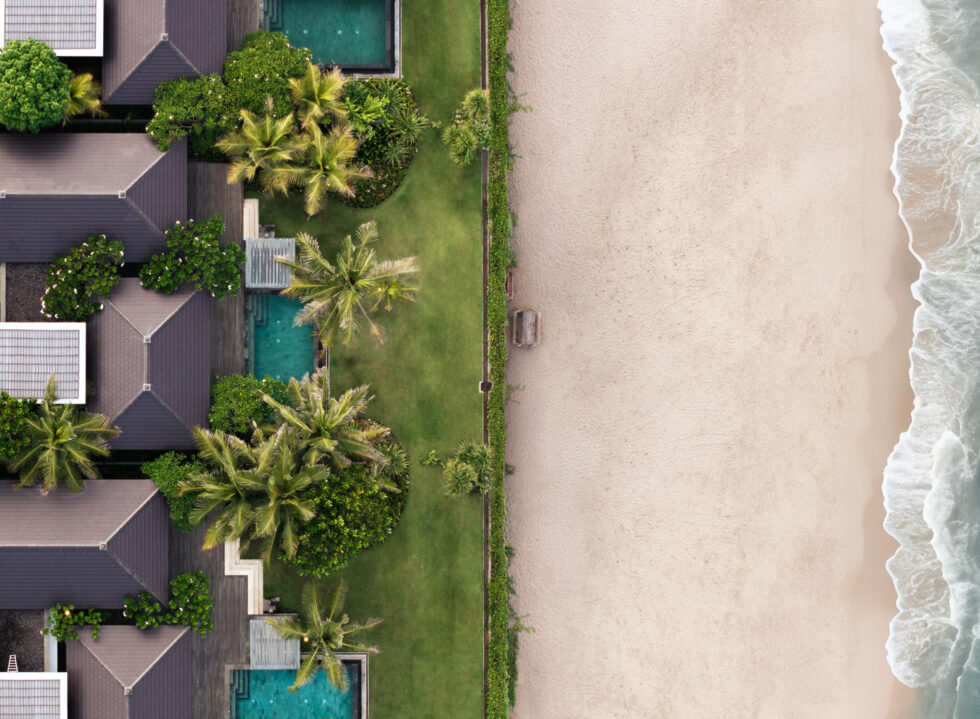
Designed by WATG with interiors by HBA (Hirsch Bedner Associates), the resort draws from the spatial language of Balinese villages and the rice paddies that once defined much of Canggu’s landscape. Low-slung structures reveal gradually around reflective pools, gardens and open-air corridors rather than asserting themselves against the coastline. The effect is subtle but important: one does not experience the property all at once, but slowly in phases.
This sequencing feels deeply connected to older Balinese spatial sensibilities where movement between spaces — public and private, open and enclosed, earthly and sacred — carries emotional weight. Regent translates this into a contemporary hospitality language. Courtyards become breathing pauses, water acts as a transition and the elevated walkways frame fragments of sky and ocean before releasing guests fully into the horizon.
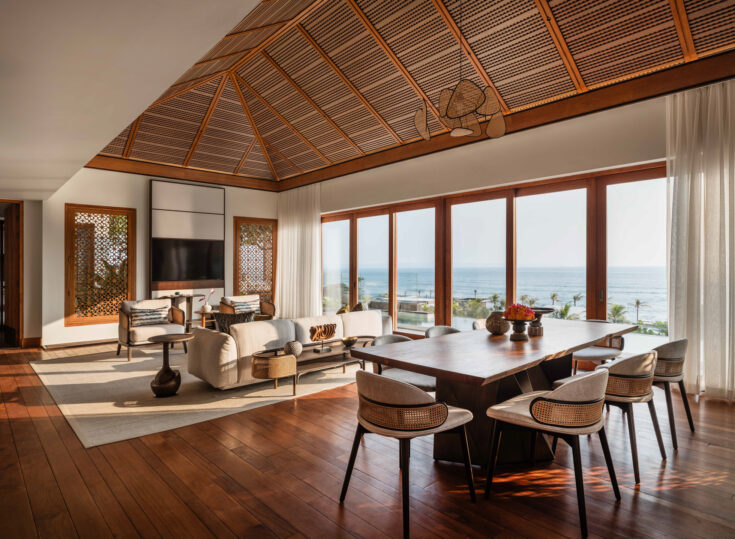
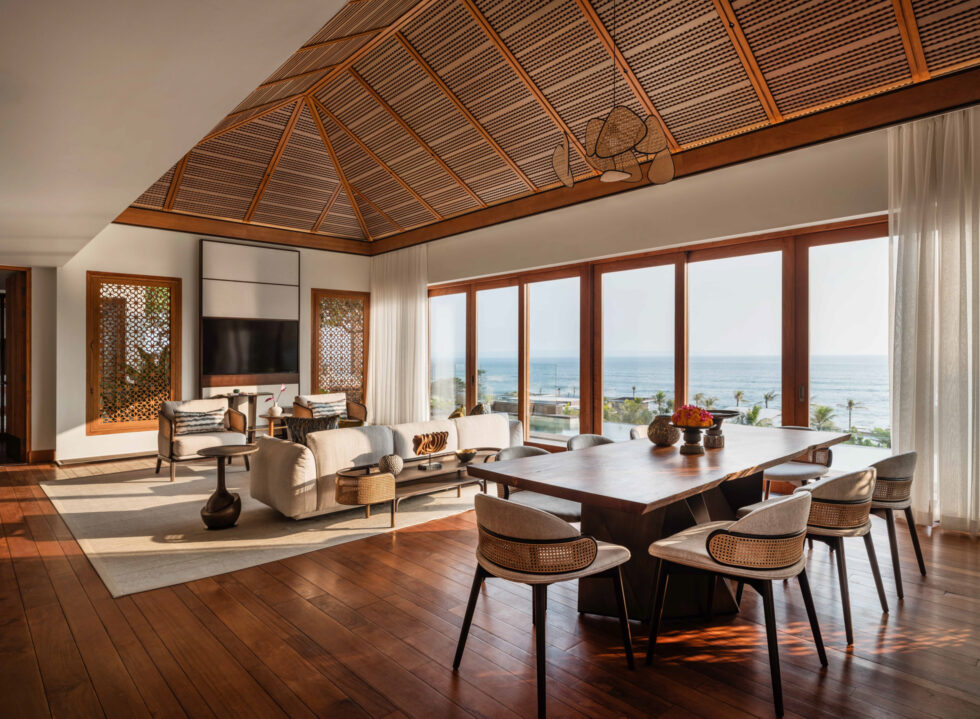
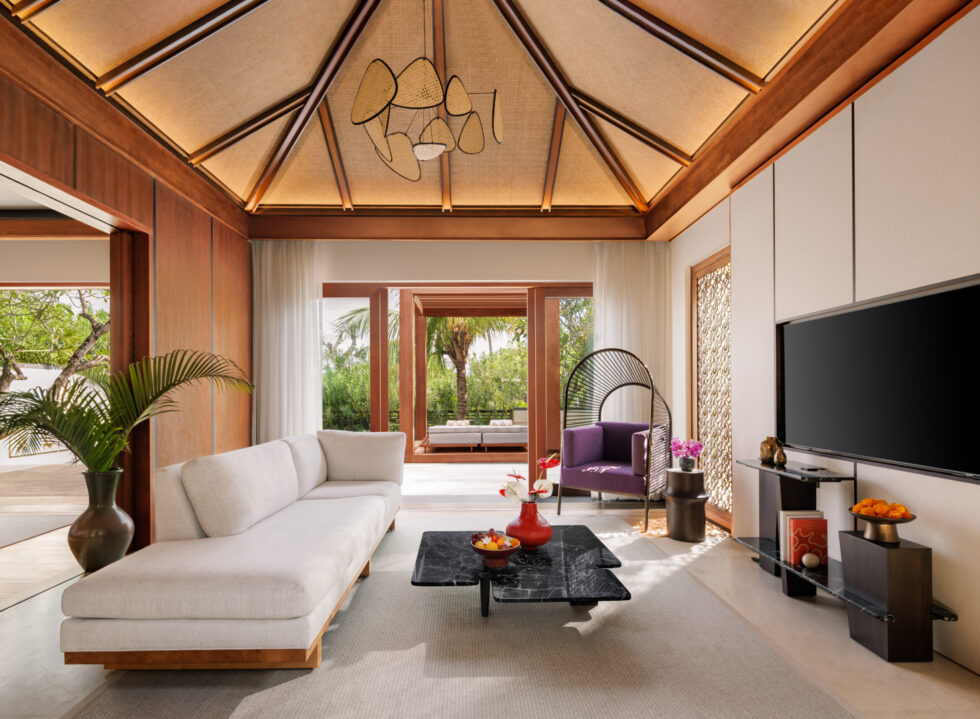
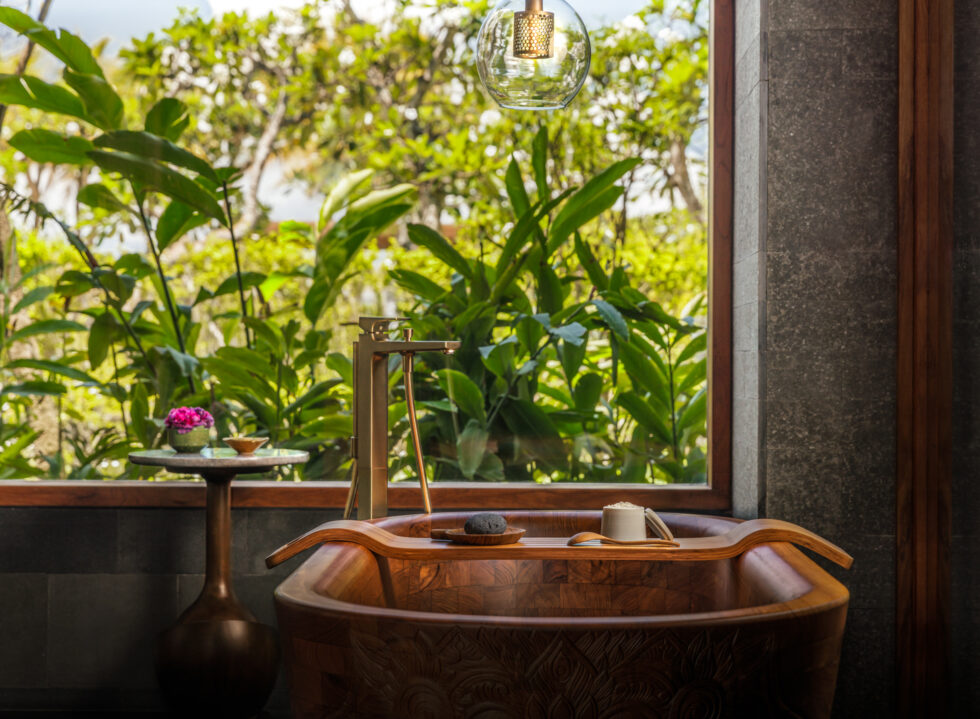
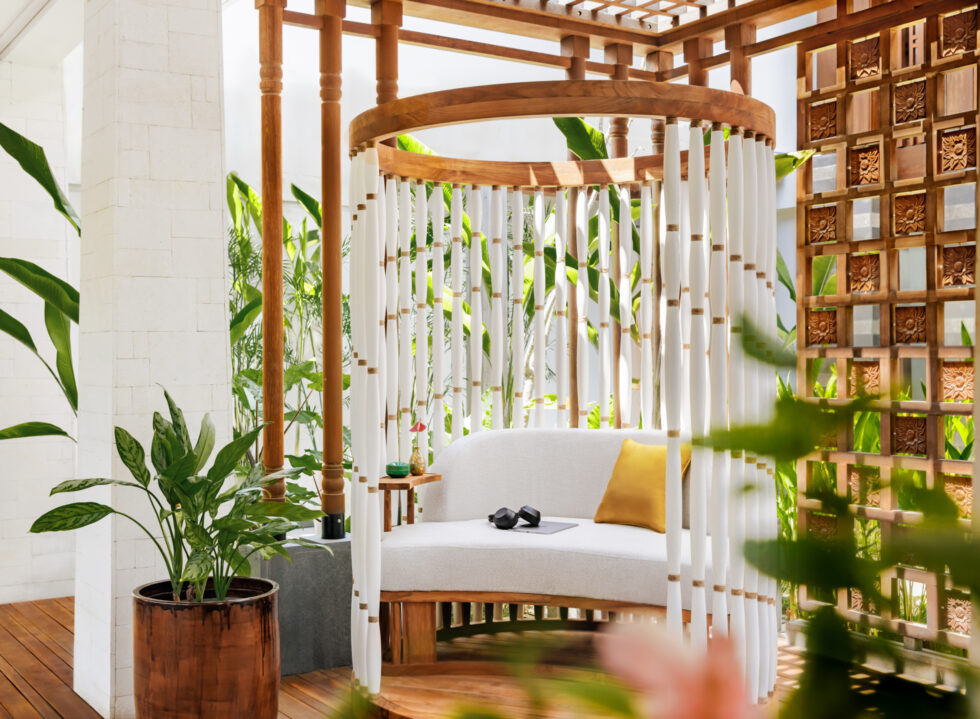
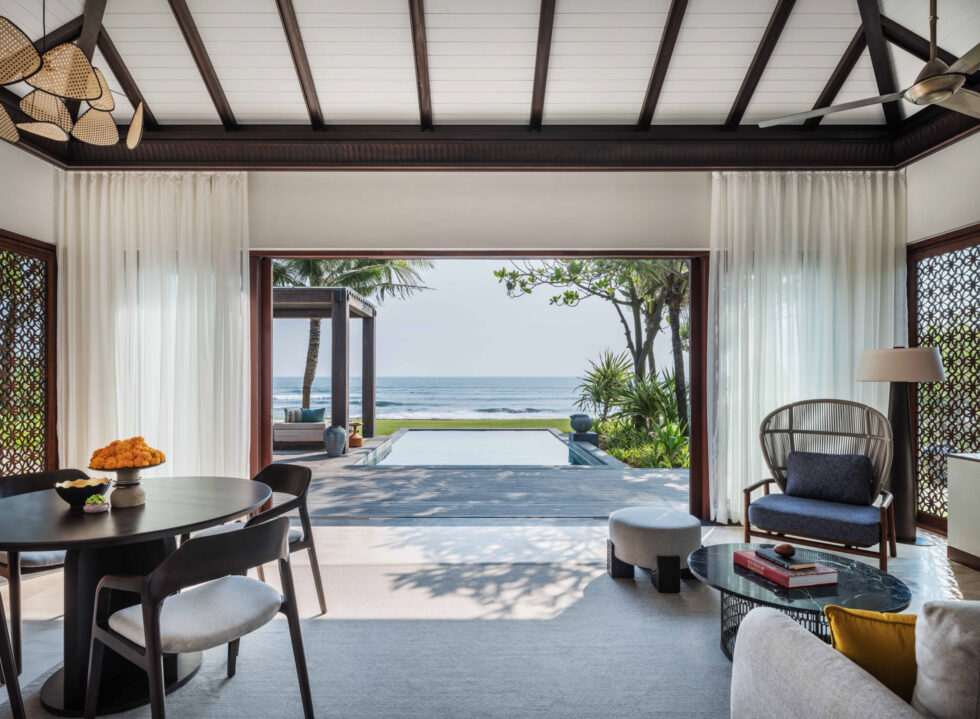
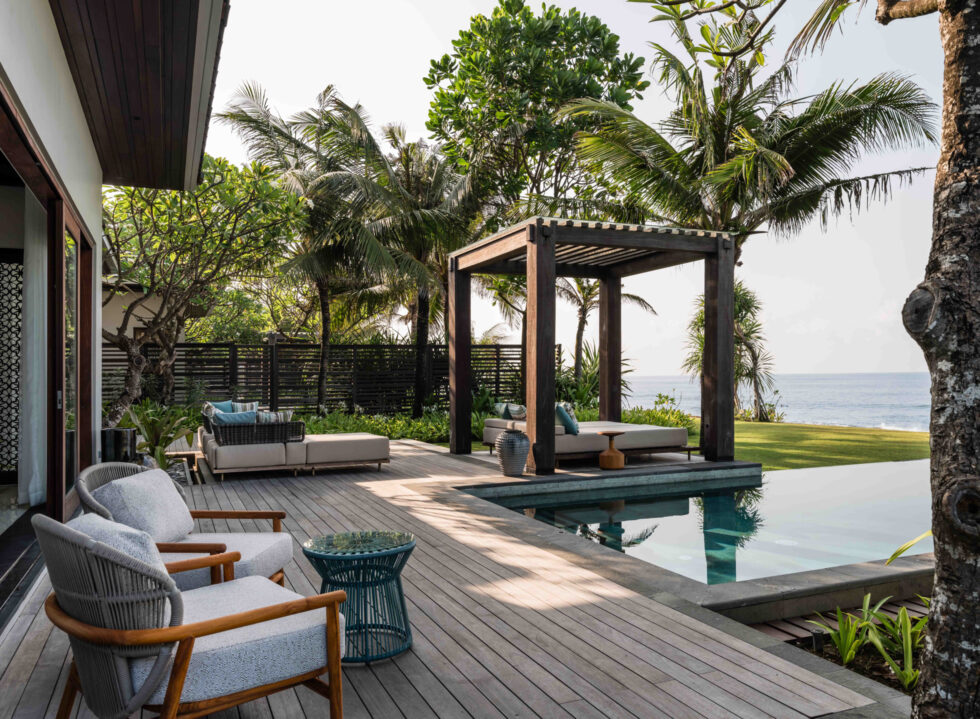
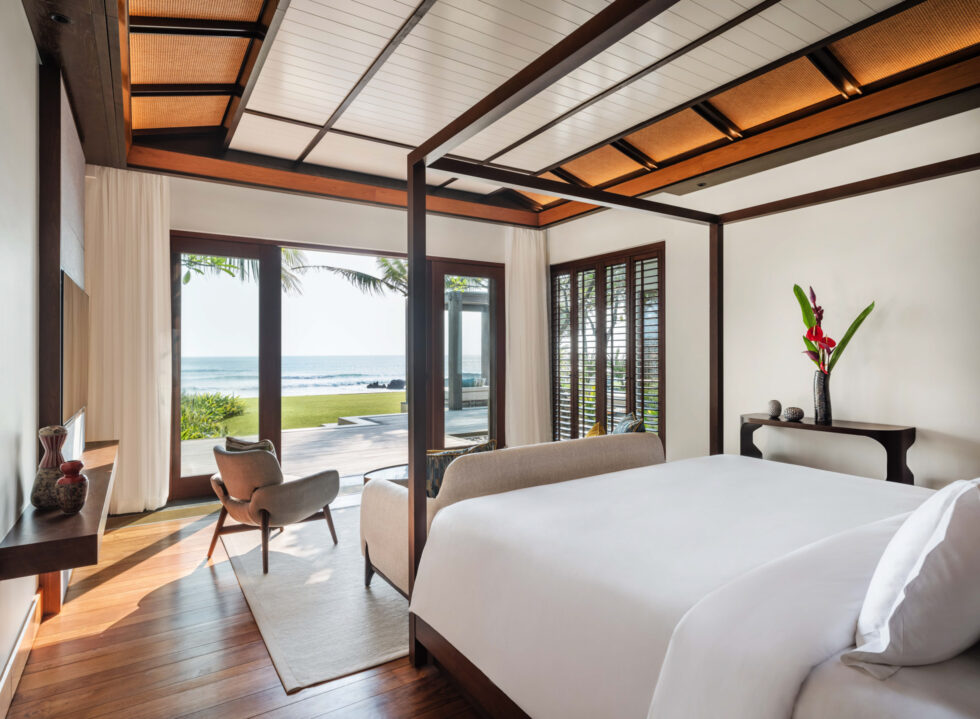
Perhaps the most compelling aspect of the property is its understanding of privacy. Luxury hospitality often mistakes openness for freedom: larger windows, endless visibility, uninterrupted exposure to landscape. Regent Bali Canggu seems more interested in controlled intimacy. Suites open toward expansive ocean views yet still retain a sense of enclosure and gardens conceal as much as they reveal.
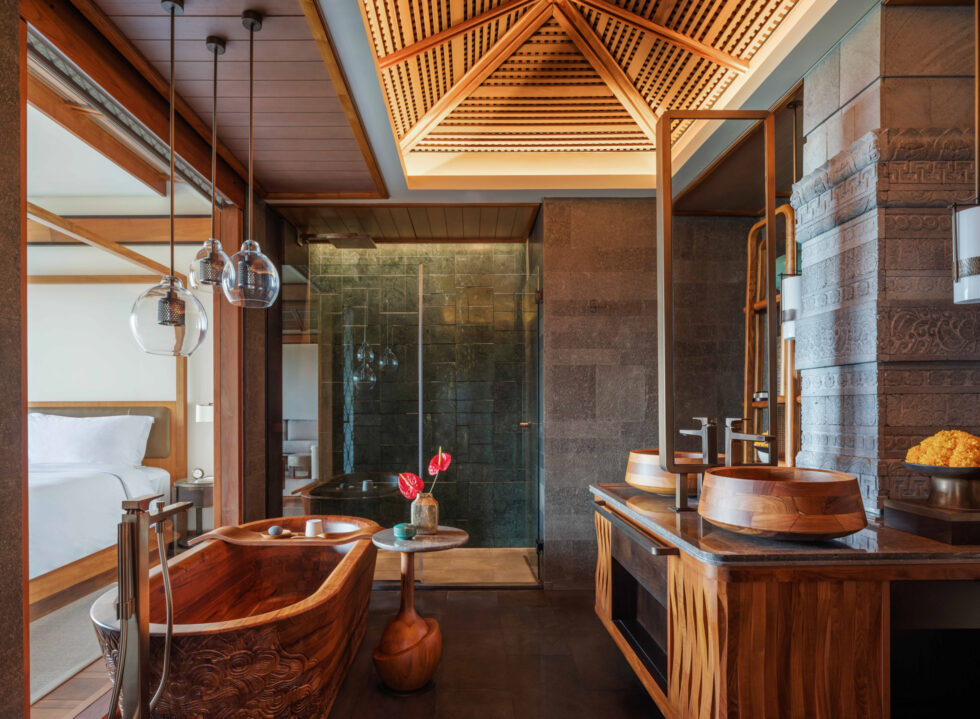
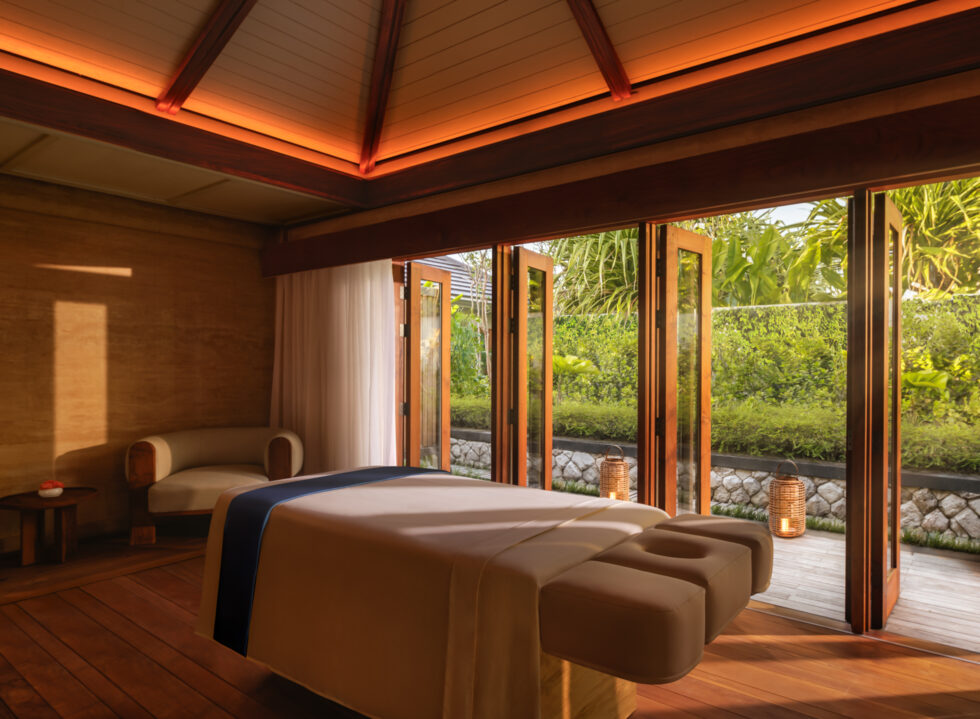
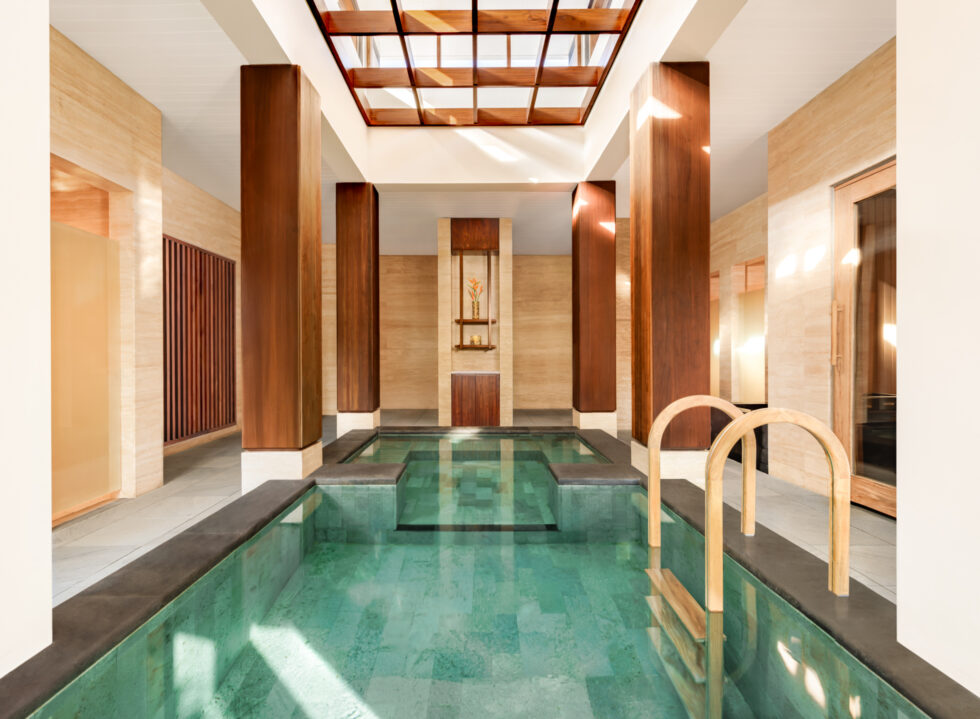
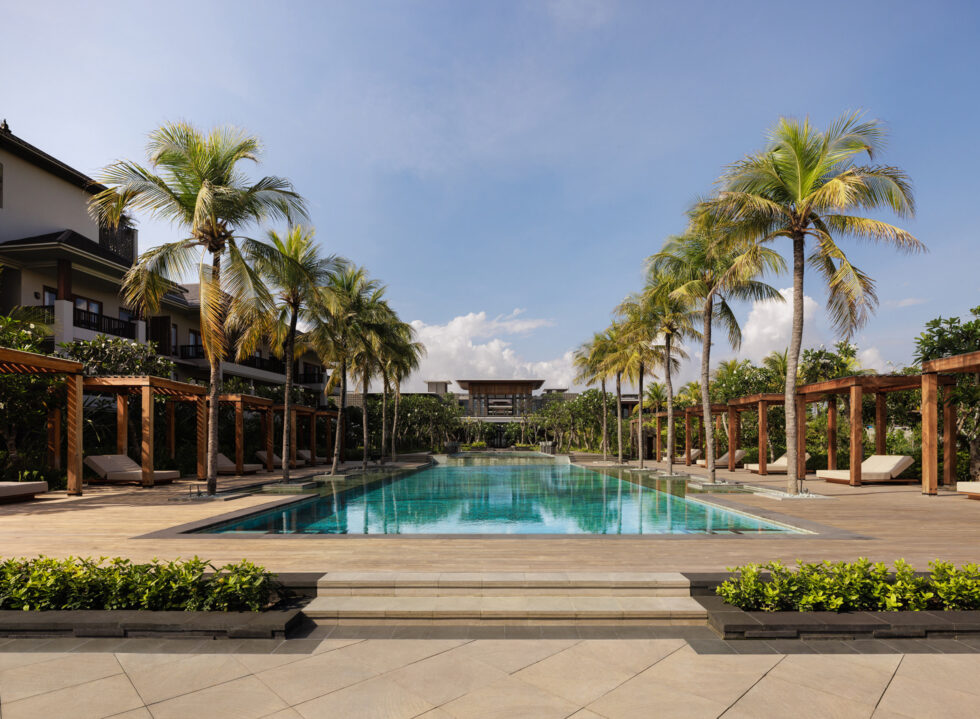
That sensibility extends beyond the architecture itself and into the activities within the property. By day, families gather around the expansive pools, children drifting between shallow edges and shaded loungers. Elsewhere, guests who prefer solitude can opt to retreat inward within the spa’s quieter chambers of sauna, cold plunge and personalised treatments scented faintly with botanical oils. The property seems designed precisely for this movement between sociability and withdrawal.
This gradual softening extends into the Regent Club experience. Less a conventional executive lounge than a private continuation of the resort’s quieter pace, the space allows guests to move fluidly throughout the day: slow breakfasts overlooking the coastline, afternoon refreshments away from Canggu’s intensity and evening cocktails as the sky darkens into shades of blue-grey. Rather than operating as a separate layer of exclusivity, the Club feels integrated into the resort’s larger emotional beat that is deliberately unhurried.
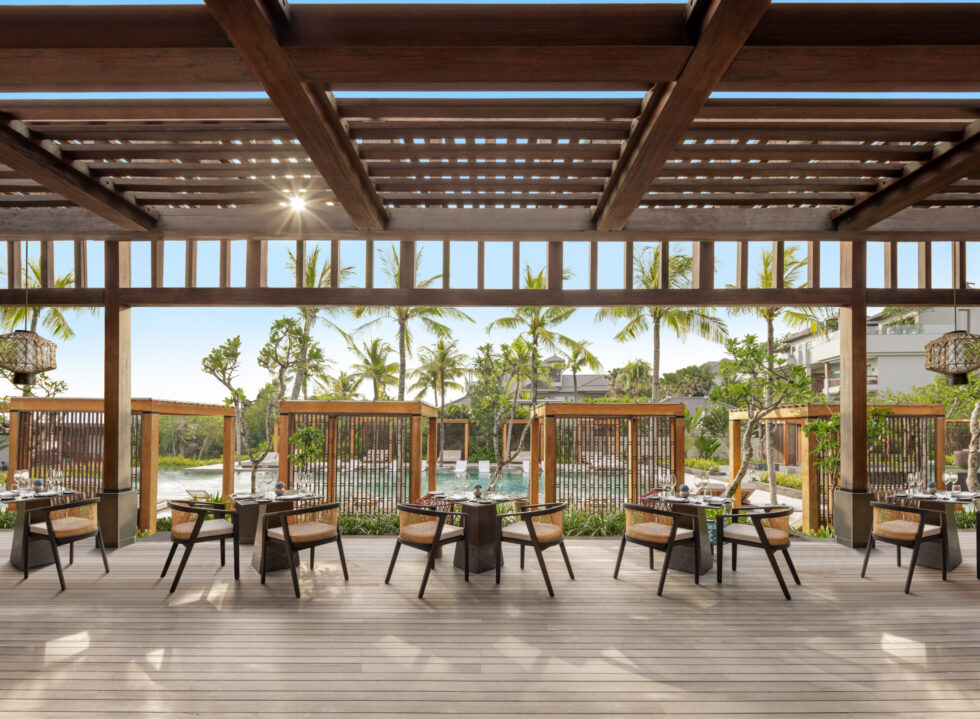
If much of Regent Bali Canggu feels inward-looking, however, the Beach House introduces a subtle shift in energy. Here, guests re-emerge into a more social atmosphere as music drifts through open-air dining spaces and sunset turns the shoreline into a slow-moving theatre of silhouettes and conversation. Cocktails arrive cold against the lingering humidity while the beach remains only a few steps away. Yet even here, the resort maintains restraint. The atmosphere never tips into excess. Instead, the Beach House feels like a careful interpretation of Canggu’s coastal energy rather than a reproduction of it.
Regent Bali Canggu does not attempt to deny the reality of modern Canggu, nor does it fully retreat from it. Instead, the resort absorbs the surrounding intensity and filters it into something more deliberate. And perhaps that is what contemporary luxury increasingly demands now: not an escape from the world entirely, but spaces capable of recalibrating one’s relationship to it.