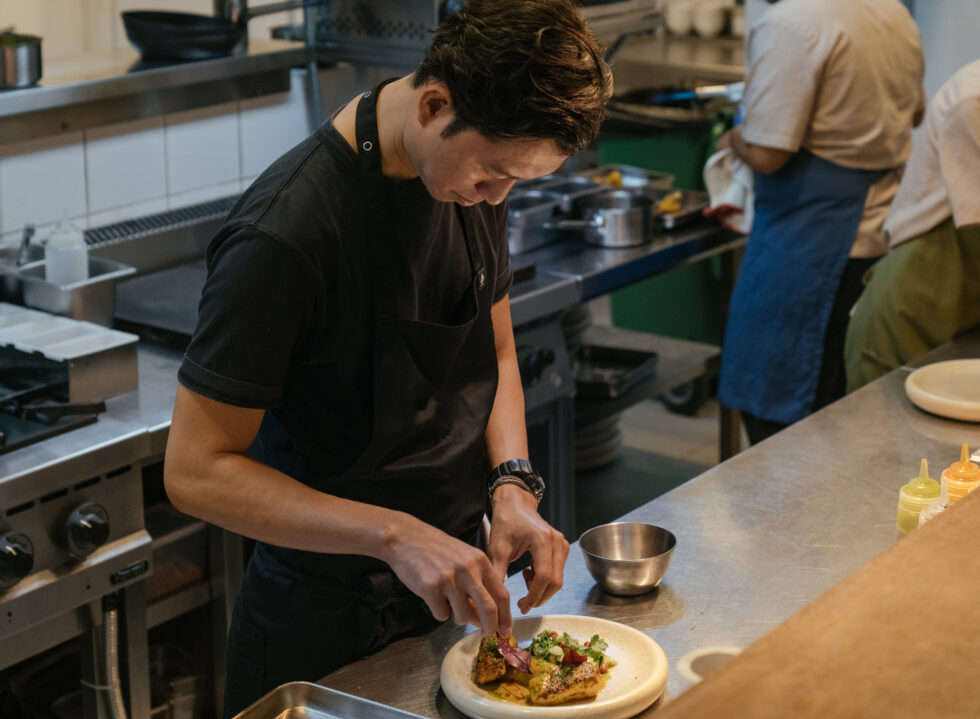
It goes without saying that restaurants serving the nation’s rich culinary from across the archipelago are nothing out of the ordinary in Jakarta. What sets TAMU apart is how it capitalises on that familiarity. Spanning traditional Javanese to Manadonese delicacies, Chef-Owner Andreas Alnico and Corporate Chef Arief Rachman draw on the dishes and flavour memory many grew up with, keeping them familiar and accessible, yet refined with their own personal touch.
Cue the tagline “nostalgic yet dynamic”, an approach that extends to the space itself. “We never wanted TAMU to feel overly sophisticated or intimidating. It should be a place that anyone, from young groups to grandparents, can enjoy comfortably,” said Hartono Moe, co-founder of TOMA Group.
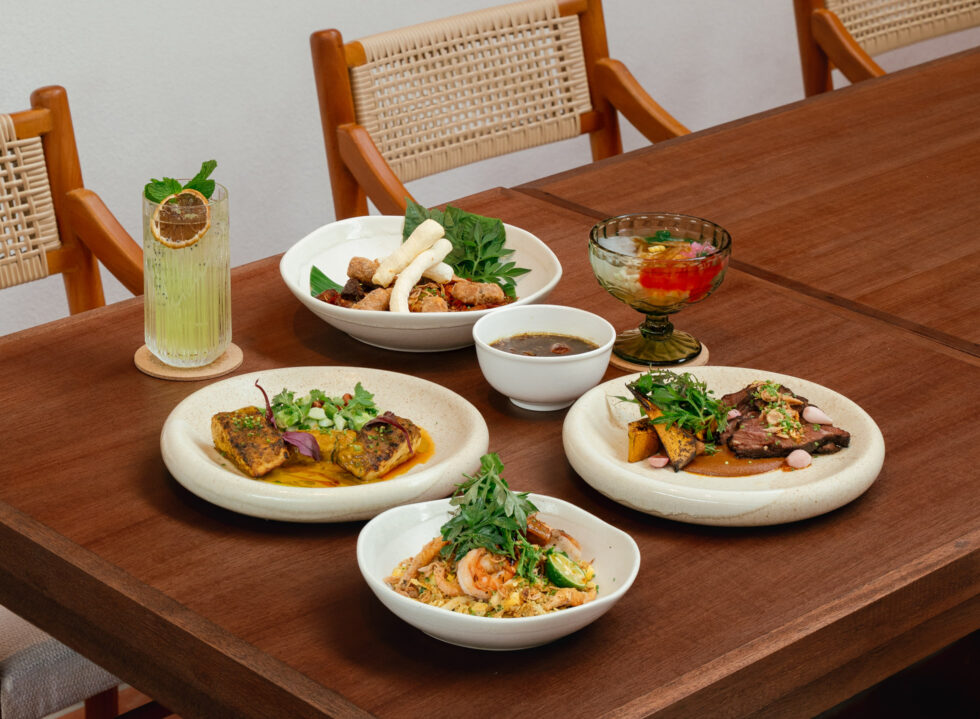
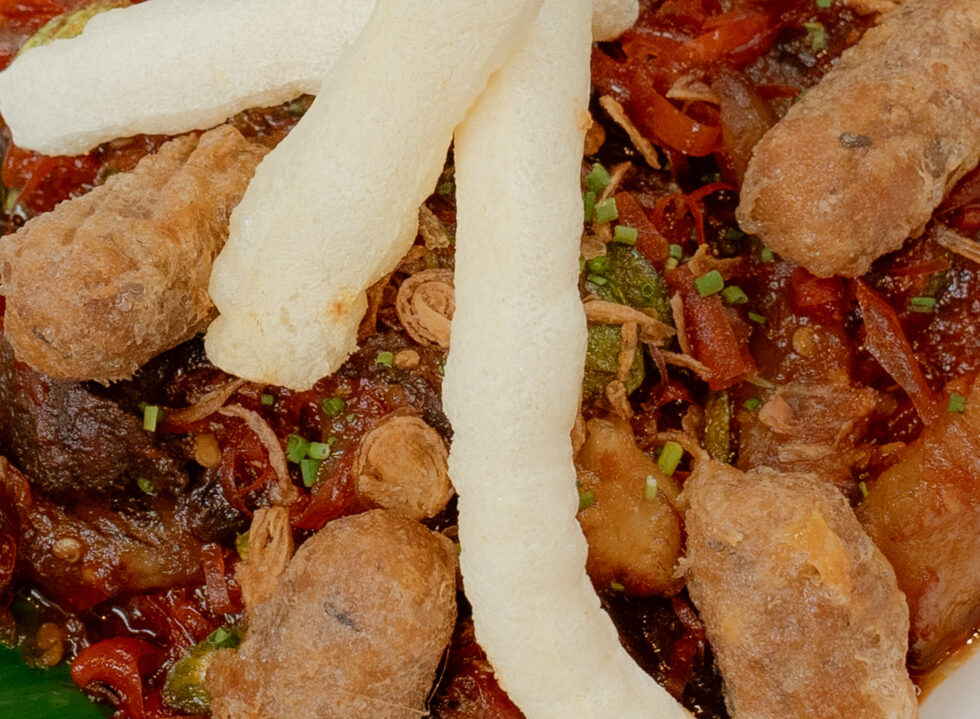
The philosophy plays out clearly on the menu. The same dishes one might be used to seeing on the dining table at home appear alongside those less commonly found in everyday cookbooks. From the classic pepes ikan to hometown specialities like sambal goreng otot, TAMU highlights dishes that many already know by heart, alongside a few that guests may be tasting for the first time. The sambal, too, has its own category, from andaliman to colo-colo, native to Ambon.
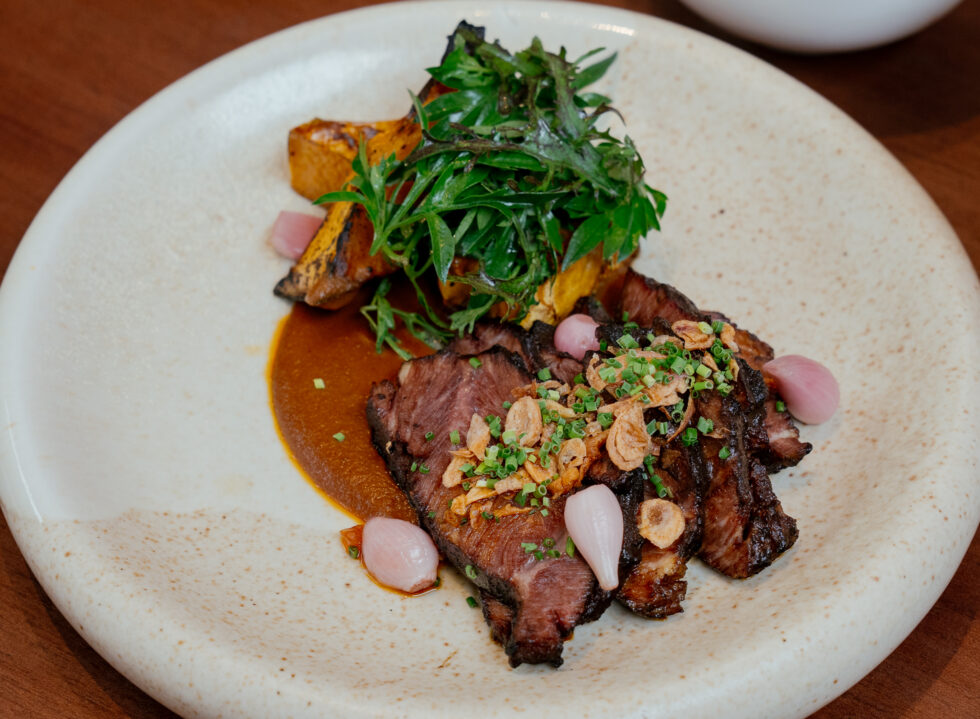
Those looking to venture beyond the usual can begin their meal with something less expected, before moving on to the familiar fare. One of the highlighted appetisers is lawar, a lesser-known Balinese dish of blanched vegetables mixed with base genep (the island’s signature spice seasoning). Here, the mix is layered with kenari nuts, along with fresh and dried shrimps for extra crunch. By contrast, the konro pipi sapi delivers flavours that register immediately. It features slices of tender beef cheek slow-cooked in black nut (kluwek), served alongside peanut sauce, roasted pumpkin, and an aromatic broth.
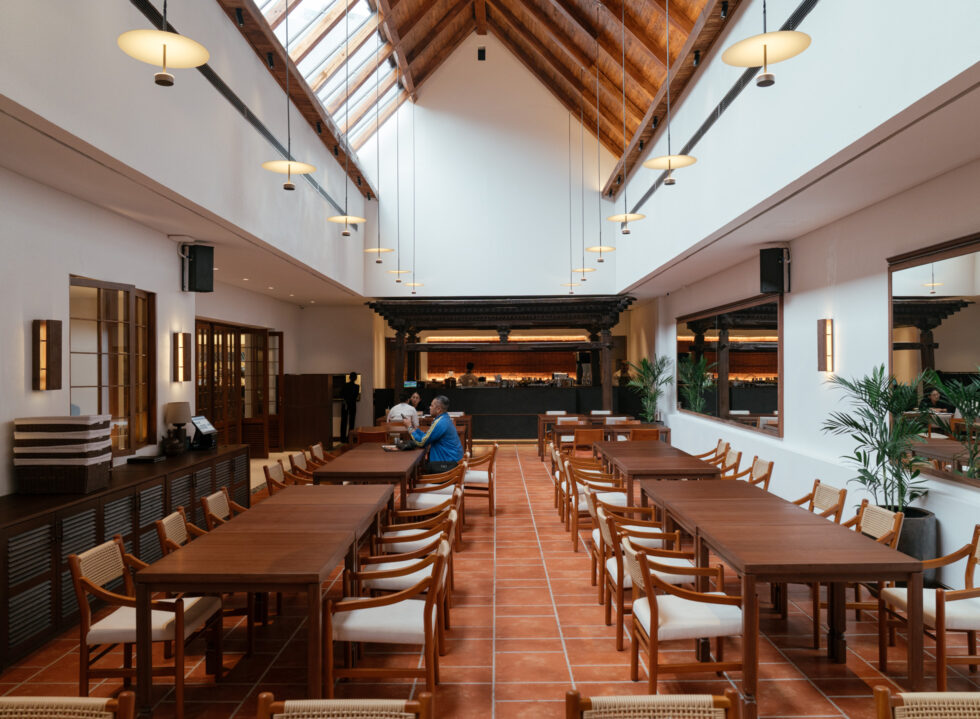
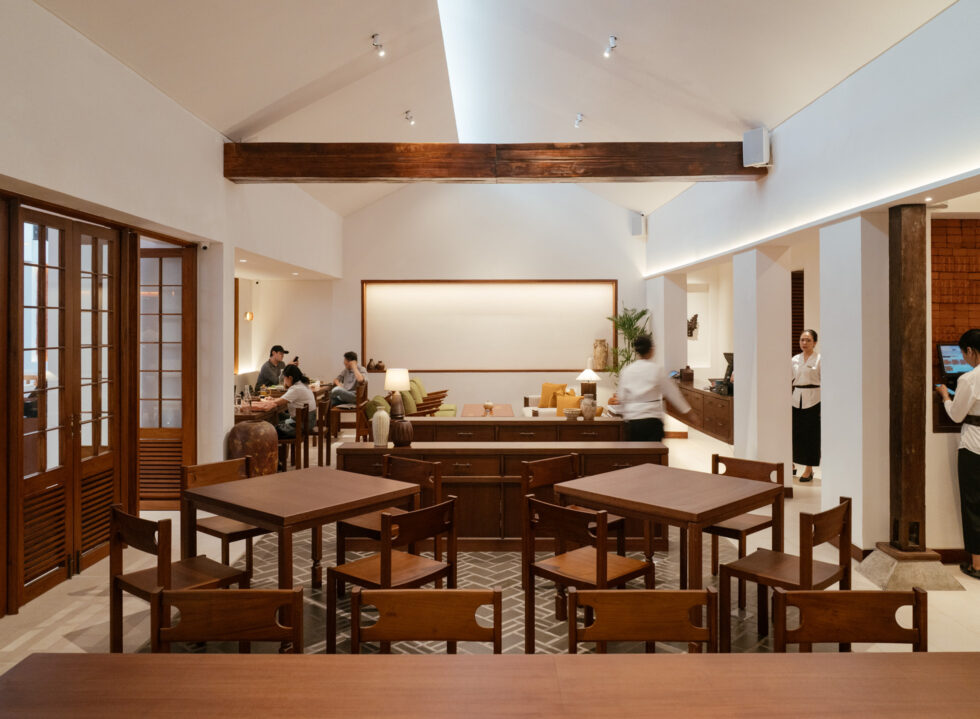
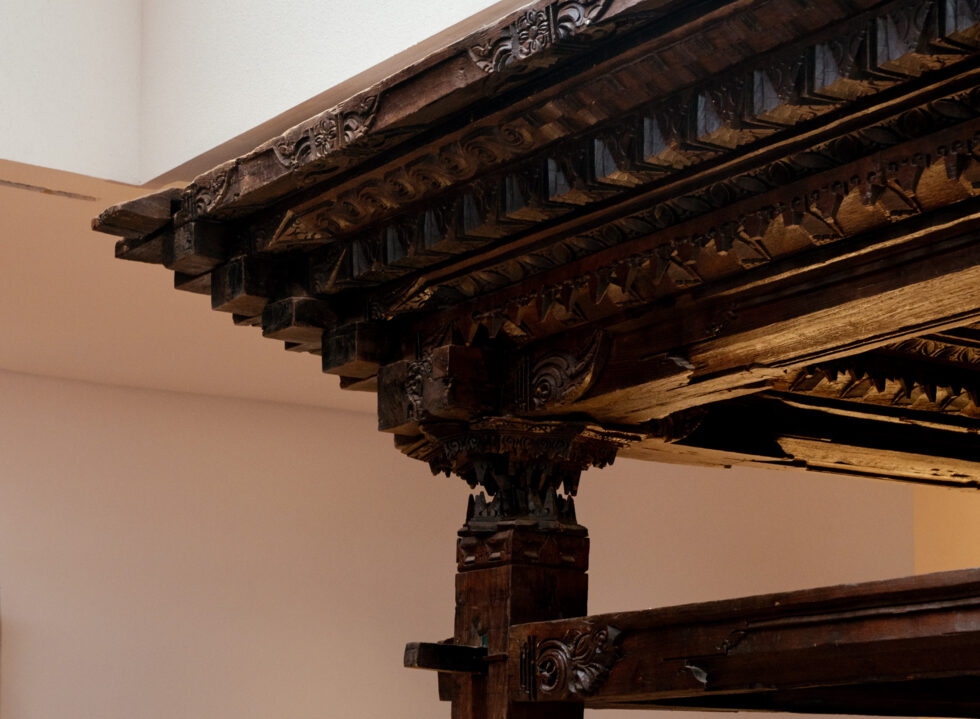
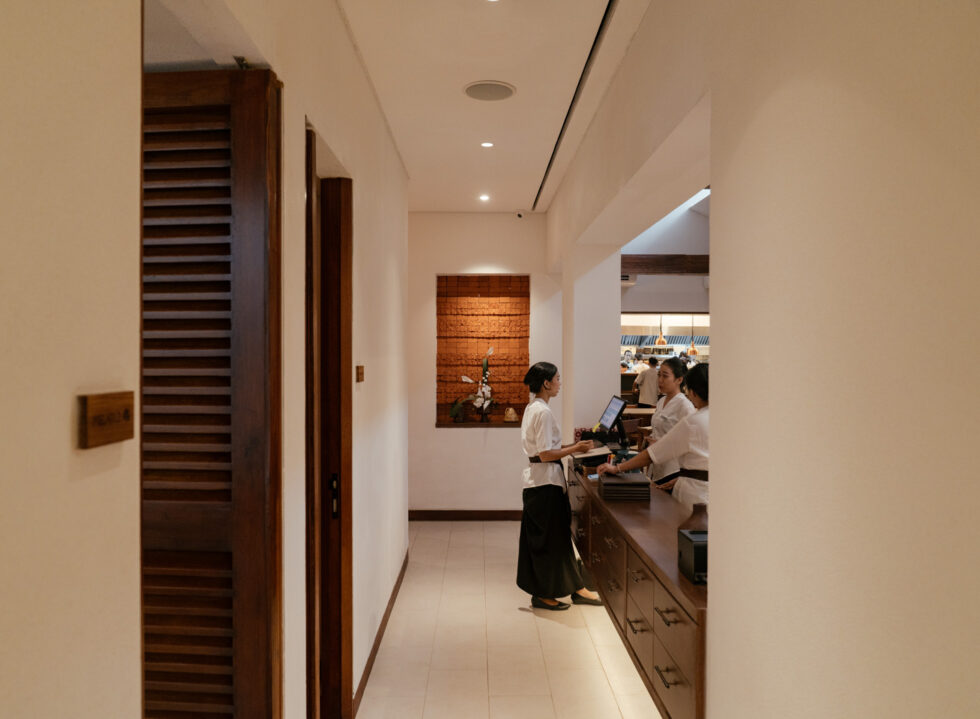
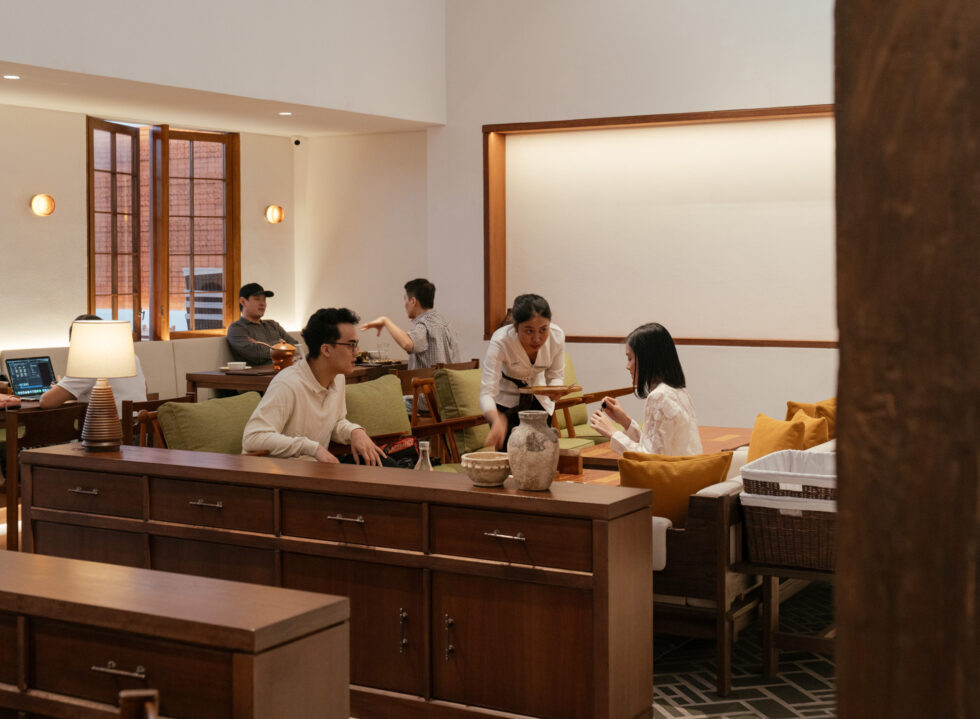
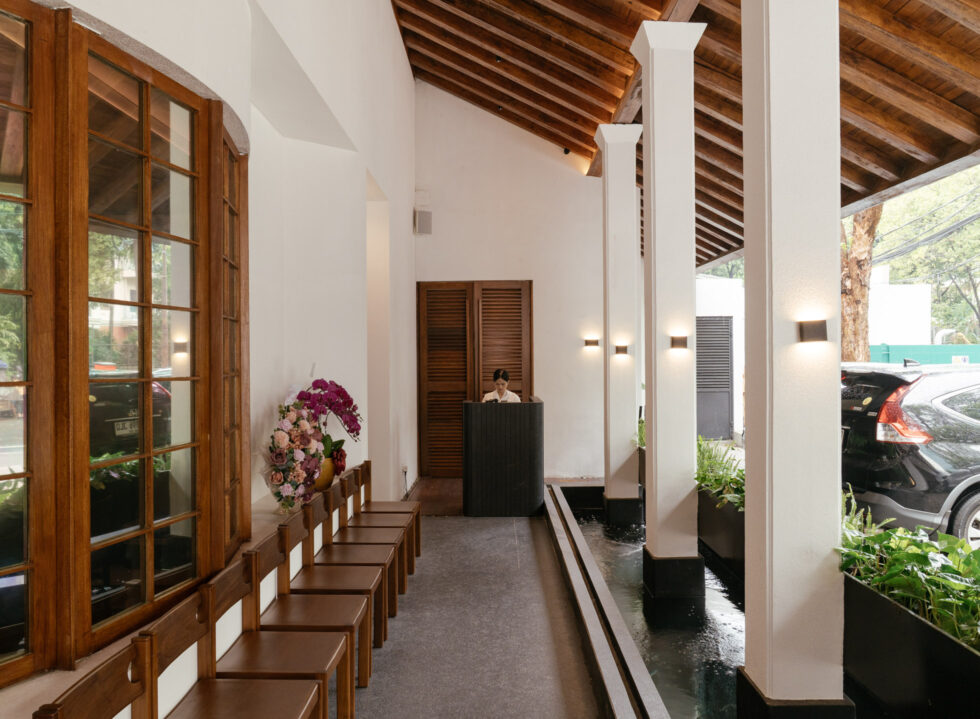
Nostalgia, however, isn’t served on the plate alone. Once a family home, the building that now houses TAMU naturally gives the space a warm, lived-in feel. A long, bright dining room connects to a living room-like area, fitted with used rattan features and red bricks rearranged as wall art. The house’s 50-year-old saka guru—carved structural pillars traditionally used in Javanese joglo houses—were also preserved at the request of the former owners. “All of these nostalgic touches come together with sleek, modern design,” said Hartono.