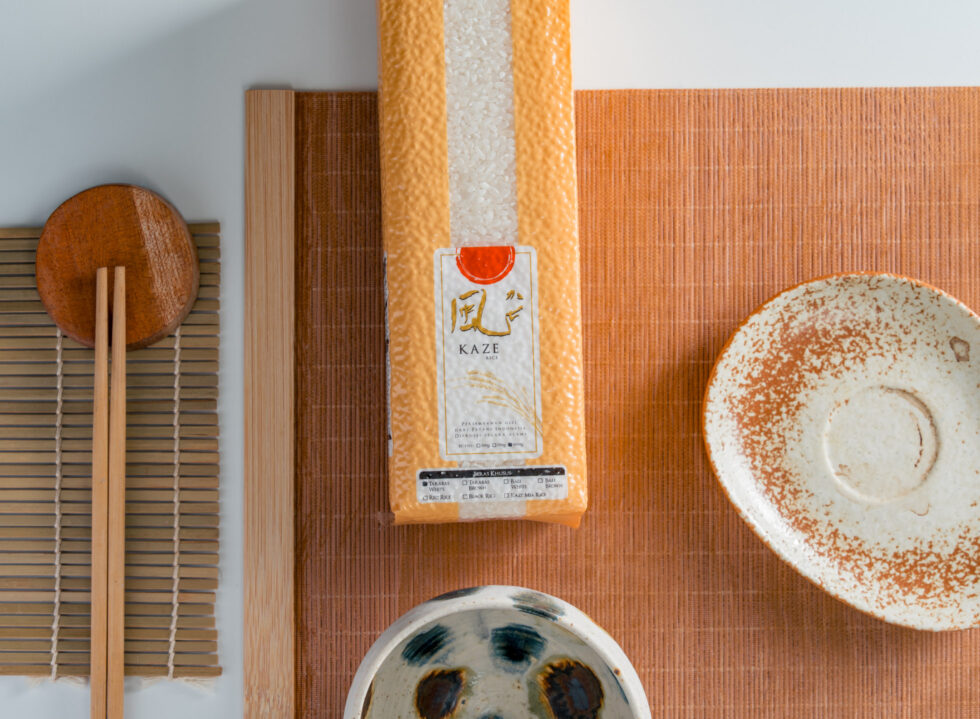
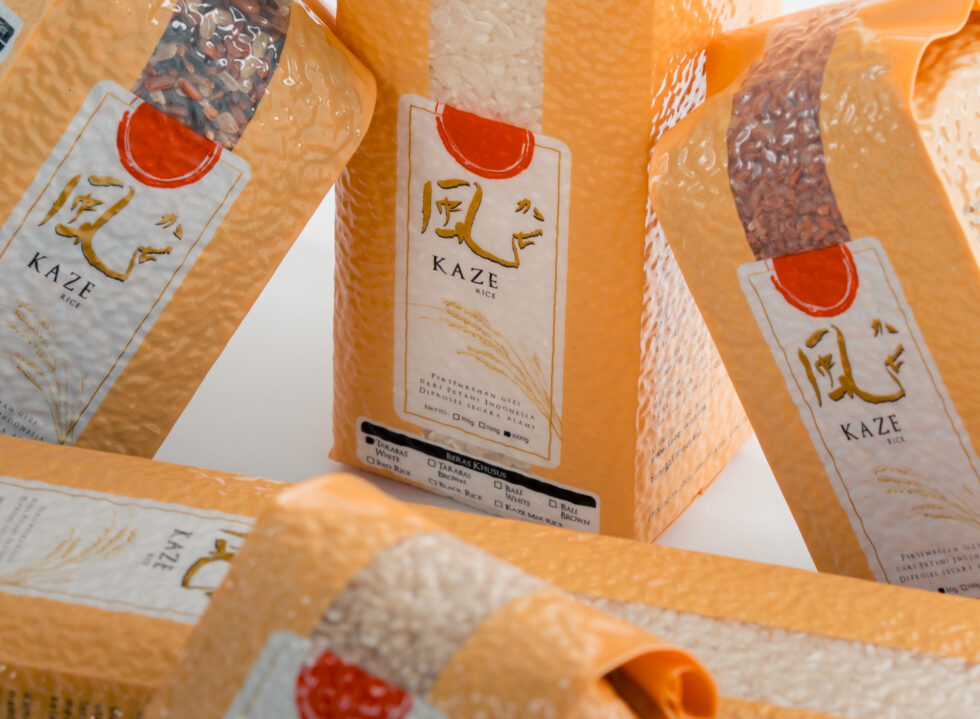
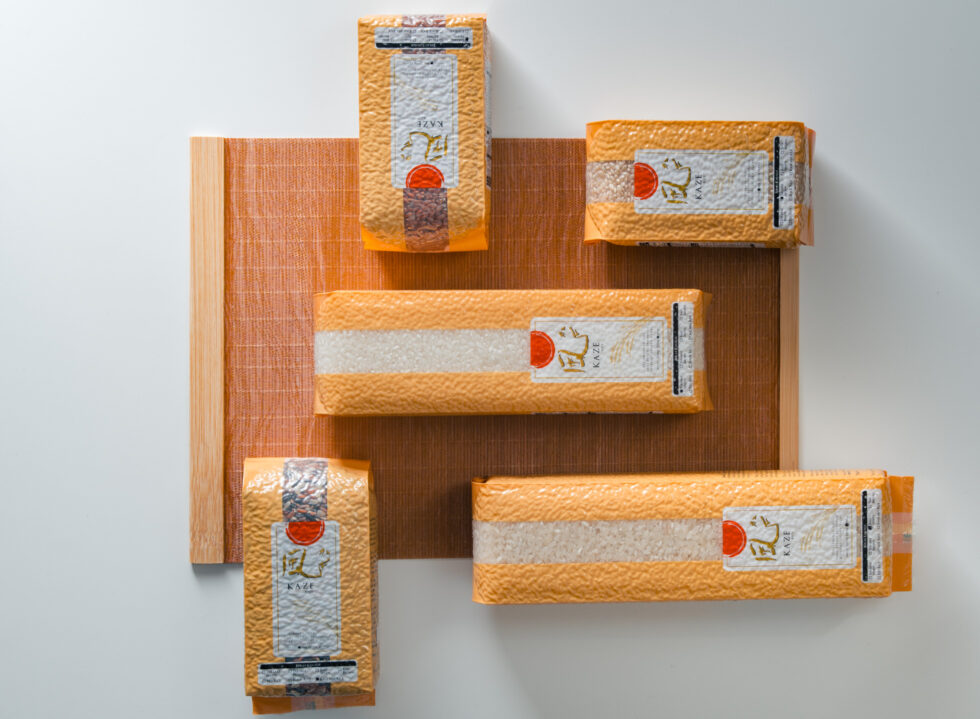
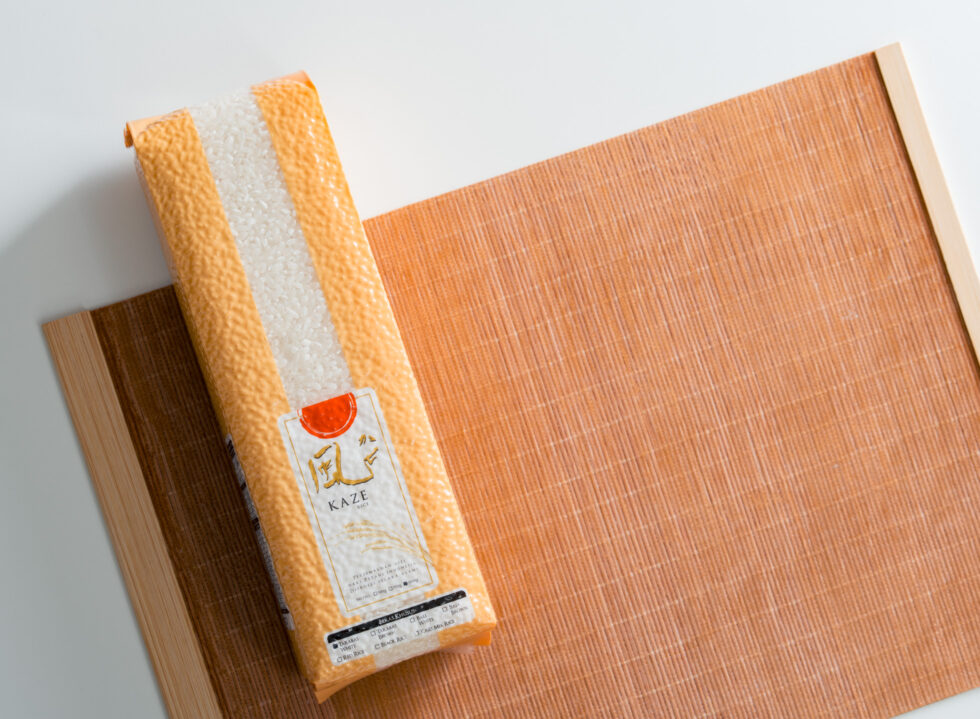

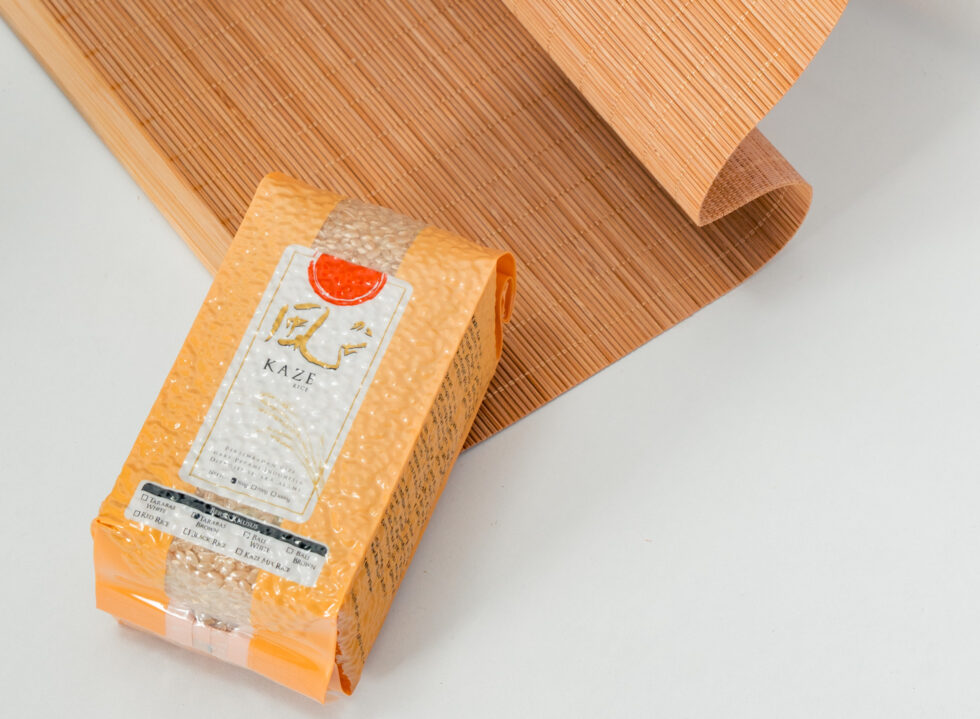
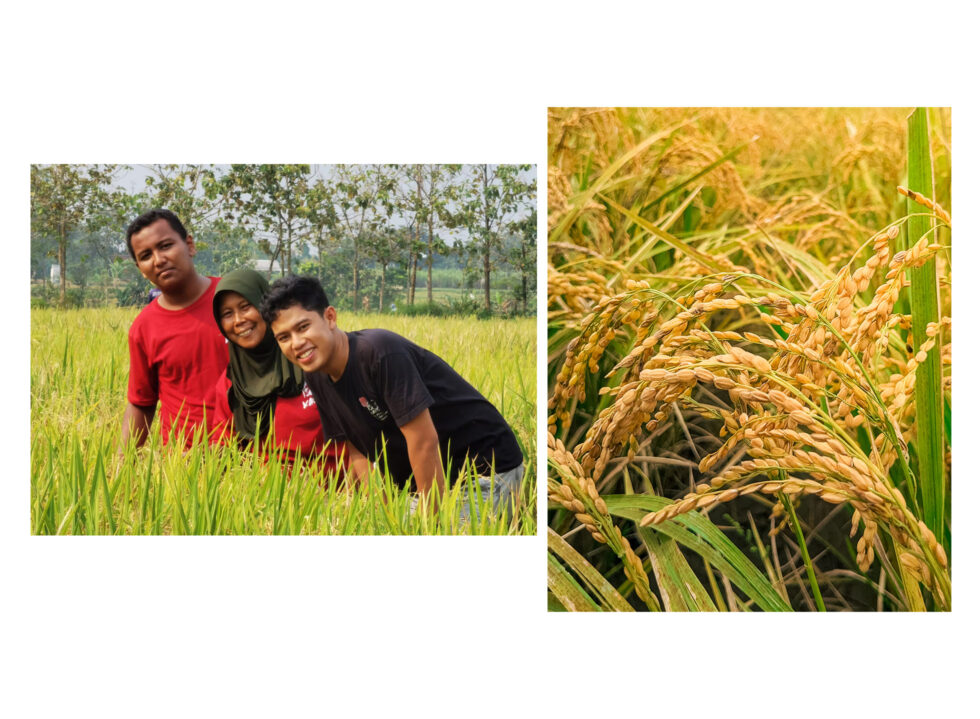
Organic food today is often discussed in terms of certifications, premium price points and perceived purity. But in practice, the original idea was far more modest: to farm in a way that respects and gives back to the land. This is the lens Kaze Rice works from. The brand grounds its approach in long-held farming traditions and non-extractive practices, aiming to produce rice that preserves its nutritional qualities while sustaining the farmers and ecosystems behind each harvest.
Growing up between Indonesia and Japan, founder Cynthia Wirawan developed a particular attentiveness to rice. She learned to recognise differences between grains, even discerning where they were harvested from through flavour alone. That sensitivity later led her to examine the rice available locally, where fine-quality grains with strong nutritional value were hard to come by. At the same time, she became aware of the growing strain faced by local farmers.
“I noticed that many of them had grown disillusioned with the work,” said Cynthia. “When I began tending my own rice fields in Subang, West Java, I could see that farming was slowly being left behind, even though many families had large plots of ancestral land.”
In 2016, these concerns led Cynthia to look more closely at rice cultivation and begin developing what would become Kaze Rice. She drew on her Japanese network, working with experts in organic agriculture to develop methods adapted to local fields.
It took three years to refine the process. The work, however, was less about inventing new planting methods than about “people management and calculations,” said Cynthia, who comes from a finance background. “Farmers know their land best. Here, like in Japan, each region has its own inherited approach to rice cultivation. We try to respect that, and refine it where needed.”
Thus, rather than enforcing a uniform system, Kaze makes targeted adjustments — such as seed purification, temperature-controlled storage, and soil and compost management — while allowing its farmer partners across West Java, Central Java and Bali to cultivate rice as they have for generations.
Kaze also avoids setting rigid production targets. At harvest, farmers return their yields and are paid at stable rates intended to be fair rather than the bare minimum. This approach helps protect livelihoods while removing the pressure to take chemical shortcuts to boost production.
“One of the core principles the Japanese experts taught me is respect for nature,” said Cynthia. “That includes expressing gratitude to the land, which we do through prayers during planting and harvest, and also accepting what the land gives us. I don’t fixate on how many tonnes are produced each harvest, because that will always change with the season.”
This fair-trade arrangement has drawn interest from younger farmers, offering them a measure of reassurance about staying on the land. With an eye on generational continuity, Kaze taps into this and works deliberately with families. In the fields of its farmer partners, it’s common to see parents and children working side by side, tending plots that have been passed down within the family.
“If you think about it, much of what we do is about returning to older ways of farming,” said Cynthia. And it’s not simply about nostalgia; the process, she noted, “helps retain much of the rice’s natural nutritional value. That’s what I love about it.”
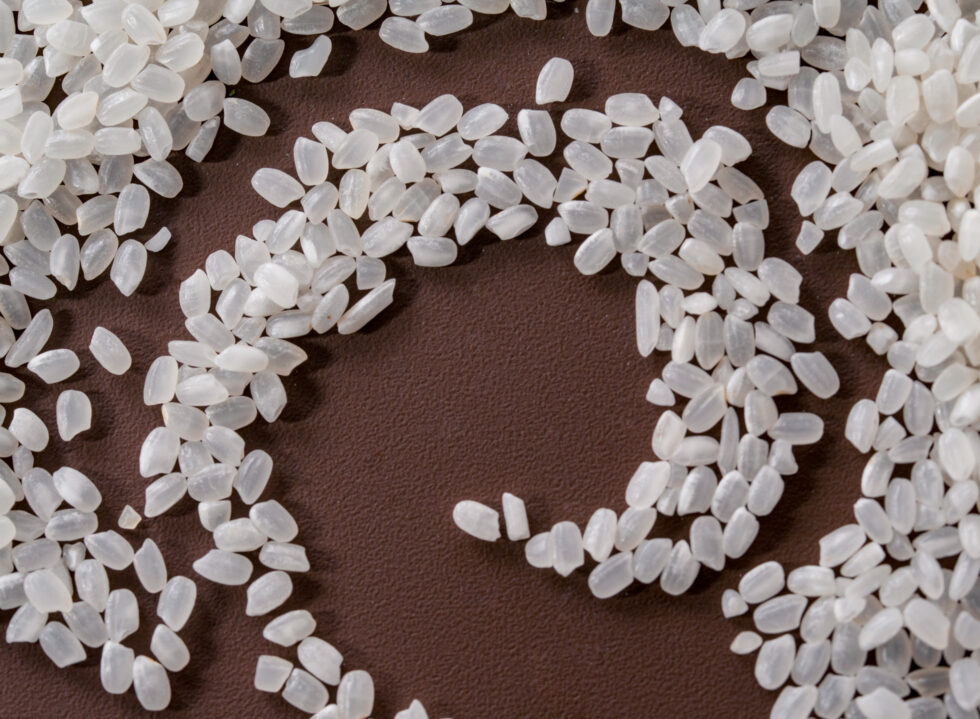
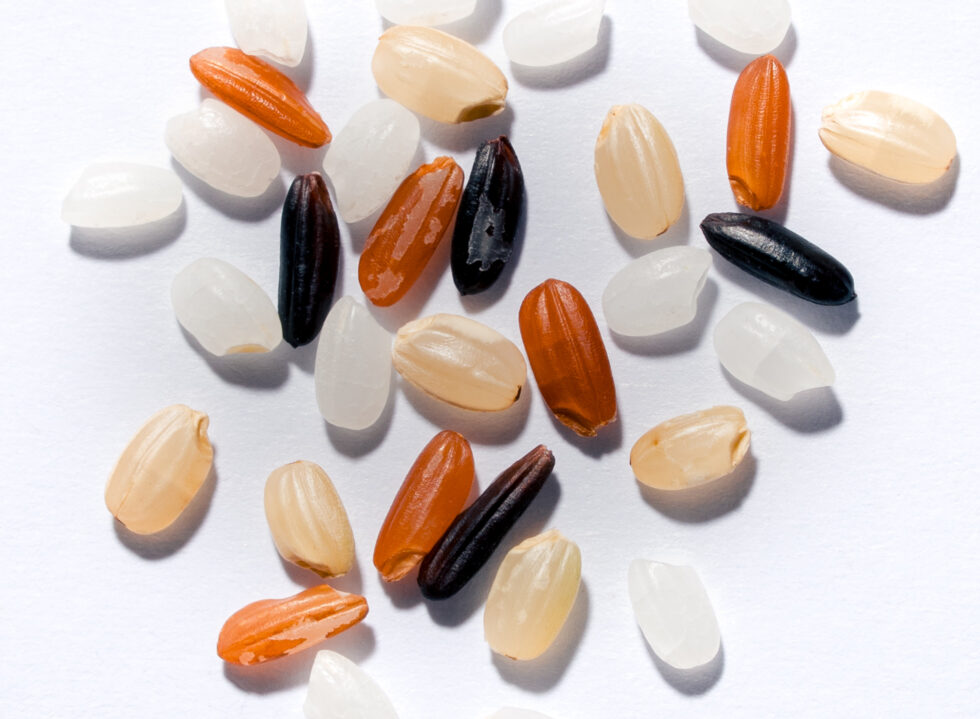
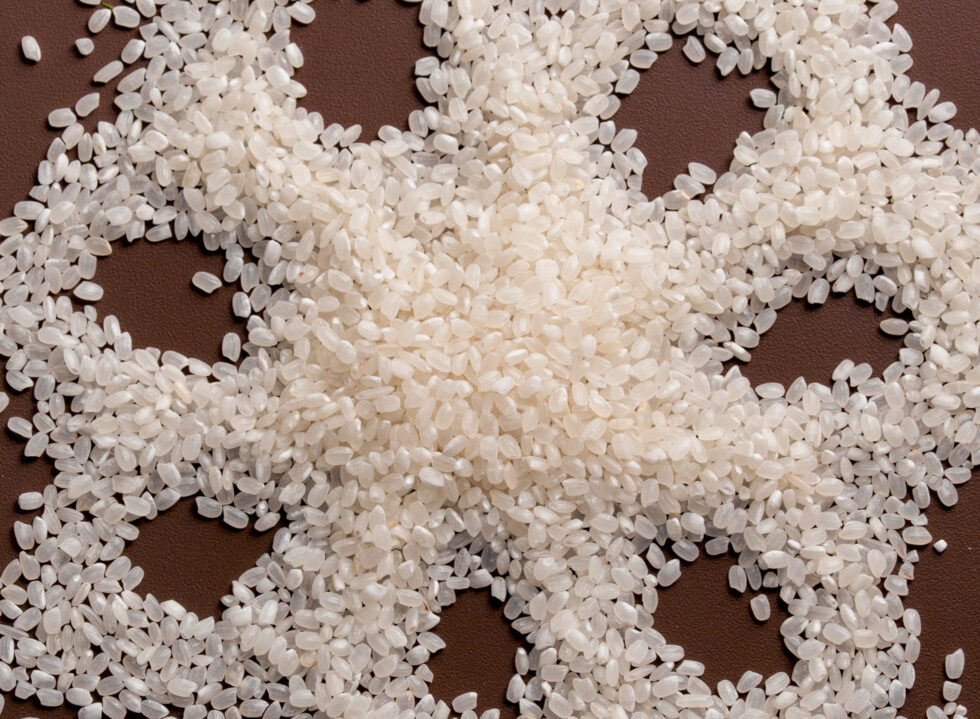
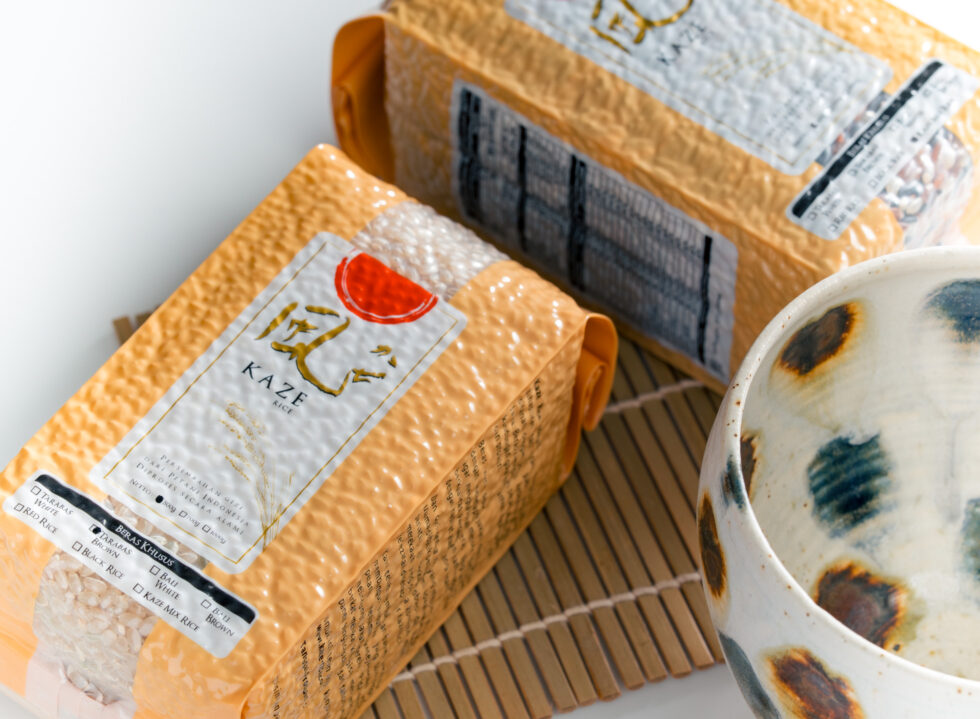
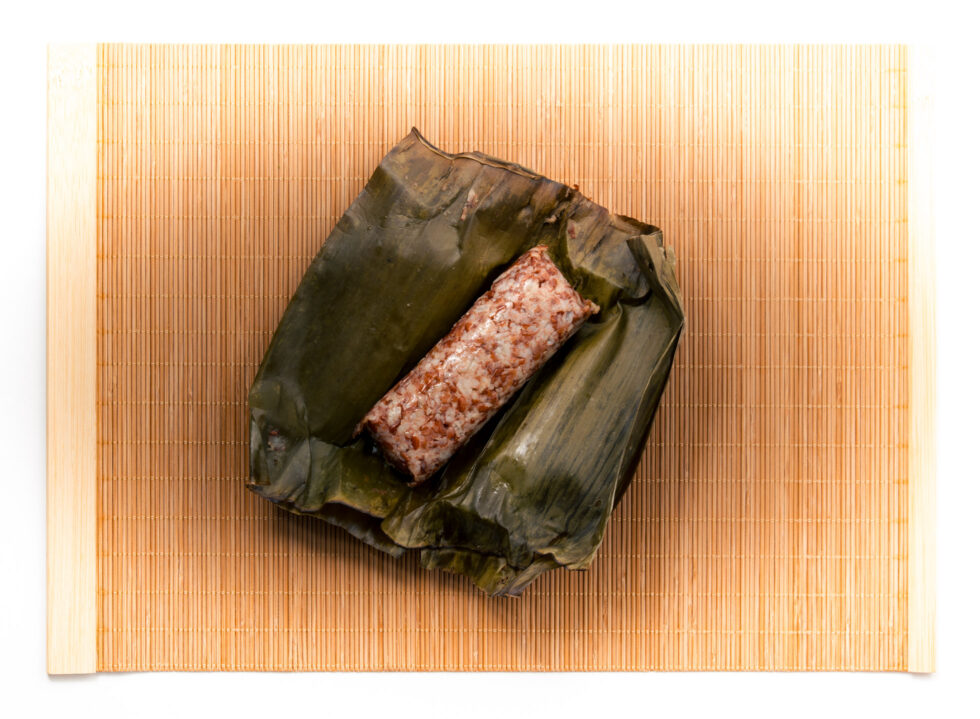
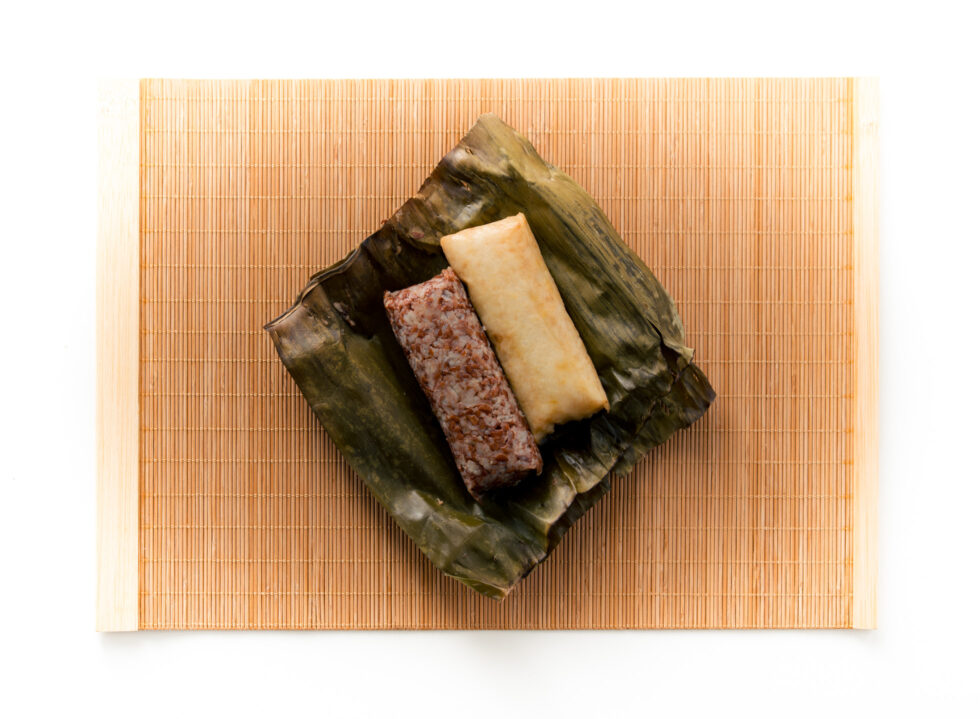
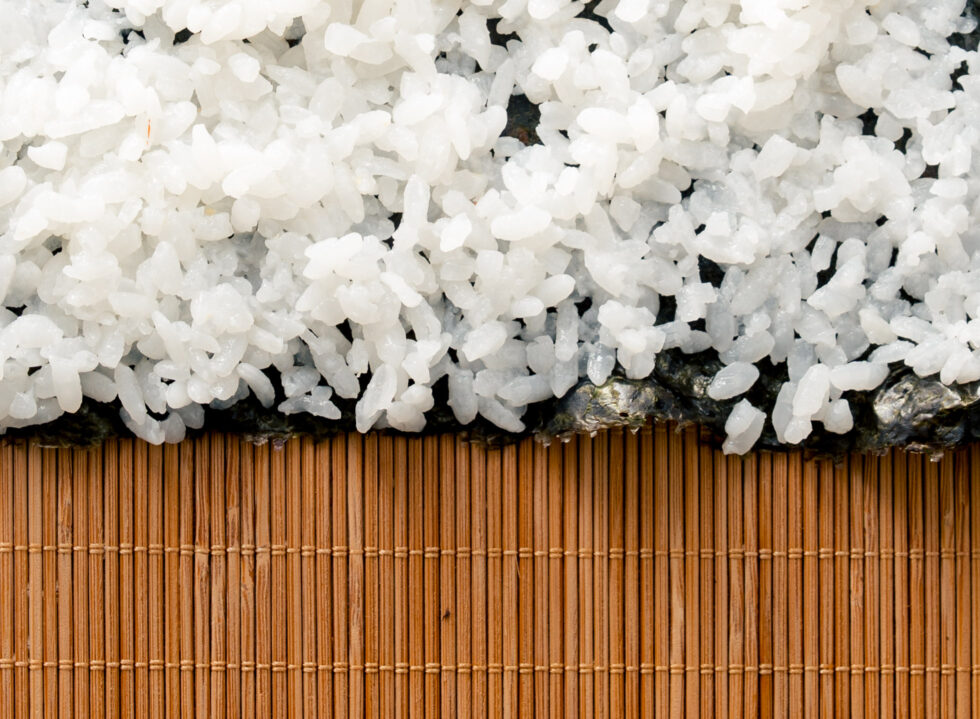
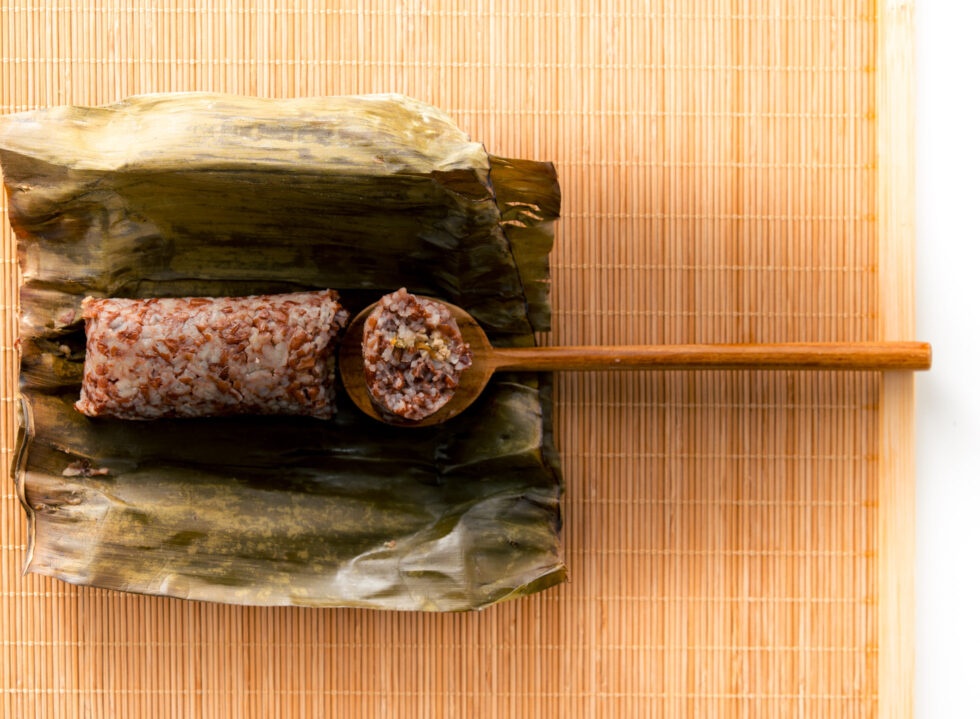
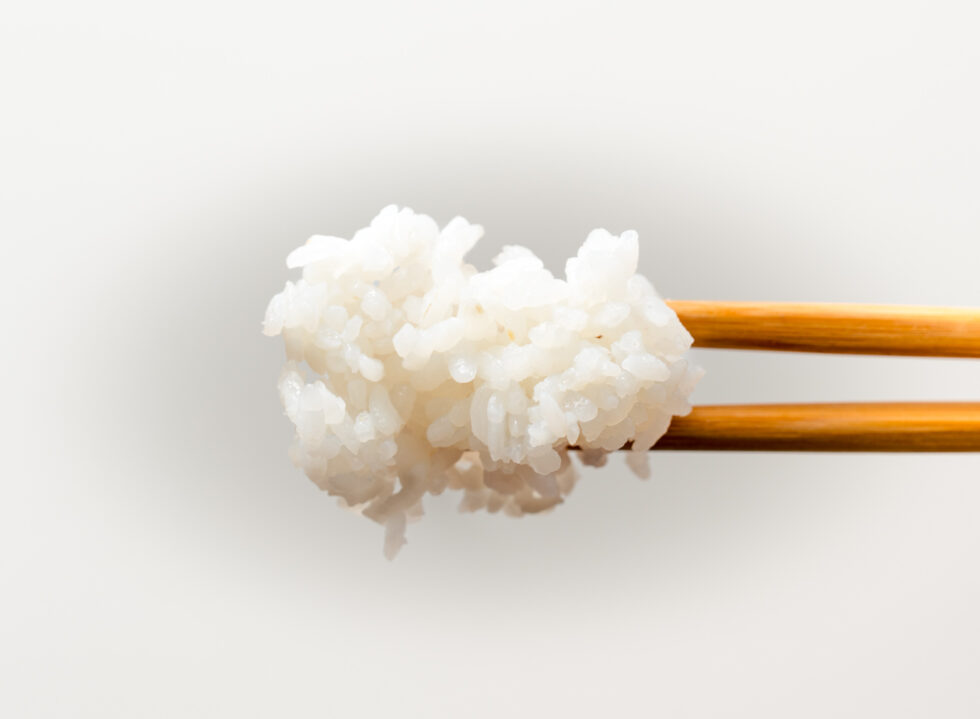
Across its range — from the short-grain, white Japonica rice that started it all, to the red Balinese rice, which carries the fragrance of pandan — Kaze Rice emphasises higher fibre, lower sugar, and more complex carbohydrates than much of the rice commonly found on the market.
“Some of the feedback we hear is that the rice gives people, or their family members, more energy and a better appetite,” Cynthia added. “On a more personal level, making the switch also helped us manage my husband’s diabetes better.”
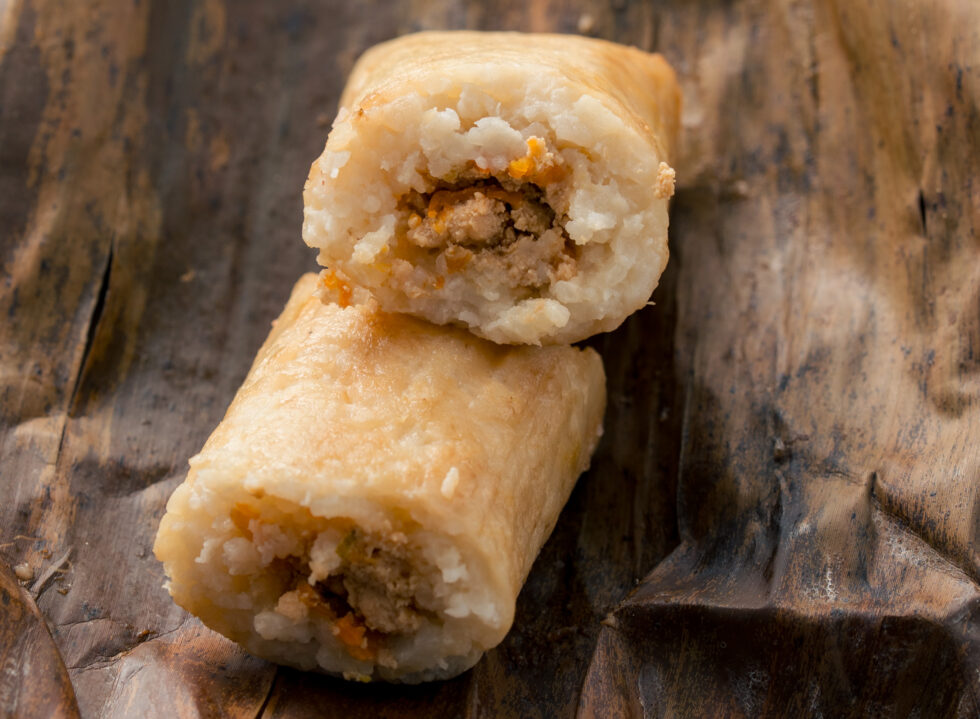
At Kedai No 7, a modest eatery in Kramat Pela that sources its rice from Kaze, founder Ramona Manuputty has noticed a consistent response from customers. “From what they tell us, dishes made with Kaze Rice leave them feeling full, but not overly so,” she shared. “They also don’t feel sleepy after eating it,” a contrast to the drowsiness often associated with higher-sugar rice.
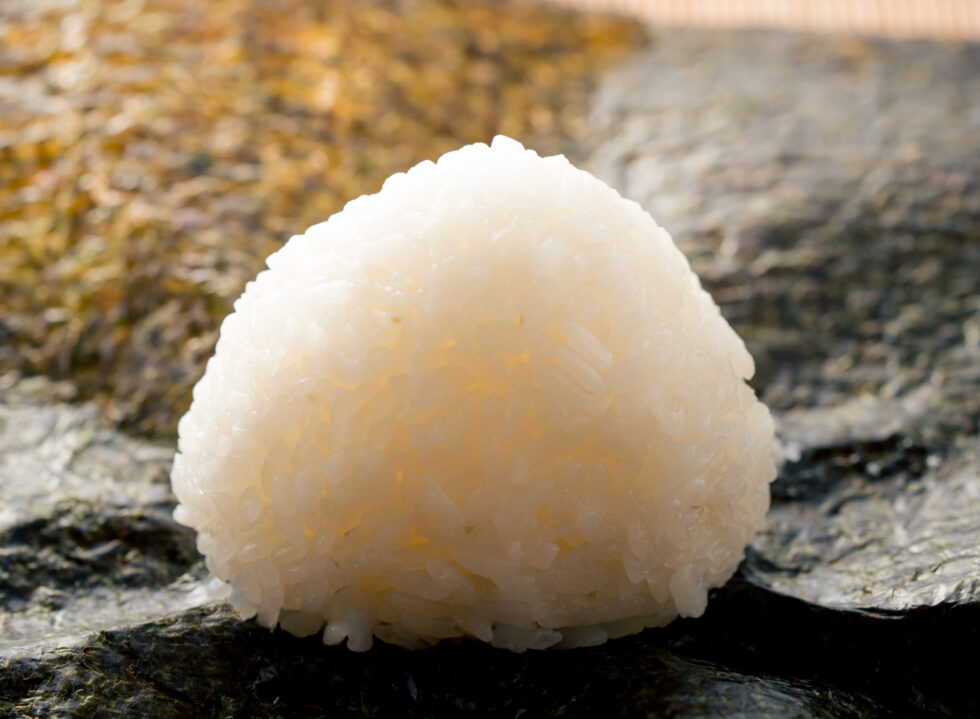
The eatery is one among a handful of local culinary groups that now use Kaze Rice in their dishes. Another example can be found in Ombé Kofie. The coffee chain uses Kaze’s Japanese rice across its outlets for staple dishes such as soy glaze chicken and pork chop with sambal matah, and regularly collaborates with Kaze on menus tied to sports community events. But it wasn’t only the rice’s nutritional appeal that drew them in.
“Having a fair-trade source really aligns with our values,” said Josephine Liong, Marketing Strategist at Ombé Kofie. “We believe it supports farmers in a more sustainable way, and allows them to maintain the quality of what they grow over time.”
While Kaze Rice has since earned appreciation from its customers and parts of the local dining scene, the process was far from seamless. Rethinking how rice is grown, traded and valued meant pushing against habits shaped over decades. For Cynthia, the work was never about quick validation, but about staying consistent and letting time do its part.
“In the beginning, we worked mostly with middle-aged and elderly farmers. They were very resistant. They would tell me to sit down and let them handle it,” she said. “I didn’t see it as a challenge so much as motivation. When you work with seniors, whatever you say, you’re usually wrong. But if you show them that it works, over time, they’ll see it too. Then you keep going with the ecosystem you’ve built.”